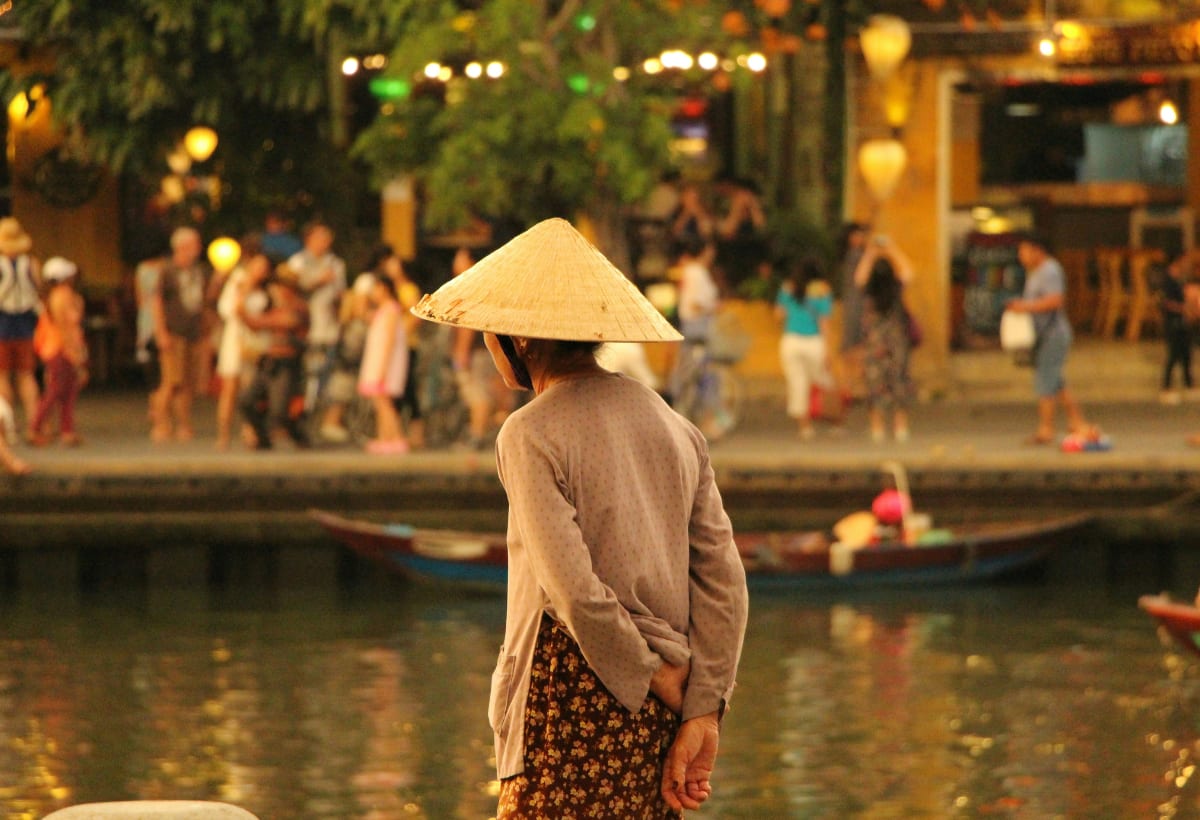
It was a humid June evening in 2022 when I first arrived in Hoi An. After a long journey from Hanoi via Da Nang, I crossed into the Ancient Town just as lanterns were beginning to glow above the streets. The fading daylight lingered on ochre-yellow merchant houses, cyclists navigated narrow lanes with baskets balanced on their handlebars, and the scent of grilled seafood drifted from riverside restaurants preparing for the evening ahead.
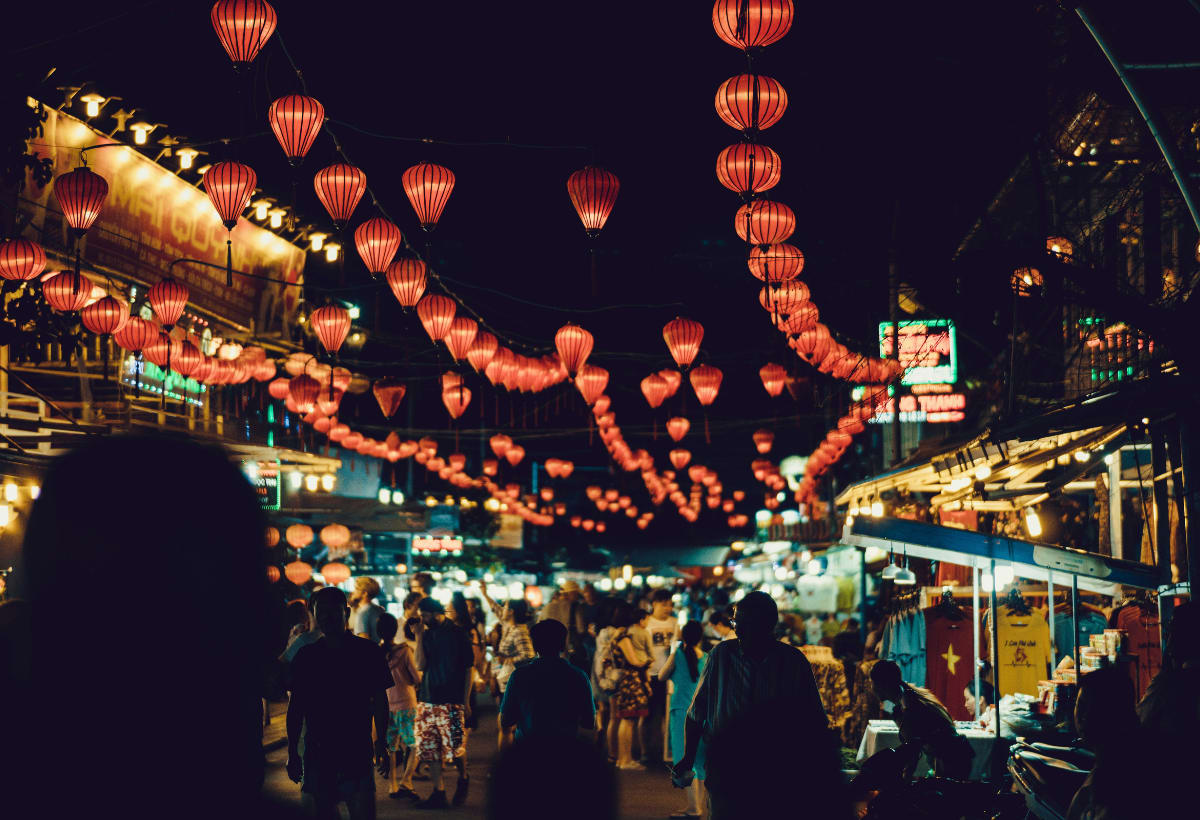
Exhaustion should have been the dominant feeling after a day spent in transit, yet what I remember most is a sense of ease. There was something about Hoi An that immediately encouraged me to slow my pace and pay attention.
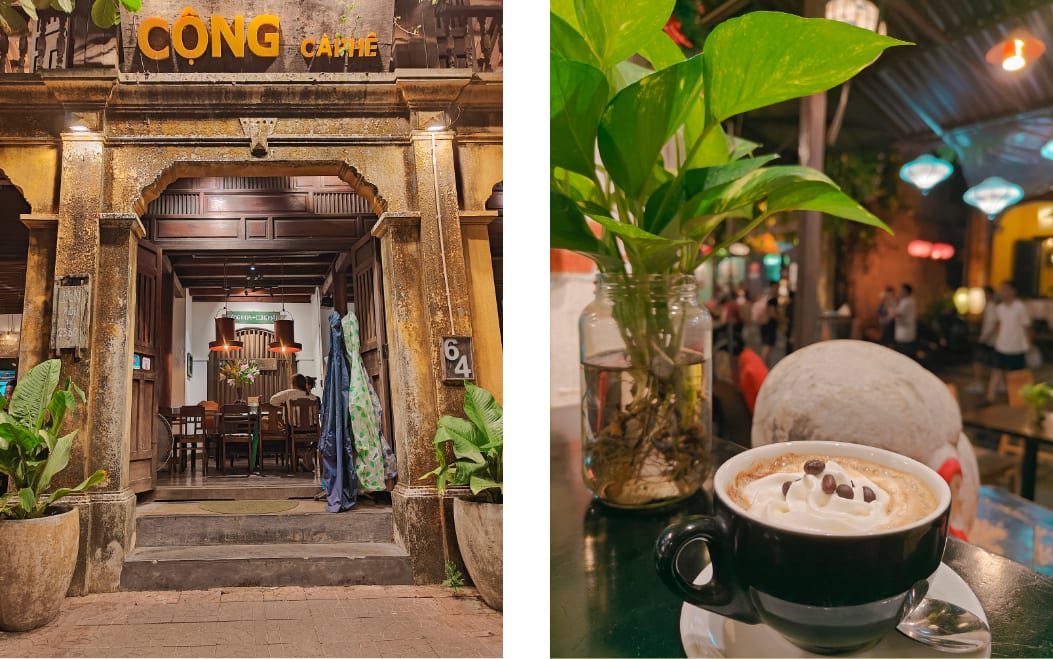
Long before I visited Vietnam, I had encountered the country through the words of Anthony Bourdain. "Does everybody fall in love with the country like I did? I came here, and it stole my heart," he once remarked while reflecting on his travels. Sitting in Cộng Cà Phê that evening with a glass of cà phê sữa đá (Vietnamese coffee with condensed milk) in hand, watching the town settle into its nightly ritual, I found myself beginning to understand exactly what he meant.
At the time, I believed Hoi An would simply be another stop on a wider journey through Vietnam. Instead, it became the place I would return to more than any other. Over the years, I have explored its streets alone, spent lazy afternoons here with friends, shared its cafés and riverside walks with my partner, and even introduced the town to groups of travellers I was hosting. Every visit unfolded differently, yet each reinforced the same feeling: Hoi An possesses a remarkable ability to make people feel less like visitors and more like participants in the life of the town.
A Trading Port That Never Lost Its Identity
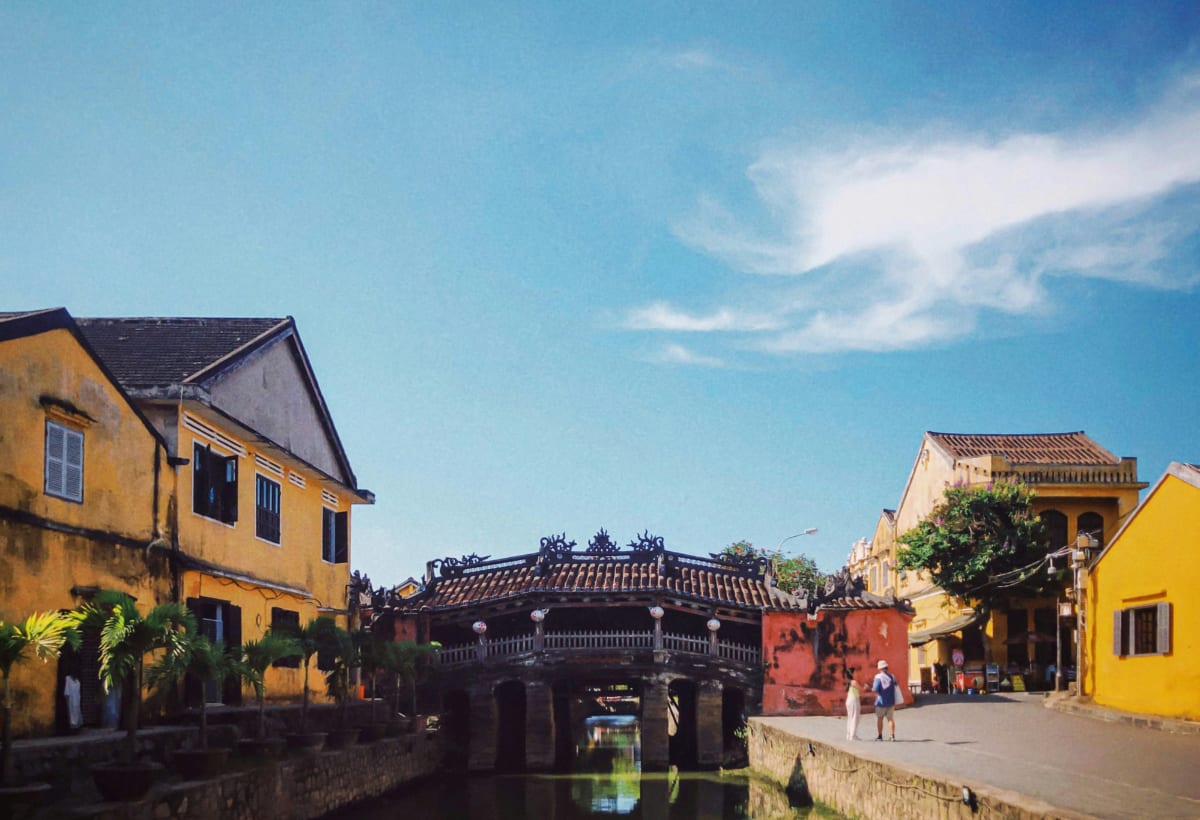
Much of Hoi An's appeal can be traced to its history. Between the 15th and 19th centuries, it was one of Southeast Asia's most important trading ports, attracting merchants from China, Japan, India, and Europe. The wealth generated during this period shaped the town's architecture, customs, and culture, many elements of which remain visible today.
What distinguishes Hoi An from many historic destinations, however, is that its heritage feels lived-in rather than preserved for display. The Ancient Town, recognised as a UNESCO World Heritage Site, is not simply a collection of monuments. Families continue to occupy centuries-old buildings, tailors operate from historic shopfronts, and local businesses thrive behind wooden façades that have witnessed generations of change.
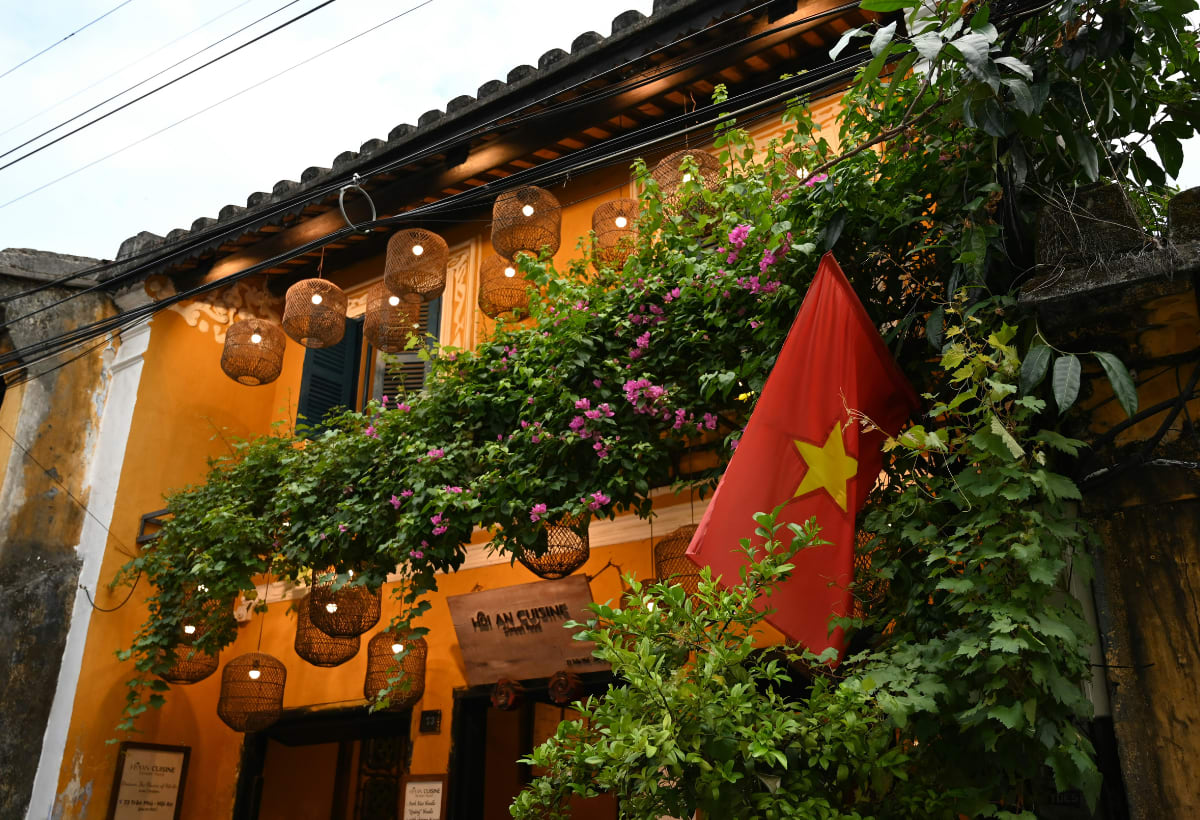
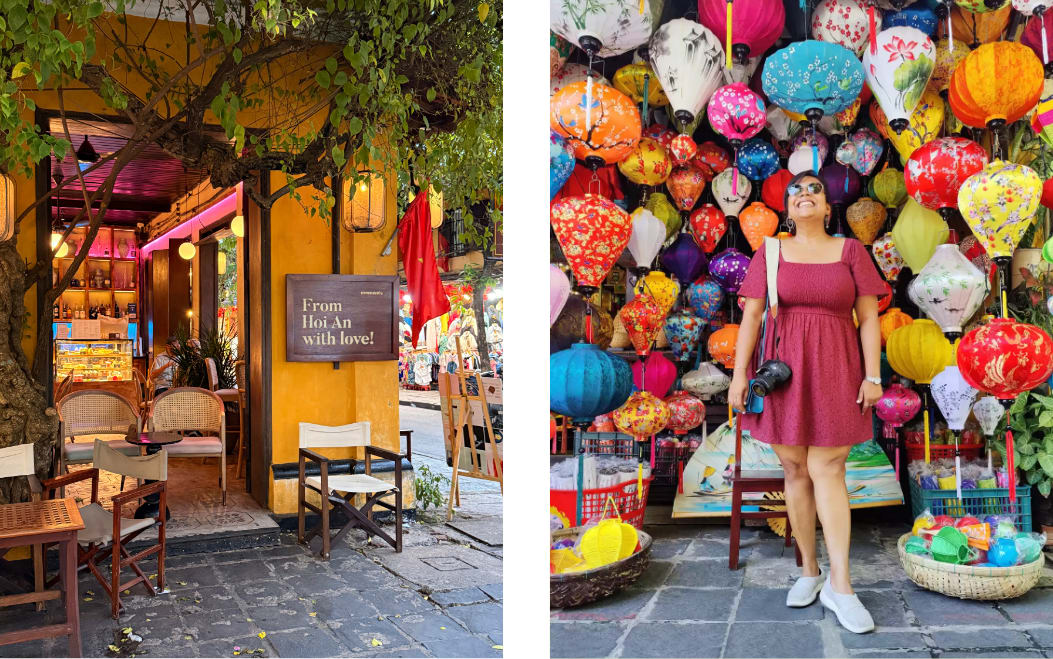
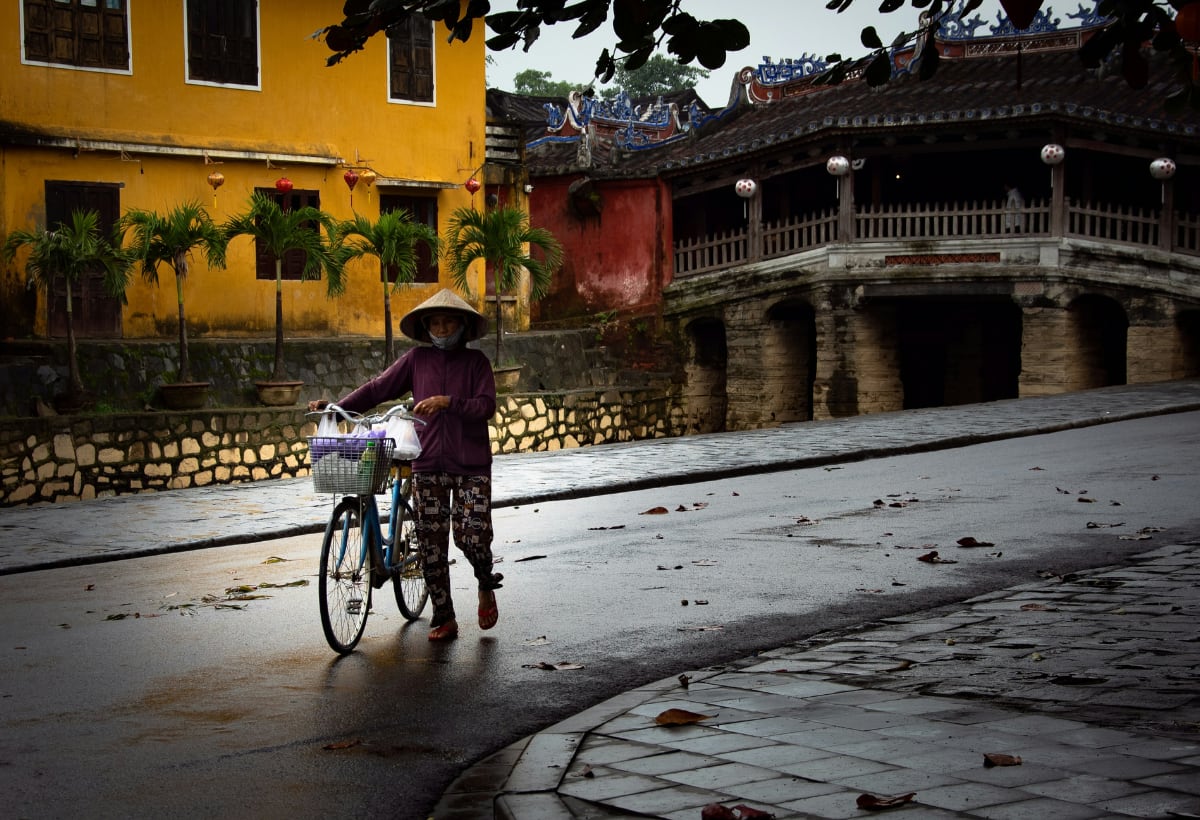
Walking through the town reveals traces of its cosmopolitan past at every turn. The Japanese Covered Bridge remains one of Hoi An's most recognisable landmarks, while ornate Chinese assembly halls stand as reminders of immigrant merchant communities that helped shape the town's prosperity. Merchant houses such as Tan Ky House offer insights into the lives of trading families whose businesses connected central Vietnam with ports across Asia.
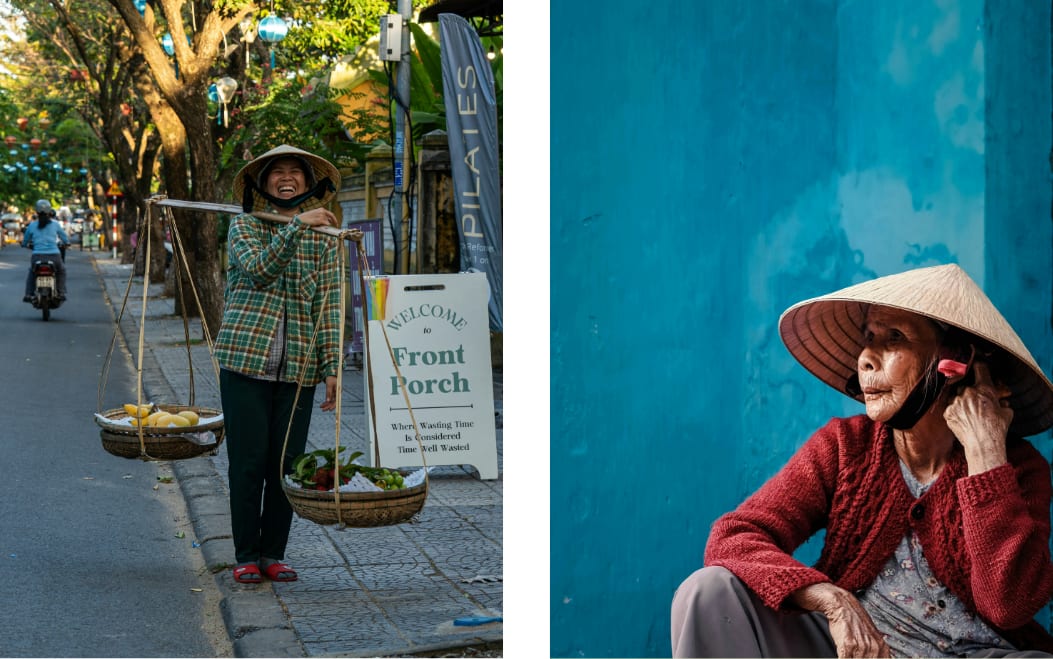
Yet it is often the ordinary details that leave the strongest impression. Elderly residents gathering for morning tea, vendors arranging herbs and vegetables at the market, and bicycles weaving through streets too narrow for cars all contribute to an atmosphere that feels remarkably intact despite the town's popularity.
The Simple Pleasure of a Coffee-Fuelled Morning
Few places have influenced my daily routine quite like Hoi An.
Mornings here inevitably begin with coffee, not simply because Vietnam produces some of the world's finest beans, but because coffee culture forms such an integral part of everyday life. Cafés occupy restored heritage buildings, hidden courtyards, riverfront terraces, and postcard-perfect corners tucked between tailor shops and family-run restaurants.
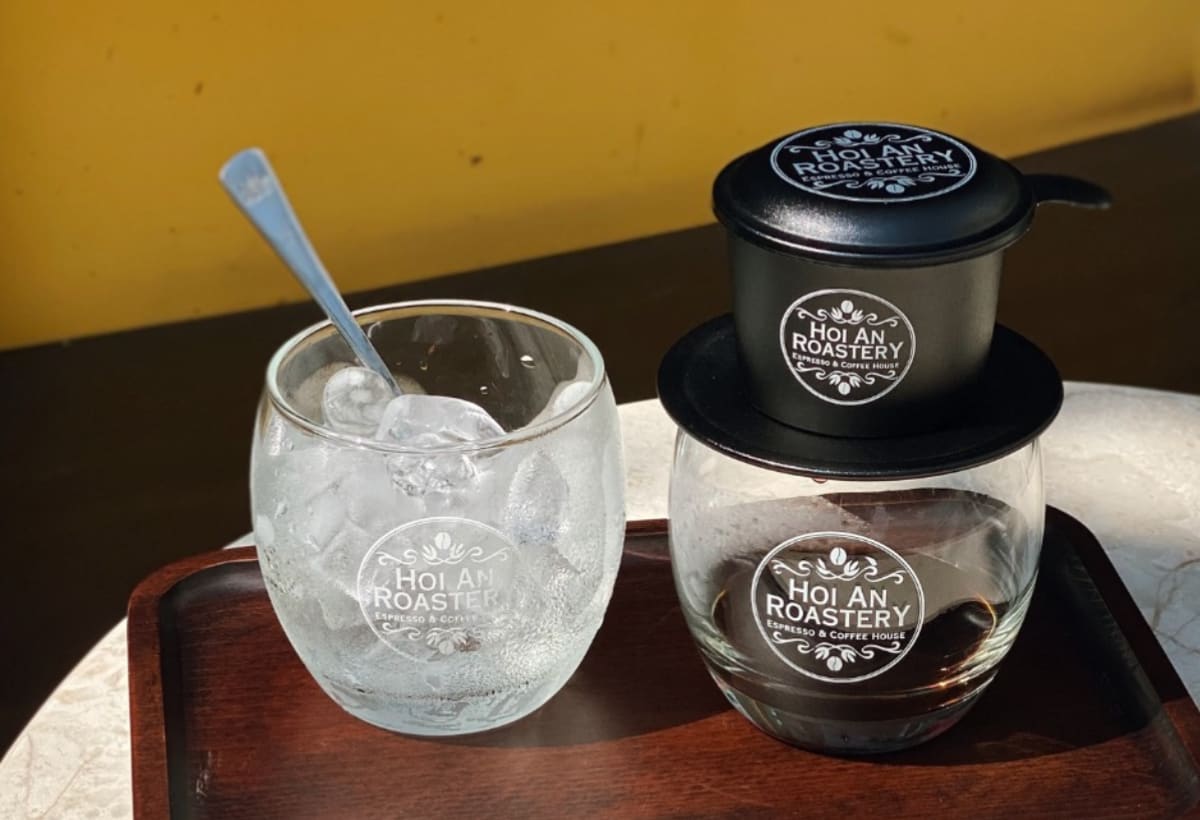
Among my regular stops is Hoi An Roastery, where the menu showcases the diversity of Vietnamese coffee, from traditional cà phê sữa đá to coconut coffee and coconut cream coffee. Choosing what to order often becomes a challenge in itself!
What I have always appreciated about Hoi An's cafés is the way they engage with the street. Rather than arranging chairs around tables in the conventional manner, many position seating towards the road, encouraging customers to observe the world unfolding around them. From these front-row seats, daily life becomes the attraction. Cyclists carrying fresh produce pass by, market vendors exchange greetings with neighbours, and visitors wander through the streets, maps in hand, discovering the town for themselves.
Hours can disappear in this manner, and in Hoi An, that never feels like a wasted afternoon.
Finding Space Along the Thu Bon River
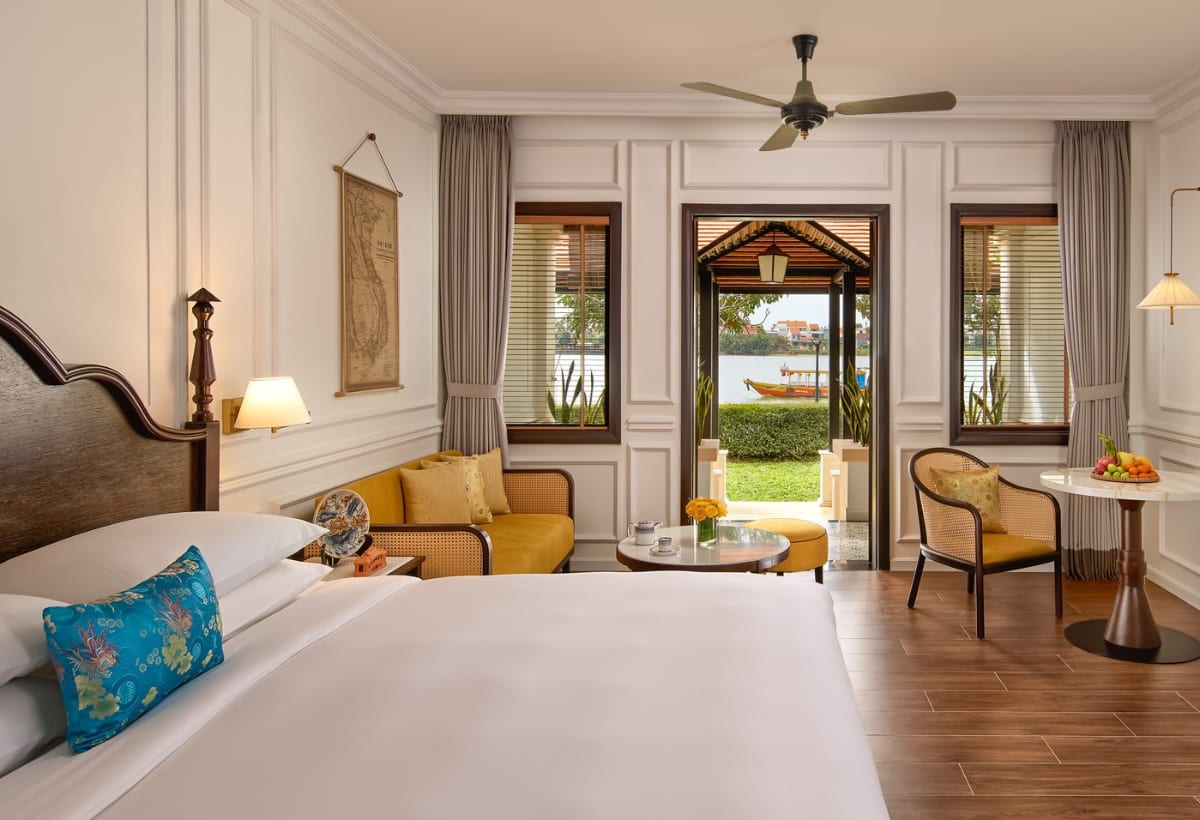
One of the reasons Hoi An appeals to such a broad range of travellers is its ability to offer both energy and respite within the same compact area.
During my stay at Anantara Hoi An Resort, I found myself experiencing that contrast every day. Situated on the banks of the Thu Bon River, the property occupies a location that feels simultaneously connected to and removed from the bustle of the Ancient Town.
Only a short walk away, lantern-lined streets buzzed with activity as visitors moved between cafés, restaurants, markets, and historic landmarks. Yet stepping through Anantara's gardens created an immediate sense of separation from the crowds outside. From my veranda, I could watch fishing boats move slowly along the river while the town awakened across the water, creating a perspective of Hoi An that many day-trippers never experience.
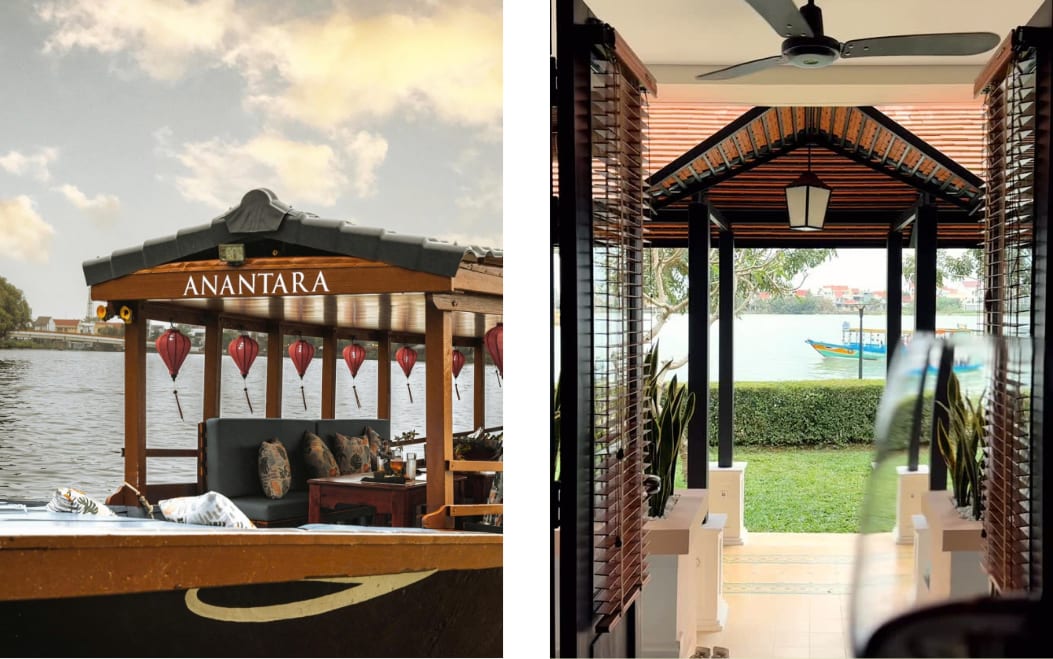
The riverside setting offered a reminder that the Thu Bon remains central to understanding Hoi An. Long before tourism arrived, this waterway sustained the trading networks that brought prosperity to the town. Even today, life continues to revolve around it.
Understanding Hoi An Through Its Food
Food offers one of the most accessible windows into Hoi An's history and identity.
Centuries of cultural exchange have shaped a culinary tradition that differs noticeably from those found elsewhere in Vietnam. The town's signature dish, cao lầu, reflects this distinct heritage. Combining thick noodles, slices of pork, fresh herbs, and crunchy croutons, it remains one of the few dishes that feels inseparable from the place where it originated.
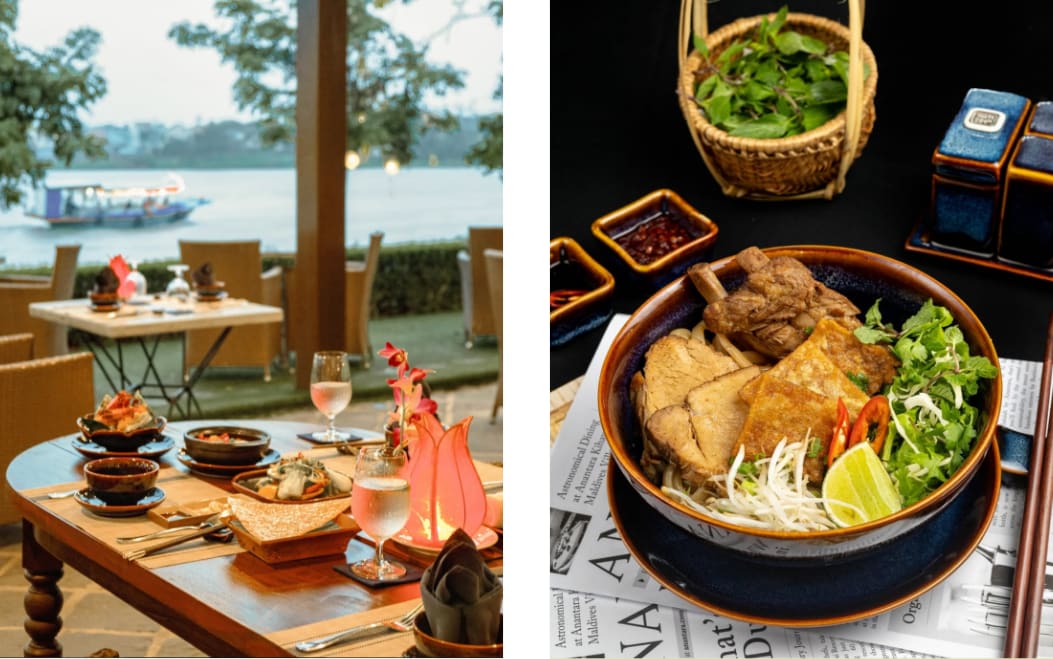
One evening at Hoi An Riverside, Anantara's riverfront restaurant, I found myself revisiting some of the flavours that have become synonymous with the town. The pork bánh mì delivered the satisfying contrast of crisp bread and savoury fillings that has made Vietnam's most famous sandwich a global favourite, while the cao lầu provided a more local perspective on the region's culinary traditions.
Enjoying these dishes beside the Thu Bon River as lanterns illuminated the waterfront felt particularly fitting, given how closely Hoi An's food culture is intertwined with its history as a trading port. Many of the ingredients, techniques, and influences that define local cuisine arrived here through the same networks that shaped the town itself.
Beyond the Ancient Town
Although the Ancient Town commands most of the attention, Hoi An's coastline provides a compelling reason to venture beyond its historic centre.
Within a short drive, the landscape shifts from merchant houses and riverside cafés to wide beaches facing the South China Sea. An Bang Beach attracts a steady stream of visitors drawn by its relaxed atmosphere and beachfront restaurants, while Cua Dai Beach offers a quieter alternative.
It is here that I have witnessed some of the most memorable sunsets in Vietnam. As daylight fades, the horizon often transforms into a dramatic blend of gold, orange, pink, and crimson, with fishing boats appearing as dark silhouettes against the changing sky. The spectacle feels different every evening, yet no less enchanting for its familiarity.
These coastal moments reveal another dimension of Hoi An, reminding visitors that the destination's appeal extends far beyond its historic streets.
The Place I Keep Returning To
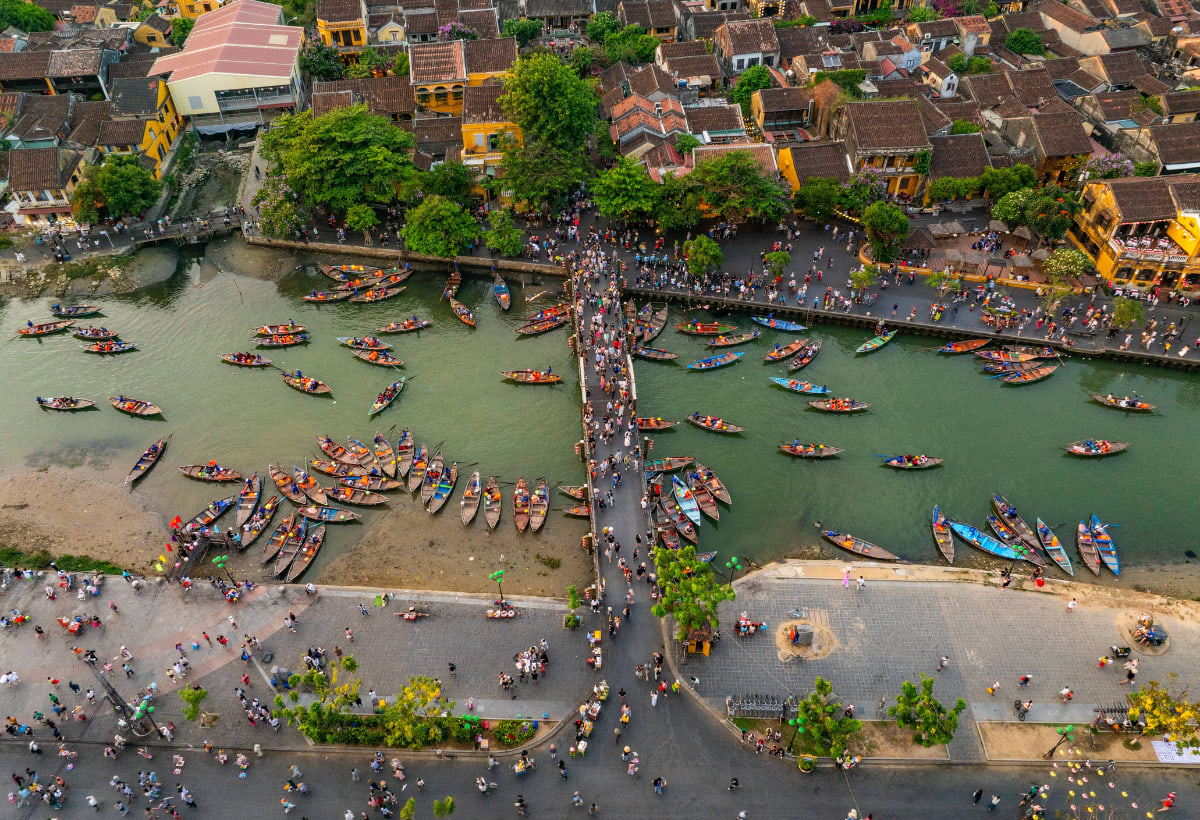
After five visits, I still find it difficult to explain precisely what keeps drawing me back to Hoi An. Perhaps it is the way history remains embedded in everyday life, or the ease with which a simple morning coffee can become the highlight of a day. Perhaps it is the food, the river, the beaches, or the sense of familiarity that develops surprisingly quickly for a place visited only periodically.
More likely, it is the combination of all these things.
While Hanoi welcomes travellers with its intensity and Ho Chi Minh City impresses with its dynamism, Hoi An offers something altogether different. It rewards those willing to linger for longer, to wander without purpose, and to engage with the destination beyond its most photographed landmarks. In doing so, it reveals a side of Vietnam that feels deeply personal, and it is that quality, more than anything else, that continues to bring me back.