Galle has several lives running alongside one another. There is the historic Fort, with its centuries-old ramparts, narrow streets, and houses that hold generations of cultural exchange. Beyond it, Sri Lanka's southern coast follows its own rhythm: surfers heading towards the water, fishermen returning with the day's catch, cafés filling up as the afternoon wears on, and music finding its way into the evening. Otherland Galle takes this variety as its starting point.
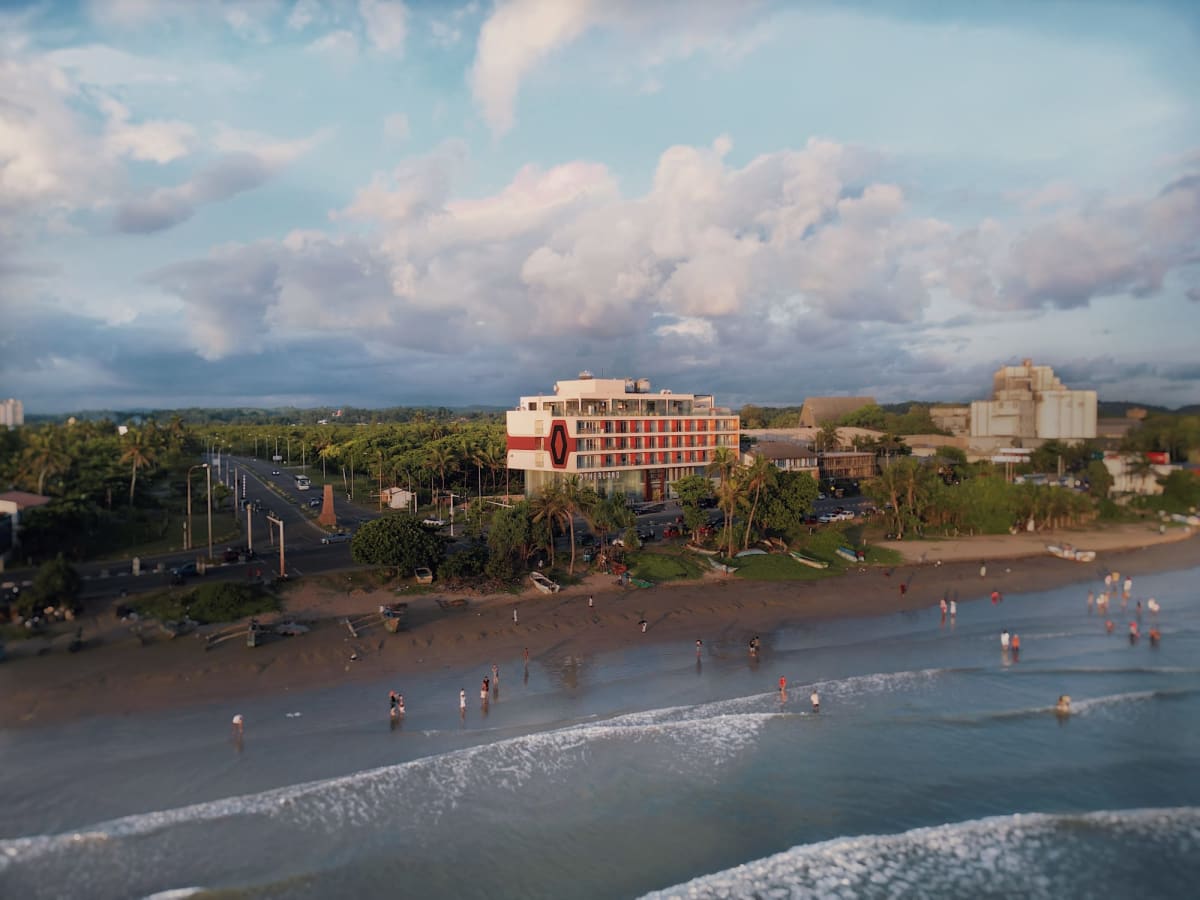
Part hotel, part poshtel and part surf club, the 66-key property has an interesting idea of what a holiday should look like. And it involves spending considerably less time in your room. When I visited in September, ahead of its October 12 2026 opening, this is exactly what caught my attention. Founders Rishi Sreedharan, Samarth Gowda and Emanuel Siddhartha wanted the food, music, social spaces and local encounters to be as much a reason to visit as the stay itself.
As co-founder Samarth puts it, “Otherland Galle should feel like yours from the moment you walk in.” And, as I discovered, the hotel has some rather unconventional ideas about making that happen.
A Different Spin On Checking In
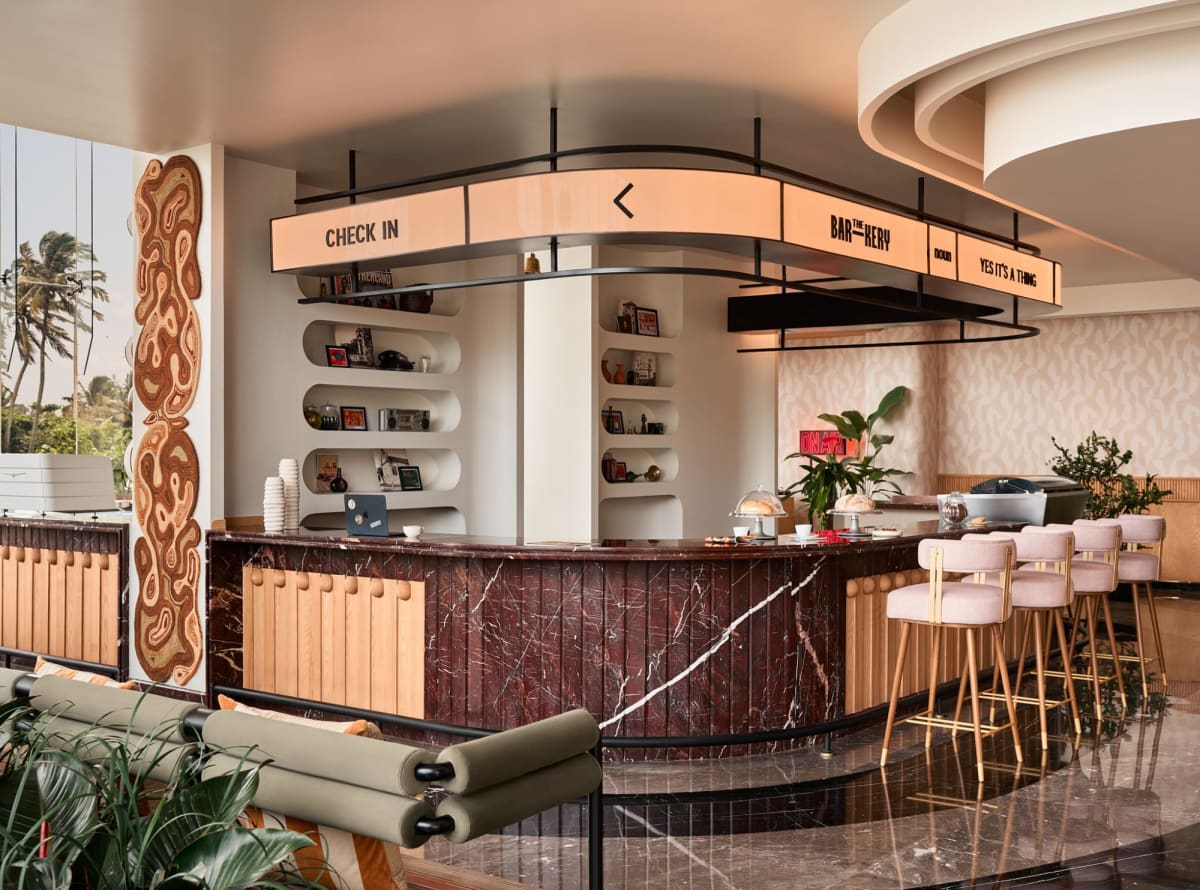
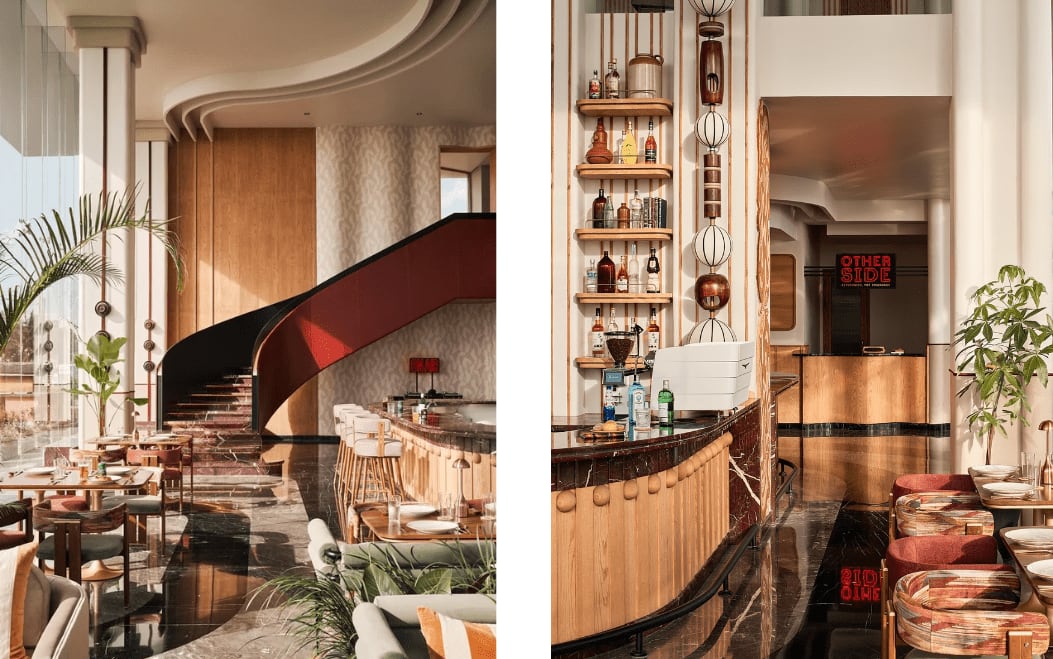
For starters, there is no conventional reception desk. Instead, you arrive at Bar-kery, a double-height circular space whose name gives away only two of its many roles: it is where guests check in, meet over coffee, settle down with a laptop or return later for an aperitivo. With a bakery and gelateria also in the mix, one could find several excuses to linger long after checking in.
A Vinyl Corner encourages people to browse the records, choose one and play it themselves. “It is also open to walk-ins”, shares Rishi. “We want it to have a connection with the wider neighbourhood beyond the hotel guests.”
Coastal Design, Minus The Clichés
Studio Camarada, led by Andre Camara, approached the interiors with a similar playful disposition. Sandy neutrals, ocean blues and earthy tones take their cues from the coastline, while rattan, ash, cane-work headboards and hand-tufted textiles introduce a tactile warmth. Marble bars with brass detailing and custom lighting lend the communal spaces a more expressive character.
“Being by the ocean doesn't mean everything needs to be blue and white,” remarks Camara. Quite right, too. There are only so many nautical references a beachside hotel can take.
The guest rooms are deliberately quieter. As the designers explain, “We didn't want guests to feel as though they were sleeping in an extension of the bar.” Ocean-facing rooms, mangrove-facing rooms, suites and shared dormitories cater to different kinds of travellers.
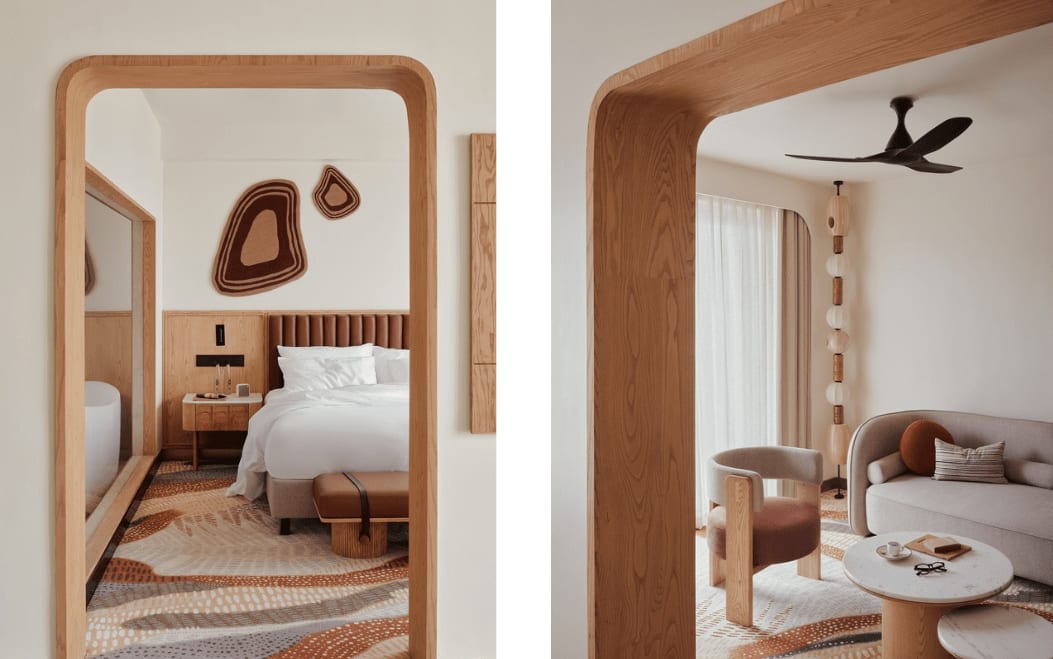
As an architect, I find restraint in design just as compelling as reinvention. Guided by an ethos of maximum impact with minimum intervention, the studio retained the existing building, concentrating its larger transformations on the lobby and rooftop. The result is a property whose public spaces do much of the talking.
The Rooftop Has A Night Shift
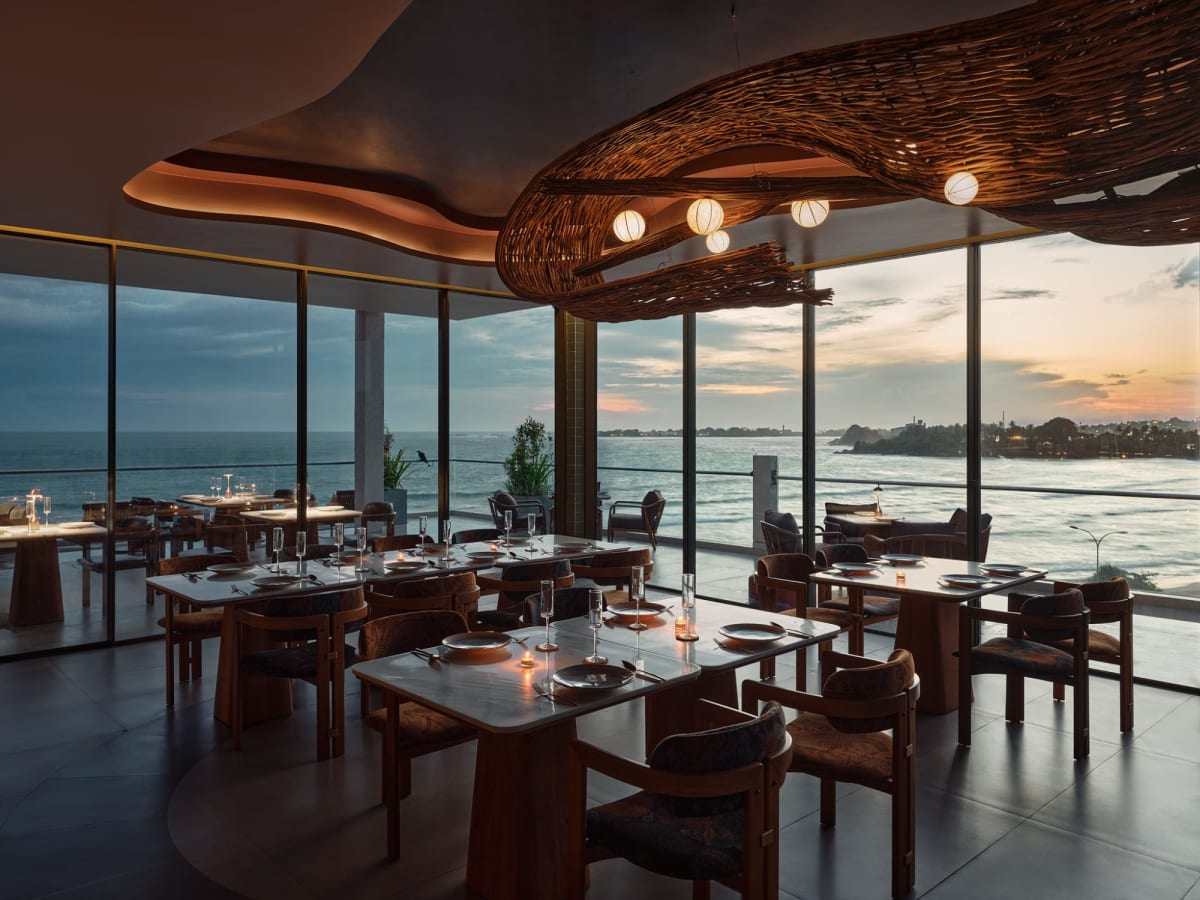
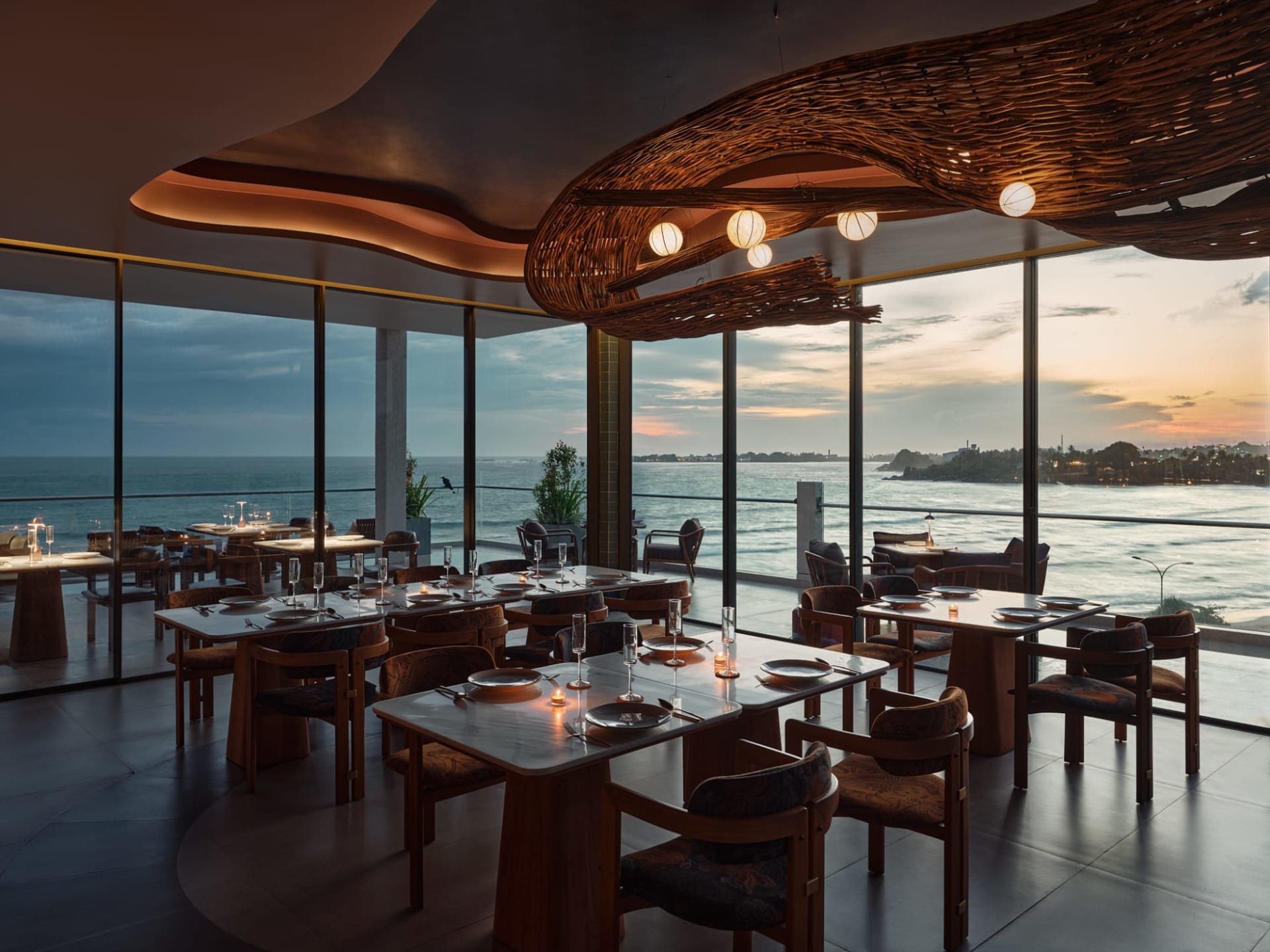
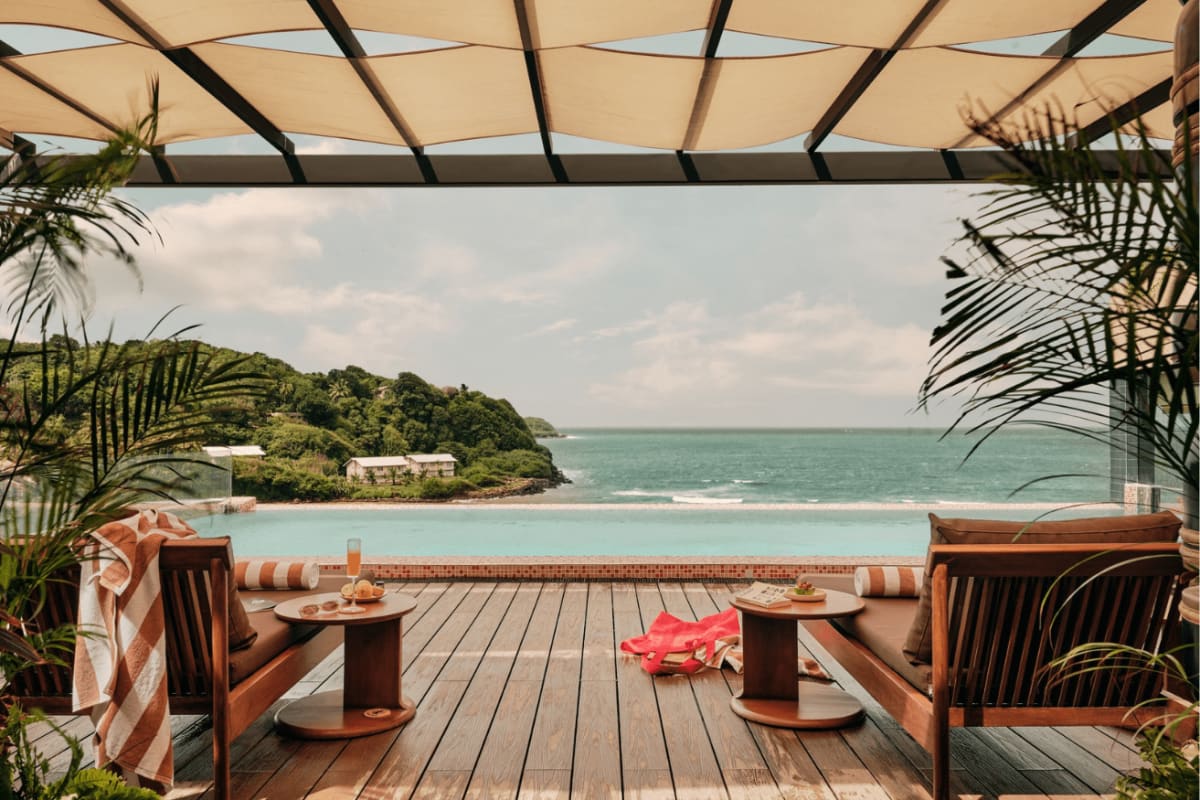
Upstairs, Creatures takes the hotel's sociable streak to new heights. The rooftop combines an infinity pool, restaurant, cocktail bar and music venue, overlooking Galle's coastline.
Days here are for long lunches and poolside lounging. As the sun begins to set, the space prepares for what the hotel calls 'the turn'. Lighting changes, music takes over and the rooftop slips into its after-dark personality. A live band might set the mood one evening; house, techno or electronica could take over the next. Emanuel, who grew up on Sri Lanka's southern coast, brings a personal understanding of its creative communities to musical programming.
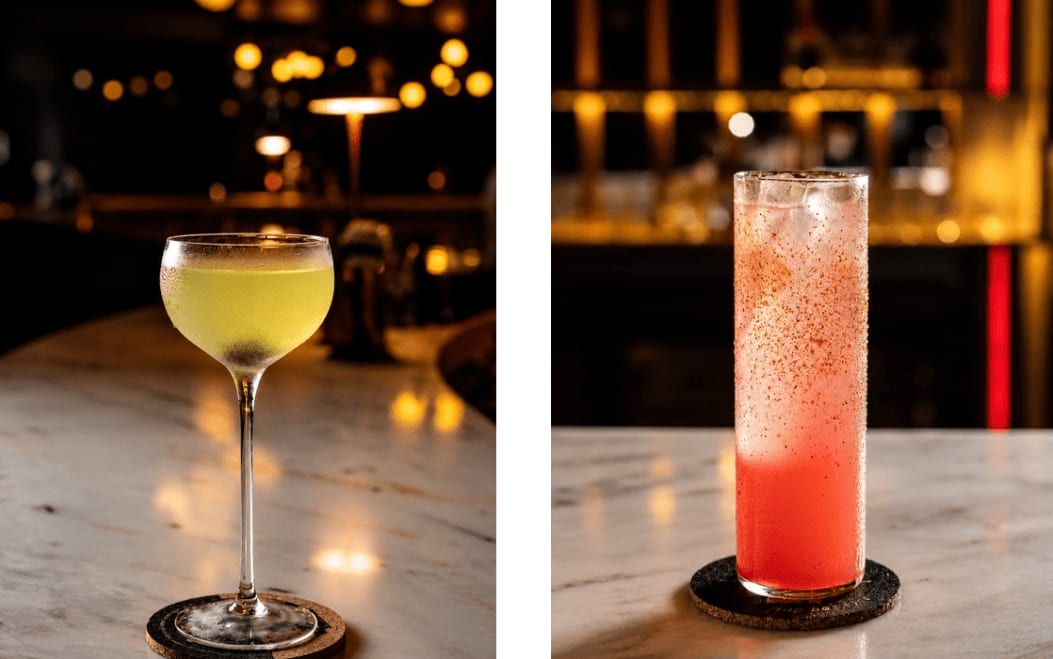
Arijit Bose takes some creative liberties with cocktail classics. Take the 'Dirty Lankan', which replaces the olive brine of a dirty martini with sardine brine, inspired by the fishing boats visible from the rooftop. The Coffee Painkiller adds a caffeinated note to a piña colada, while Rabbit's Foot reworks a margarita with mezcal.
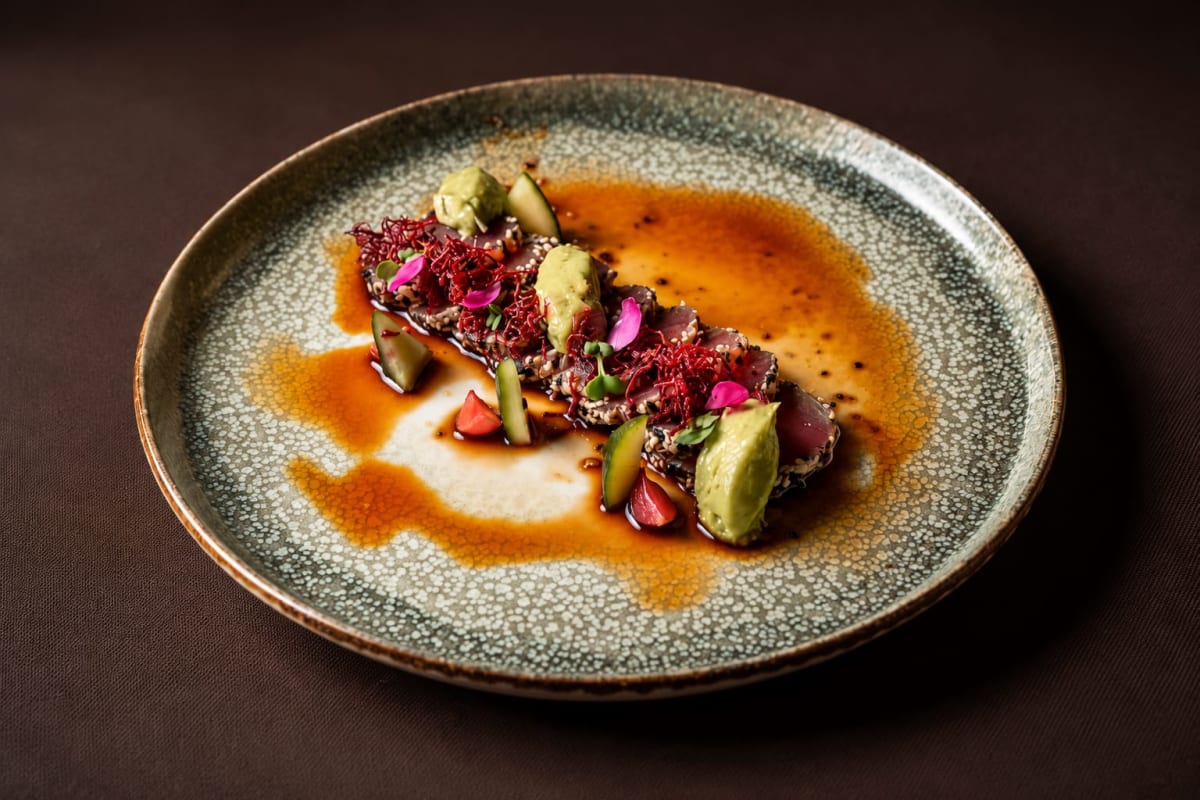
Executive chef Rajeev Kumar draws on Sri Lankan culinary traditions while allowing room for experimentation. ‘King Coconut Ceviche’, ‘Lankan Fish Cutlets’ and ‘Yellowfin Tuna Tataki’ are among the offerings from the kitchen, which works with a seasonal pantry. Even dessert has a local reference: ‘Watalappam Brûlée’ gives the island’s coconut-and-jaggery custard a caramelised finish. As general manager Jazib Husain shared with me, he had been particularly discerning about what made the cut during menu tastings.
Galle, Through The People Who Know It
There is a difference between being shown a destination and hearing its stories from someone who calls it home. This distinction shapes Otherland’s proposition beyond its walls— The Other Side, an experience programme that brings together local cooks, guides, surfers, fishermen and artisans across three tracks: Slow, Wild and Play.
I got a taste of this, quite literally, during an arrack tasting session—armed with a tasting wheel, we marked the notes we could discern, from spice to sweetness. There was a certain amusement in trying to put a name to the nuances of Sri Lanka’s celebrated spirit.
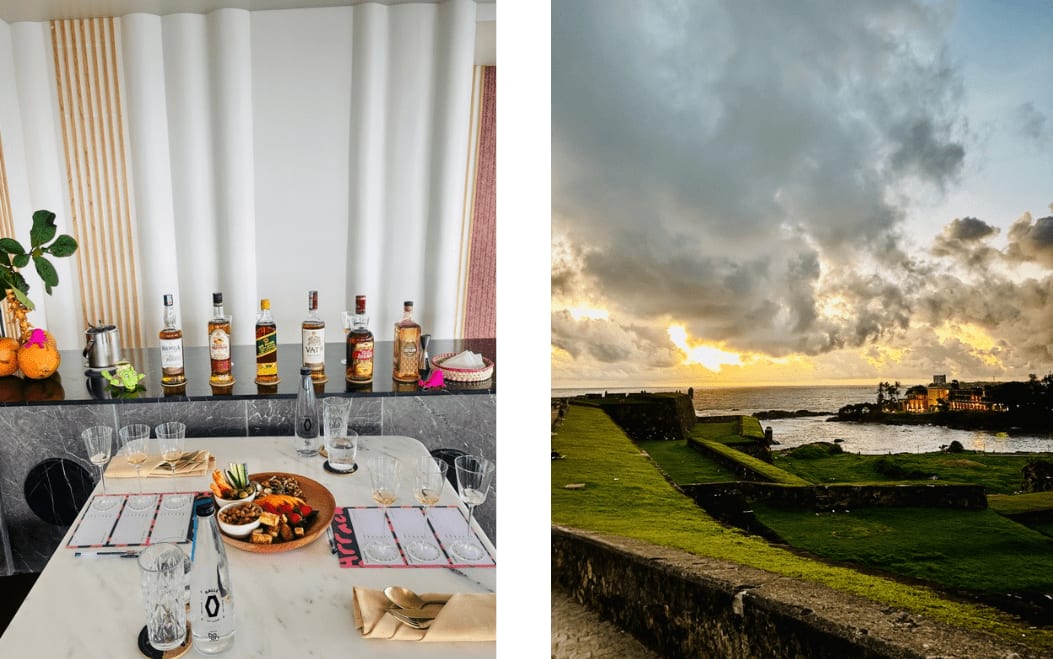
Another experience took me into Galle Fort with Aslam Anver, whose family has lived within its walls for seven generations. Walking those streets with someone whose own history is so closely tied to the place offered a different perspective—beyond the colonial architecture and centuries-old ramparts lay stories of homes, communities and everyday lives unfolding behind weathered façades. The Fort began to feel less like a collection of historic landmarks and more like a living neighbourhood. Our walk concluded at sunset along the ramparts, where the Indian Ocean comes back into view.
The other experiences follow a similar approach. Dinesha and Malini of Angara Home Cooking invite guests to learn home-style Sri Lankan recipes before sharing a meal. At nearby Dewata Beach, Mani of Jumani Surf School introduces travellers to the waves he knows intimately. Further along the coast, Malish and his family lead boat journeys through Koggala Lake's mangroves, including a visit to Cinnamon Island.
By the time I left, I was as intrigued by the Galle I had encountered as by the Galle I had yet to discover. Otherland calls its philosophy 'Never The Same Twice'. With a surf beach right across the road, perhaps I’ll come back next time to enjoy some surfing!