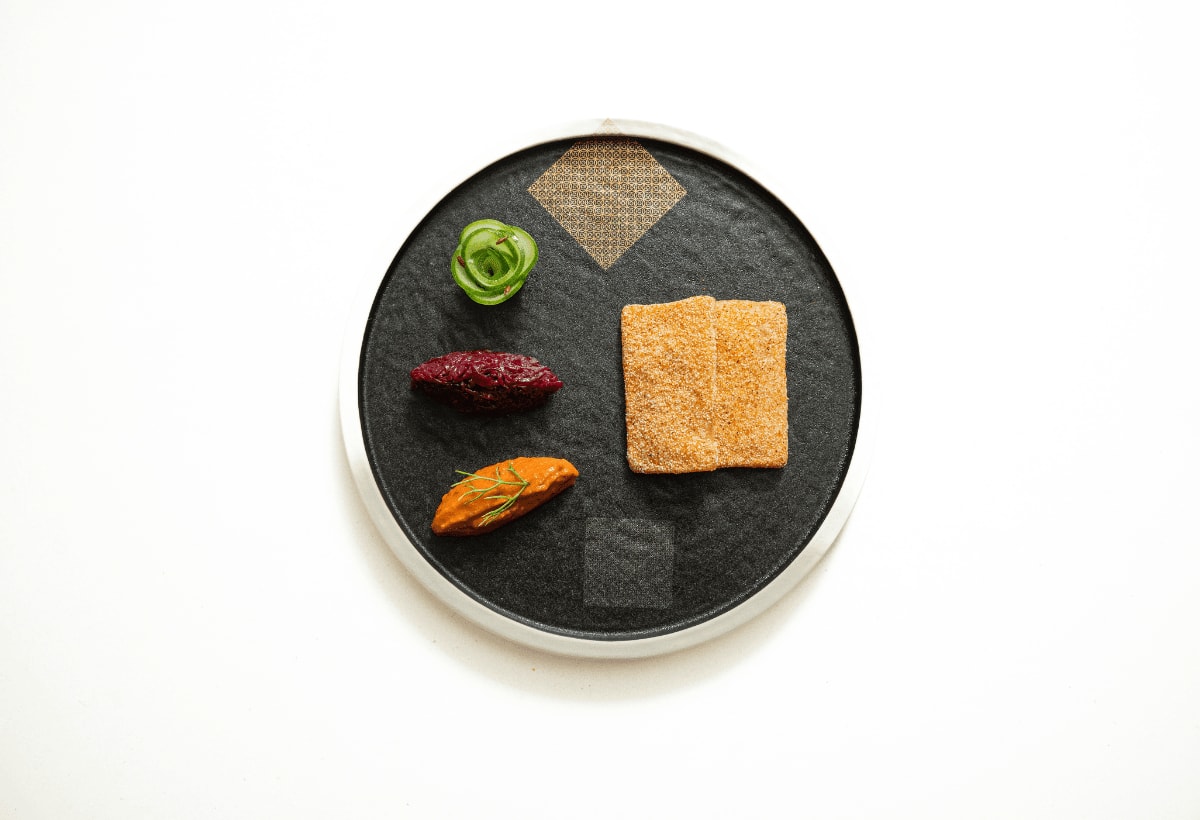
The first course is sweet, unexpected and slightly confusing, as we sit down to Sutras, the restaurant’s new 15-course tasting menu. I had assumed the meal would ease me in with something savoury and crunchy.
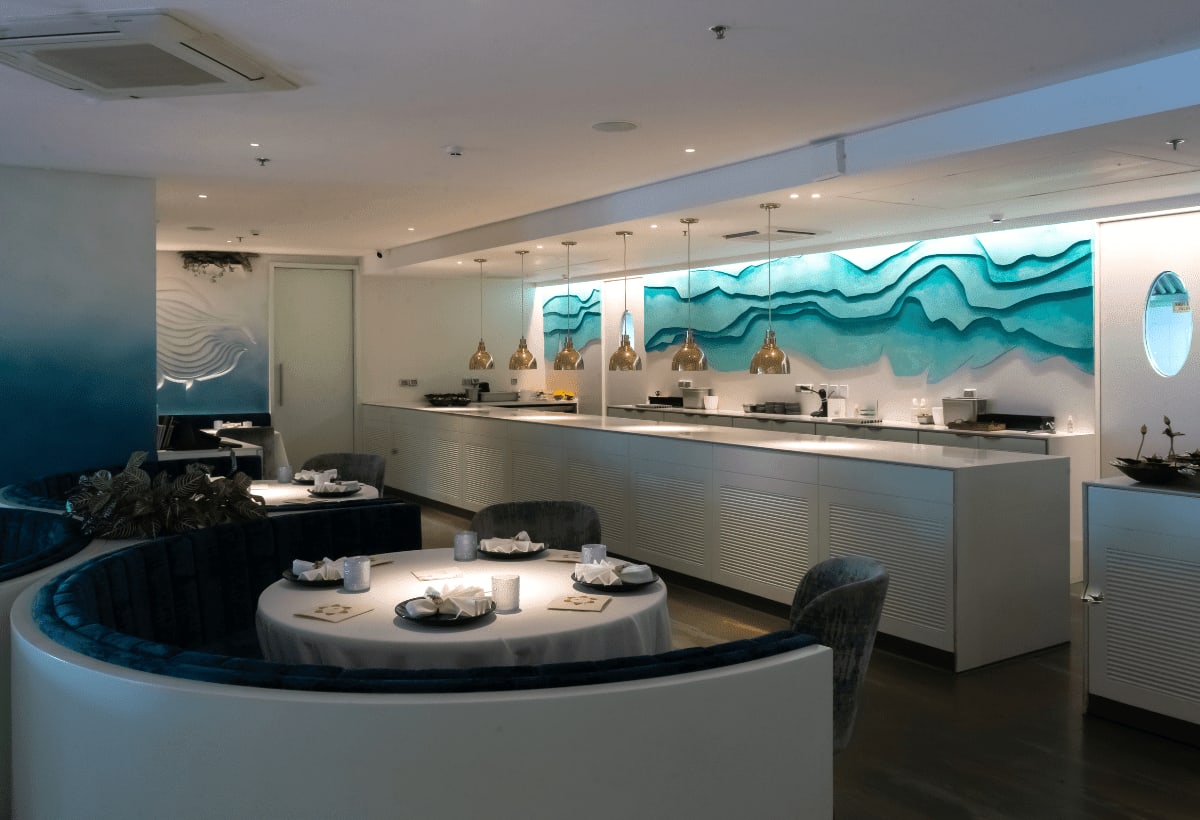
Then comes the ‘Rawa-fried Yam’: the sweet-sour tug of kokum against earthy yam, the sharpness of pickle, the freshness of koshimbir. My palate perks up at these familiar yet playful profiles. Sutras, I realise, isn’t trying to make unfamiliar food familiar! It takes food you already know and makes you look at it differently.
The Rules Loosen As We Progress
I’ve eaten at Avatara before, when its cooking was closely defined by its sattvik philosophy and the absence of onion and garlic. There was something admirable about that discipline; Sutras feels like that boundary has been pushed outward.
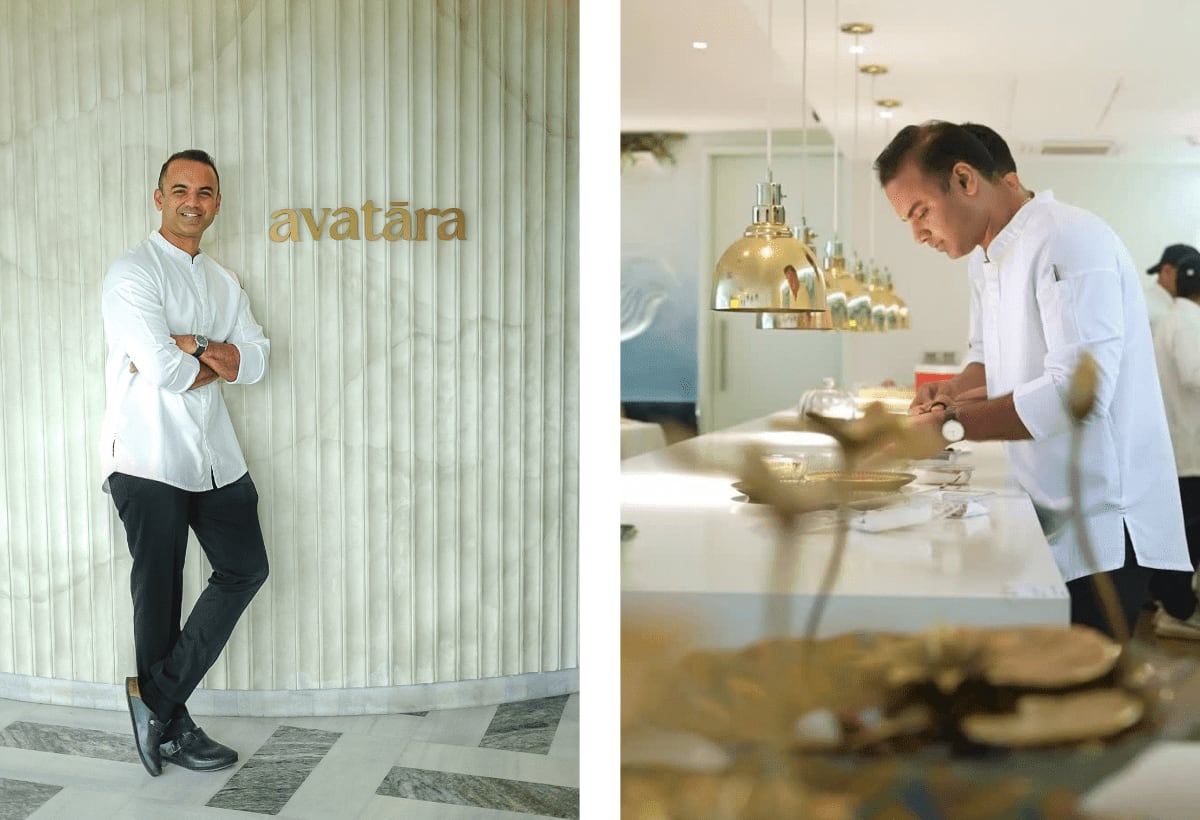
Chef Sanket Joshi explains the shift - “The transition to Sutras allowed us to explore Pan-India culinary traditions, where we could unlock tremendous creative freedom…” The thinking is now to look at regional Indian flavour bases while accommodating a broader range of diners. Instead of asking how vegetarian food can stand in for meat, the kitchen deciphers how much of India’s culinary vocabulary can be expressed through vegetables.
That is where the name Sutras starts to make sense. The menu speaks of threads connecting ingredients, techniques, traditions and communities across India. What interested me more was how those connections appeared through recognition — a taste from one part of the country meeting an ingrained technique from another.
Nihari, Without The Meat
The dish that best crystallised that for me was the ‘Artichoke Kulcha’: Jerusalem artichoke, jackfruit Nihari and baked kulcha. Nihari is difficult to reinterpret because so much of what defines it is not simply the spice profile. It is time, depth, and a slow-cooked broth that becomes darker, richer, and more viscous.
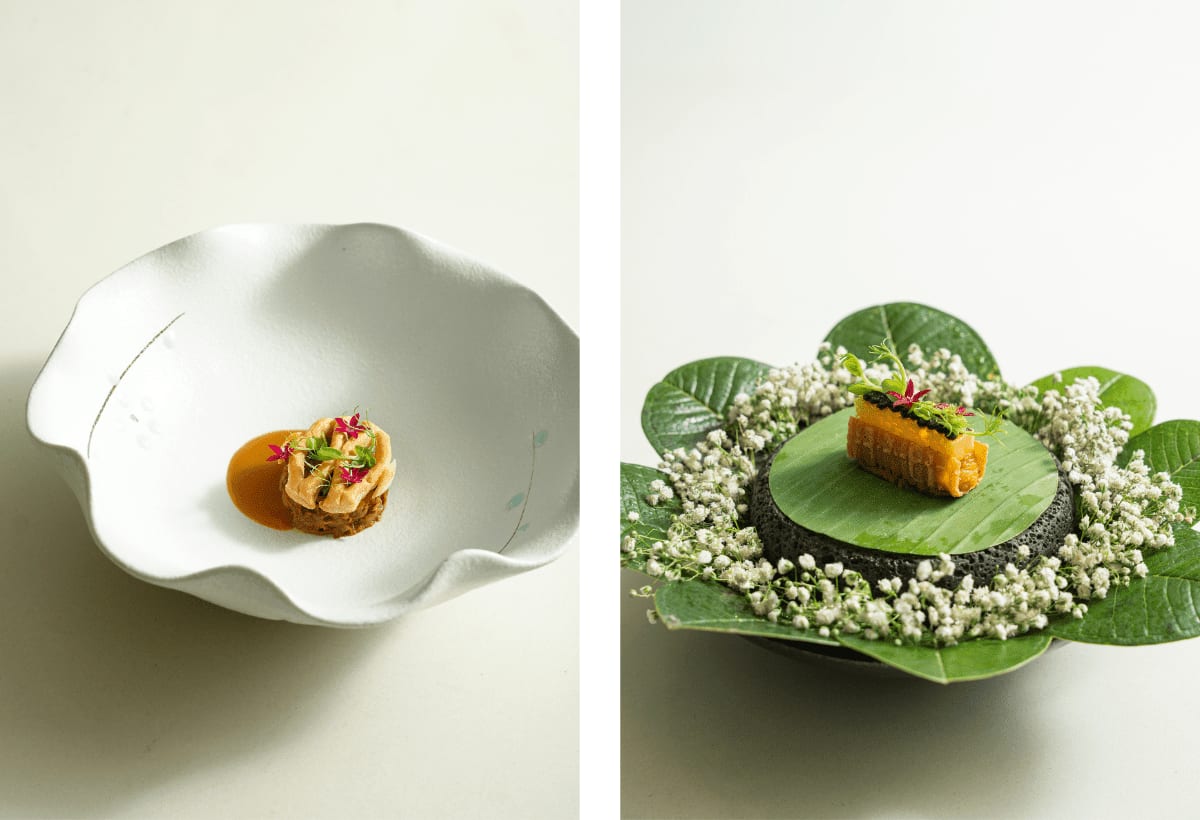
My brother and sister-in-law are vegetarian, and neither has ever eaten Nihari. Watching them taste this version made the course unexpectedly personal.
Sanket’s answer explains the depth: “The depth is created by a complex blend of roasted aromatic spices like fennel, star anise, mace, nutmeg, green and black cardamom, black pepper, along with caramelized onions and a golden roasted gram flour mix, which adds a silky-smooth mouthfeel.” The stock begins with onions caramelised in mustard oil and ginger-garlic paste; the jackfruit is marinated with powdered spices and braised with the house Nihari blend for a minimum of four hours.
That is not a token vegetarian substitution. It is a serious attempt to recreate the architecture of the dish, and it worked because the cooking had a layered depth.
The Familiar Territories Of India
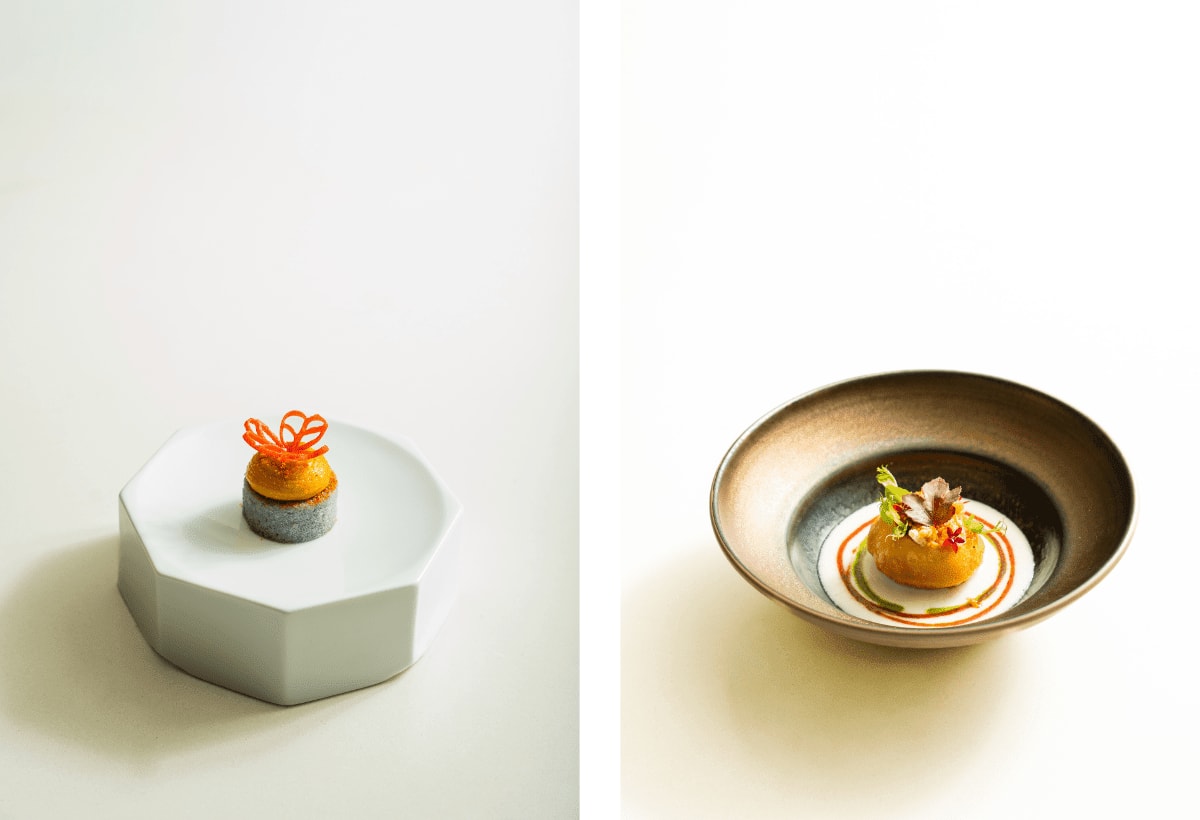
By then, I had stopped looking for what these dishes were standing in for and started paying attention to their details. ‘Black Rice Idli’ comes with yellow ghee roast and podi; the ‘Kachori’ with ker sangri, fig and tamarind chutney and yoghurt; a moreish ‘Railway Curry’ with eggplant bharta and an elaichi banana bun; and, further east, ‘Khasi Curry Rice’ with akhuni salsa and daikon-wakame salad. The ‘Pani Puri’ with passion-fruit sorbet, strawberry and masala boondi was a clean segue into the mains.
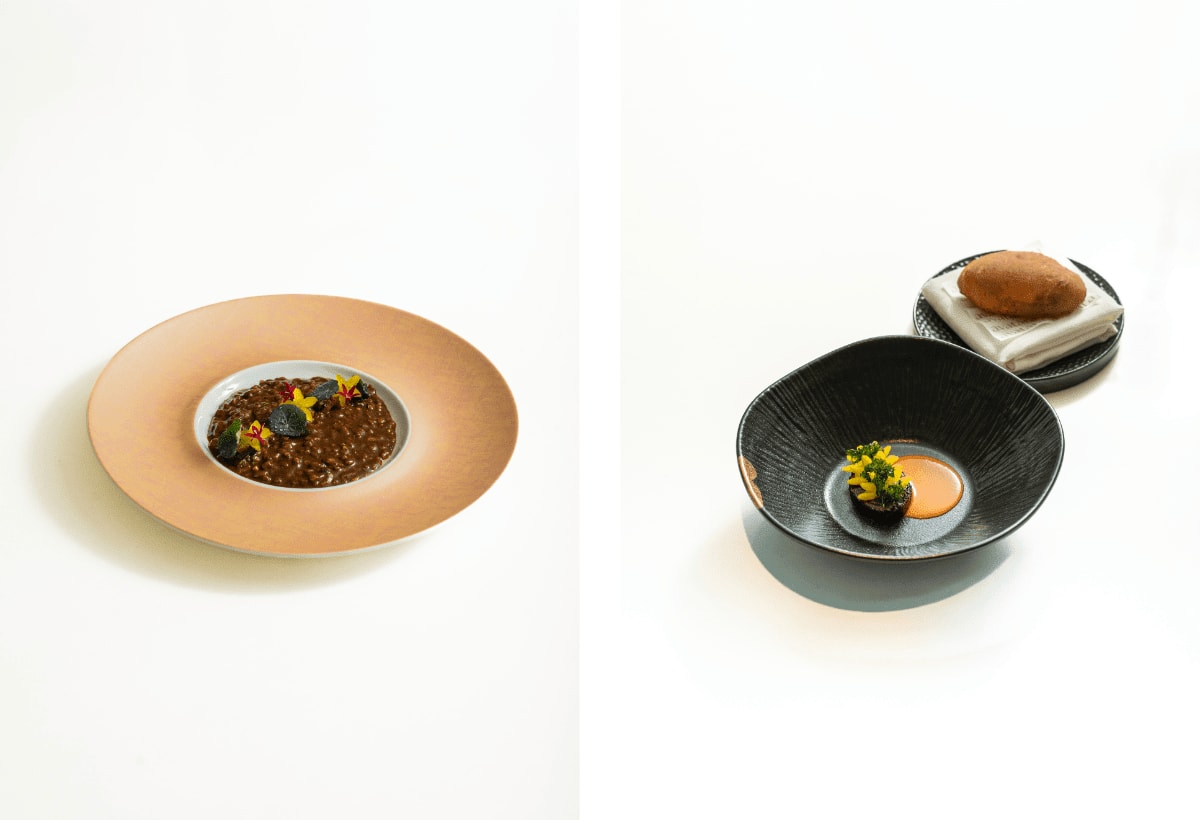
The menu doesn’t succeed because it ticks off regions, but because it keeps you engaged in recognising the familiarity of the dishes. A kachori still feels like a kachori. Pani puri still triggers an excitable hunger pang for more. The desserts move from ‘Sheer Khurma’ to the famed menu staple ‘Bal Mithai’, before ending with ‘Paan’ — chocolate balls filled with an aromatic paan filling which gushes as you bite in.
The Bar is Set High With Low ABV Tipples
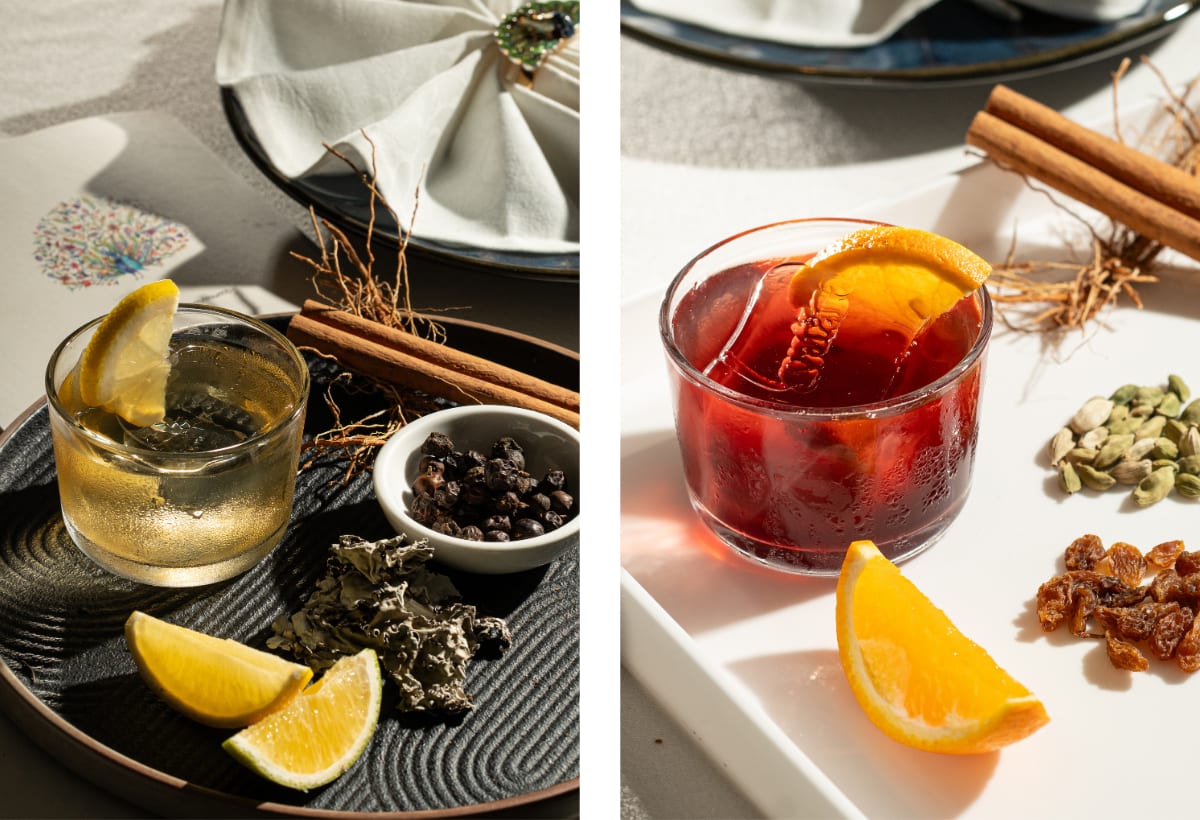
The drinks programme is not an afterthought. The Mudra Wine Cocktails, which use wine and regional ingredients to interpret different Indian mudras, are low-ABV and impeccably well-made. The ‘Sunfire Breeze’ (13% ABV), made with Chenin Blanc, green chilli, mint, kokum agal and coconut milk, is clarified into a surprisingly light drink whilst ‘Liquid Fortune’ (11% ABV), made with a refreshing Riesling, espresso, coffee-chocolate cordial and salted caramel, takes the richer, more indulgent route.
The Zero ABV programme is structured around the seven days of the week, while the Lemonades & Spritzers are seeped with nostalgia. ‘Serenity Pause’, an in-house cola with soda and vanilla swirl, says it all. My brother tasted it and immediately called it a ‘Coke Float’. Suddenly, after several courses of fine dining, we were talking about being children.
Girish Hajare, Assistant Bar Manager at Avatara, puts the philosophy neatly: “The idea is not to change the memory, but to bring it back in a different form.” That extends to the house vermouths, made with Indian wines and regional botanicals. The collection draws on regional ingredients and landscapes, including the Sahyadris, Deccan Plateau, Himalayan valleys and Nilgiris.
I admit I was initially sceptical. Why make another vermouth when there are already so many good ones? Then I tasted them. They were balanced enough to feel like vermouth first, but the herbs, spices, fruits and flowers gave them a sense of place. I even asked for a Negroni off-menu. They made one, and I couldn’t tell the difference. For me, that was more convincing than being told the drinks were innovative.
When The Menu Gets A Little Too Busy
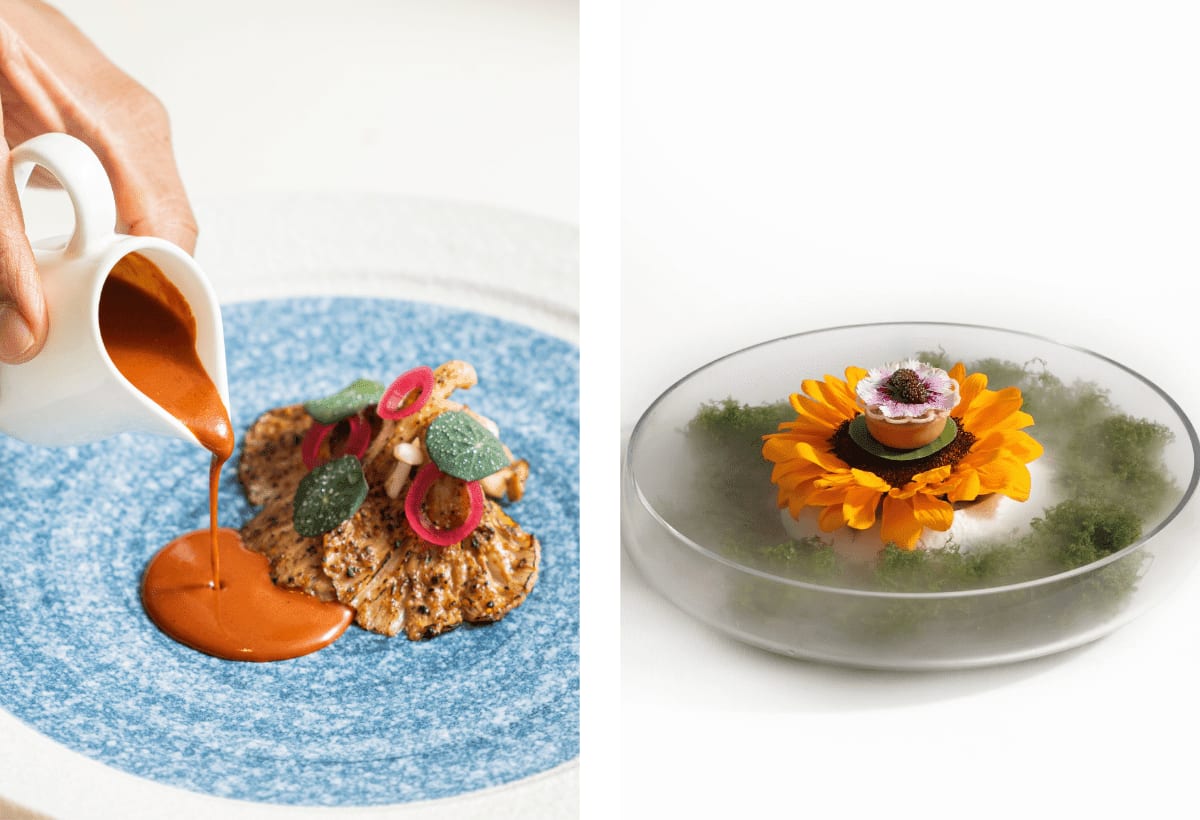
There are moments when Avatara seems to feel the need to explain its dishes at length. After 15 courses, I’d rather have a conversation about what I’m eating than a dissertation before every bite.
The meal itself didn’t feel overly long—two hours felt fair. It’s the mediation around some of it that could be lighter. Sutras is at its strongest when it puts something in front of you and lets you discover the connection for yourself.
Should You Go?
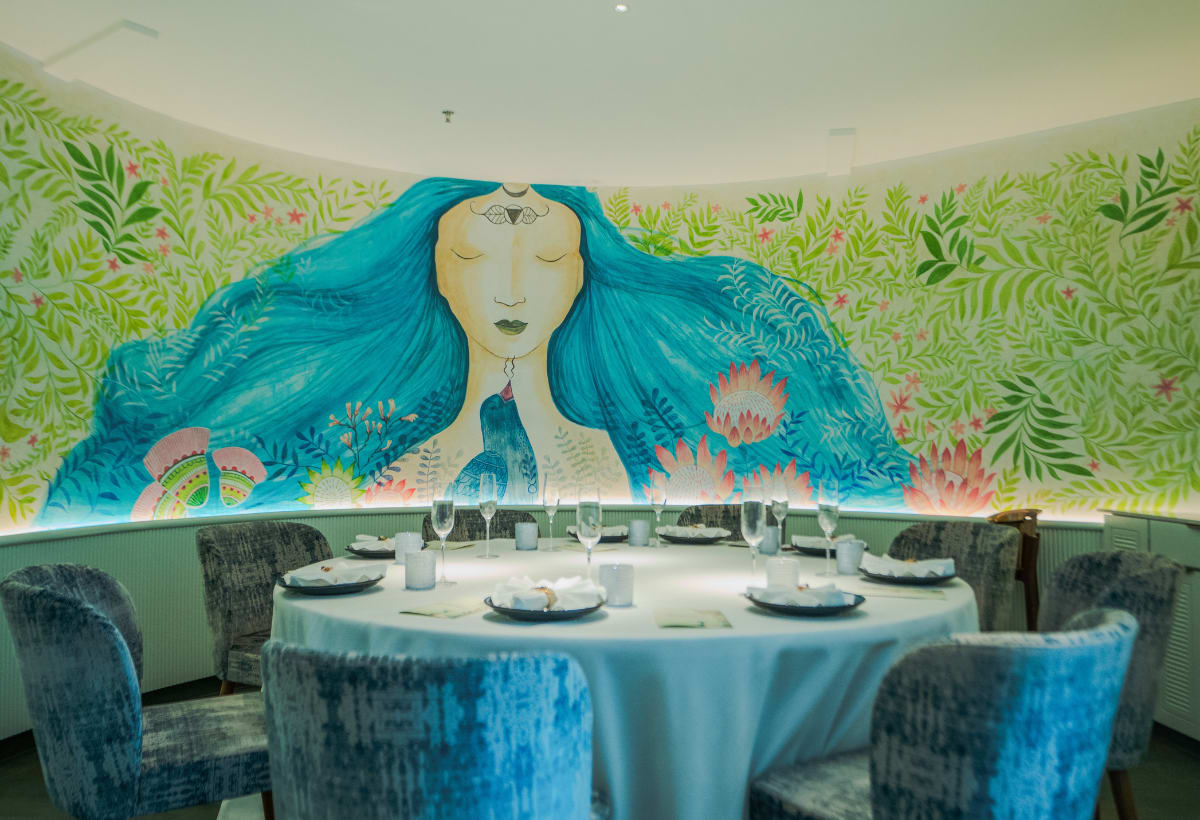
I wouldn’t go to Avatara expecting a vegetarian restaurant in the conventional sense. I would go expecting to eat Indian food that happens to be vegetarian. That, ultimately, is what has changed.
Joshi puts it plainly, “The ambition has clearly evolved from simply trying to prove that vegetarian food can stand alongside non-vegetarian fare… the clear vision is to showcase the depth, breadth and soulful Indian food through modern vegetarian cooking.” That is the more interesting proposition.
Avatara doesn’t need to hide the word vegetarian, nor should it. It is part of the restaurant’s identity and its mission to change how Indian vegetarian food is perceived.
After our meal, I left thinking about the abundance of Indian vegetarian food. It doesn’t need to imitate the other half of the menu. It has an entire world of its own.
Getting There:
Address: 7th Floor, Krishna Curve Building, Juhu Tara Road, Opp. Juhu Garden, Santacruz West, Mumbai 400054.
Cost: INR 5,500 per person for the Sutras tasting menu, plus 7% service charge and applicable government taxes. International Wine Pairing INR 5500++ | Indian Wine Pairing INR 3000++
Timings: Lunch: 12 PM–4 PM; Dinner: 7 PM–11 PM. The current reservation policy lists dinner seatings at 7 PM and 9:30 PM and requests reservations in advance.
Booking: Reservations are recommended; Avatara’s policy says cancellations should be made at least 24 hours in advance.