First impressions are everything. As I landed in Phnom Penh, my senses were immediately captivated by the natural light streaming through the ceiling of the brand-new Techo International Airport, designed by the renowned architectural firm Foster + Partners. It is a showcase of sustainable design, surpassing many airports I have visited in recent years.
Phnom Penh, the capital of Cambodia, sits at the confluence of the Tonlé Sap, Bassac, and Mekong rivers. For many years, it was overlooked by travellers, serving mainly as a transit point en route to Siem Reap and the temples of Angkor Wat. But that is rapidly changing. As Phnom Penh reinvents itself, a wave of luxury hotel openings, stylish bars, and innovative restaurants is transforming the city into a destination in its own right.
Day 1: Arriving At an Urban Retreat That Shapes The City's Skyline.
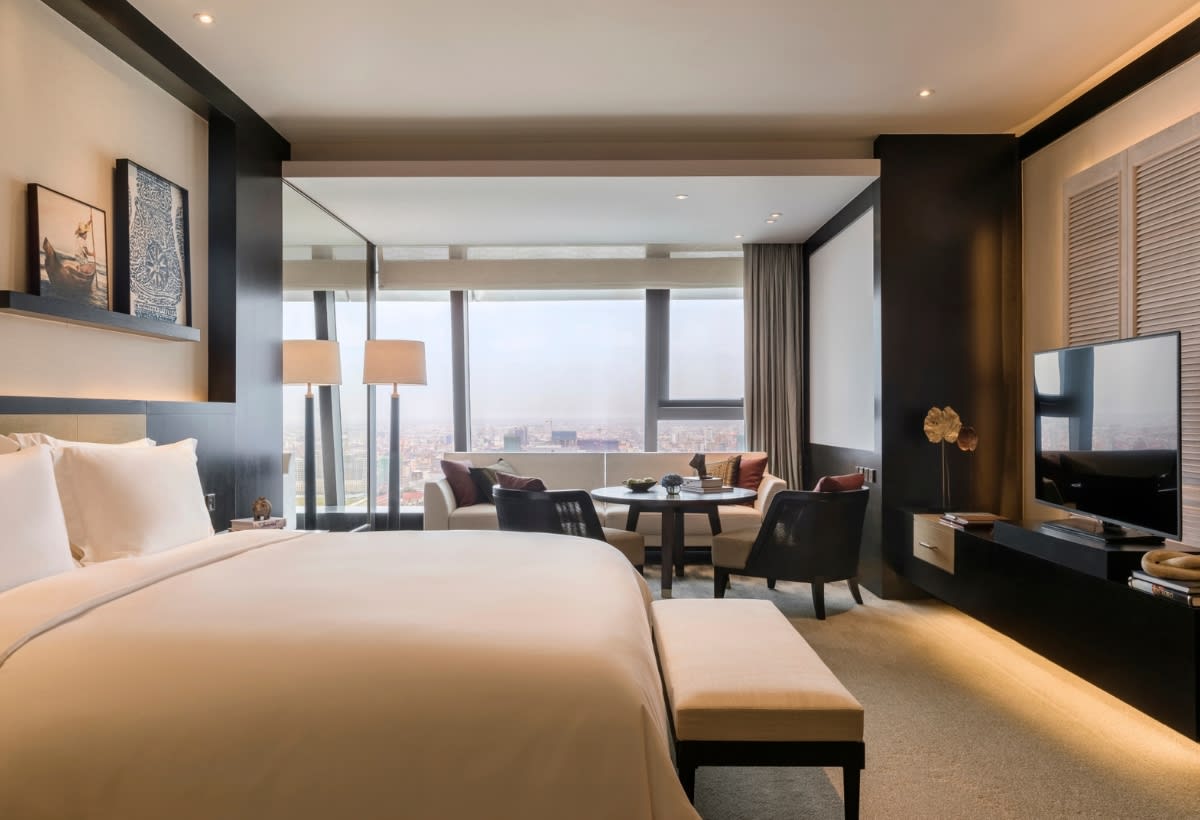
I drove from the airport to my hotel, Rosewood Phnom Penh, occupying 14 floors of the glass steel Vatanac Capital Tower. The check-in was unusual as I was whisked to the 35th floor, which was the lobby. I loved the steel wire art installations, as well as colourful artworks around me, including one of the monkey god Hanuman at the foyer. My spacious room with floor-to-ceiling glass windows had a view of the city from its high-rise buildings to its parks and palaces. I took a nap and headed straight to the spa on Level 33 for a rejuvenating Khmer massage, which combined deep breathing, stretching and kneading to totally relax my muscles.
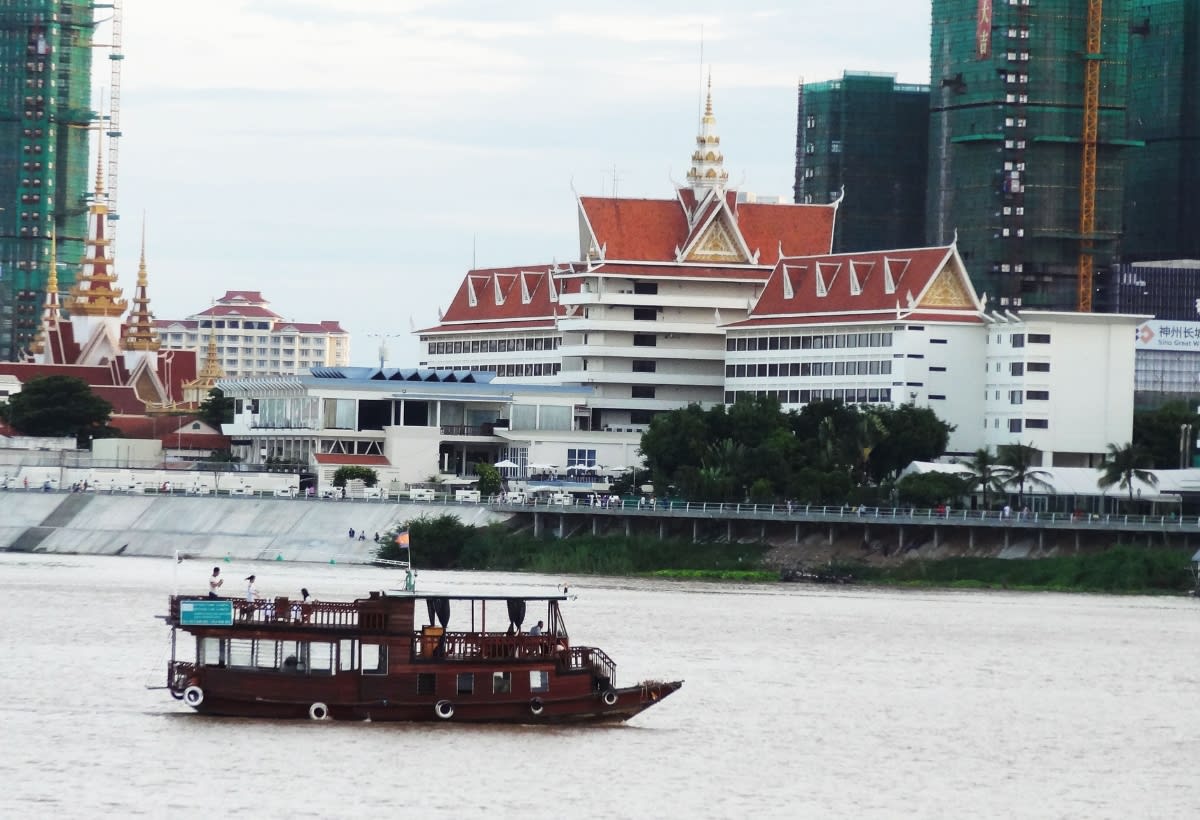
Come evening, I walked along the Tonlé Sap riverfront, which is the city's social heartbeat. Locals walked with their families along Sisowath Quay, and tourists like me enjoyed a sunset cruise on the Mekong, passing fishing boats, ferries and getting fabulous shots of the city’s skyline.
Day 2: Temples, Markets and A Walk Through Cambodia's Recent History
As the sun rose, I tucked into a lavish breakfast at the Brasserie Louis restaurant and was ready for my remork tour of the city. This used to be the traditional mode of transport that had a trailer with a motorbike attached to it, till it gave way to the tuk-tuks of today.
Our first stop was a little shrine with the statue of Lady Penh, a wealthy widow who is said to have found bronze Buddha statues in the hollow of a floating branch and formed Phnom Penh in the year 1372. To properly house these sacred artefacts, she got the support of local people to build a man-made hill (phnom) on her property.
We visit the holy Wat Phnom, next to the statue, surrounded by lush gardens. I climbed an ornamental Naga Staircase to the temple and entered the main Vihara, a meditative space, to see Buddha statues of all sizes and exquisite murals from the Jataka tales on the walls.
The National Library, a French colonial building from 1924, is a throwback to the colonial era, where locals sat under whirring ceiling fans and read books and magazines. In the 1970s, the Khmer Rouge destroyed much of the precious literature here, and it was closed. It was in the 80s that the library was reopened, and it is today still a favourite place for the locals.
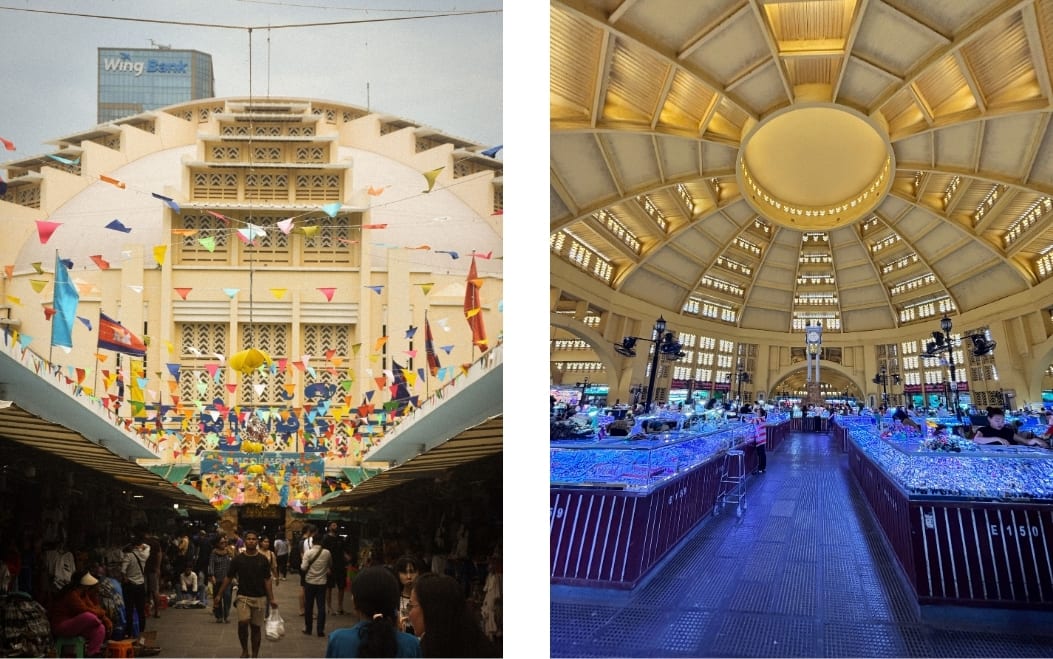
Our morning excursion ended at the gargantuan Central Market, built in 1937 during the French era with its fusion of French Art Deco and Khmer temple motifs, with a large mustard dome and four wings, keeping the market cool even on the hottest day. Inside, I saw stalls selling everything from gemstones and watches to clothes, fabric and souvenirs. I grabbed an iced coffee and browsed the stalls, interacting with the friendly shopkeepers.
Our dinner that night was at the charming Pisa Khmer restaurant, with exposed brick walls and mahogany tables, near the lively old Market, where Chef Sothea Seng gives a twist to Cambodian Classics using fresh produce. I feasted on a crunchy heart of palm salad, a pumpkin soup with truffle and seaweed and a delicious Lok Lak tofu with tomato and mushroom.
Day 3: Connecting With Khmer Heritage
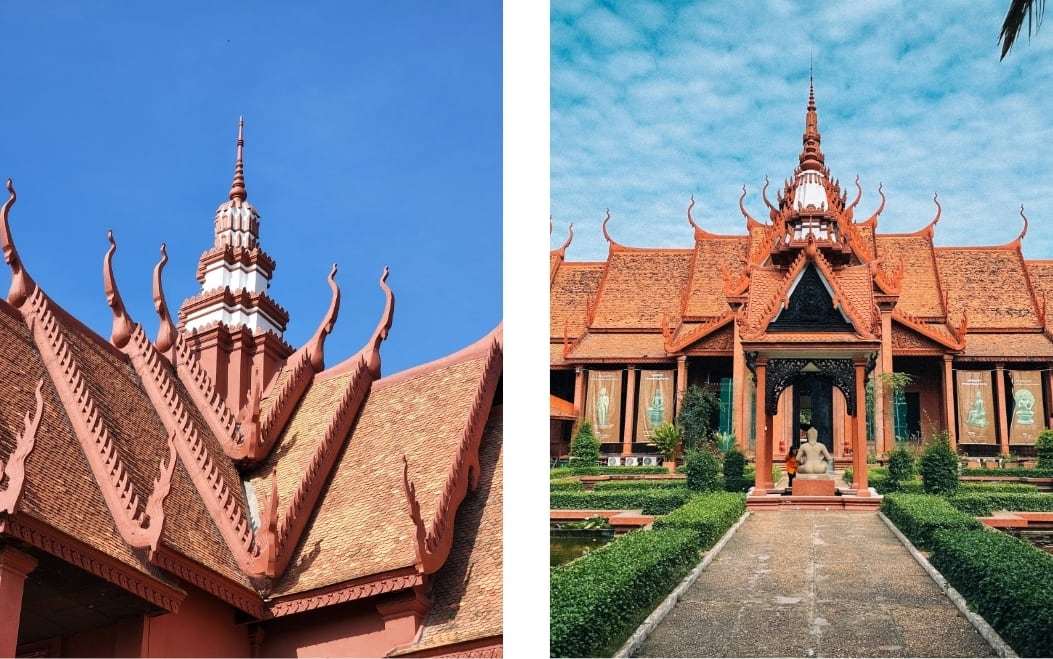
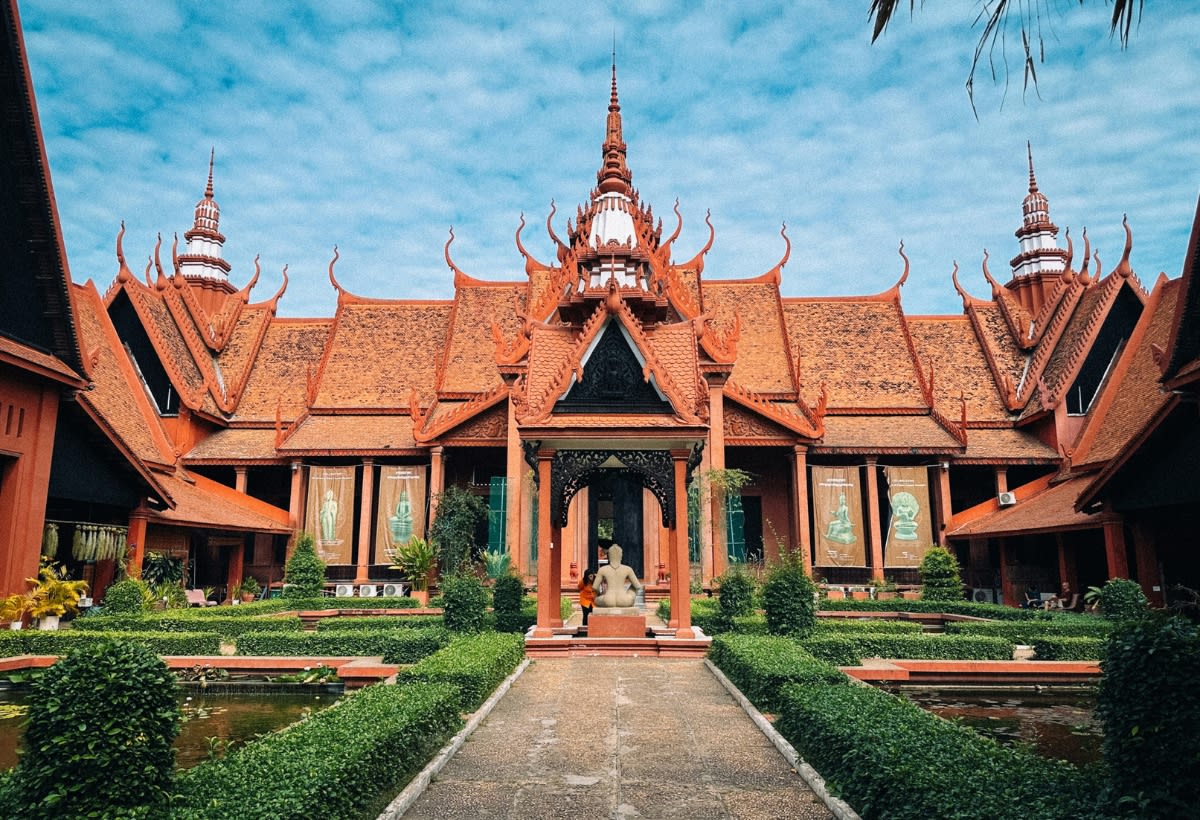
I started the day with a tuk-tuk ride to the National Museum, which houses one of the largest collections of Khmer art and artefacts spanning centuries. The terracotta red building with its multi-tiered wooden roof is itself a showstopper inspired by the Khmer architectural style of palaces and temples. Four galleries surround a central courtyard with a lotus pond.
Walking through the galleries of the museum was a sensory feast, with so many Indian connections with statues of Garuda and Vishnu, bronze and stone sculptures and intricately carved doorways from temples. One section was devoted to textiles, musical instruments, and ritual objects from Cambodia's diverse ethnic groups.
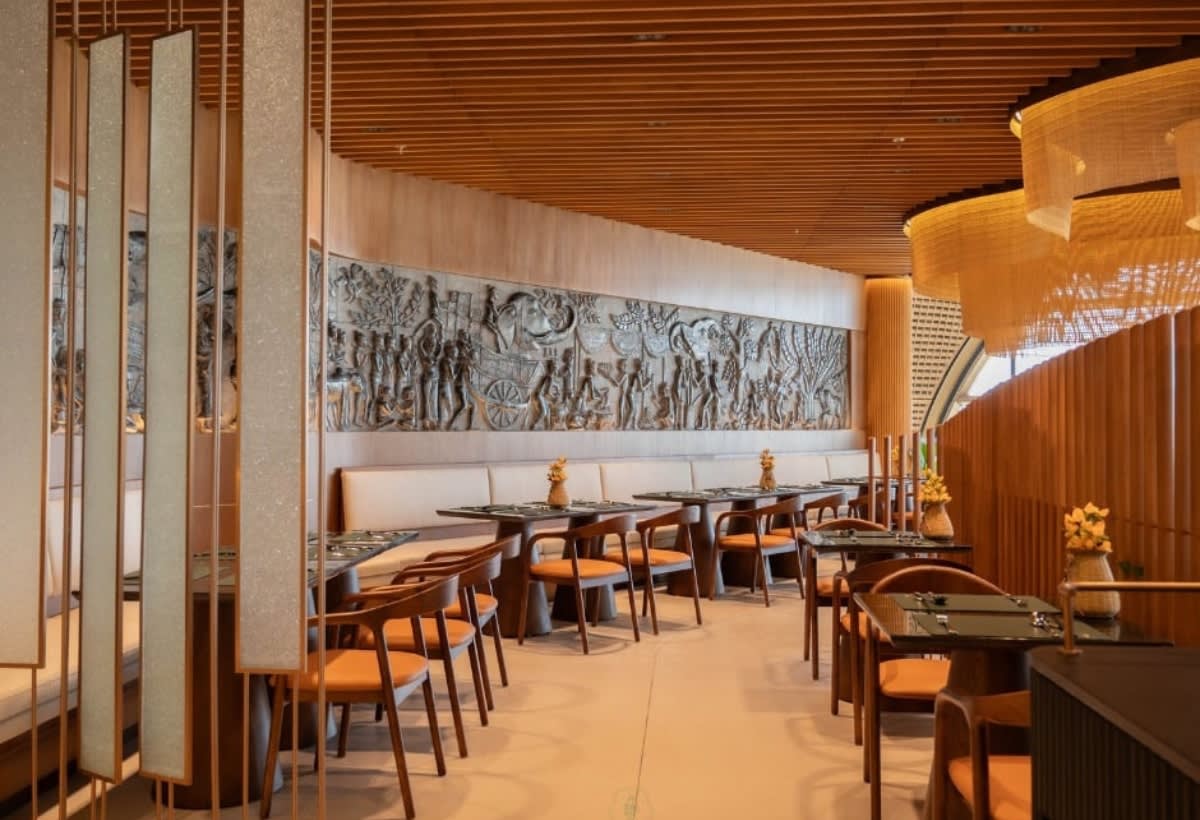
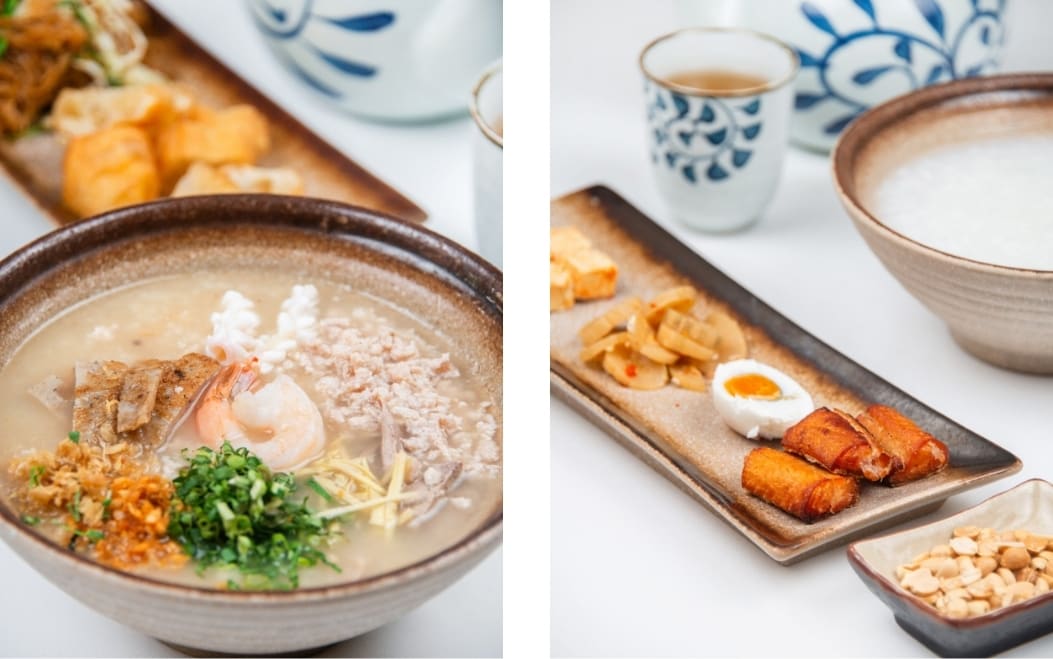
Come evening, I arrived at Malis, a legendary local restaurant that served Khmer food in a bewitching ambience. The restaurant's chef, Luu Meng, had travelled throughout Cambodia for six months and collected traditional recipes, which he now presents with farm-sourced ingredients and modern cooking techniques. Local musicians played stringed instruments, and fountains and greenery made it a sensory feast.
Day 4: From Royal Palaces to Nightlife Districts
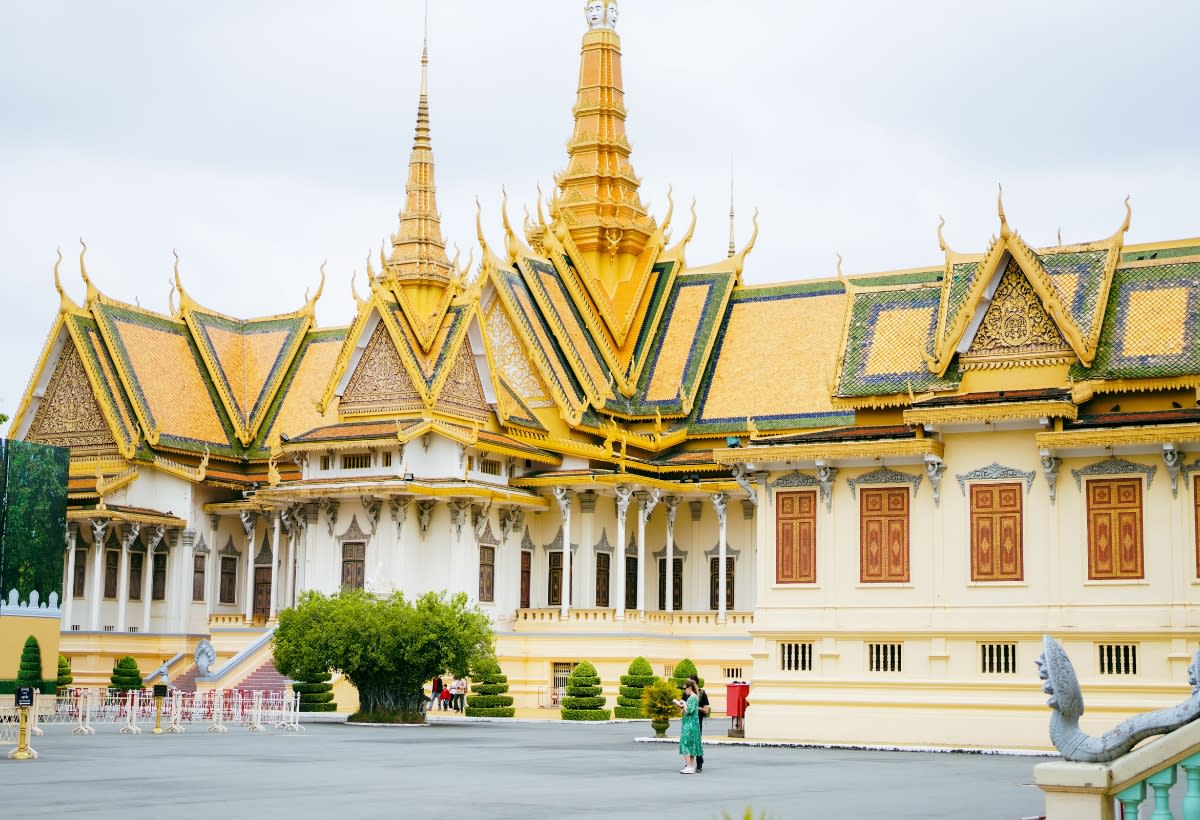
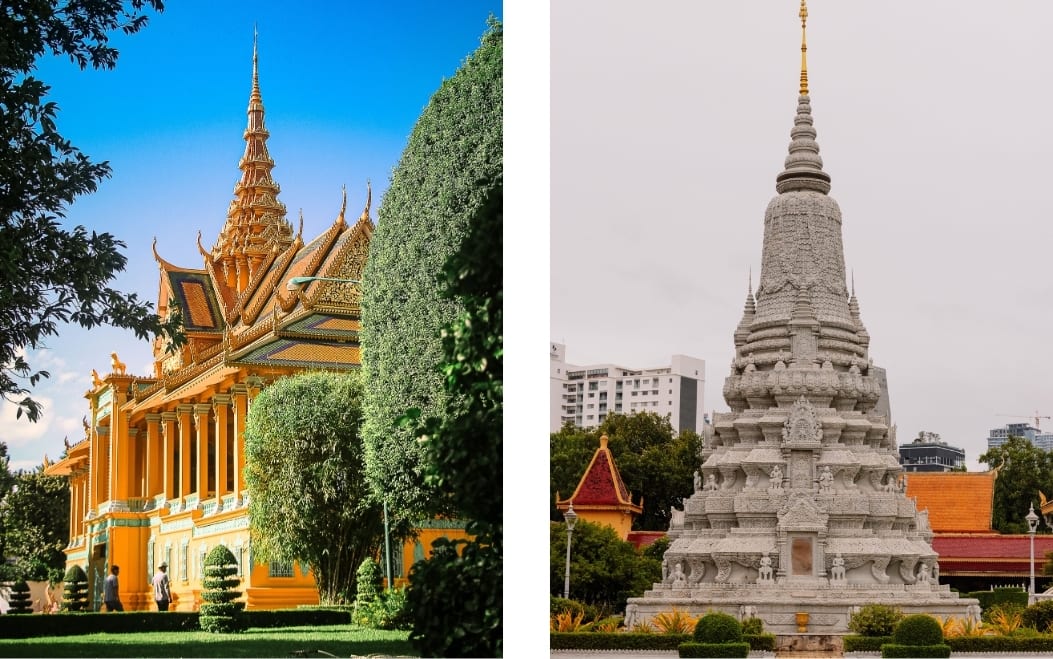
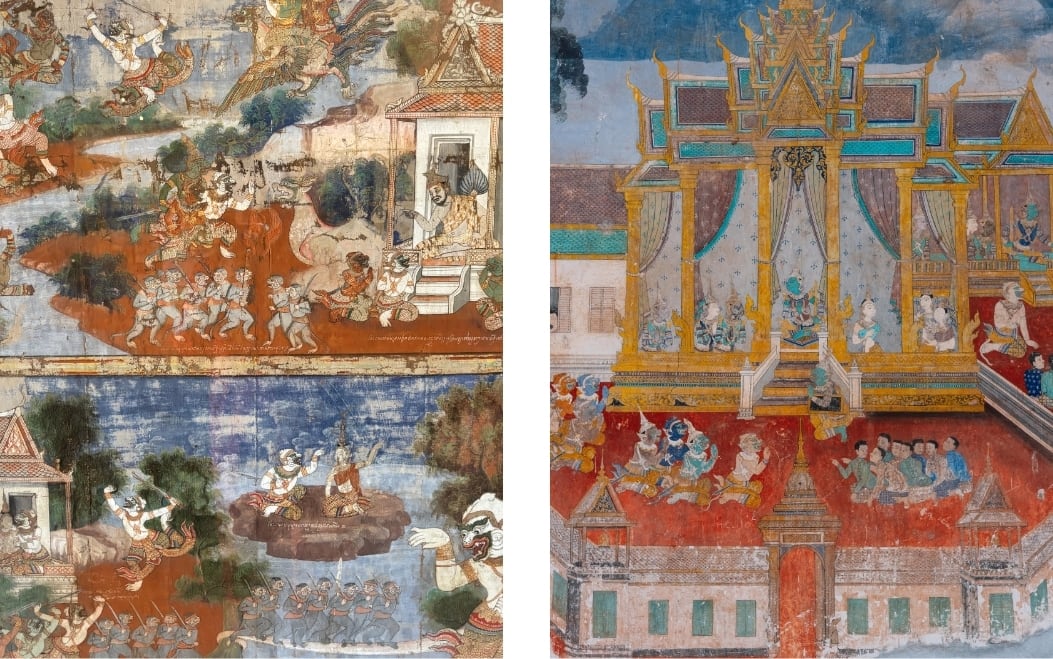
After a hearty breakfast, I head to the iconic Royal Palace, which is the official residence of the King of Cambodia and dates to the 1870s. This is a series of buildings inside a large compound, with sprawling murals on walls, some of which are open to the public. The Silver Pagoda was the showstopper here with as many as 5000 silver tiles, a crystal Buddha and a Maitreyi Buddha encrusted with more than 9000 diamonds! The walls surrounding the Pagoda were covered with murals depicting the Reamker, a traditional Cambodian epic poem based on the Sanskrit Ramayana. I loved the ceiling frescoes in the Throne Hall, with its ornate gold-tiled roof, which is still used for official ceremonies like coronations, royal weddings and receiving important guests. I rested my tired feet on the lawns outside, where locals fed pigeons, and children ran across the grass with kites.
After the heady beauty of the palace, I made my way to Street 240, a shaded avenue just behind the palace, with boutiques and eateries housed in old French colonial buildings. I browsed through art galleries that sold the work of local artists, and fair-trade shops that displayed rich textiles and clothes.
That evening, I took a tuk-tuk to Bassac Lane, the centre of nightlife in the city, with stylish cocktail bars and cosy restaurants on a crowded stretch. I enjoy the cool laidback at Hub Street Cocktails, and snacks, just off the main tourist thoroughfare of Bassac Street. With the sound of live music spilling onto the street, this started as a portable bar that once operated from a tuk-tuk.
Day 5: Capping the Night at One of Asia's 50 Best Bars
On my last day in the city, I visited the Tuol Seng Genocide Museum, which used to be a school and was repurposed by the Khmer Rouge as a prison and torture centre, for a deep dive into Phnom Penh’s painful history and tragic past. I took an audio tour which provided the history and context of the Khmer Rouge period, with chilling cells and galleries, with photos of the people, victims and torture devices.
From here, I head to a store called ‘Daughters of Cambodia’, which was founded by Ruth Elliot, a British psychologist, to offer a source of livelihood for those women trapped by sex trafficking and exploitation. From handcrafted earrings to apparel and home décor, this is a great place to pick up a meaningful gift while supporting an important cause.
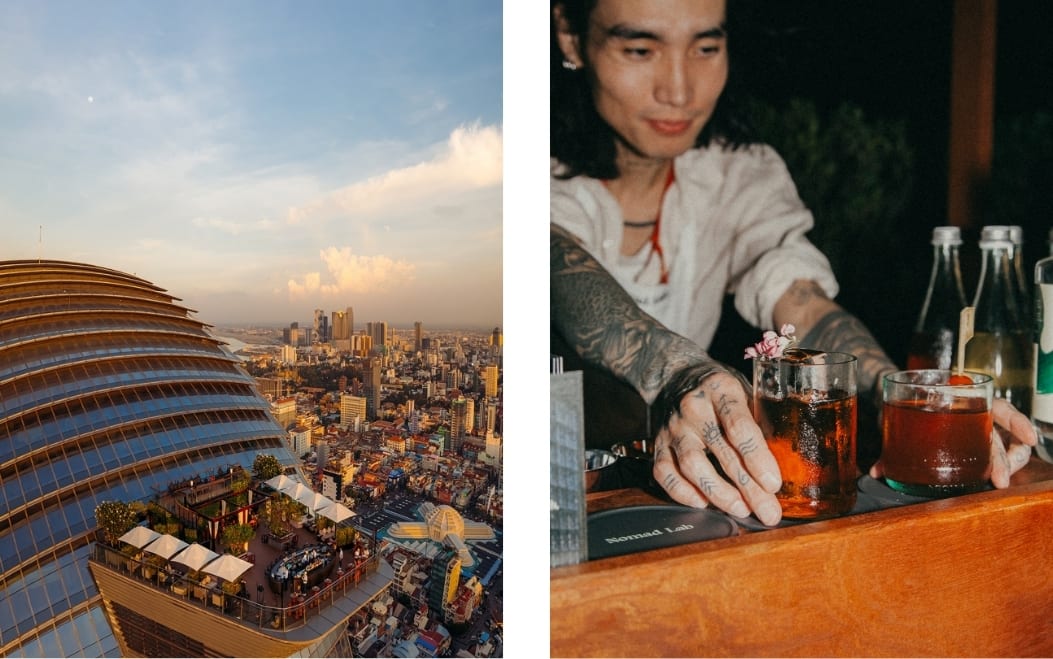
I ended the evening at Sora, Rosewood’s rooftop bar, which has been voted as one of Asia’s 50 best bars, with a Skydeck that offers a spectacular view of the city. The view was spellbinding-a tapestry of golden temple spires, glittering rivers, and an ever-evolving skyline fading into the dusk. As I sipped a finely crafted cocktail and watched the lights flicker on across the city, it struck me that Phnom Penh is a place of remarkable contrasts- resilient yet refined, steeped in history yet confidently embracing the future.