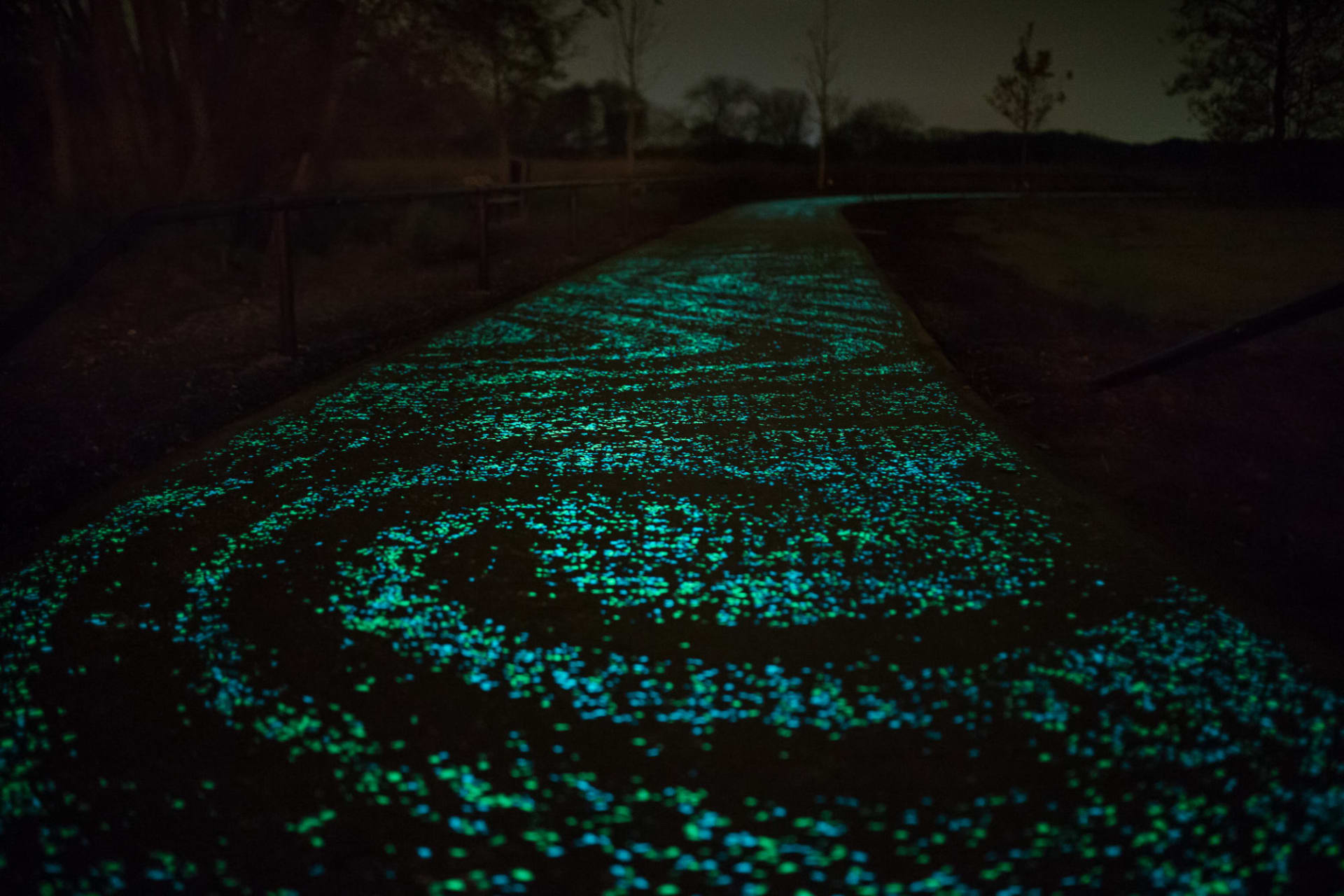
On my recent travels through the Netherlands, I first encountered Vincent van Gogh in Amsterdam, through the extraordinary collection at the Van Gogh Museum, and later, miles away in Brabant, where the landscape of Nuenen offered a very different encounter with the artist. At the museum, Van Gogh exists through his canvases: the vivid colours, restless brushstrokes and intimate glimpses into his life.
In Nuenen, however, his presence feels less tangible yet somehow closer, lingering in the fields, watermills and rural roads that once formed the backdrop to his early work.
Leaving The City Behind
The journey from the city to the countryside felt like a gradual change of pace. Amsterdam’s busy streets gave way to quieter roads, open fields and the gentle landscape of Brabant. And somewhere along the way, Van Gogh seemed to move from being an artist I was looking at in a museum to someone whose world I was beginning to walk into.
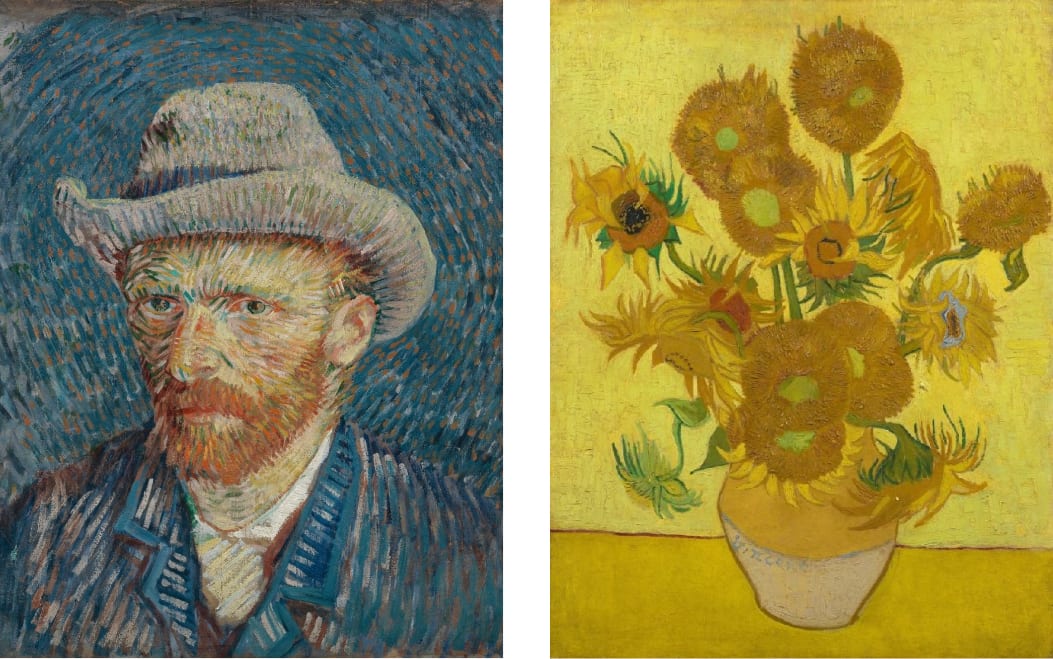
Nuenen is often described as a living Van Gogh landscape, and it’s easy to understand why. The village and its surroundings have around 24 locations connected to Van Gogh, from places where he lived and worked to landscapes and buildings he painted or drew. The Van Gogh Village Museum is a natural starting point, but the experience really opens up once you step outside. There are village and countryside walks that follow in his footsteps, as well as cycling routes through the surrounding landscape.
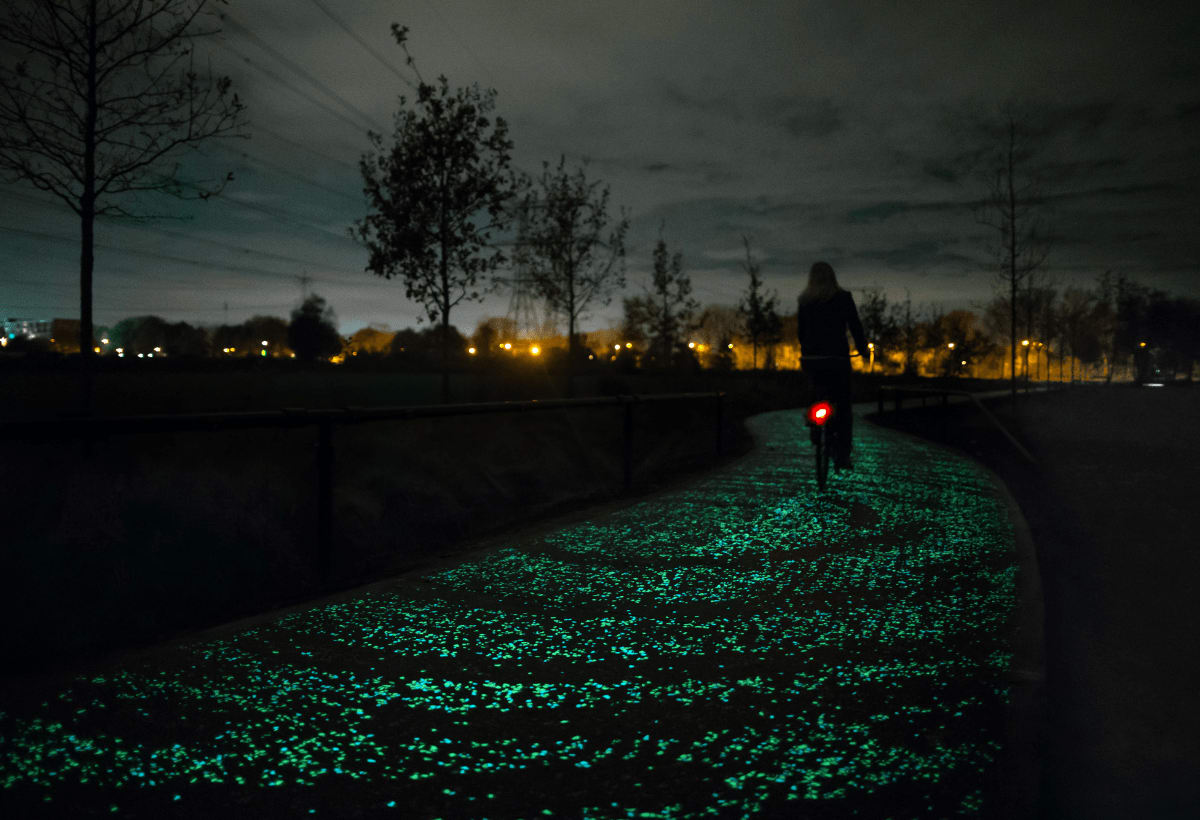
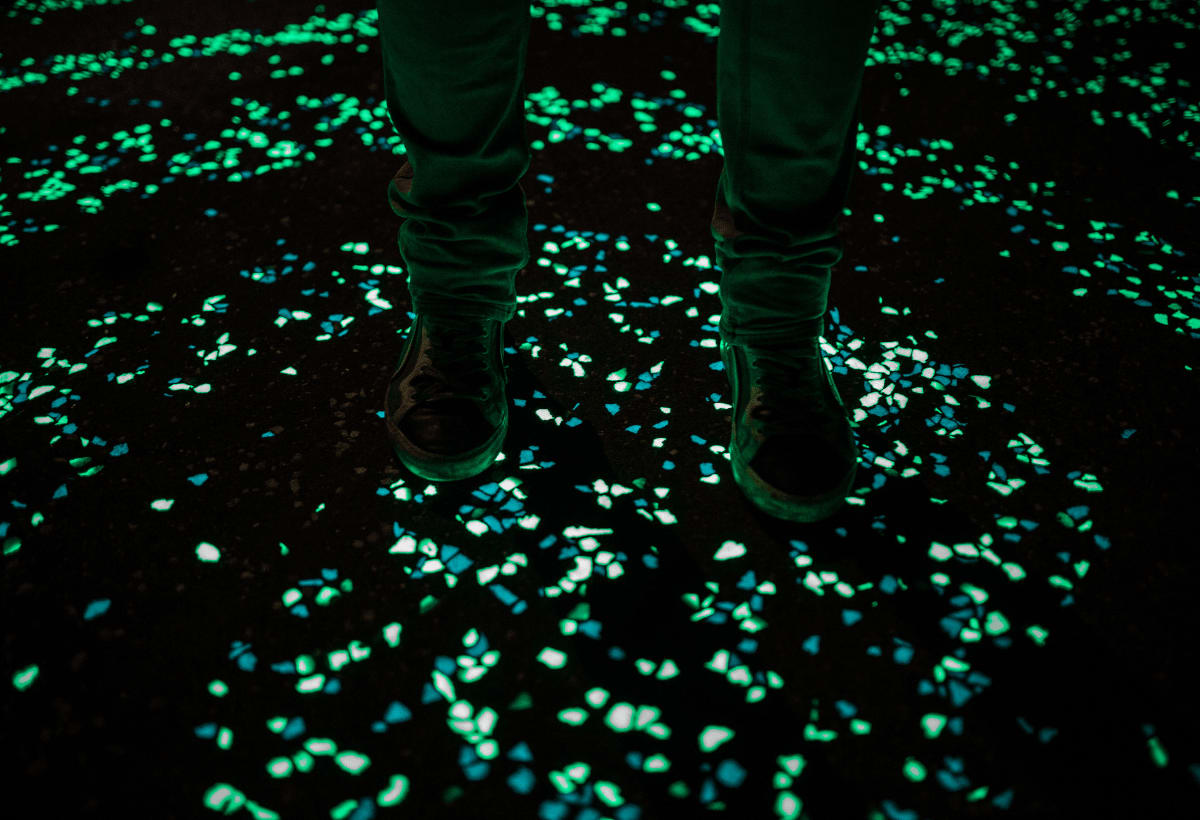
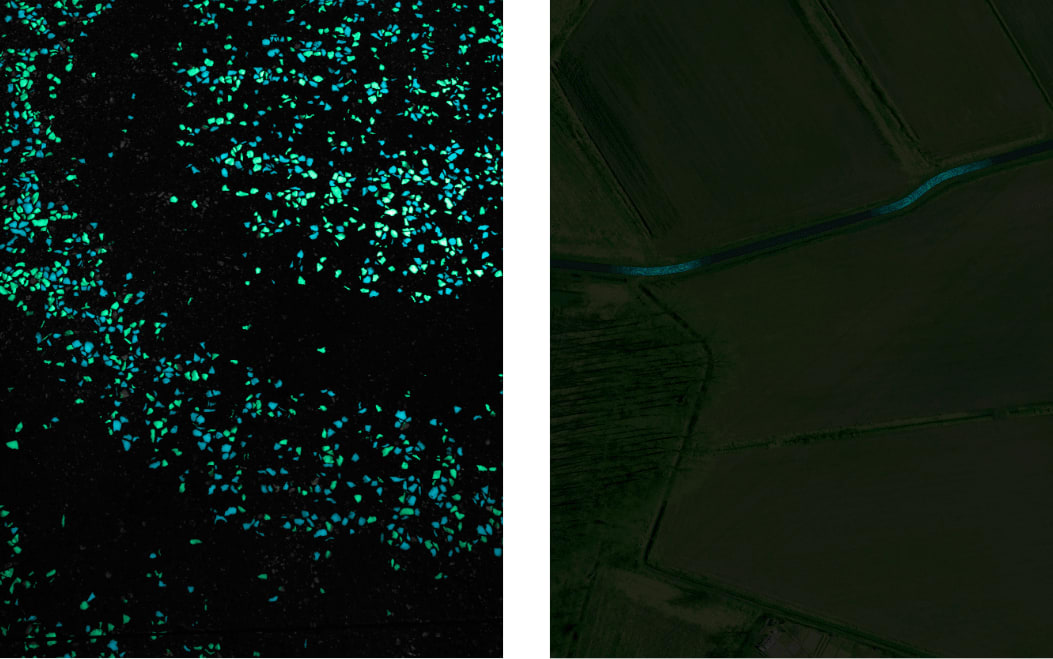
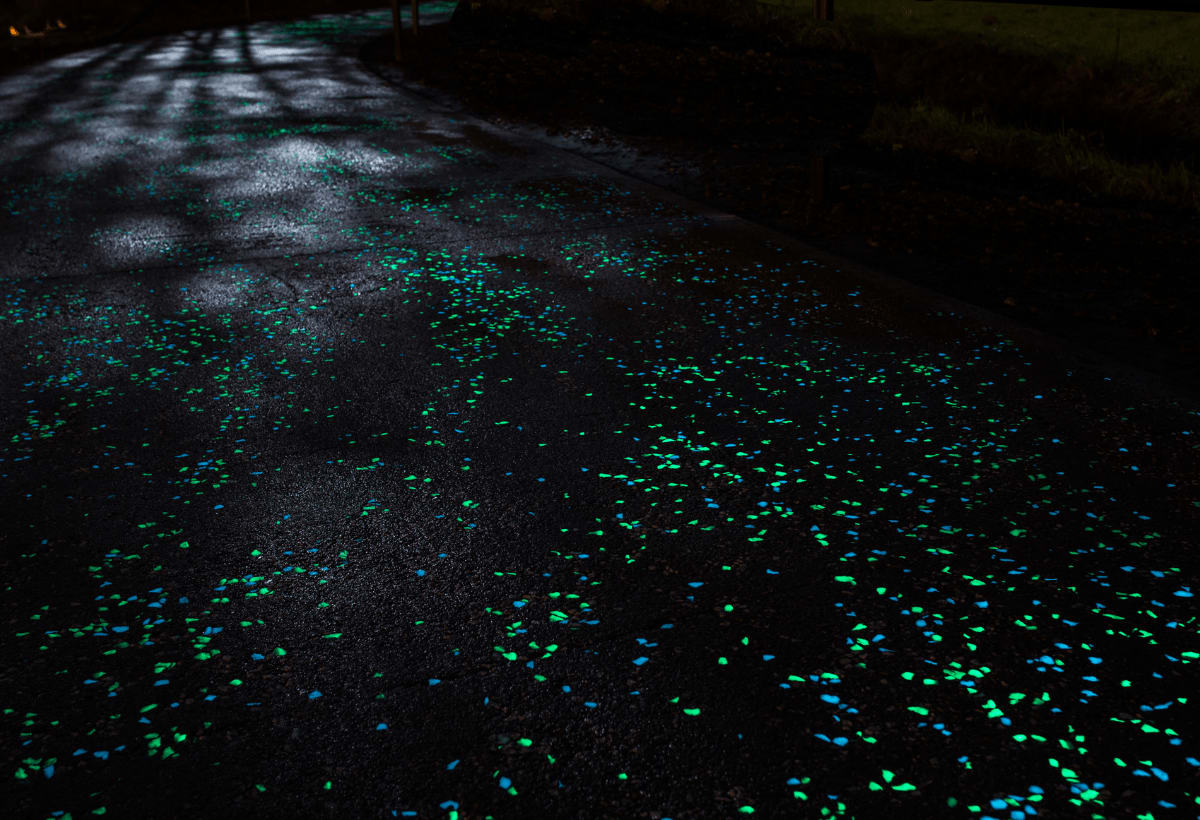
It was here that I discovered the Van Gogh-Roosegaarde Cycle Path, a 600-metre stretch of road between Eindhoven and Nuenen that transforms after sunset. Designed by Dutch artist and innovator Daan Roosegaarde in 2014, the path is embedded with thousands of luminous stones that glow in the darkness, drawing inspiration from Van Gogh’s ‘The Starry Night’.
Stepping Into A Painting By Gogh
The first impression is almost magical. As daylight fades, the road begins to sparkle beneath the bicycle wheels. The lights form swirling patterns, recalling the movement and energy of Van Gogh’s famous night sky. Yet this is not simply a reproduction of a painting laid onto a road. The work invites one to experience Van Gogh through movement. Instead of standing before a canvas, you travel through it!
What makes the experience particularly meaningful is its location. Van Gogh lived in Nuenen from 1883 to 1885, an important and formative period in his artistic life. This was before the vibrant colours and dramatic skies for which he would later become famous. Here, he was deeply drawn to the lives of farmers and labourers and to the quiet rhythms of the Brabant countryside.
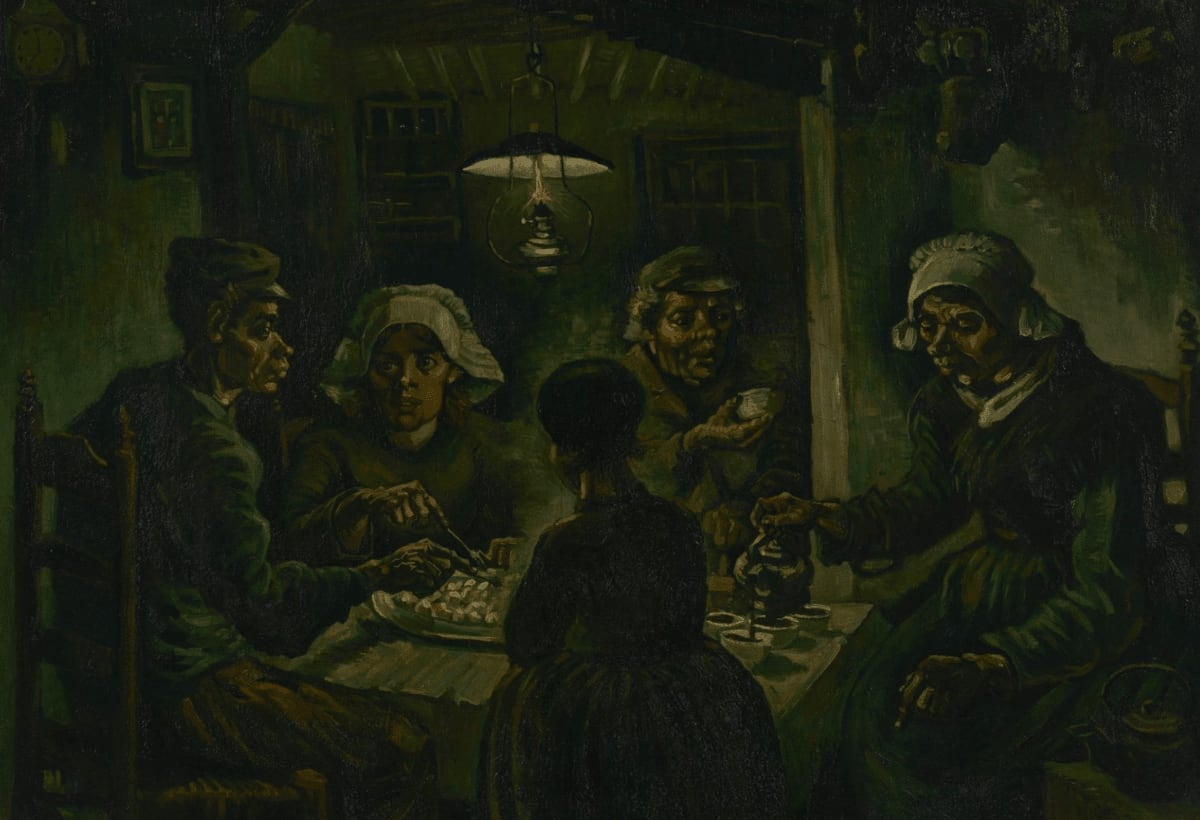
His quintessentially famous ‘The Potato Eaters’, painted in Nuenen in 1885, reflects this fascination. Its dark, earthy palette and depiction of peasant life seem worlds away from the luminous blues and yellows of ‘The Starry Night’, now on display at the Museum of Modern Art in New York. Yet both works reveal the same fundamental impulse: Van Gogh’s intense desire to look at the world and translate what he saw into something deeply personal.
There is an interesting twist to this cycle path. ‘The Starry Night’ was not painted in the Netherlands at all! Van Gogh created it in 1889 while staying at the Saint-Paul-de-Mausole asylum in Saint-Rémy-de-Provence, years after leaving Nuenen. Roosegaarde’s artwork therefore brings together two different chapters of Van Gogh’s life—the young artist who walked through the Dutch countryside and the later artist whose imagination transformed the night sky.
A Journey Beyond Time And Space
Perhaps that is what makes the cycle path more than a beautiful tourist attraction. It becomes a conversation between past and present. Van Gogh worked with oil and canvas; Roosegaarde worked with light, technology, and public space. Both, however, ask us to look at a familiar landscape differently. And the bicycle is an essential part of the experience. The artwork changes as you move through it. Lights emerge ahead, pass beneath you, and disappear behind you. The landscape becomes both setting and artwork, while the darkness around the path becomes part of the composition.
After seeing Van Gogh's paintings in Amsterdam, encountering his world in Nuenen felt like stepping beyond the frame. The museum offered the paintings; Nuenen offered the landscape; and the illuminated cycle path offered a contemporary way of connecting the two. For a few hundred metres, art is no longer something hanging on a wall. It becomes something you move through, beneath a Dutch night sky.
Here is the visual gallery layout of the Van Gogh Path.
Getting There:
Nuenen is an easy day trip from Amsterdam. The most convenient option is to take a direct Intercity train from Amsterdam Centraal to Eindhoven Centraal, a journey of roughly 80 minutes, followed by a local bus to Nuenen.
TH Recommends:
Once there, the village is best explored on foot or by bicycle—the Van Gogh Village Museum itself recommends walking and cycling routes that connect the many places associated with the artist. You can also spend quality time exploring the museum, soaking in the slow pace of Neunen and getting a closer look at Van Gogh’s creative mind.