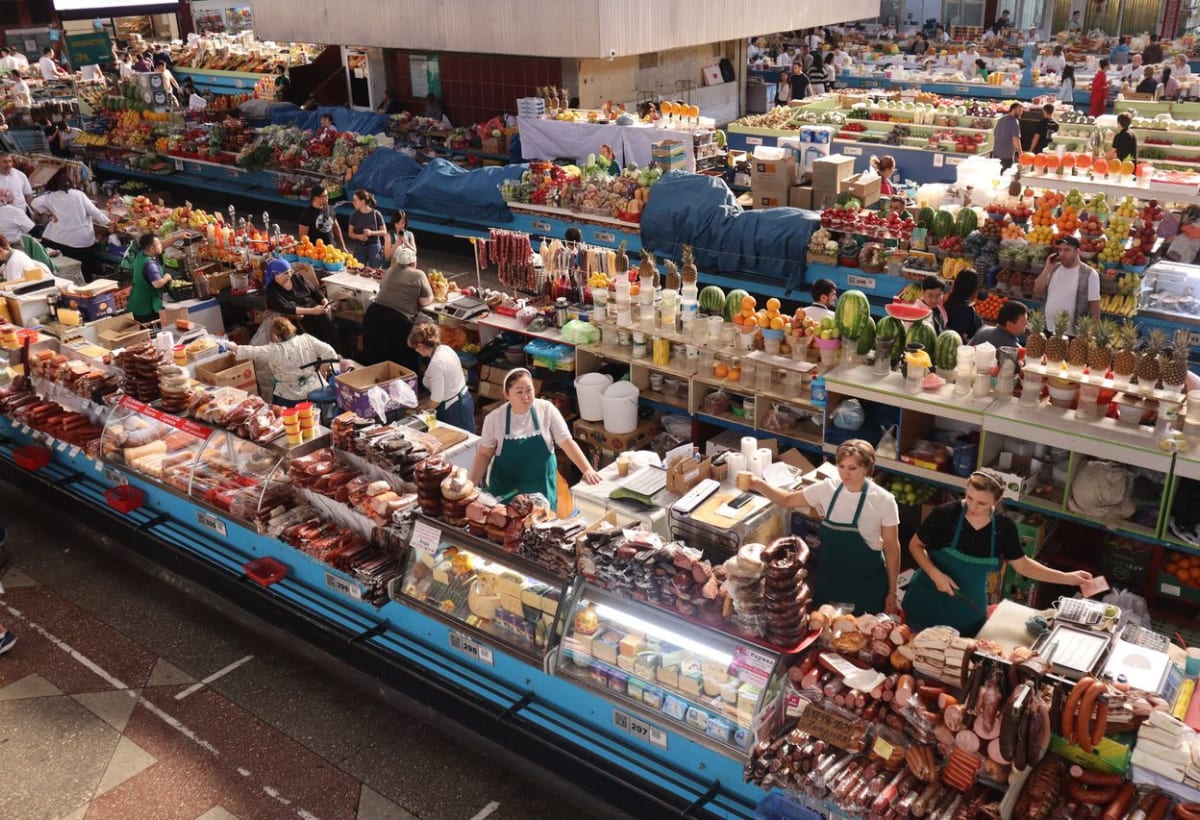
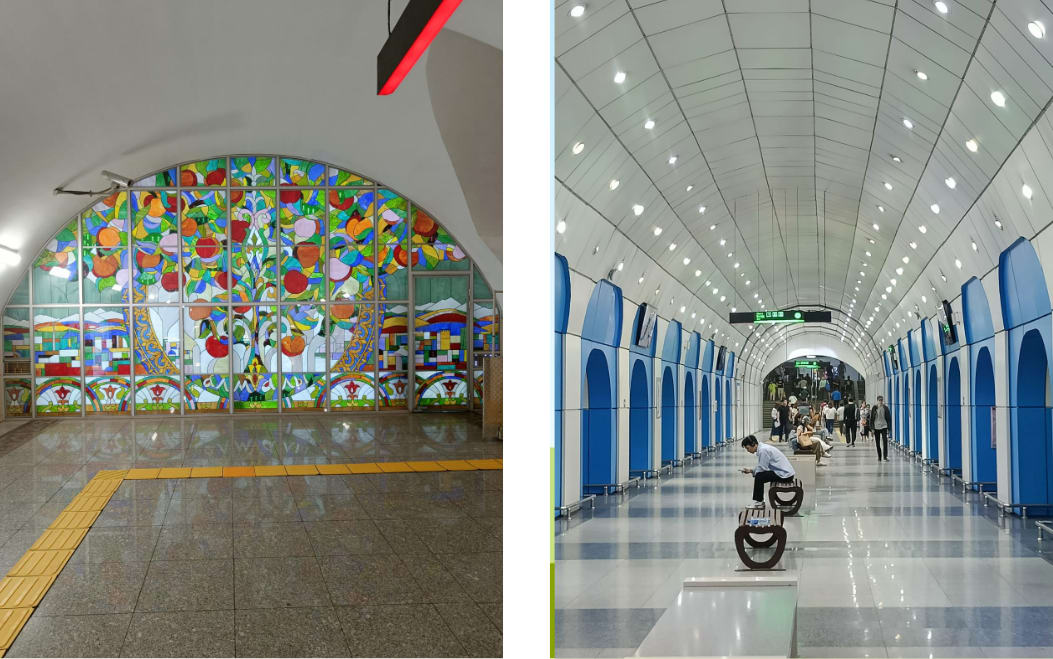
The Bible’s ‘Garden of Eden’ could well have been in Almaty (alma means apples), home to lush green spaces and abundant wild apple trees. Apples, if not hanging from the trees, can be seen carefully stacked in the Green Bazaar and in the gorgeous stained-glass panels at the Almaty metro station. Originally a silk trading post, it was an important part of the Silk Road and the country’s capital till 1997. Today, this ‘Southern capital’ is the most cosmopolitan city in the country and the ideal gateway for travellers. On offer: a rich history and culture, food influenced by nomadic tribes, and a diverse and breathtaking landscape.
Day 1: Arriving in Almaty, to Get a Glimpse Into its History
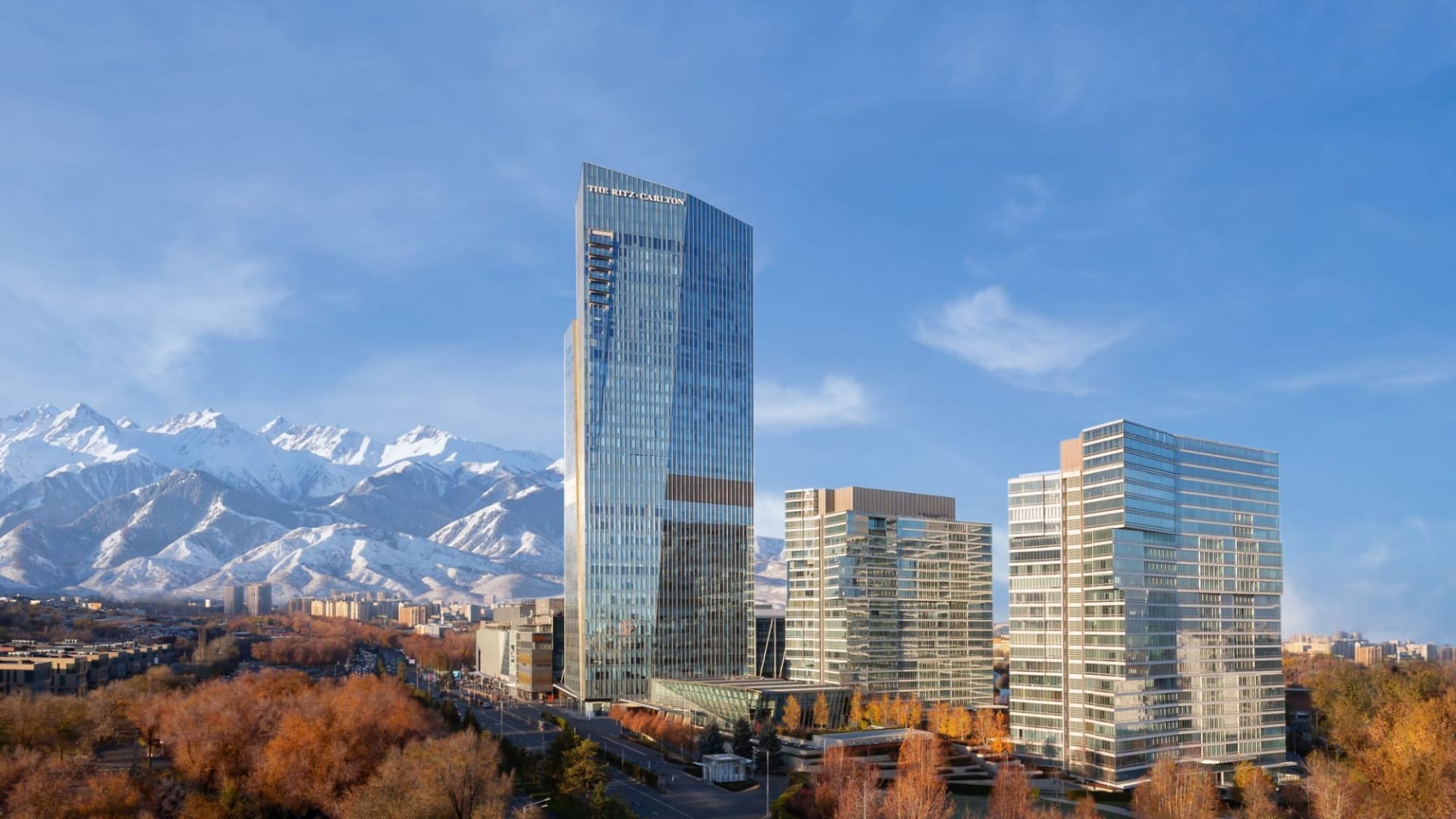
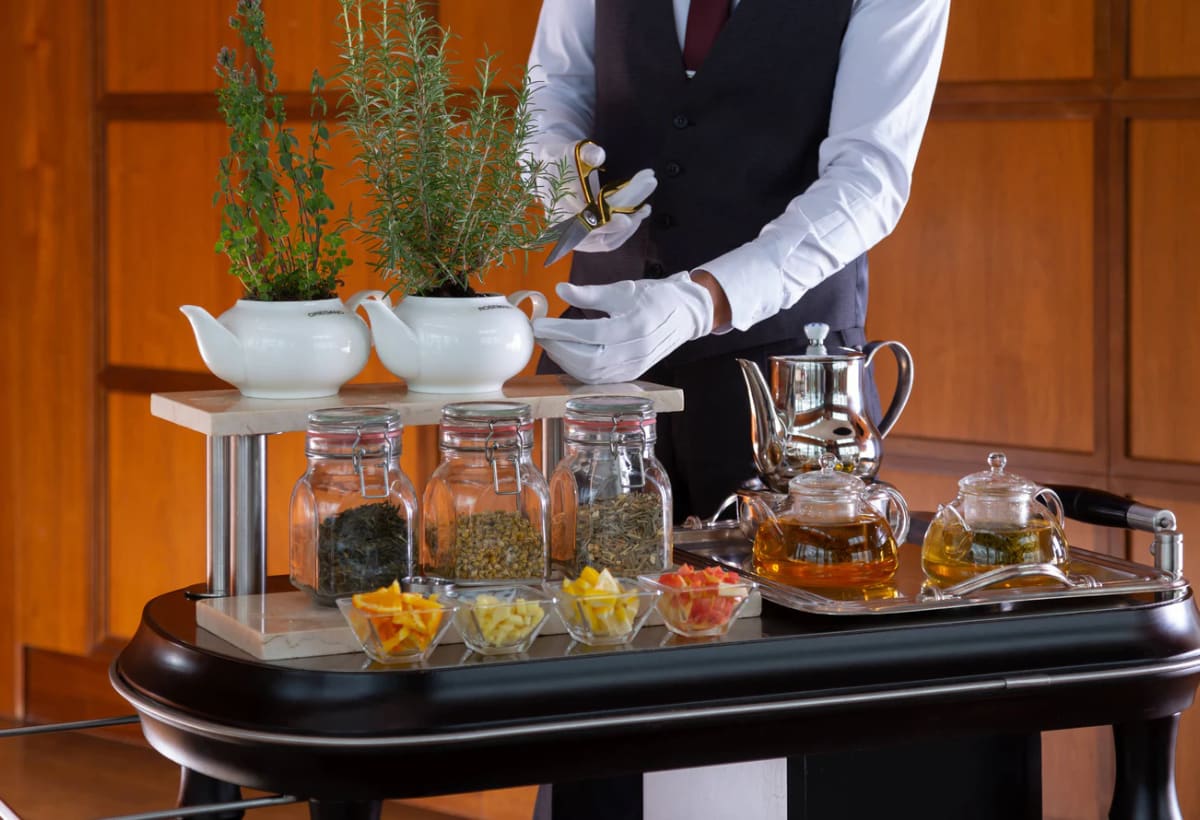
My first impression of Almaty, after arriving on a late-night flight, is that it is a remarkably green city. As I drive through its wide streets, I catch glimpses of greenery everywhere: tree-lined avenues, sprawling parks, and little forested corners tucked between urban spaces. Almaty effortlessly balances a modern skyline with the towering mountains that form its dramatic backdrop. The shimmering glass-and-steel structure of the Ritz-Carlton may be the city's tallest building, but even it cannot compete with the majestic peaks rising beside it. Among the hotel's signature experiences is a beautifully choreographed afternoon tea ceremony, where the star of the service is an apple tea crafted from Kazakhstan's prized Aport apples.
In May, Almaty is just settling into spring, and snow still lingers on the distant mountain peaks.
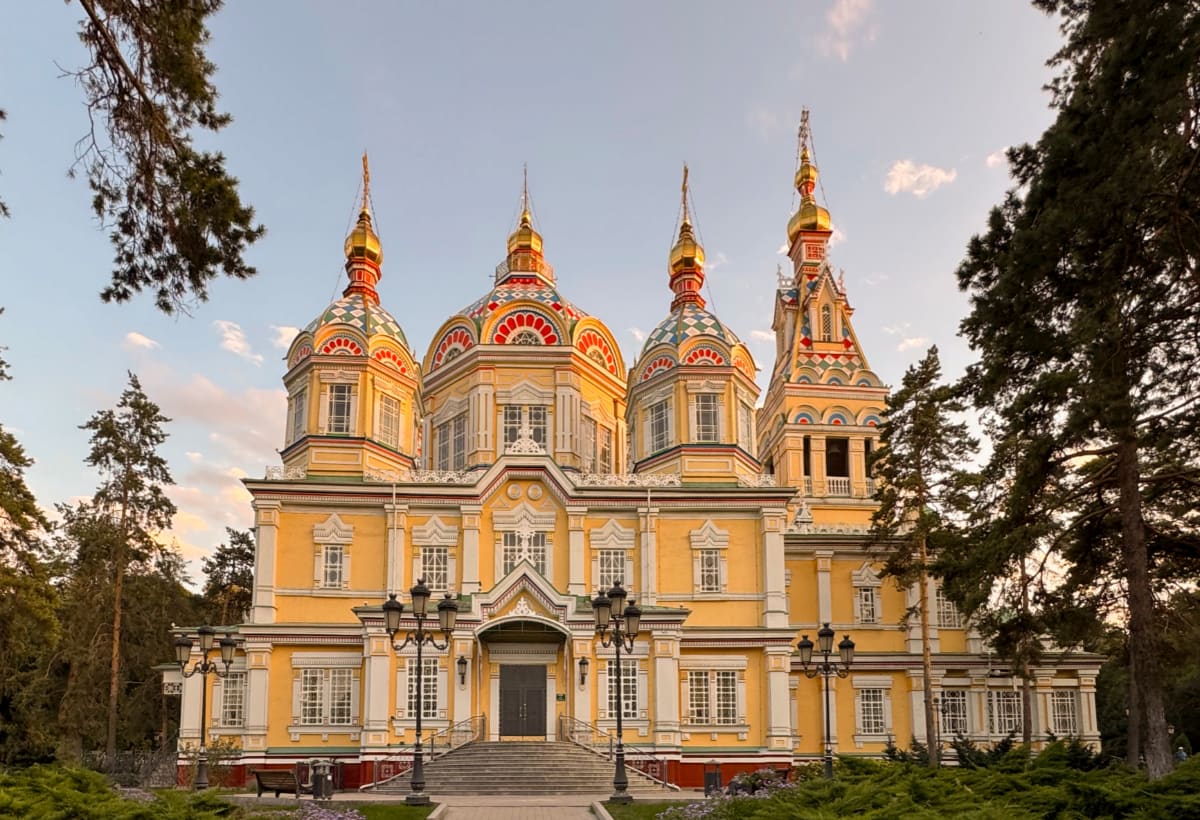
I begin my day with a history lesson. My free walking tour with GuruWalk starts at Republic Square, the city's largest public square and home to the Monument of Independence. Surrounding the monument are bas-reliefs depicting key moments in Kazakhstan's history. From there, we take a bus to the Park of 28 Panfilov Guardsmen (Panfilov Park) to pay our respects to the soldiers who lost their lives during World War II. One of the city's most important green spaces, the park is filled with old oak, maple, and pine trees. A leisurely walk beneath their shade brings me to the Ascension (Zenkov) Cathedral, a remarkable all-wooden structure. I've seen many beautiful churches in my life, but this one is especially striking. Painted a vivid yellow and crowned with a gleaming golden onion dome, it stands out against the greenery around it. Interestingly, I learned that because of its height, the city's first radio transmitters were once installed in the cathedral's bell tower.
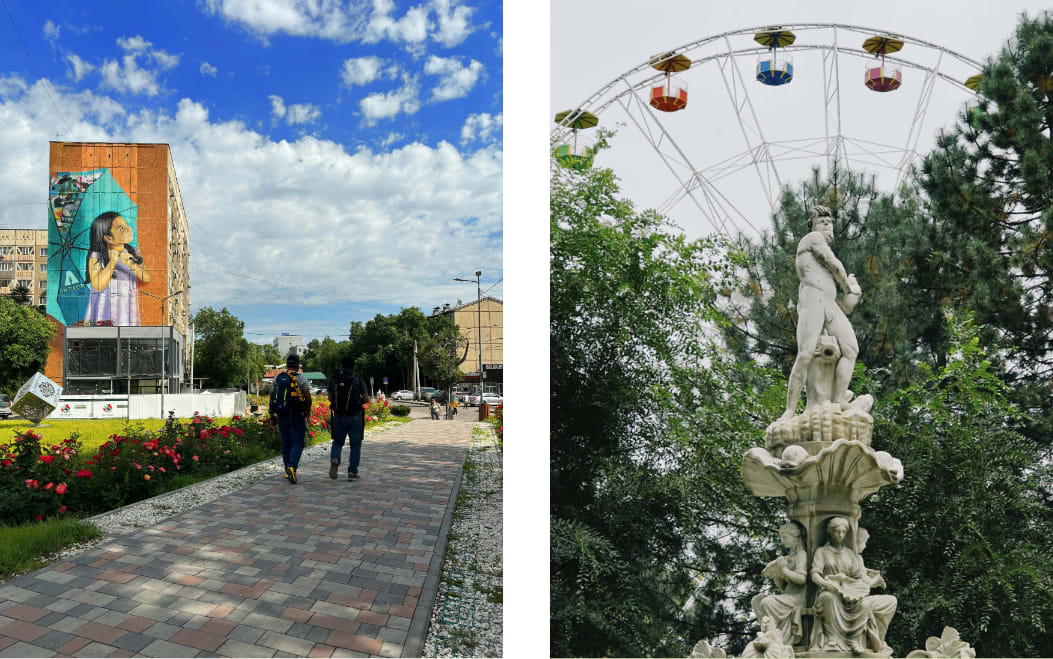
In the evening, I head to Zhibek Zholy walking street, which comes alive every evening. On this evening, I keep busy with dried cheese snacks and camel milk from side stalls, admire the artwork of painters, watch people sing karaoke, and cheer on a Michael Jackson impersonator. For nosh, I grab a bite at Degirman (a Turkish doner chain).
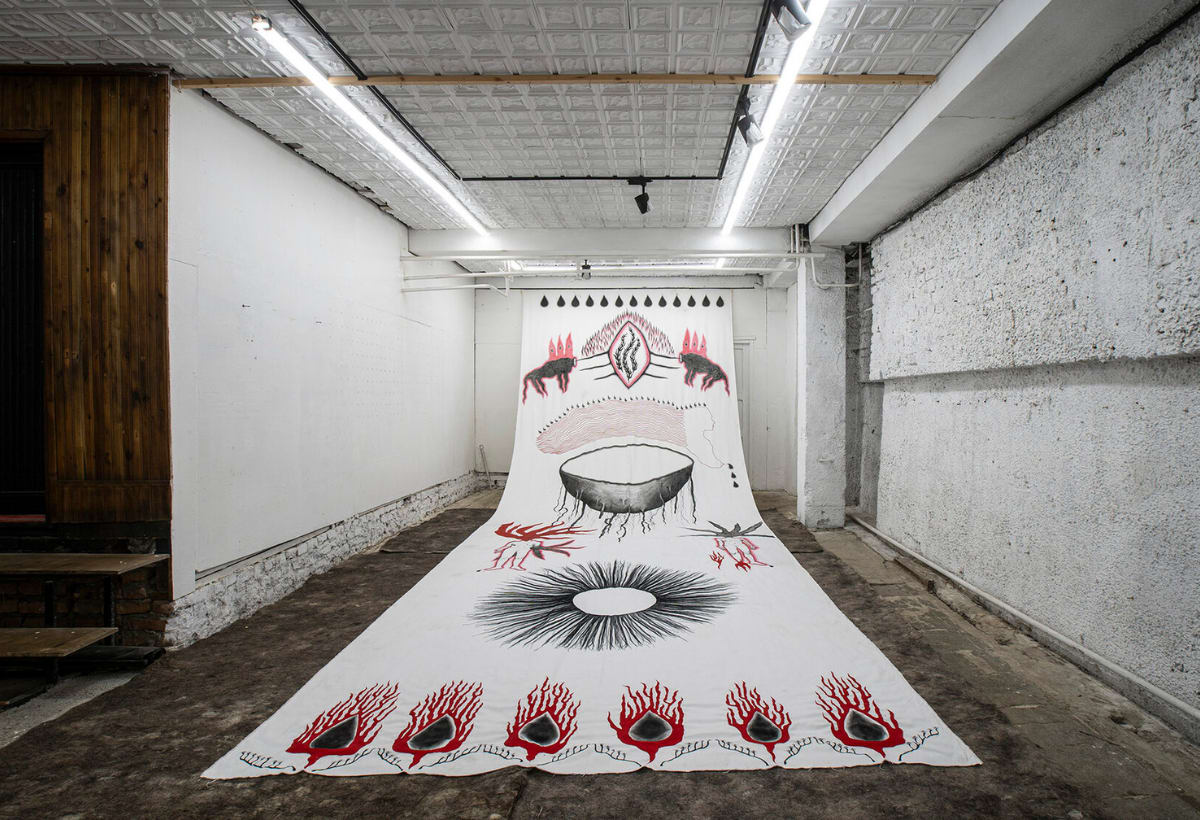
Later in the night, I walked into 101 Dump Gallery, an obscure and hidden art gallery that also houses a bar and a little store. It’s a cute space to end the night, sipping on beer, admiring the art, and buying postcards for myself. A chat with the bar guys gives me an introduction to their music, and to other must-visit spots in the city.
Day 2: Seeking Out Edible Souvenirs
For me, the biggest draw of any city is its markets. Almaty's Green Market, while often dismissed as touristy, is a fantastic introduction to the city's food culture. I enter through rows of souvenir stalls and step into a vast hall with soaring ceilings. Inside, the market is neatly divided into sections dedicated to meat and cold cuts, fresh produce, dried fruits, and nuts. As I wander through the aisles taking in the sights and aromas, vendors beckon me over with samples: dehydrated and freeze-dried ice cream, sweet blueberries, camel milk, dried cheese, and horsemeat sausage. I even stumbled upon a Korean section, where open platters of kimchi, noodles, and red bean cakes are on display — a reminder of the city's sizable Korean community, which also helps explain Almaty's abundance of karaoke bars.
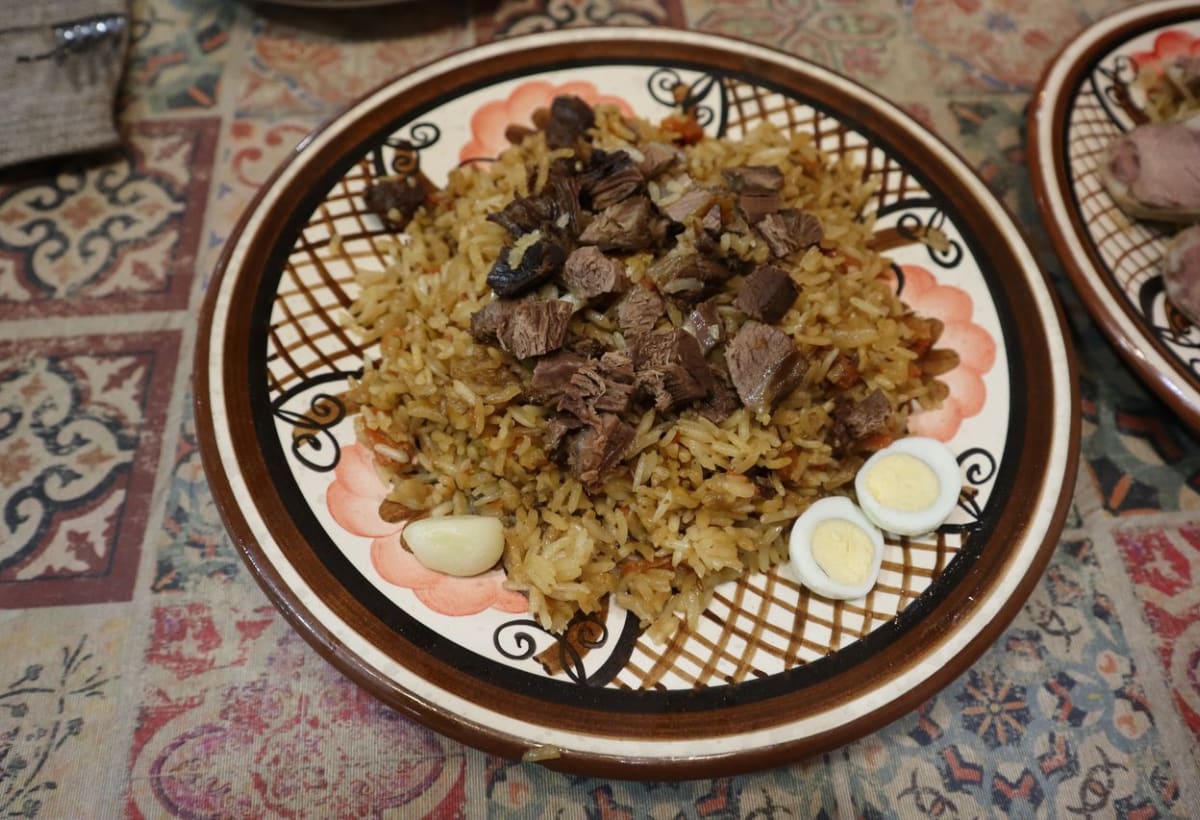
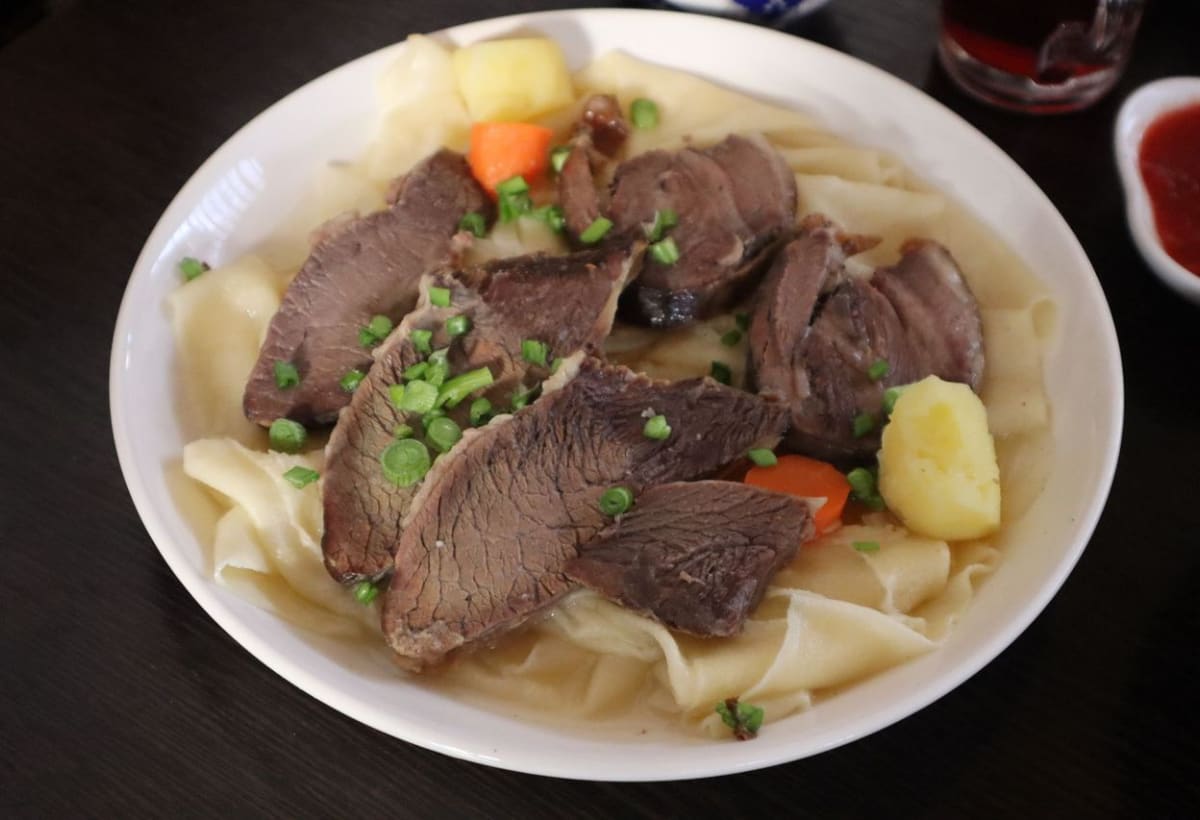
For lunch, I head to Beshbarmak, a restaurant on the market's first floor overlooking the bustling stalls below. There, I feast on plov, a fragrant rice dish considered one of the country's culinary staples, and beshbarmak, a hearty combination of boiled meat and pasta that is widely regarded as Kazakhstan's national dish.
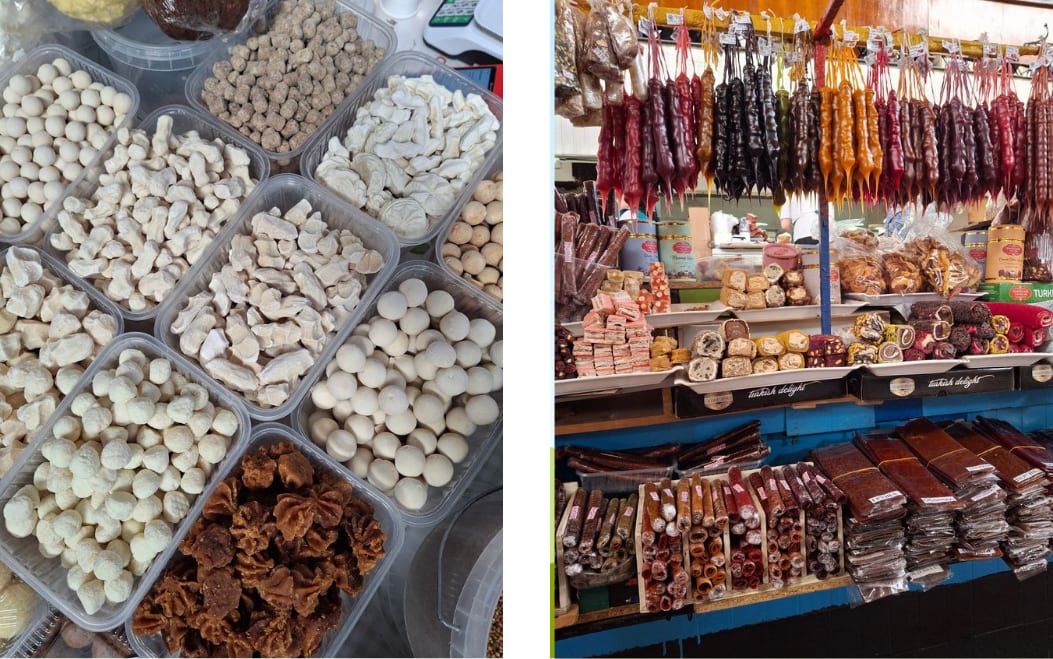
After lunch, I make my way down the street to everyone's favourite destination: a chocolate shop. Rakhat Candy Factory is one of the country's oldest confectioners — in fact, wherever you go, you are likely to find its chocolates. Their store is a typical candyland, filled with chocolates in different flavours and shapes, including sugar-free options. They make for affordable and delicious souvenirs.
My bags filled, I walk past Panfilov to another, quieter park, KTBU. I sit on the grass and people-watch, admiring the fact that a bustling city actually has spaces for rest and quiet. My dinner is early and café-style, courtesy of Coffee Boom, a homegrown chain serving global fare and the most delicious teas.
Day 3: Parks and Recreation
Throw a stone in Almaty, and it will fall in a park, small or big, but lush and clean.
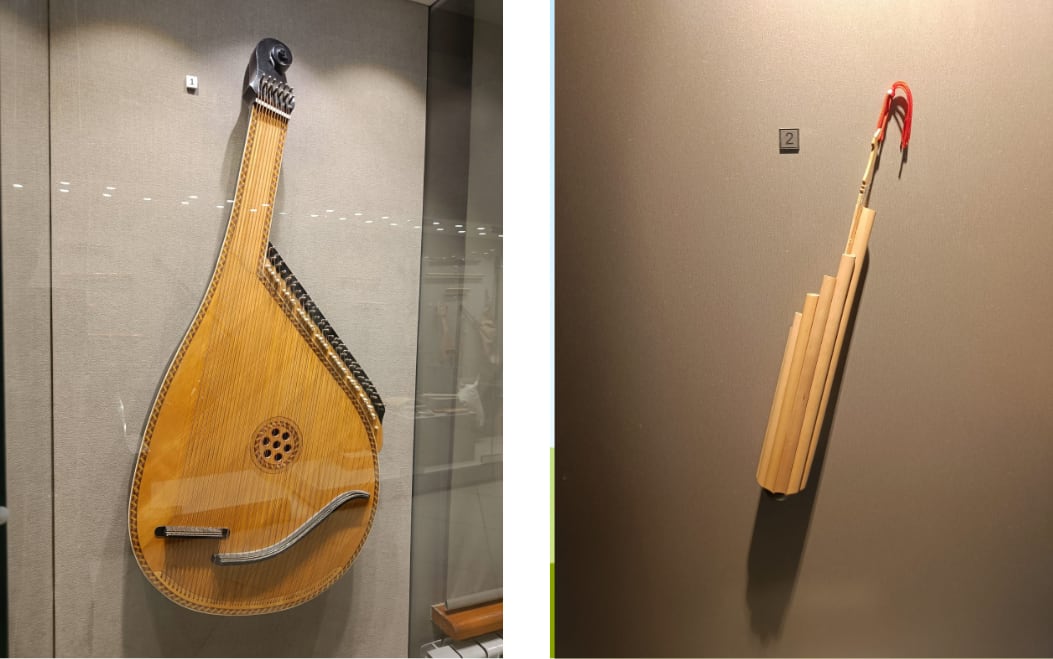
Panfilov is the most famous and thus always abuzz with events and activities. On my second visit there, I walked into a festival with music, dance, and stalls selling snacks and brightly coloured drinks. I skipped that entertainment for some education at the Ykhlas Museum of Folk Musical Instruments. It is a gorgeous wooden building, almost like a life-sized toy house, containing a stunning array of instruments such as the dombra, kobyz, syrnai, and dabyl. There’s even a small room showcasing instruments from other parts of Asia (including India).
I get a better understanding of the country and its rich textiles at the Central State Museum of the Republic of Kazakhstan — the museum’s central dome is often likened to the Louvre. Within its walls, I learn about the lives of nomads, see rare manuscripts, admire embroidery and textiles, and marvel at some modern paintings.
My favourite artwork, however, isn’t found in a museum.
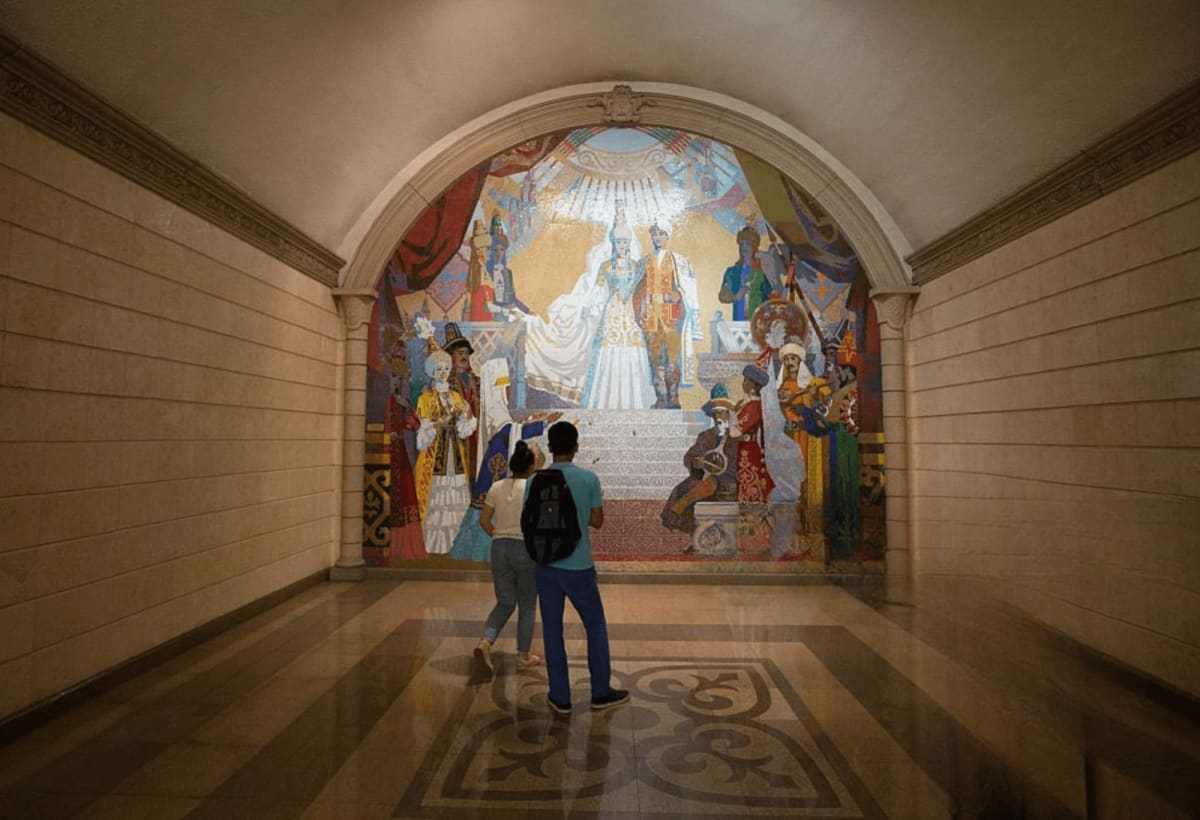
Later in the day, I head to the nearest metro station on Abay Avenue to begin an unusual activity: station hopping. The 11 Soviet-era metro stations here are themed, and each one features artwork related to its name. At Abay itself, there is a bronze relief and stanzas from the poetry of Abay Qūnanbaiūly. Almaly has a mosaic of an apple tree. Baikonur looks like the inside of a rocket, and one large wall screens videos of rocket launches at the Baikonur Cosmodrome. There are murals depicting Kazakh nomadic culture at Jibek Joly (which translates to Silk Road). One ticket allows me to hop on and off over the course of the next two hours, much to the amusement of the people at the stations.
My dinner is at Kishlak, a spacious restaurant with music, little streams, and walls adorned with local pottery and artefacts. There, I dig into what has become my favourite meal, plov, along with some horsemeat.
Day 4: Relaxing at the Baths
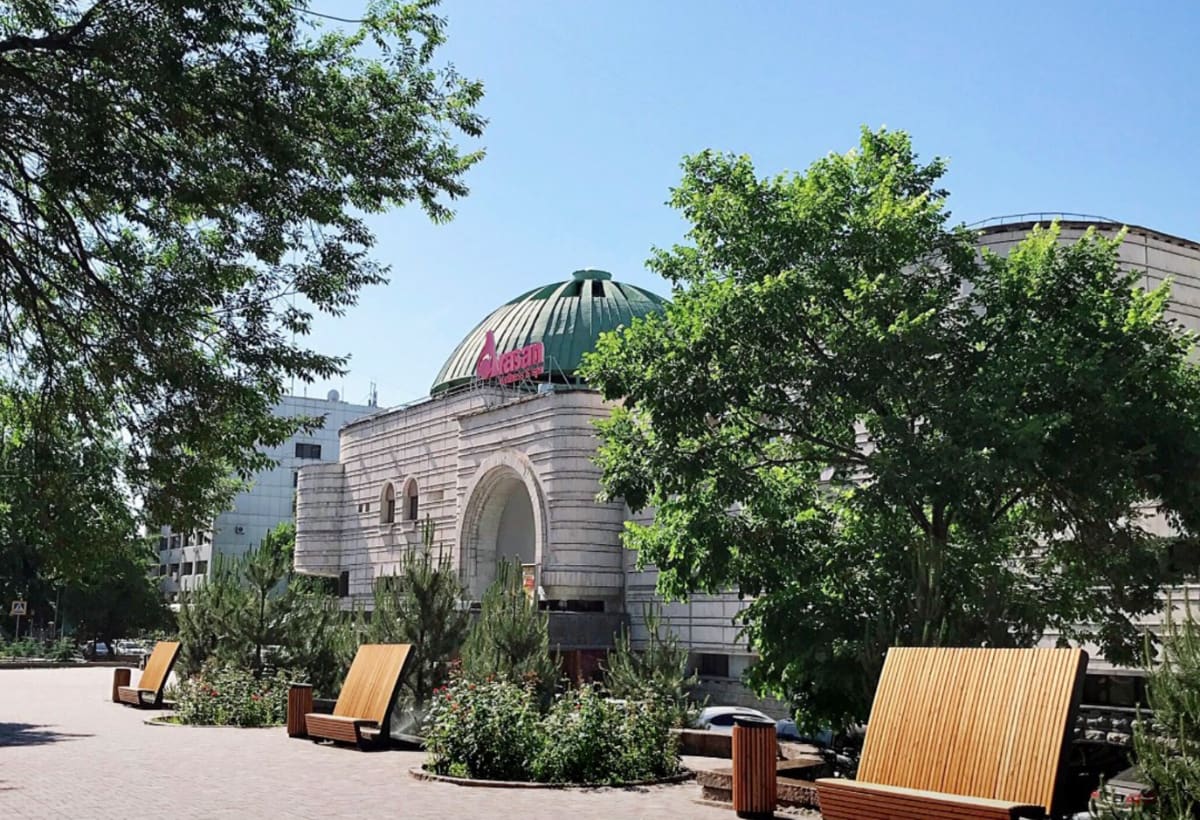
Kazakhstan (and by extension, Almaty) shares a love for heat and steam, best experienced at Arasan Baths. Located near Panfilov Park, the gender-segregated bathhouse features a Finnish sauna, a Russian banya, Moroccan and Turkish hammams (steam rooms), a pool, a gym, and even an in-bath restaurant (the only place you can eat in a towel!).
I sauna-hopped my way through all three floors. The routine is simple: 15 minutes in a steam room or sauna, followed by a cold shower, a few sips of water, and then repeat. This contrast therapy is a popular biohacking practice.
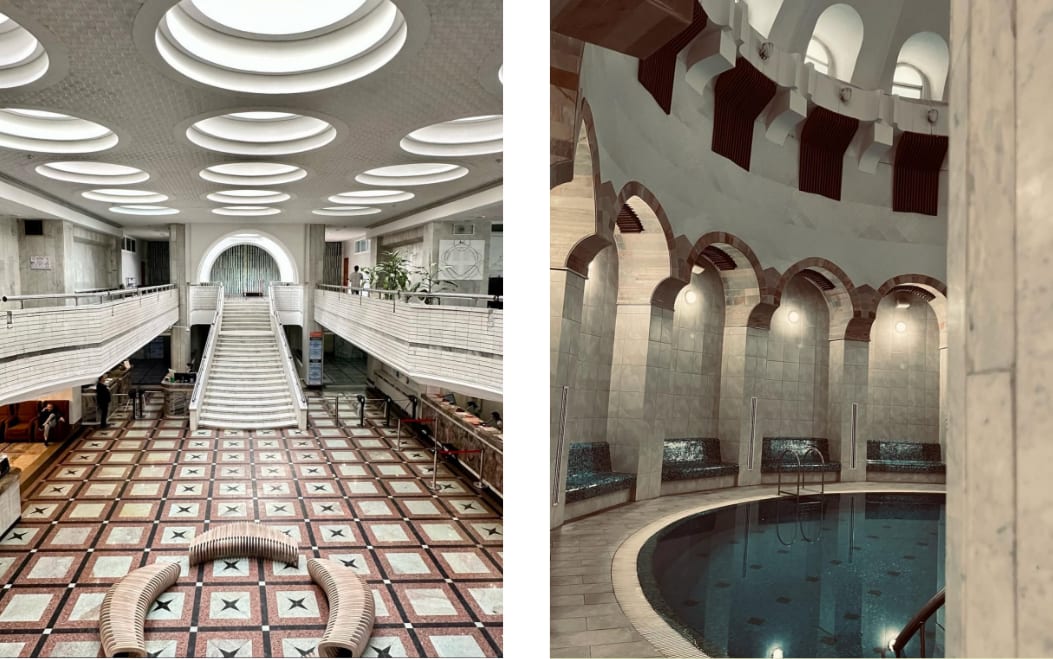
For a change of pace, I go in for an hour-long massage and then relax in the Eastern Bath’s temperature-controlled rooms. One section of the baths is reserved for actual baths. It is quite the humbling experience: lying bare on a cold stone slab while being scrubbed down with soap and shampoo. The baths teach me to shed my inhibitions – seeing women of all ages walk about confidently in their birthday suits is inspiring. I leave the baths feeling relaxed and renewed.
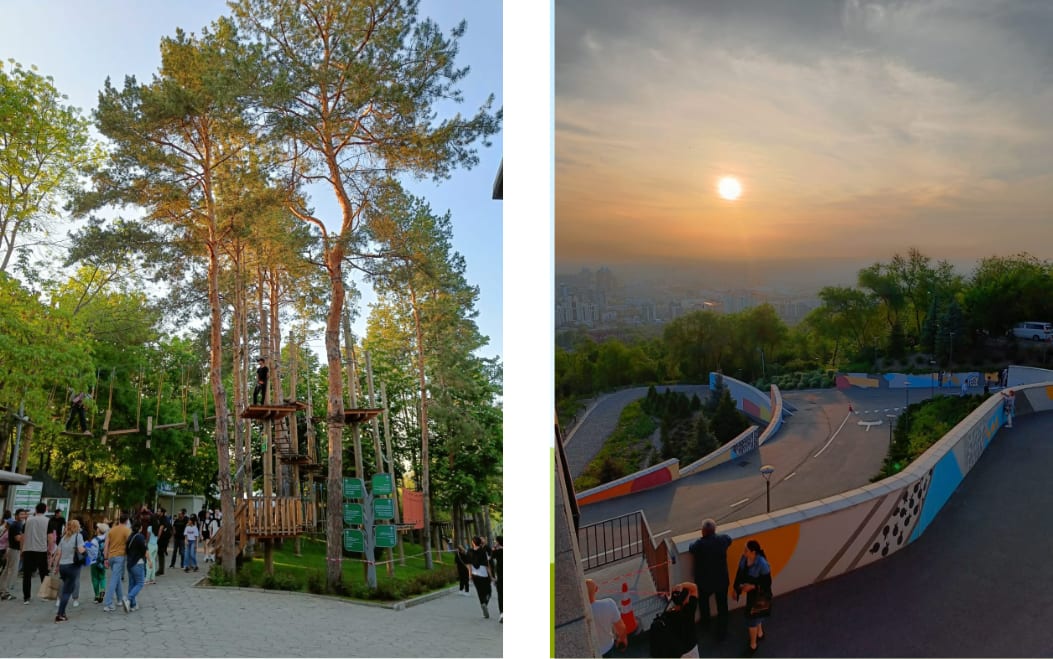
For my last night in Almaty, I follow the other tourists up to Kök Töbe mountain. The highest point in the city is also a fun fair/ amusement park, accessible via a funicular. There, I jump into bumper cars, admire an upside-down house, and sit with the Beatles on a Beatle bench. It is the best place to watch the sunset, and help me reminisce about my trip.
Almaty has my whole heart. It is everything I expect in a well-planned city: good food, open spaces, compelling museums, family-friendly architecture, historic spots, and many pockets of green.