My first brush with fermentation was panta bhaat, a centuries-old Bengali staple that turns leftover rice into a flavour-packed affair overnight. It comes with delicious condiments Gondhoraj lime, green chillies, fish fry, (maach bhaja), considered a summer delicacy. And then comes the pièce de résistance: that deliciously soporific after-effect, perfectly setting you up for the afternoon siesta Bengalis hold very dear. Little did I know that fermentation was a practice, at least our mothers and grandmoms advocated that.
We have entered an interesting chapter in India’s culinary landscape with fermentation. This July, Desi Cultures’ Fermentation Festival opened up a conversation with practitioners, chefs and foodpreneurs around a timely question: What does fermentation in India look like today?
As Shubhra Chatterji, founder and co-curator of Desi Cultures, puts it, “Fermentation stands as a lens for reading the world around me. It is inheritance and identity, an archive of seasons—how we preserve seasonality and carry it forward. It is an archive of invisible microbes and what they are doing, giving us hope that even decay can be generative.”
Here are some highlights of the online gathering that brought together voices from microbial science and foodpreneurs, offering a glimpse into their fascinating journeys of fermentation and flavour discovery.
Restaurant NAAR’s Pantry Building To Flavour Development
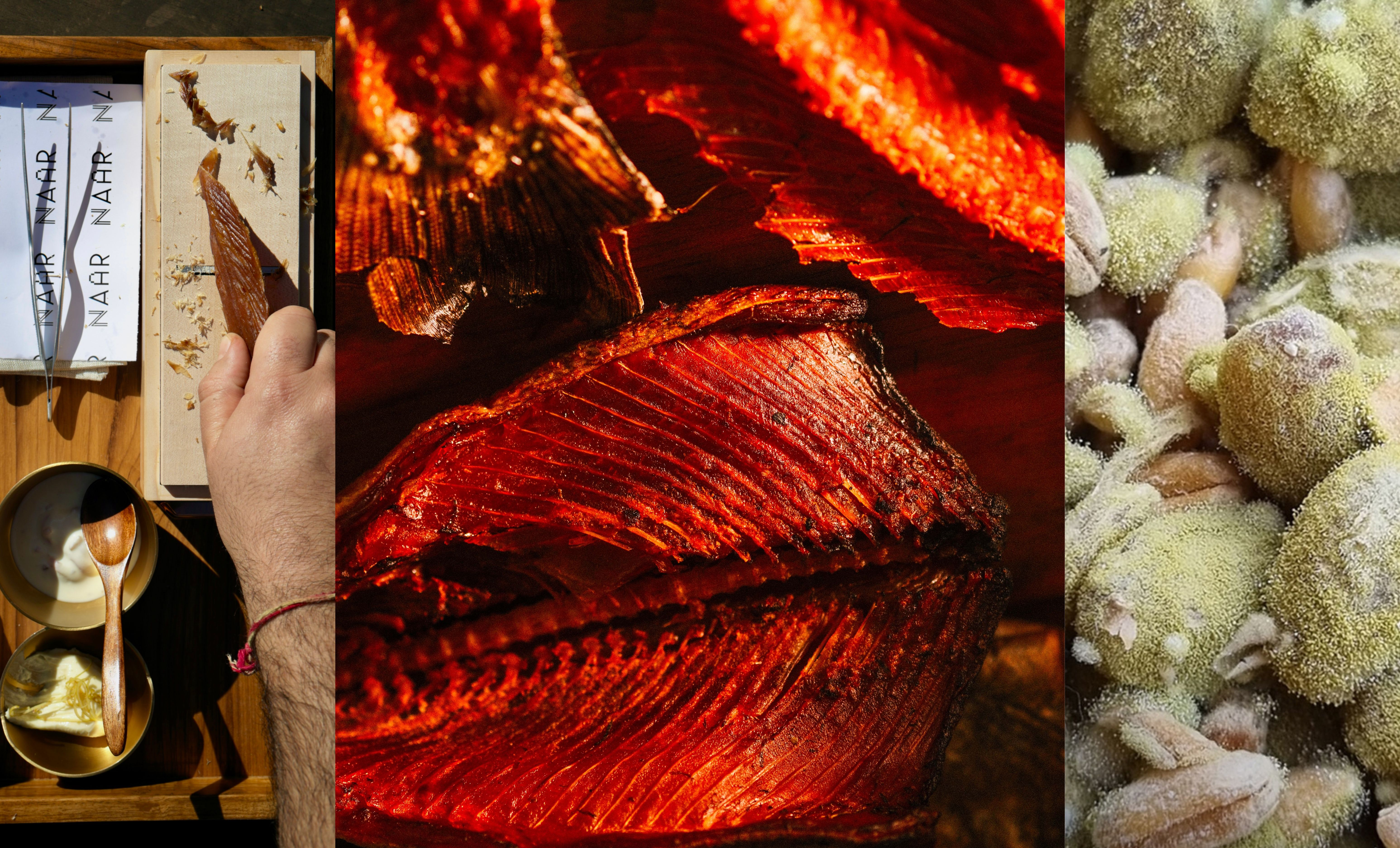
Celebrated among Asia’s 50 Best, Naar, the 16-seater restaurant with stunning views of the Dhauladhar range, is destination dining at its finest. Founder-Chef Prateek Sadhu calls its mountain setting a blessing, offering access to both seasons and micro-seasons. For Chef Sadhu, the mountains are a classroom. Rather than claiming to represent modern Himalayan cuisine, he says, Naar explores its culinary pillars through the broader lens of preservation. Drying, smoking, pickling, salt-brining and fermentation all find their place, reflecting the traditions of Himalayan homes which is a habit, a way of life.
Sitting in what Sadhu calls the “fruit bowl of India,” Naar has plenty to play with but seasons, annoyingly, refuse to follow a chef’s calendar. So, when plums peak in June but are needed in September, preservation steps in. “We have to preserve it to change it completely,” says Sadhu.
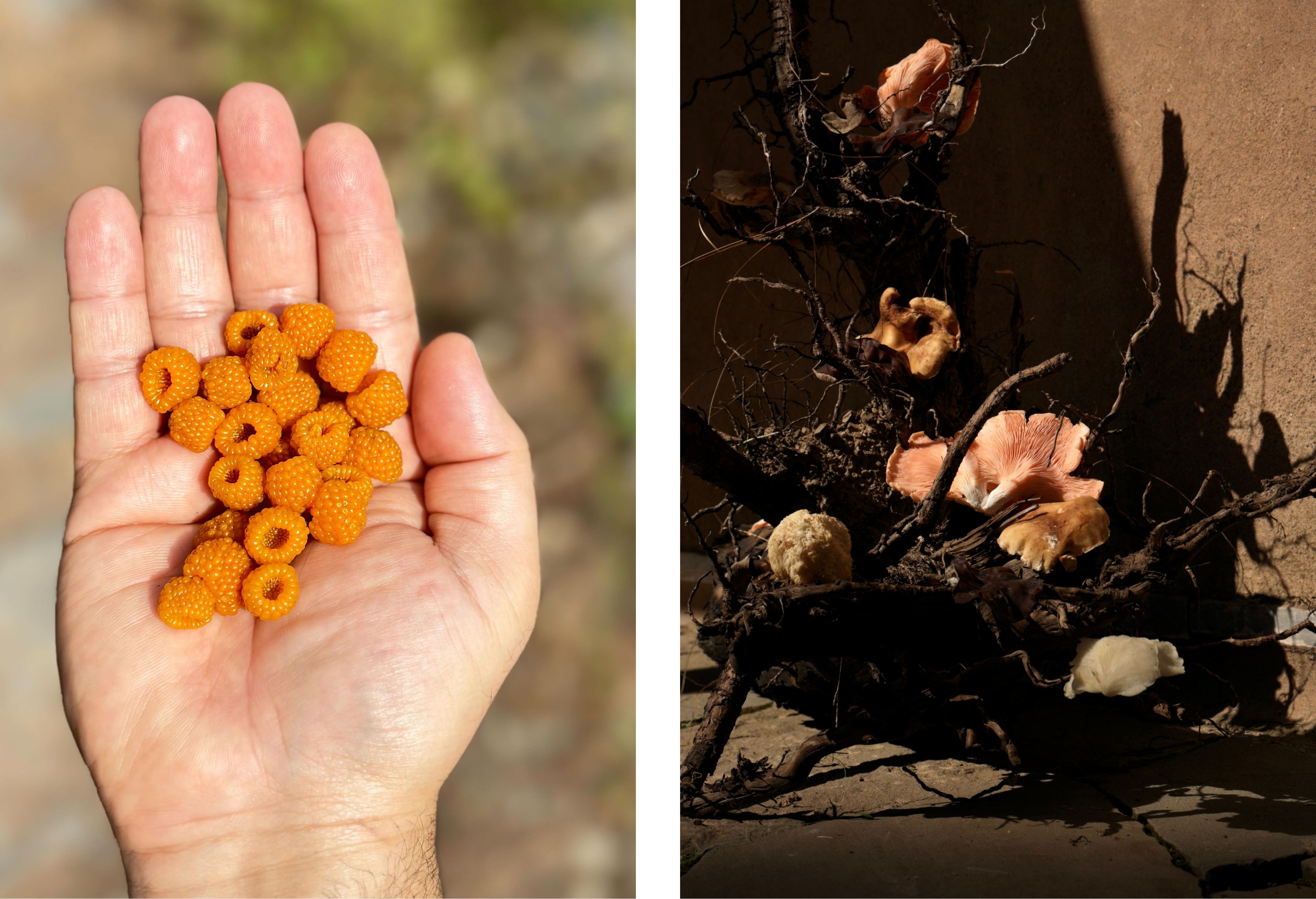
Ladakhi apricots are fermented into juice, reduced to syrup and baked into crisp chips that land on ice cream. At Naar, preservation isn't about putting food on a bottle, it's about giving it a whole new act. Instead of conventional souring agents, Chef Sadhu turns to brine to balance savoury and sweet, giving each ferment a sour kick. Fiddlehead ferns are pickled in brine, while bottle gourd is steamed, lacto-fermented and dried, emerging into a chewy, umami-rich and almost unrecognisable meaty snack.
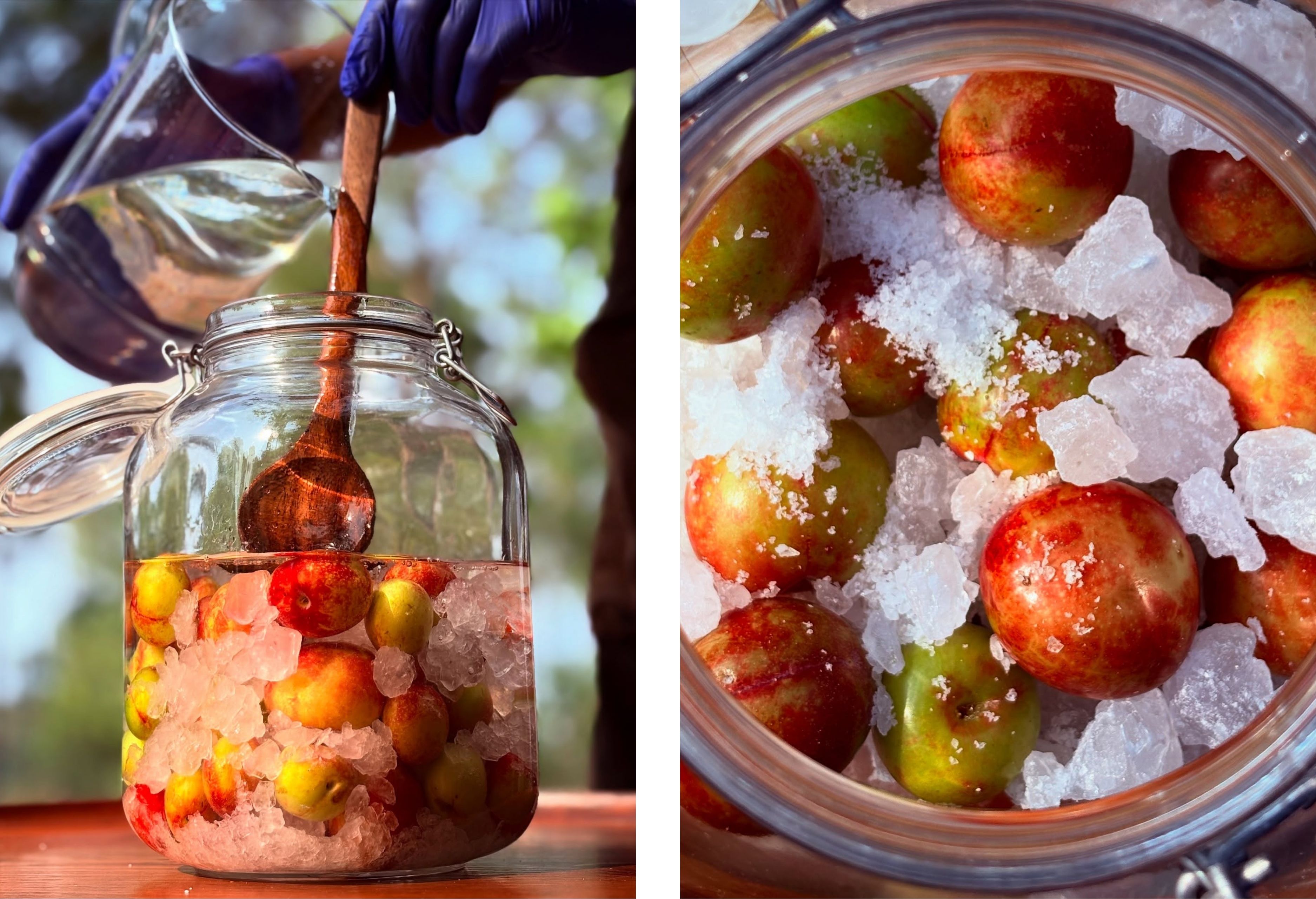
Kamlesh Negi, Head of Development and Food Director at Naar, shares insights on fermented Fyoli flowers, one of the wild harvest bottled up at Naar with sugar and vinegar for a floral, naturally acidic alternative. Even garlic scapes are steamed, fermented and puréed into sauces. At Naar, preservation doesn't just save ingredients, it gives them a second life.
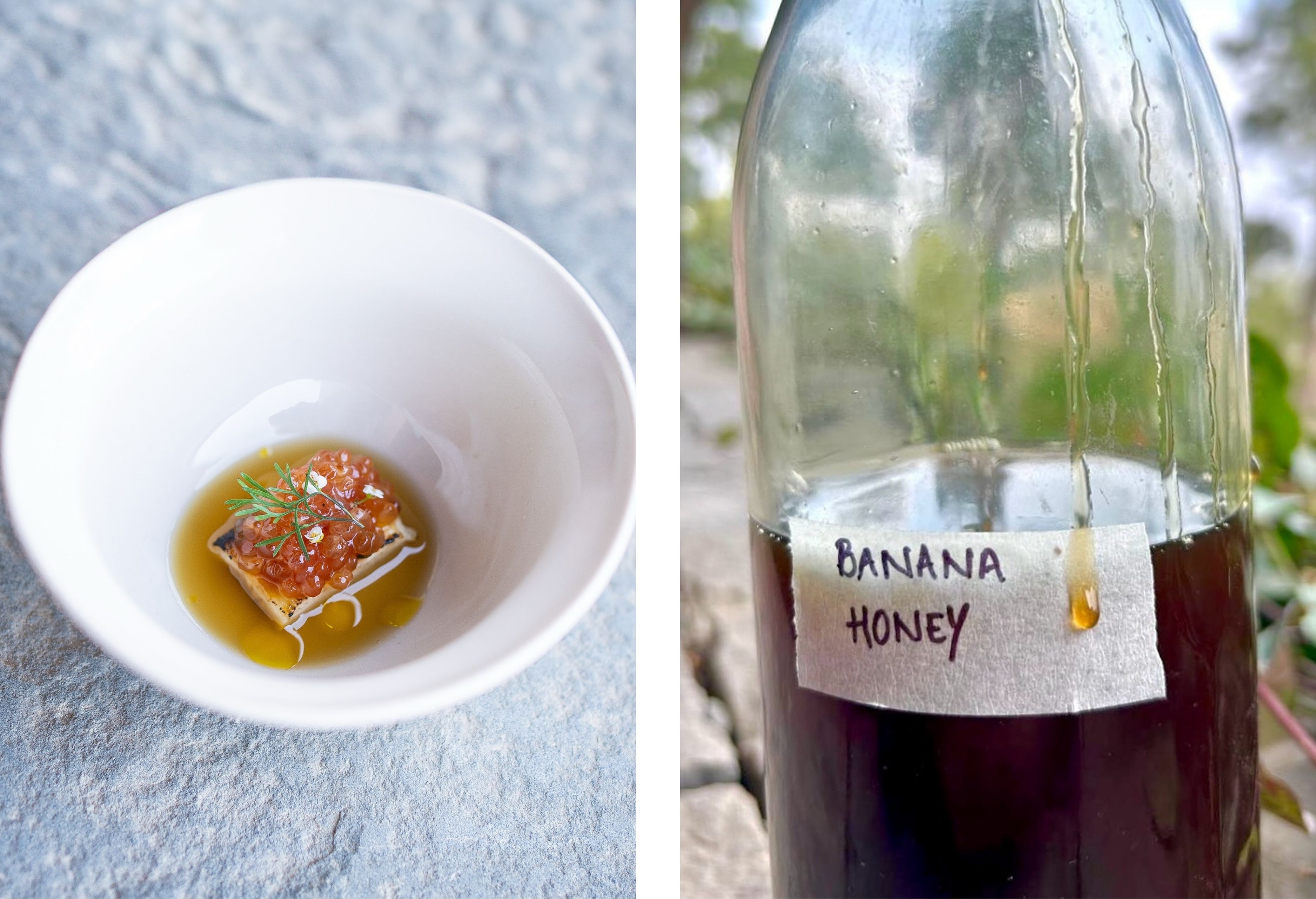
The dish that makes Chef Sadhu particularly proud is also one of his most unexpected: smoked salted trout roe with banana custard and banana honey. An unusual pairing? We thought so too. The banana honey is where the magic happens. Bananas are left in a jar to ferment naturally, separating into a mushy top layer and a liquid below. The liquid is double-strained, boiled and repeatedly skimmed until it reduces into a golden, honey-like syrup. In other words, fermentation does its delicious bit of alchemy.
Another ambitious project at Naar is working with pines. Rub the needles between your fingers and they surprisingly smell of raw mango, Chef Sadhu says. Young pine cones are fermented with brown sugar to make a syrup, while a pine cone chaat masala is achieved by mixing them with 10% salt and sun-drying or dehydrating them. The result? An umami-rich seasoning, with the pine leaves bringing in a bright, acidic note. Who knew the forest had its own spice rack? At Naar, archiving the region’s indigenous produce goes hand in hand with pushing flavour boundaries, allowing the team to experiment with ingredients and combinations that may never have been tasted before.
Celebrating The Coffee Phyllosphere: It Goes Beyond the Beans
This year, I travelled to Coorg and discovered the world of specialty coffee—from Mysore Nuggets and Robusta Kaapi Royale to the GI-tagged Monsooned Malabar, whose beans swell when kissed by the monsoon winds. But Marc opened up an entirely new chapter in coffee education for me: molecular coffee, where science meets the bean to unlock flavour at its most microscopic.
Marc Tormo Altimira, co-founder of Coffee Ideas who runs a cafe in Auroville has spent over three decades exploring specialty coffee. Through Molecular Coffee, a post-harvest fermentation methodology, which uses controlled fermentation to coax out bold new flavours—from fruity and floral to smooth and complex. A whole new way to experience your morning cup. He works with forgotten wild Indian coffee varieties.
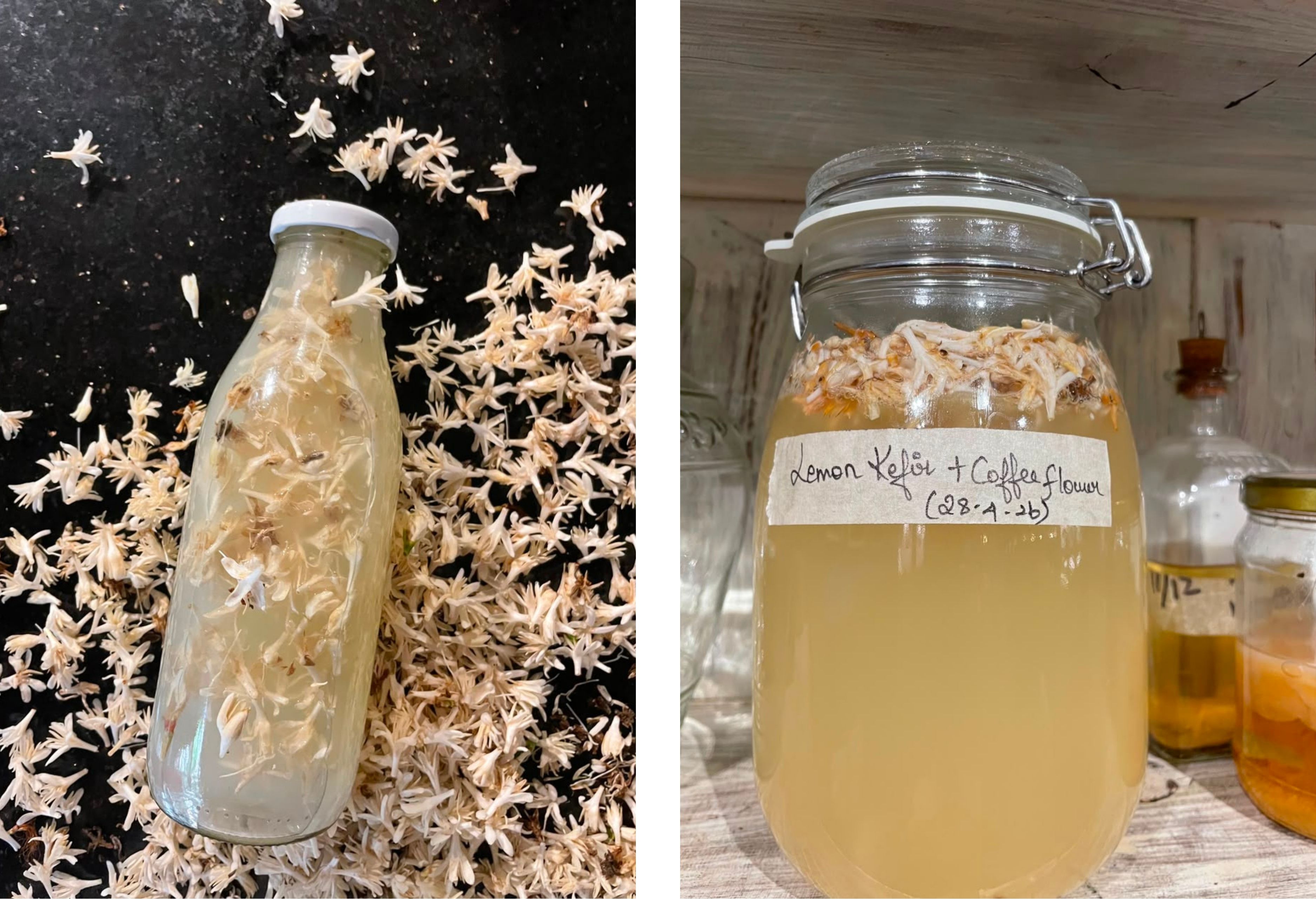
His most surprising insight? Coffee goes far beyond the bean. The flowers carry delicate notes of gardenia and jasmine and with that his wife Matilda adds kefir grains with fermented coffee flowers, which Marc says is the most beautiful beverage that he had tasted, while the fruit skins become cascara, kombucha and tea-like brews. With nearly 9,000 DNA signatures identified in a coffee fruit, Marc’s message is clear: the coffee bean may be where the story starts, but there is a whole plant waiting to be brewed.
Building A Definition Of Natural Cheese
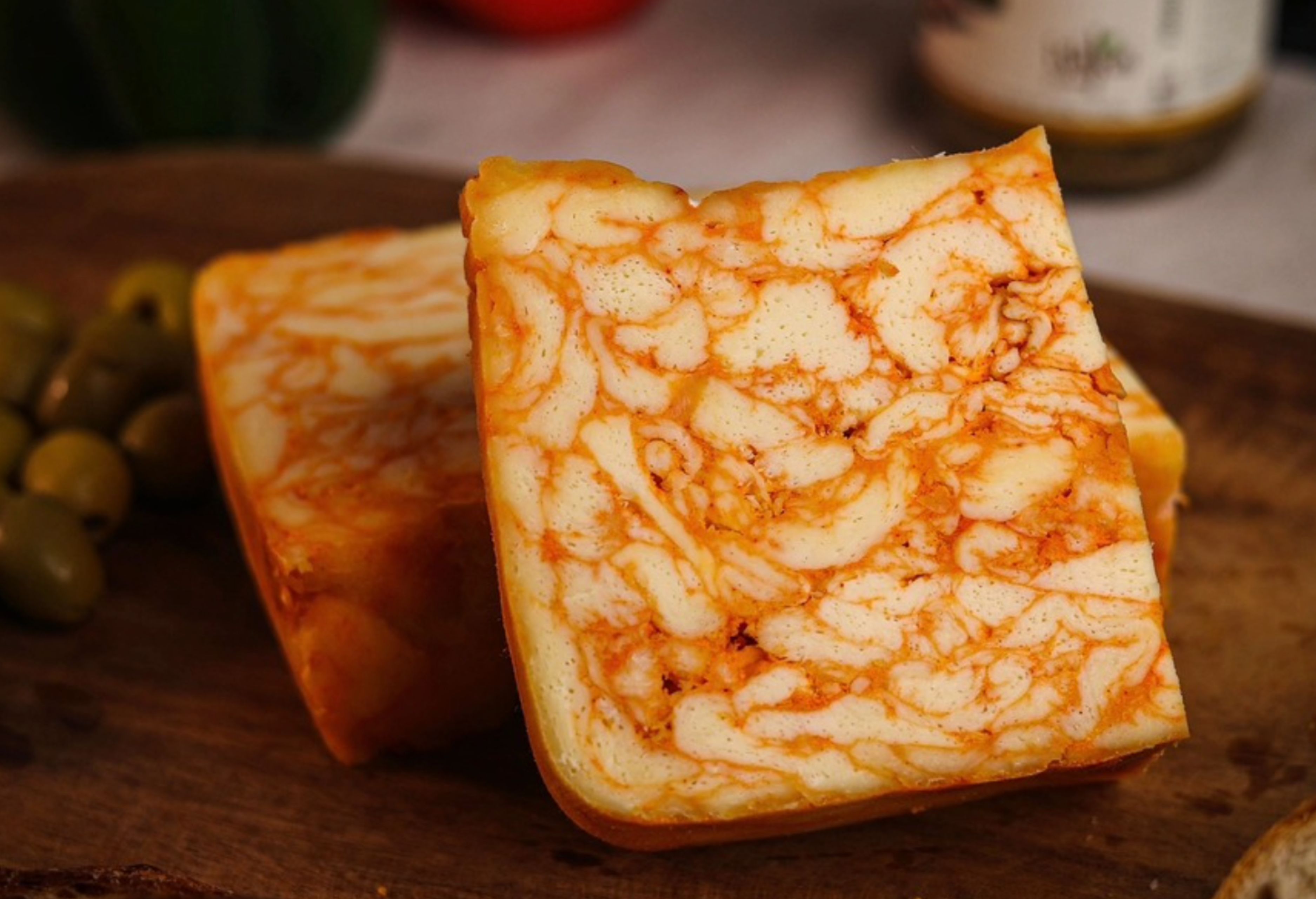
While travelling to Pahalgam, I once stumbled upon ‘Kalari’, a traditional artisanal cheese made by Gujjar shepherds in the mountains of Kashmir, which I thought was a cross between halloumi and mozzarella. But a talk at the Desi Culture’s Fermentation Festival on natural cheesemaking opened up an entirely new world for me, revealing the remarkable possibilities of natural cheese in the Indian context. Namrata Sundaresan, co-founder of Käse, Chennai, specialises in terroir-driven Indian cheeses made with the local and pastoral community.
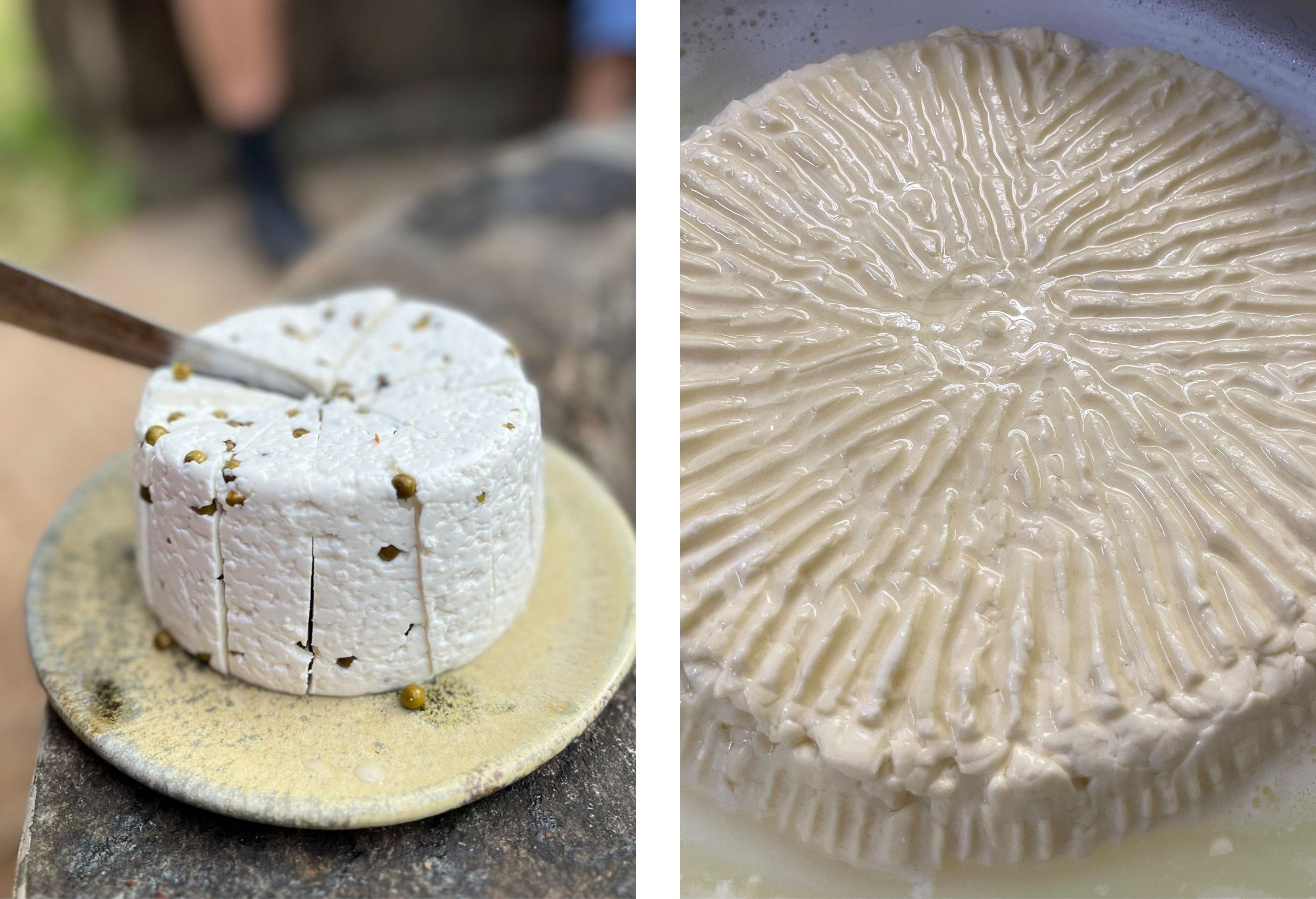
While exploring the yak-herding communities of Arunachal Pradesh’s Tawang district, she discovered that churpi is only the beginning of one kind of cheese and takes into many varieties in the region. Cheese traditions evolve with seasons, altitude and time, with some varieties even stuffed in animal-skin bags and aged at higher elevations.
Cheese may need just four ingredients—milk, cultures, rennet and salt but natural cheesemaking is where the magic lies, Sundaresan says. Raw milk is allowed to sour and develop its own starter culture, while microbes can come from unexpected places: wooden shelves, leaf baskets and the surrounding environment. Natural cheese relies on the indigenous microbial cultures or desi cultures already present in the milk and its environment, rather than introducing lab-synthesised microbes. These invisible workers ultimately shape the character of everything from alpine and washed-rind to blue cheeses. Every cheese, it seems, has its own terroir and its own microbial postcode.
The Vessel That Makes Happy And Better Feni
For Hansel Vaz, founder of Cazulo Premium Feni, Goa’s native spirit is a story of culture, terroir and some very happy yeast. Cashew apples are stomped for their juice, which is left to ferment naturally in large clay pots buried underground. No added cultures, no catalysts just wild yeast doing its thing.
Vaz believes the real magic lies not just in the yeast, but in its strain and its vessel. The traditional Mathiechi Baan, a spherical earthen pot, keeps temperatures steady while its porous clay allows the yeast to flourish and the bubbles move in a circular fashion, as Vaz puts it, “If your yeast is comfortable, it starts yielding better alcohol and yields better flavour”
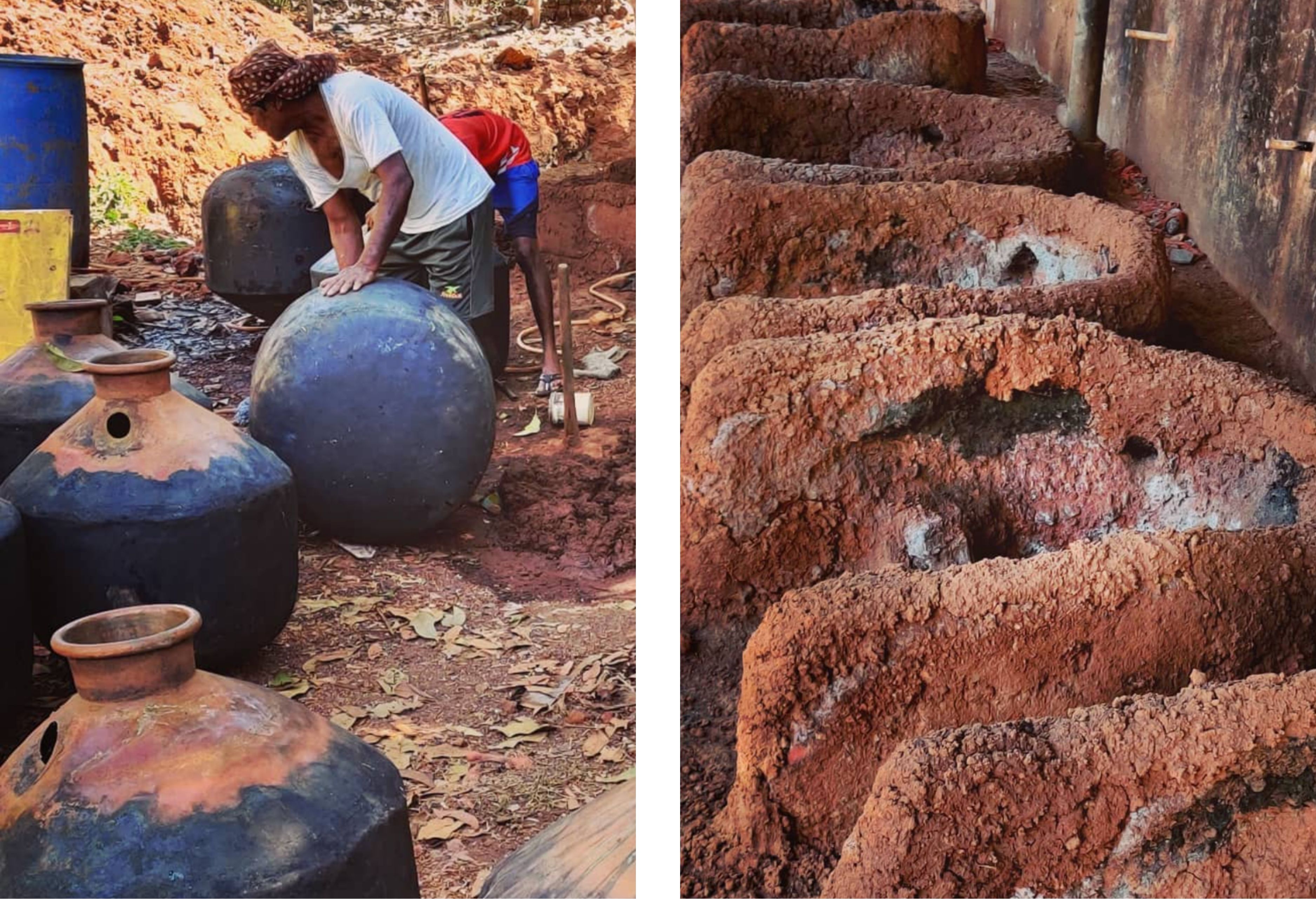
With only two distilleries in Goa still using traditional earthen pots, Vaz is working with local potters to revive the craft. Because sometimes, the secret to better feni is simply putting the yeast in the right pot, he claims. The story of feni is, in many ways, the story of the pot, buried underground, holding generations of yeast, while the earth and its desi cultures quietly do the talking.
Rice Doesn't Have to be Rice: Building An Indian Liquid Pantry With Koji
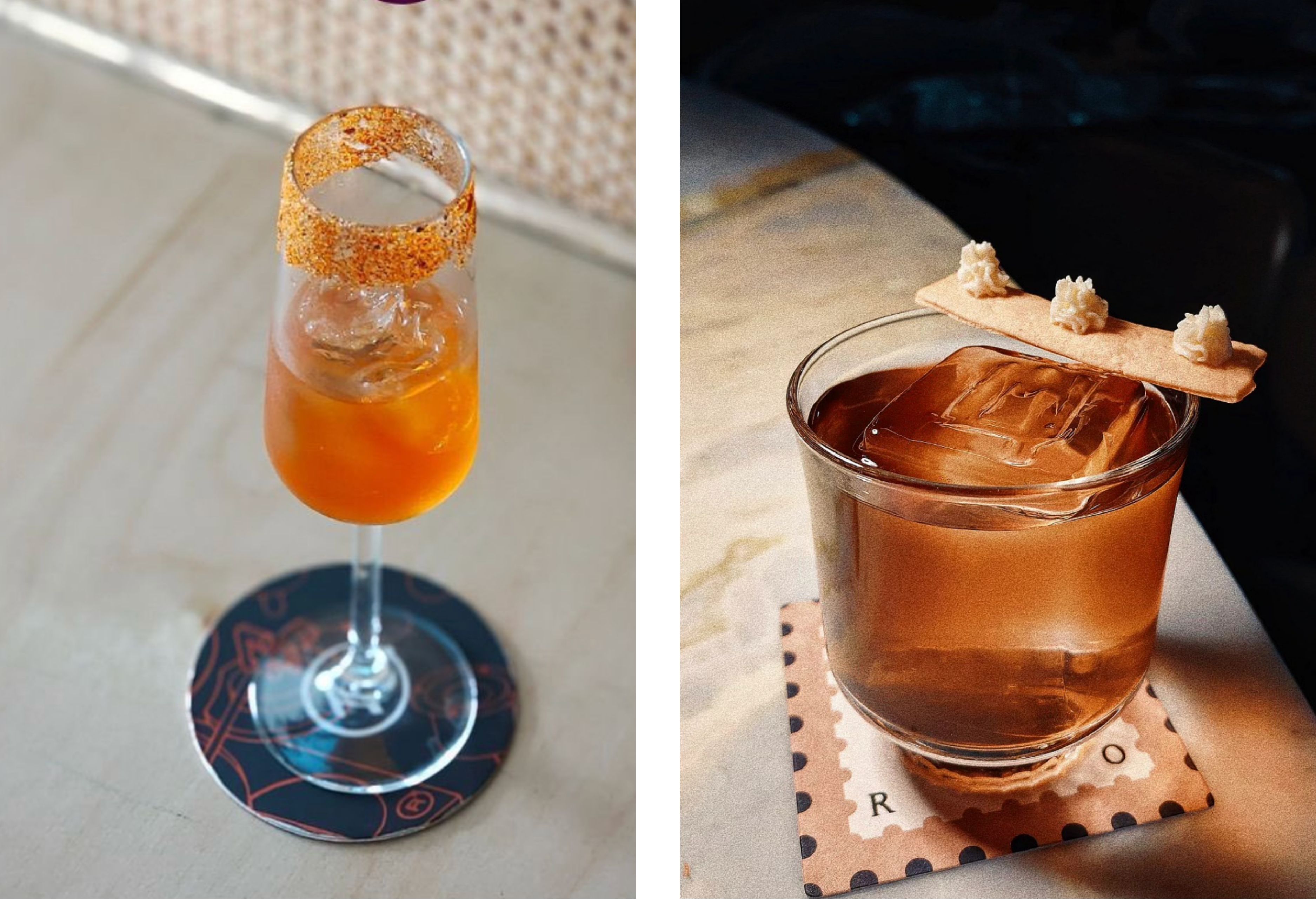
At Amaraath, a luxury resort in Goa, LAB, the cocktail bar by Pankaj Balachandran, offers a classic Manhattan with a distinctly Goan twist. Here, whiskey meets miso crafted by Brown Koji Boy, using local ingredients such as Goan chickpeas, chana dal and red rice to create a sustainable, Indian take on the traditionally Japanese ingredient. The result? A savoury-umami Manhattan that is rooted to Goa. In the Fermentation festival by Desi Cultures, Prachet Sancheti’s talk on the development of the liquid pantry with Koji was astounding.
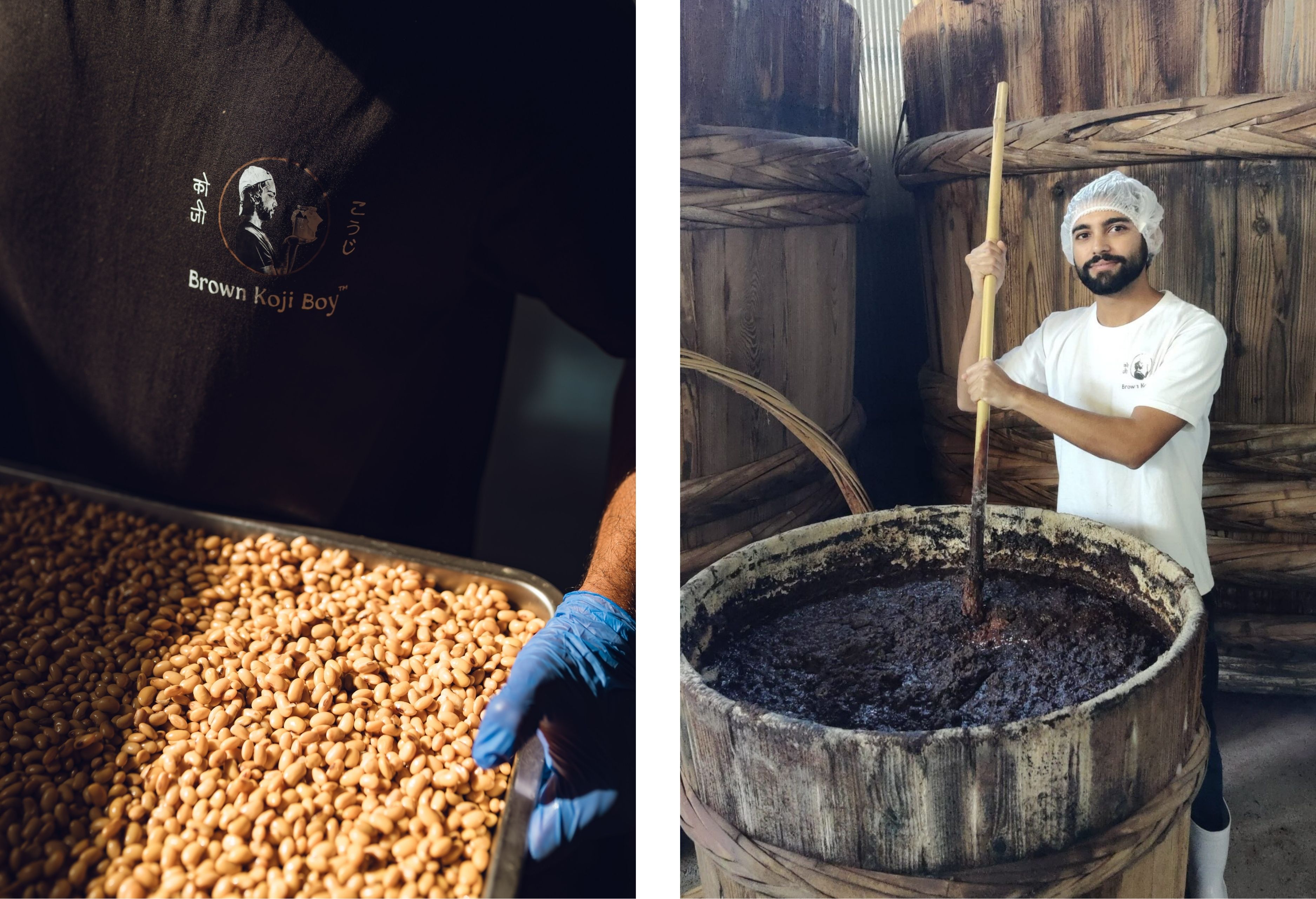
Prachet Sancheti, founder of Brown Koji Boy, is exploring what happens when koji steps out of its Japanese comfort zone and gets acquainted with Indian ingredients. Fascinated by miso, he began experimenting with everything from ‘maa ki daal’ his black rice miso before turning his attention to liquid pantry, ‘a format that travels well and leaves plenty of room for experimentation’, he says during his session at the online fermentation festival.
The goal isn't simply to make another ferment, but to add depth, lower salt, boost sweetness without sugar or bring out better caramelisation, he adds.
Rice doesn't have to remain rice. A single batch of koji can be pushed through several transformations—from amazake and grain extracts to syrups, savoury seasonings, brewing bases and vinegar.
With Brown Koji Boy, India’s first fermentary crafting koji-based products, Prachet is turning one humble mould into a surprisingly versatile flavour toolkit. And if you find yourself at Jsan in Goa, look out for the miso beurre blanc with mushrooms and Brown Koji Boy’s aged miso, a proof that koji can play beautifully beyond its usual Asian repertoire.
Payal Shah, co-founder of Kobo Fermentary, a flavour lab, think tank and creative fermentation studio based in Bengaluru, is also a co-curator of Desi Cultures 2026, who sees fermentation as a catalyst for innovation, with its influence extending beyond food into design, fashion and sustainability. The conversation goes deeper and traces back to the opening session by Dr. Dolly Kikon as she explores the connection between fermenting traditions and the land. In an age of climate change, monocropping and growing concerns around farmers’ rights, fermentation offers more than a flavour hit. It gives us a way to bottle the seasons, preserve biodiversity, honour food traditions, identities and, ultimately teaches us to work with nature rather than against it.
Sign up to explore the festival at your own pace! As a new participant, you'll receive unlimited access to the complete library of recordings and resources—available with no time limit.
Don't miss this opportunity to immerse yourself in the world of fermentation. Hit the link and become a part of Desi Culture's Fermentation Festival!
P.S: Founded by Shubhra Chatterji in 2020, Desi Cultures has grown into a thriving fermentation community. Desi Cultures 2.0, supported by Edible Issues, Payal Shah of Kobe Fermentary Shivani Unakar and Elizabeth Yorke, brings together practitioners for a week-long talks on the evolving world of fermentation and preservation in India.