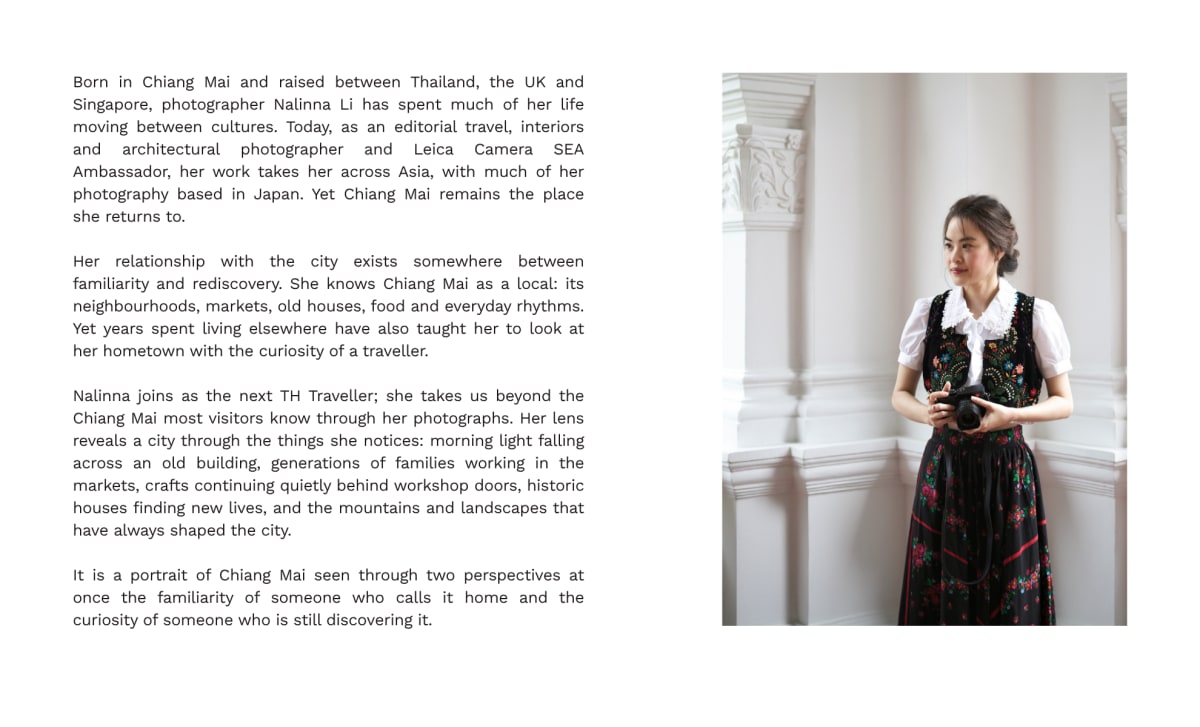
“To see your hometown clearly, sometimes you have to leave it.”
Chiang Mai Caught in Two Perspectives
I was born and raised in Chiang Mai, but much of my education and adult life took me abroad, particularly to the UK and Singapore. Coming home after spending years elsewhere changed the way I looked at the city.
Chiang Mai is deeply familiar to me, yet I often find myself observing it with the curiosity of someone arriving for the first time. I know the stories behind certain neighbourhoods and the rhythms of everyday life, but my time away has taught me to notice details I might once have overlooked.
Perhaps that is why photography became such a natural way for me to reconnect with my hometown. I photograph Chiang Mai neither entirely as a local nor as a visitor, but somewhere in between.
The City I Return To
What I love most about Chiang Mai is that its character is rarely announced loudly. You find it in layers—an old timber house beside a contemporary café, a centuries-old temple that remains part of everyday neighbourhood life, or a craftsperson quietly continuing a practice passed down through generations.
The Chiang Mai I photograph is often found in these quieter transitions: between old and new, city and nature, tradition and contemporary life. Having grown up here, many of these things once felt ordinary to me. It was only after spending years away that I began to see how extraordinary they really are.
Every time I return, I find something I had never noticed before. In that sense, photographing Chiang Mai has become a way of rediscovering a place I thought I already knew.
A Neighbourhood That Houses A Historic Community
Wat Ket is particularly personal to me. It is the neighbourhood where I was born and raised, an old riverside community shaped by generations of local families and different cultural influences. It is also where Forest Bake began.
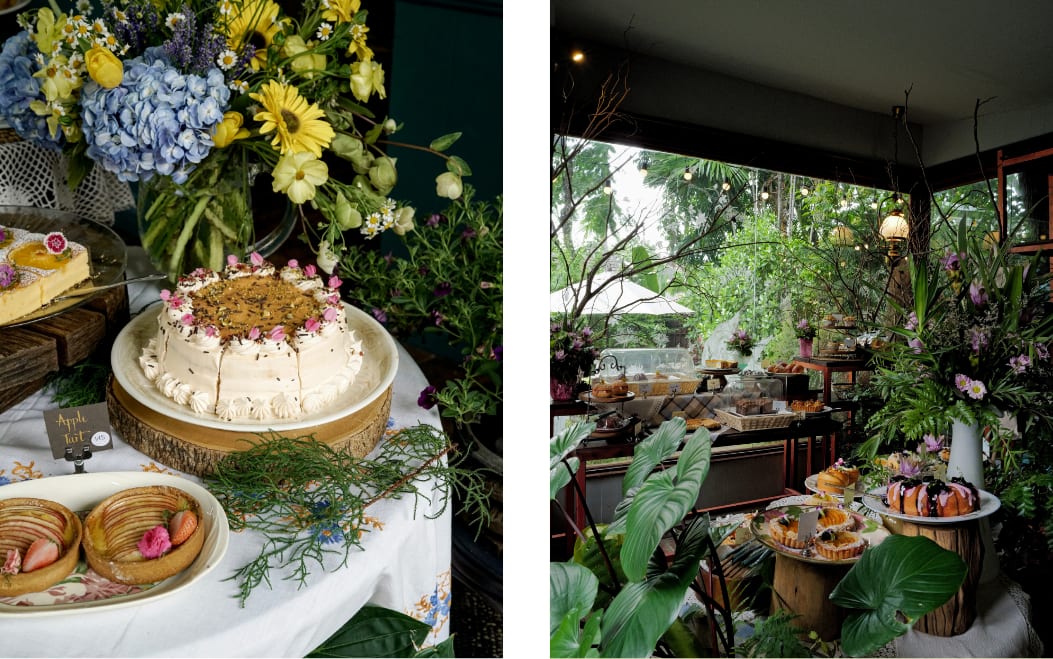
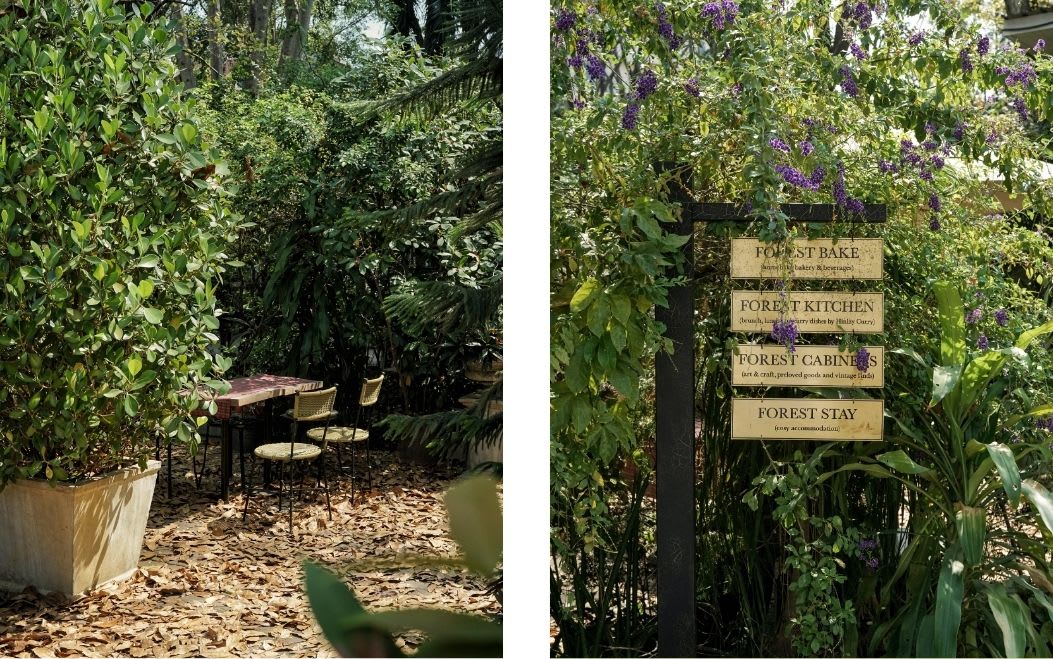
Forest Bake grew from my connection to this place and the way of life I associate with Chiang Mai. More than simply a bakery, it became another way for me to create something rooted in the environment I grew up in—a small space surrounded by greenery, tucked quietly within the neighbourhood I call home.
Perhaps this is why I am always drawn to places with a strong sense of belonging. Whether I am creating a space or photographing one, I am interested in the relationship between people, place and memory—and the stories that quietly remain.
The City’s Architecture Becomes a Keeper of History
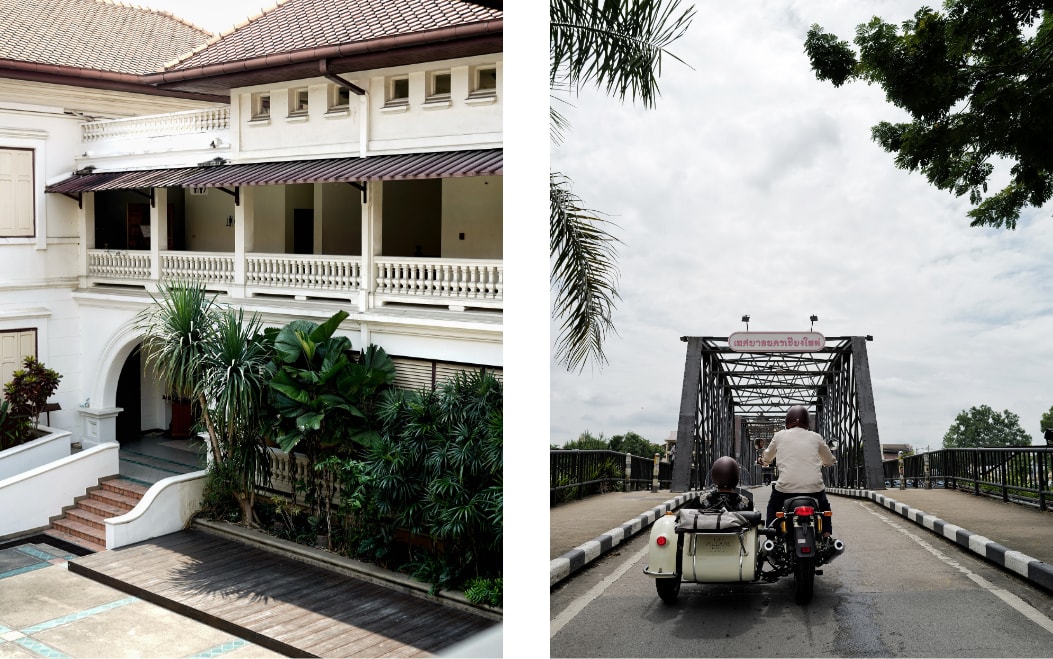
I have always been drawn to old buildings and spaces that carry traces of the people who came before us. In Chiang Mai, history is not something that exists only behind museum walls. It lives quietly within the city, in old timber houses, weathered details and architecture that has adapted to new generations while holding on to its past.
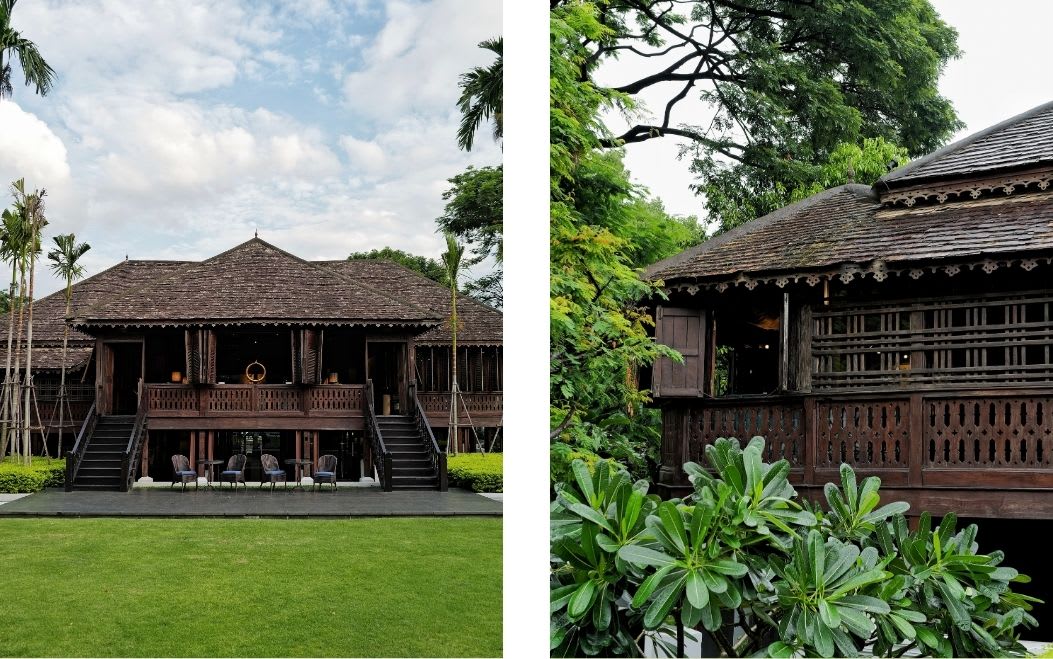
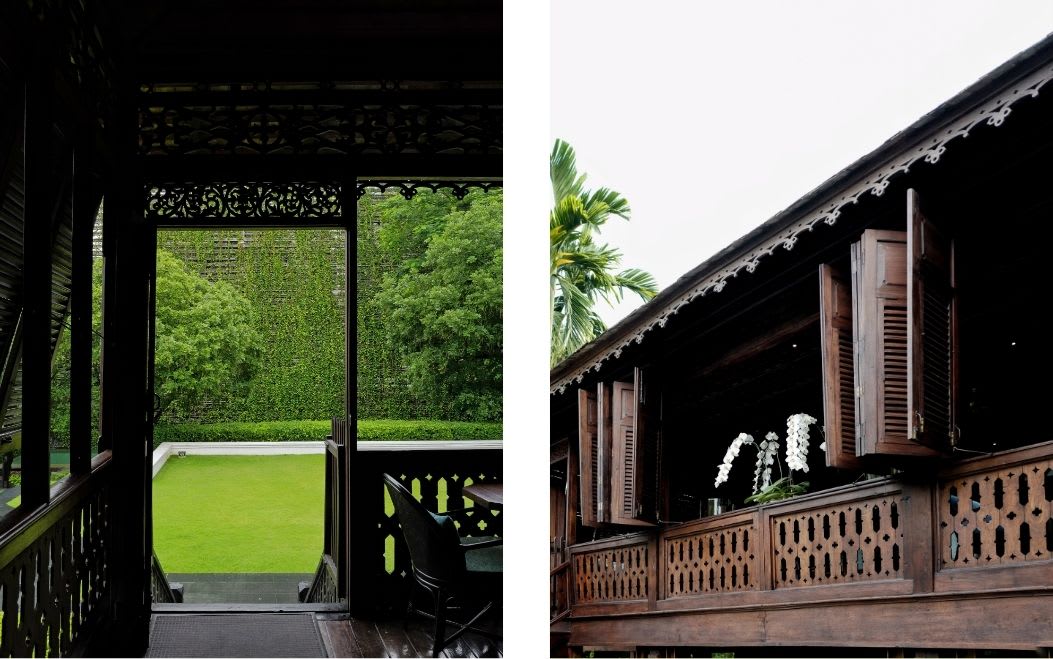
Places such as 137 Pillars House fascinate me because they allow architecture to become a form of storytelling. When I photograph these spaces, I am interested not only in how they look, but in what they remember, the light that moves through them, the details that have survived and the layers of history that give each place its character. For me, photographing architecture is a way of preserving the feeling of a place, even as the city around it continues to change.
The Vibrant Markets That Fuel Creative Inspiration
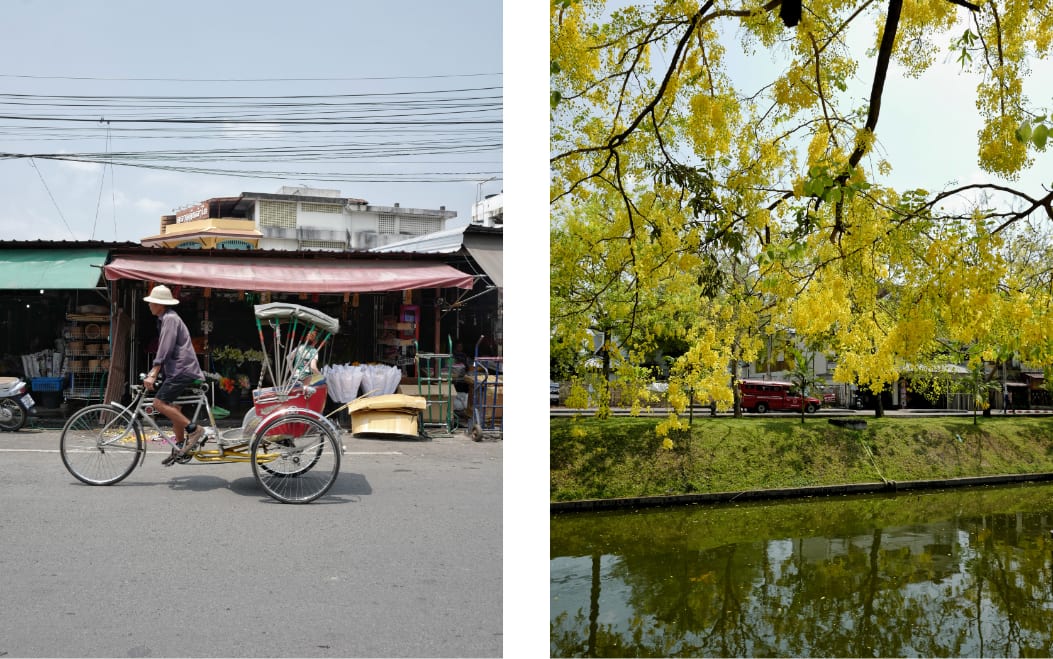
Some of the places that feel most like home to me are the everyday markets I grew up around. San Pa Koi Market, close to my home, and Warorot Market have long been part of the rhythm of local life, places where people come for fresh produce, ingredients, flowers and the things they need each day.
These are the places where I love to observe Chiang Mai at its most natural: generations of vendors, familiar faces, conversations across stalls and the simple routines that repeat each morning.
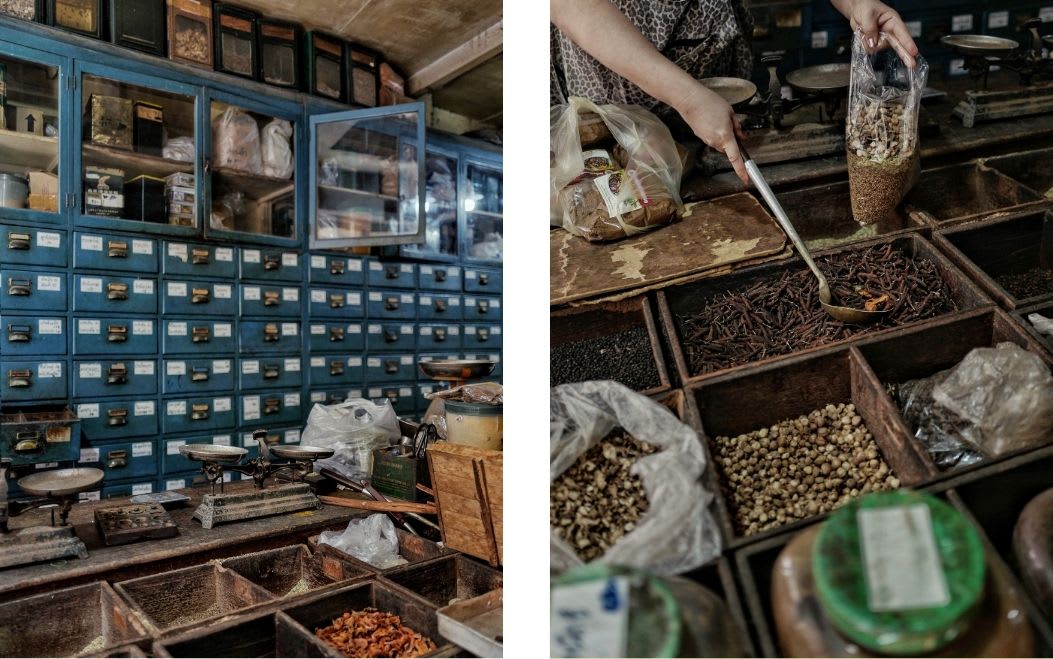
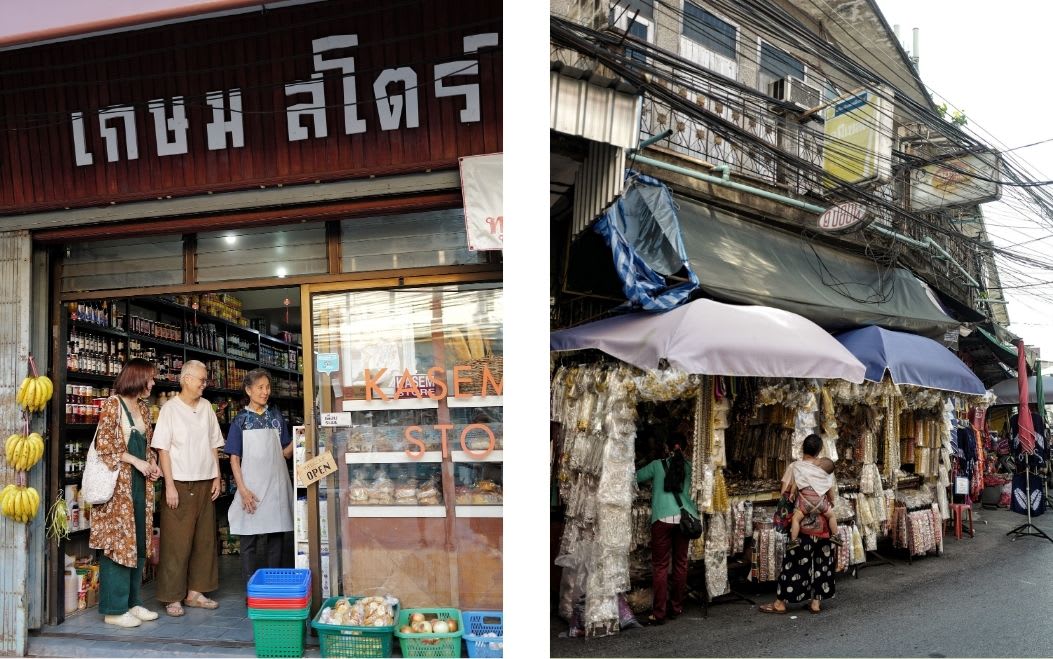
When I photograph these markets, I am less interested in simply documenting what is being sold. I look for the people, gestures and small moments in between—the details that may seem ordinary but, together, tell the story of the Chiang Mai I grew up with.
Heritage, Expressed Through Craftsmanship
Craftsmanship has always been an important part of how I see Chiang Mai. Across the city and its surrounding communities, there are still makers working with wood, clay, textiles and other materials, often using knowledge and techniques passed down through generations.
When I photograph craft, I am often more interested in the hands than the finished object, the marks of repetition, the tools on the table, the textures of the materials and the concentration of the maker.
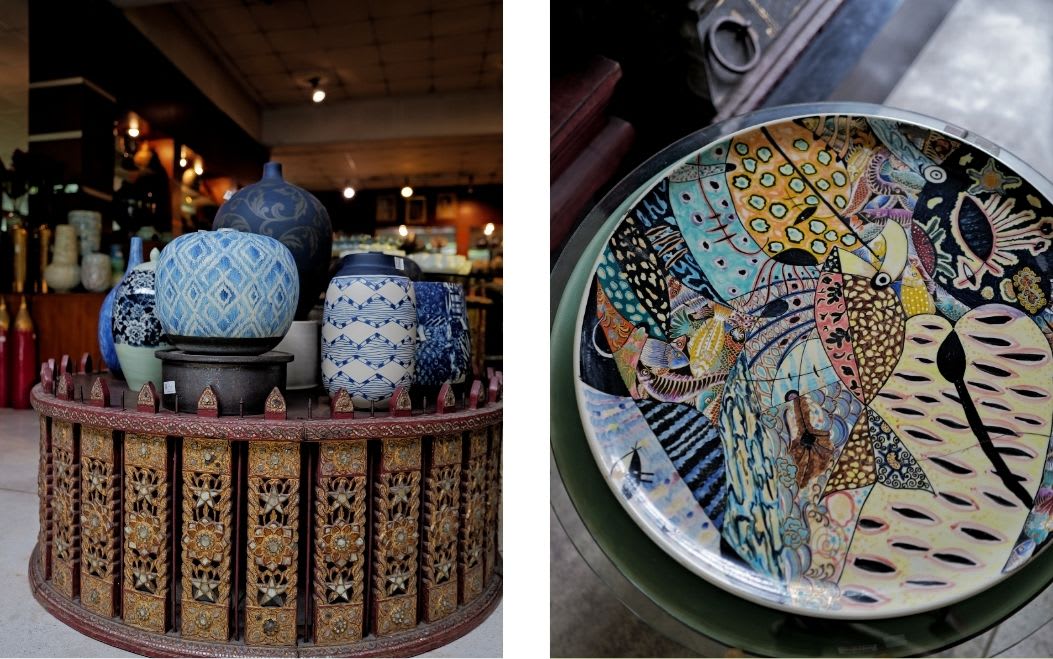
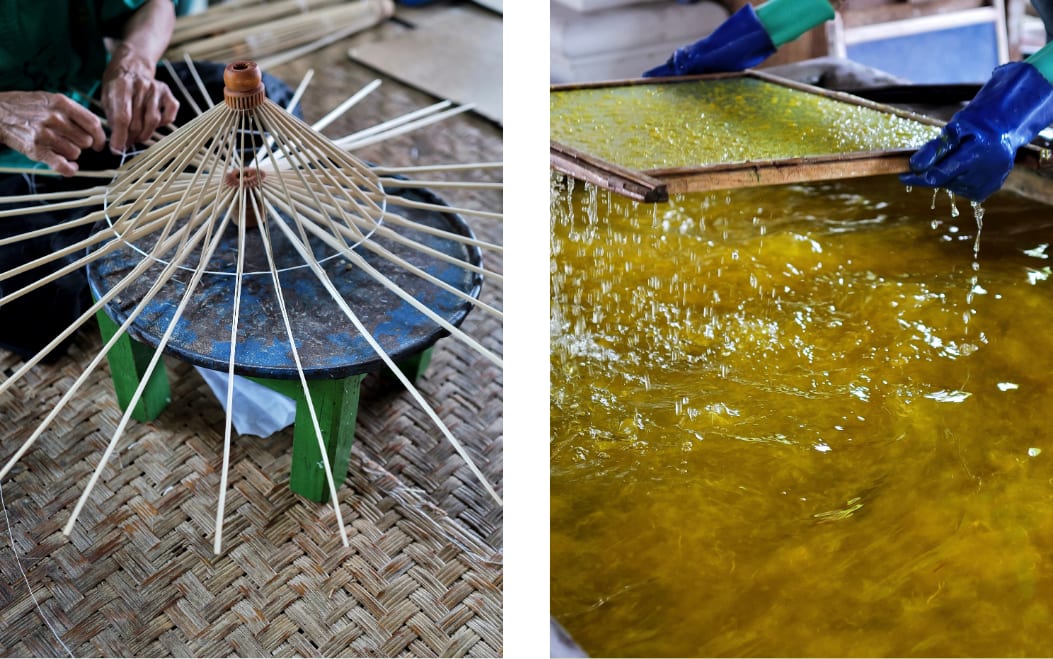
These quiet details tell me as much about Chiang Mai as any landmark. They reveal a city where tradition is not simply preserved, but continues to evolve through the people who keep making.
The City Through Food
Food has always been one of the ways I understand and remember a place. In Chiang Mai, it is deeply connected to family, community and everyday life, from ingredients found in local markets to small family-run shops and dishes that have been prepared in much the same way for generations.
I rarely photograph food as something separate from its surroundings. I am interested in the people who prepare it, the spaces where it is served and the stories behind it.
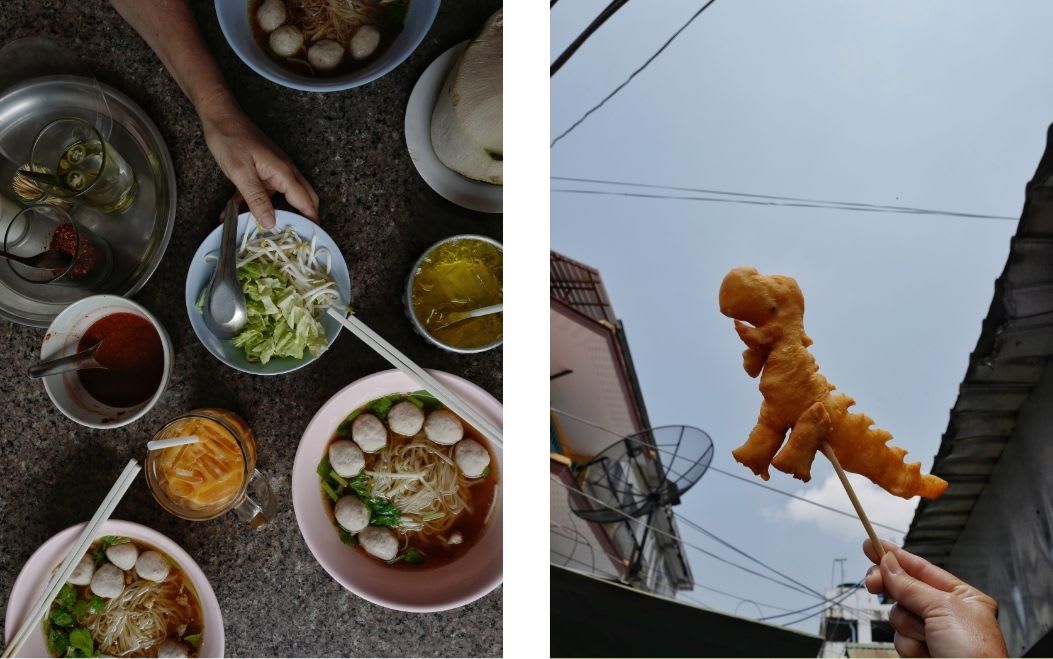
For me, food is another form of storytelling. It tells us where we are, who has lived here and what has been passed from one generation to the next.
Where Chiang Mai Gathers Today
Alongside the places that have shaped Chiang Mai for generations, I am equally interested in the new spaces that reflect how the city continues to evolve.
Places such as Jing Jai Market, Baan Kang Wat, Bamboo Family Market and Khlong Mae Kha bring together a different side of Chiang Mai—one shaped by independent makers, artists, craftspeople, food and creative communities. Each has its own character, yet they share a sense of connection that has always been part of the city.
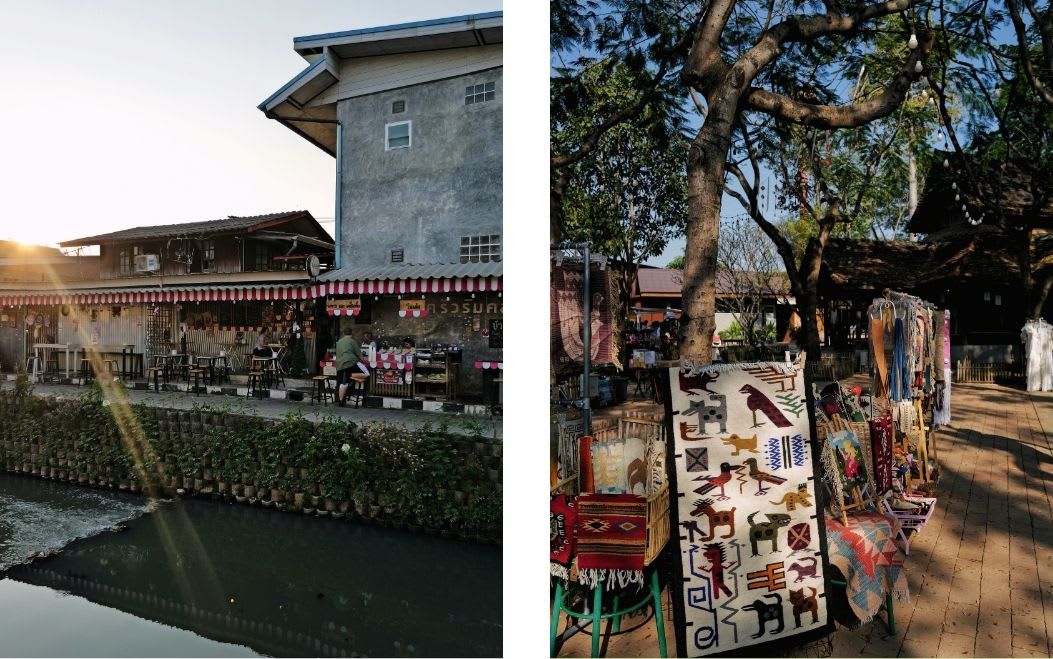
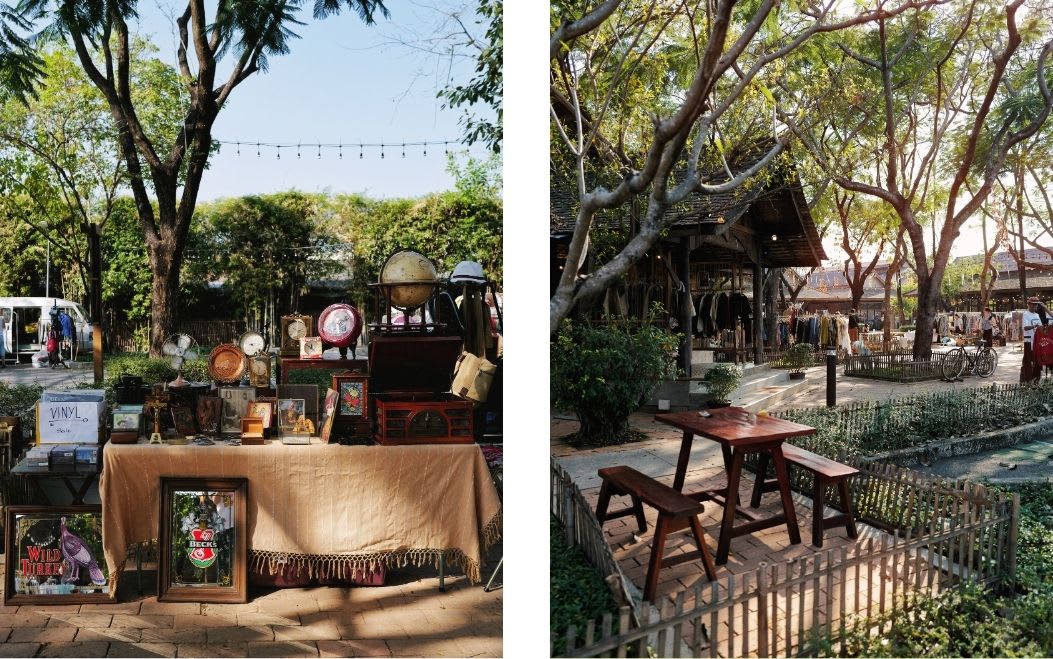
I find the contrast fascinating. The Chiang Mai of my childhood still exists, while a new generation continues to reinterpret what local culture can look like. Photographing these places allows me to see a city that is not standing still, but evolving in its own way while holding on to the sense of community that has always made it feel like home.
The Sacred Spaces That Shape Chiang Mai's Culturescape
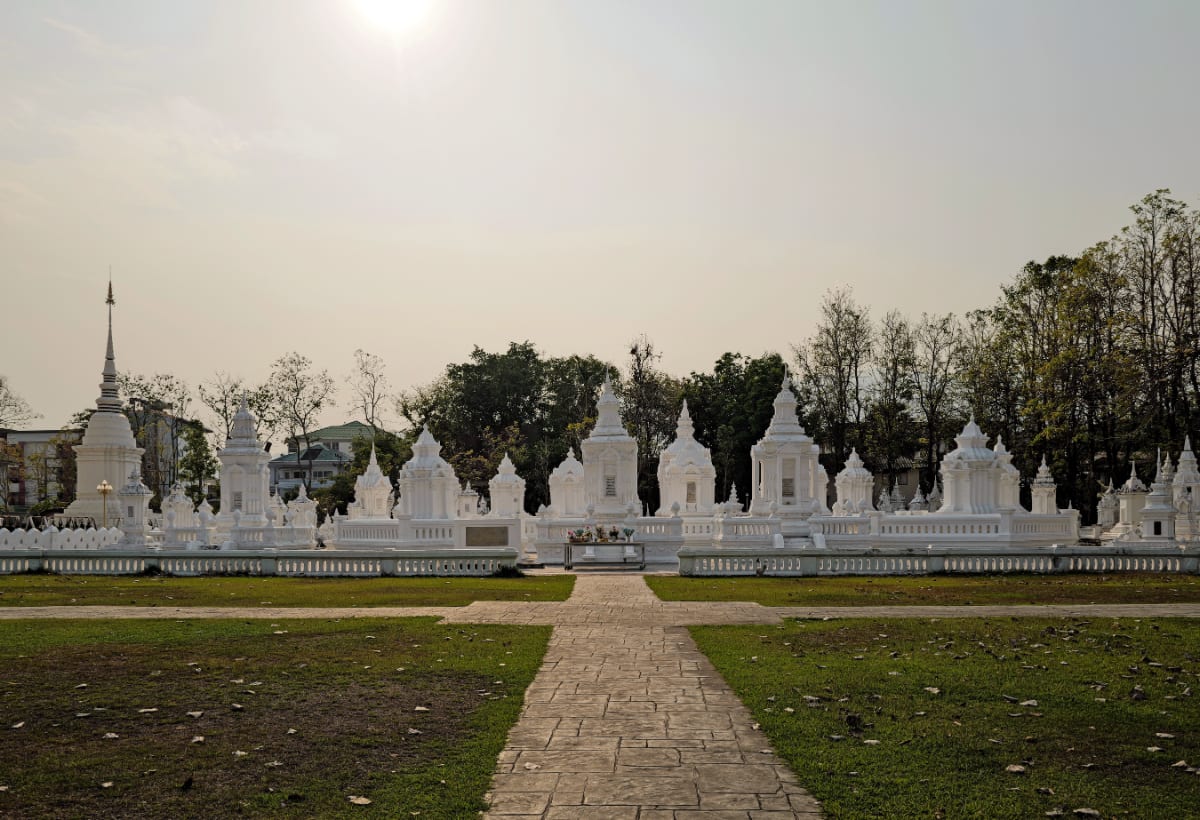
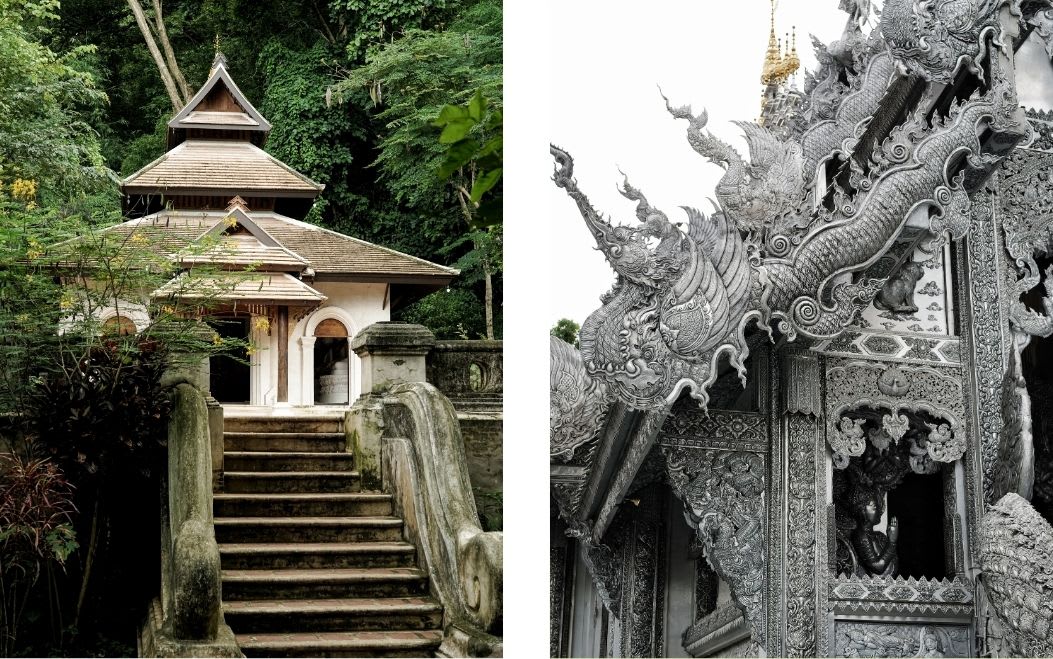
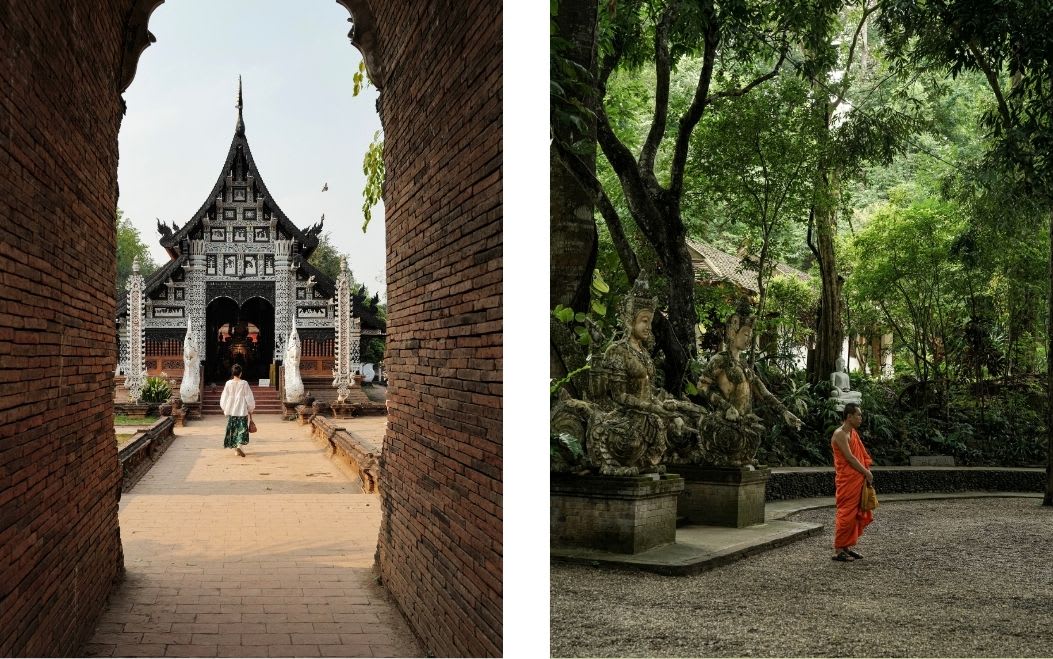
Temples are an inseparable part of life in Chiang Mai. They are not simply historic monuments or places to visit, but living spaces woven into the everyday rhythm of the city and its communities.
When I photograph temples, I am often drawn to the quieter details rather than the grand view, the morning light, flowers and offerings, an old doorway, the texture of a wall or someone simply passing through.
Beyond the City
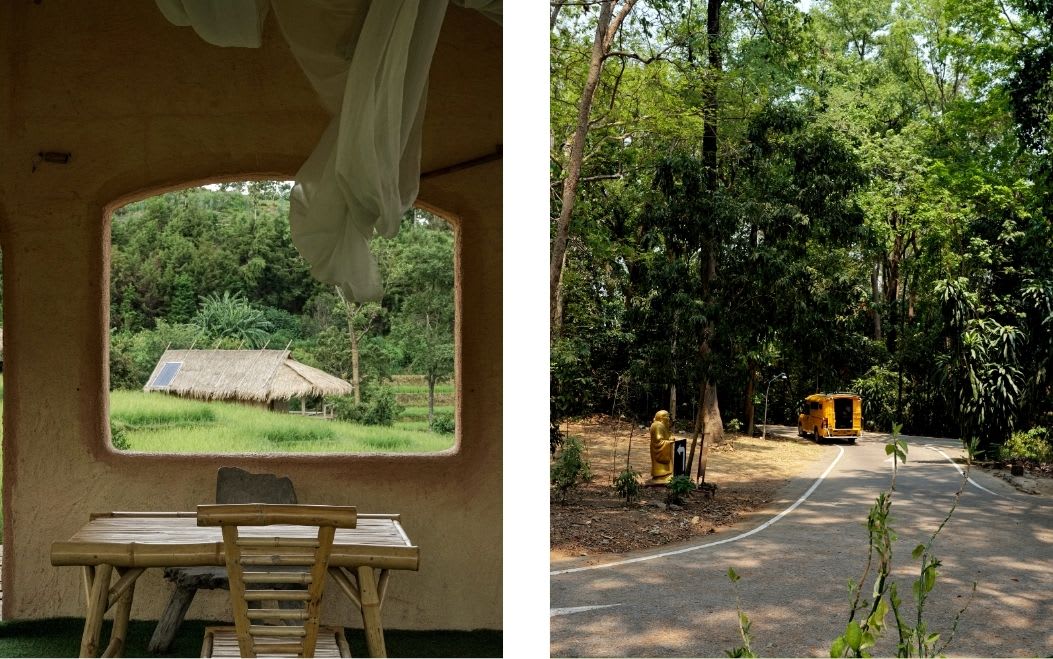
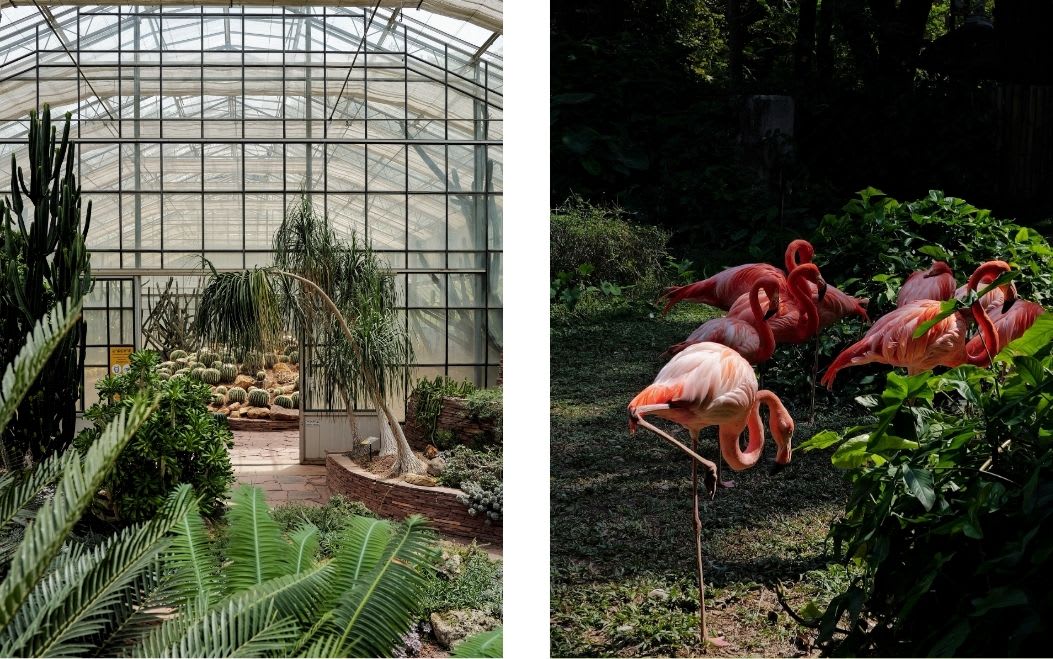
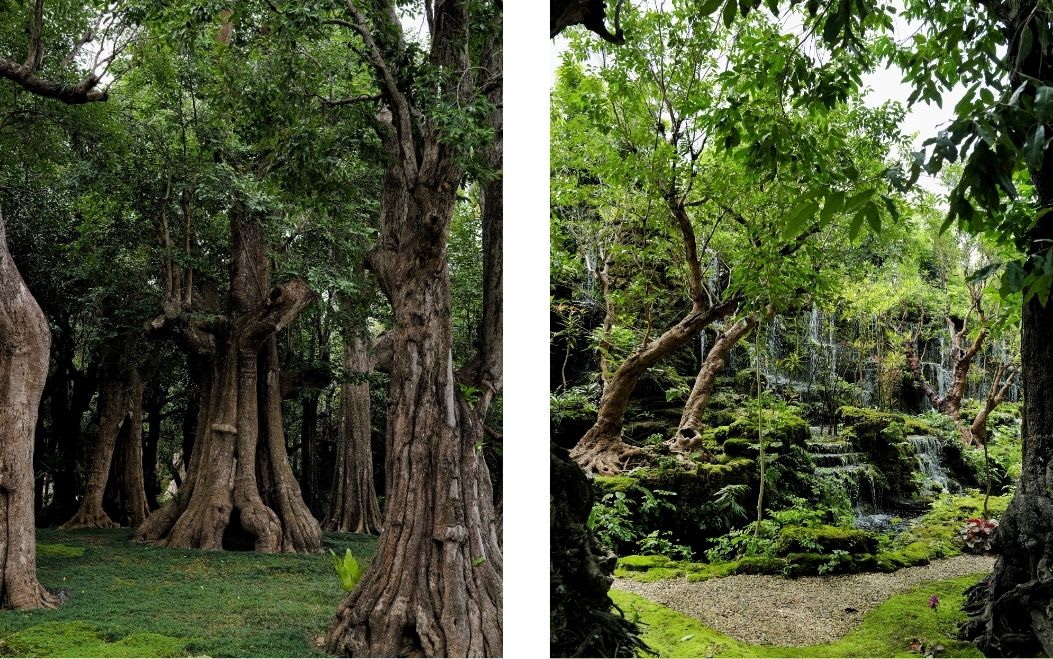
Nature has always been part of how I understand Chiang Mai. The mountains, forests, rivers and changing seasons are never far away, shaping not only the landscape but also the rhythm of life here.
When I photograph nature, I am drawn to the same things I look for in the city—light, atmosphere and quiet details. A mountain disappearing into the morning mist, sunlight moving through the trees or the stillness of the landscape after rain.
No matter how far I travel, Chiang Mai is the place that continues to teach me how to look differently. Perhaps knowing a place well does not mean there is nothing left to discover. Sometimes, it simply means learning to look at it again.
Home Seen Again
The more I travel, the more I realise that home is not always the place we know best. Sometimes familiarity makes us stop looking closely.
Photography has given me a reason to keep looking at Chiang Mai, to notice what has changed, what has remained and the small details I once passed without a second thought.
I may see the city differently now from how I did growing up, but perhaps that is what makes coming home so meaningful. Chiang Mai remains familiar, yet there is always something new to discover.
And perhaps that is what home means to me: a place I can return to again and again and still find another story waiting to be told.