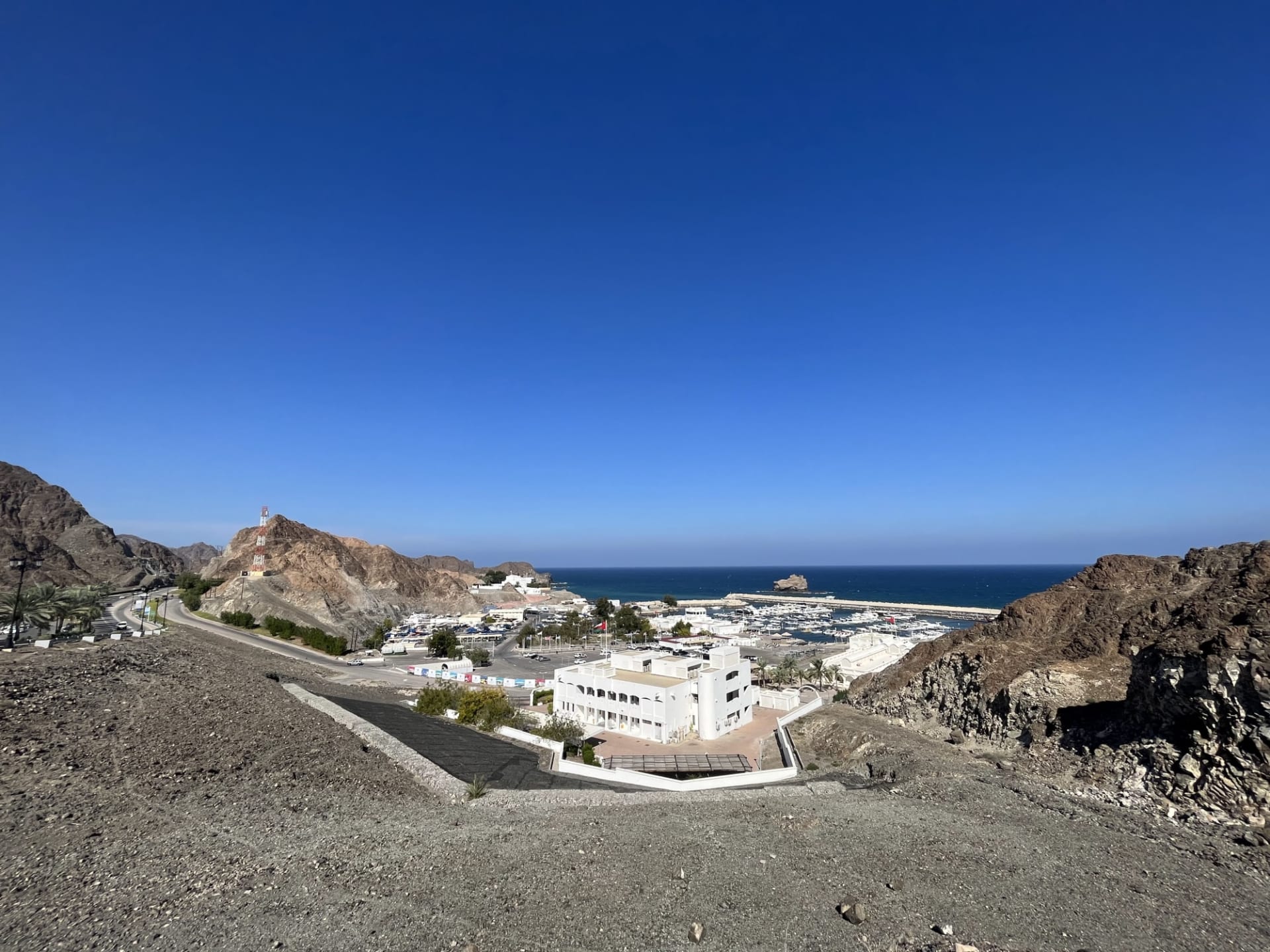
Right after I stepped off my flight, Muscat welcomed me with a meteor shower. My friends took me to the top of a mountain to watch the night sky light up, and I knew then that this trip would be unlike any other.
Some road trips are about reaching a destination. This one was about watching Oman reveal itself, mile by mile. Smooth, modern highways wound through ancient, sun-sculpted valleys, with the landscape changing around every bend. The deep blue sea met bare, rugged rock. Green palms appeared unexpectedly in the arid landscape. Ancient towns gave way to winding mountain roads, and eventually, the vast, unbroken silence of the desert.
By the second day, I had stopped worrying about what came next. I let the window down, kept my camera close, and left the itinerary blissfully open. Oman, I realised, was a place best experienced without rushing to the next stop.
Muscat: Coastal Beginnings and Ocean Wonders
We began our journey at dawn in Muscat, where the rugged peaks of the Al Hajar Mountains meet the turquoise waters of the Gulf of Oman. Unlike its glittering neighbours in the Gulf, Muscat has a character all its own. Its skyline remains low, shaped by tradition, while the air carries the scent of frankincense and sea salt.
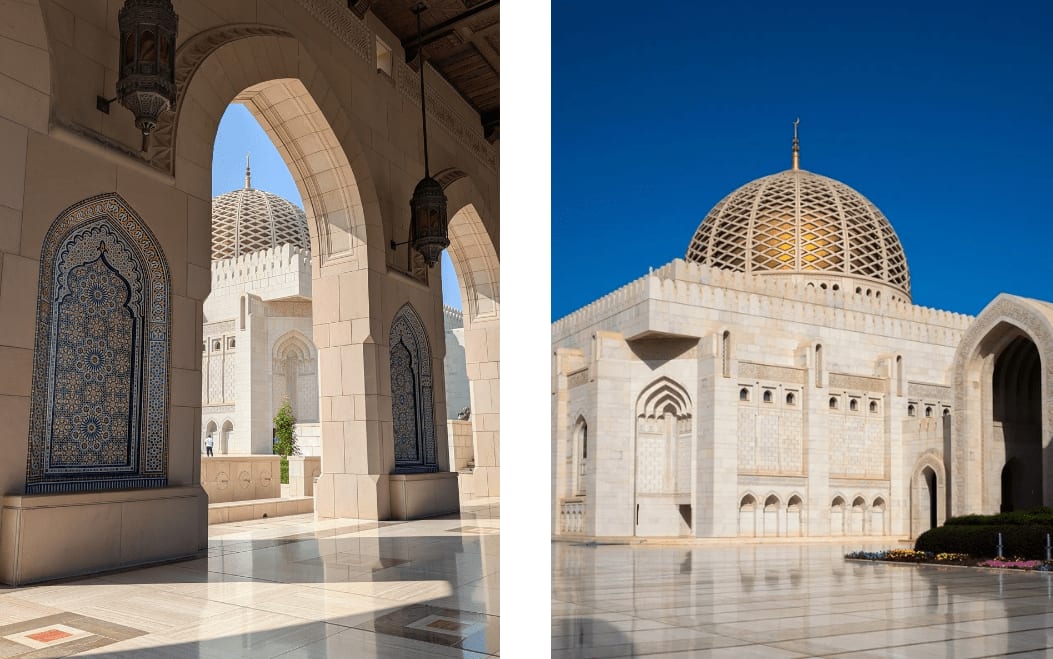
Before venturing inland, we spent time exploring the capital's cultural and natural highlights. Our first stop was the majestic Sultan Qaboos Grand Mosque, where architectural grandeur meets an extraordinary sense of tranquillity. The craftsmanship is breathtaking, from the massive hand-woven Persian carpet that took four years to create to the dazzling Swarovski crystal chandelier suspended from the central dome like a brilliant star.
From the quiet marble halls, we headed out to sea in search of a different kind of wonder. A short boat ride brought us to the Daymaniyat Islands, a protected marine nature reserve that feels like a hidden paradise. We snorkelled in crystal-clear waters alongside gentle sea turtles and vibrant marine life. It was the perfect introduction to Oman's natural beauty before we turned our attention to the landscapes waiting inland.
Leaving the coast behind, we watched the urban sprawl give way to vast plains of gravel and stone. Driving in Oman is remarkably seamless, with immaculate multi-lane highways, clear signage, minimal traffic, and smooth asphalt making long-distance journeys a pleasure. Yet, for all its modern infrastructure, the country retains a profound sense of stillness. One moment, we were passing manicured roundabouts and coastal embassies; the next, we found ourselves surrounded by a stark, almost lunar landscape.
Nizwa: Historic Soul and Local Flavours
The drive from Muscat to Nizwa takes roughly two hours, covering around 160 kilometres along Route 15. It is an introduction to the Omani interior, where low-slung, whitewashed buildings gradually give way to open terrain. As the highway climbs towards the interior plateau, the landscape shifts through shades of sandy beige, deep ochre, rust red and charcoal grey, with the jagged ridges of the Al Hajar Mountains rising along the horizon.
Arriving in Nizwa felt like stepping into Oman's historic soul.
Once the capital of the country during the 6th and 7th centuries, Nizwa has long been a centre of Islamic scholarship and trade. Its history is closely tied to the ancient falaj irrigation systems that have sustained settlements across the region for centuries. After miles of dry, open terrain, the sight of green palms and cultivated land felt almost unexpected, a reminder of how communities have learnt to thrive in this arid landscape.
The 14th-century explorer Ibn Battuta also travelled through the Sultanate and wrote about its prosperous settlements, bustling bazaars and religious life. Walking through Nizwa, it was easy to imagine how the city's markets and orchards once brought merchants and travellers together from across the region.
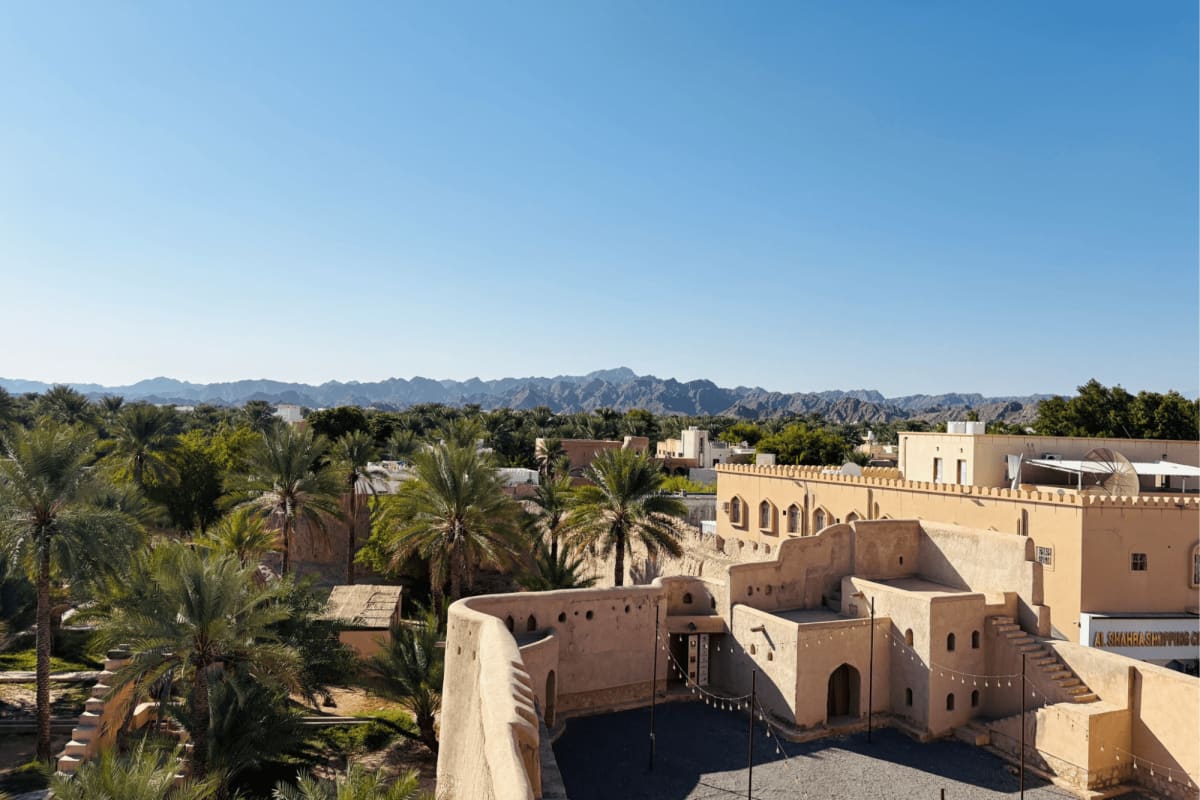
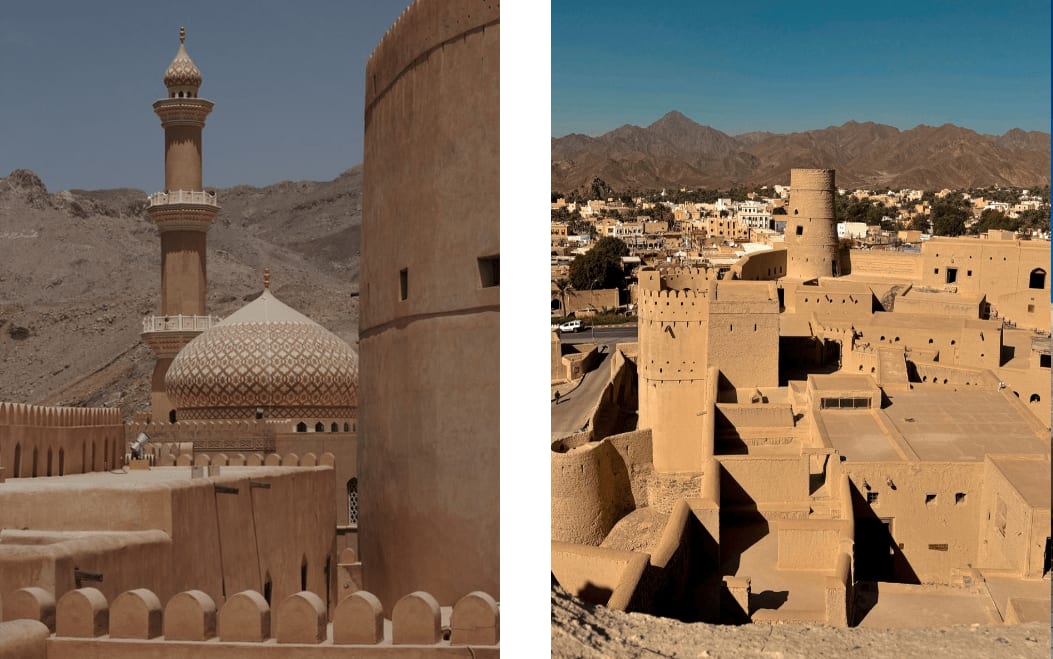
Towering over this historic oasis is Nizwa Fort, with its massive circular tower, a remarkable example of 17th-century military engineering. Built under Imam Sultan bin Saif Al Yarubi, the fort was designed to protect the town and its strategic wealth. Climbing to the top, we were rewarded with a striking view of the surrounding landscape. The imposing fortress, built from the earth beneath our feet, stood against a sea of green palms, with the grey mountains rising in the distance.
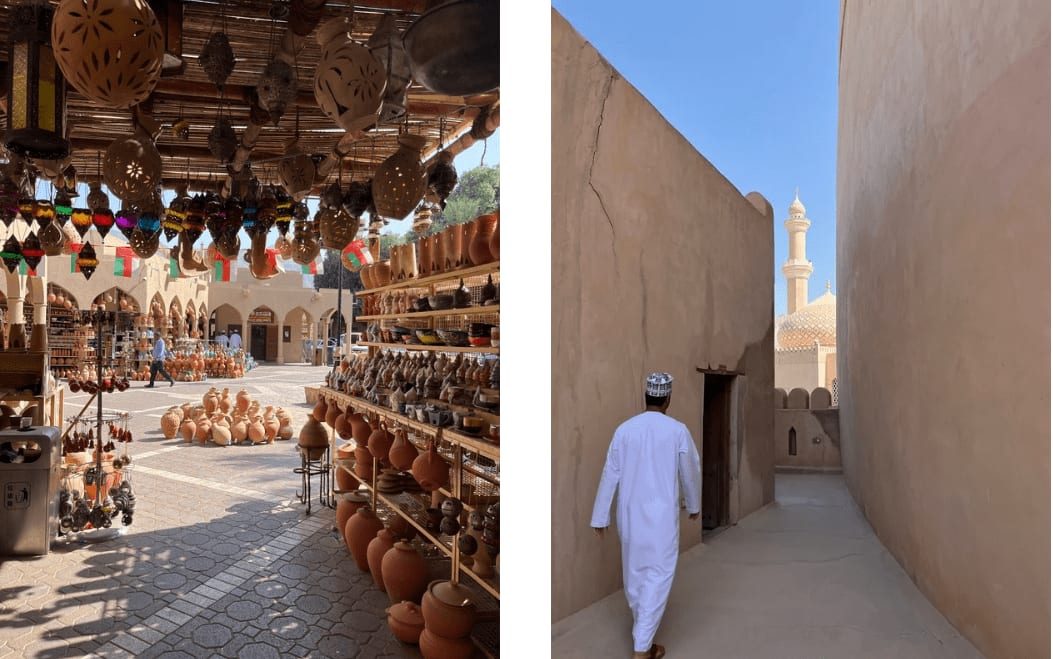
Just outside the fort, Nizwa Souk offered a glimpse of the city's enduring trading traditions. We wandered through its bustling lanes, taking in the sights and smells before settling down to savour Omani coffee, spiced with cardamom and saffron, alongside warm, rich halwa. The sweet, gelatinous treat was more than a local delicacy. It was a taste of the hospitality that continues to define this historic crossroads.
Jebel Akhdar: Canyons and Mountain Terraces
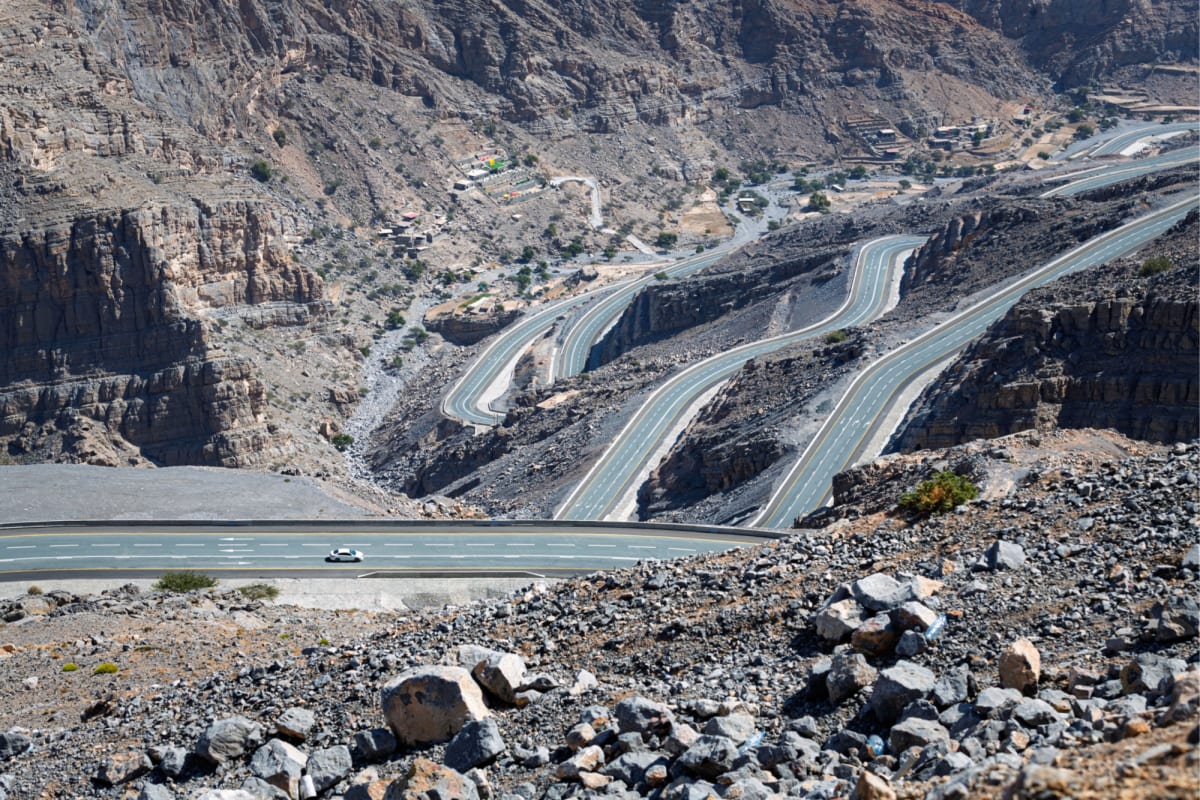
From Nizwa, the drive to Jebel Akhdar takes roughly an hour, covering around 45 kilometres. The final ascent, however, is an adventure in itself. A four-wheel-drive vehicle is required, and visitors must pass through a police checkpoint at the base of the mountain. From there, the road climbs steeply through sharp switchbacks and dramatic hairpin bends, winding along mountain walls towards elevations of more than 2,000 metres above sea level.
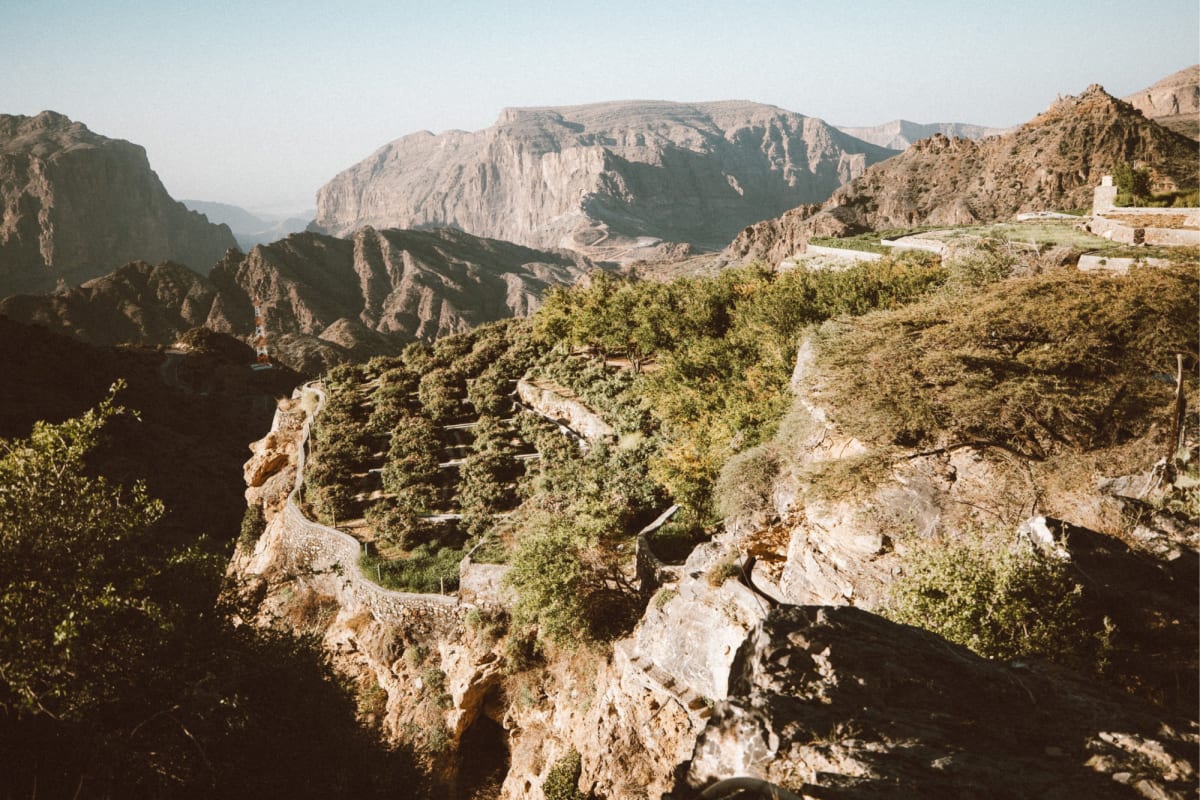
From Nizwa, the drive to Jebel Akhdar takes roughly an hour, covering around 45 kilometres. The final ascent, however, is an adventure in itself. A four-wheel-drive vehicle is required, and visitors must pass through a police checkpoint at the base of the mountain. From there, the road climbs steeply through sharp switchbacks and dramatic hairpin bends, winding along mountain walls towards elevations of more than 2,000 metres above sea level.
Jebel Akhdar, which translates to Green Mountain, seems an unlikely name for terrain that initially appears so barren. Yet tucked into its soaring slopes are terraced farms and ancient villages nourished by mountain springs. The region is particularly known for its pomegranates, walnuts, and seasonal Damask roses.
Once we reached the high plateau, the sheer scale of the landscape took my breath away. Deep wadis carved into the limestone, while villages clung to the edges of the cliffs, seemingly suspended between earth and sky. The rugged terrain was a world away from the coastal city we had left behind just a few hours earlier.
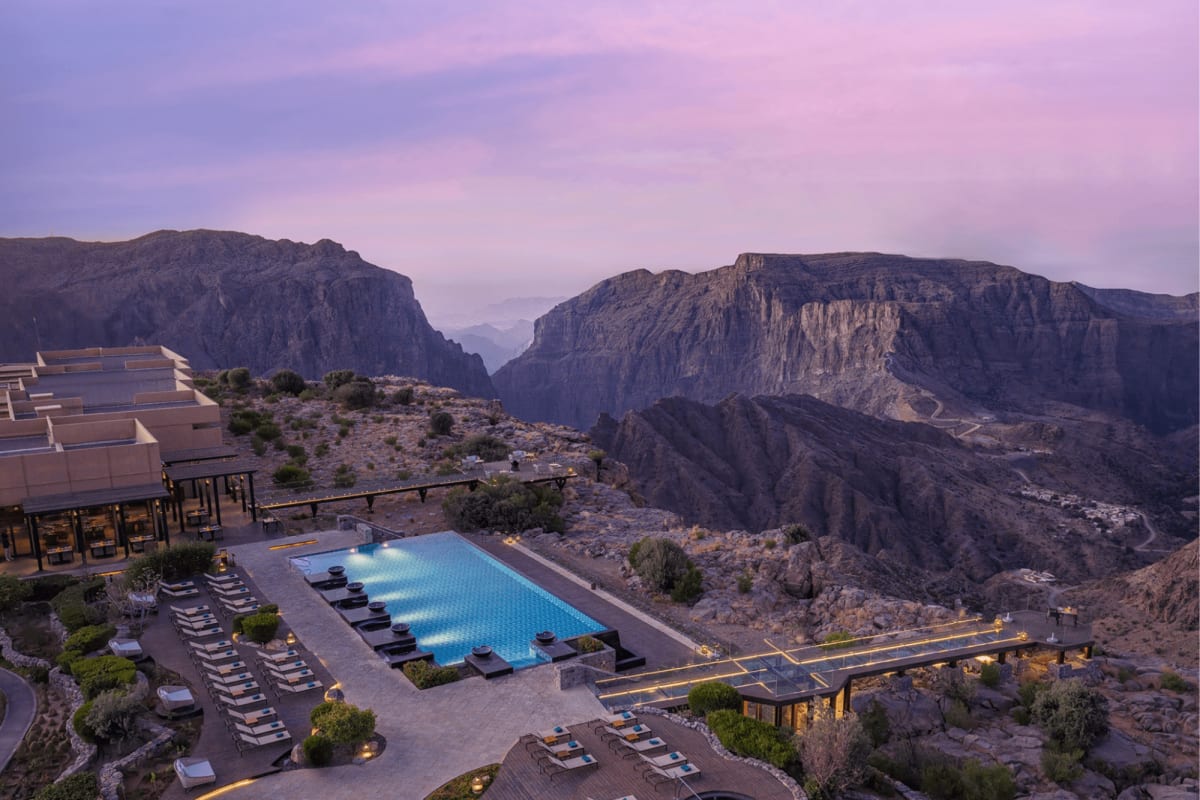
During our stay at Anantara Al Jabal Al Akhdar Resort, we checked into a Canyon View Room, where the mountains became an extension of our living space. Floor-to-ceiling windows framed the dramatic canyon, and it was a delight to watch mountain goats grazing along the rocky slopes below. Mornings were best spent stepping onto the private balcony with a freshly brewed coffee in hand, breathing in the cool mountain air as the landscape slowly came to life. There was something wonderfully indulgent about being tucked away in the mountains, with nothing but the vastness of nature for company.
The resort's sense of place extended well beyond the views. Omani-inspired design, thoughtful hospitality and a dining scene that brought together flavours from different parts of the world made the stay feel special. From international fare at Al Maisan to contemporary Italian cuisine at Bella Vista and Middle Eastern dishes at Al Qalaa, every meal offered another reason to linger a little longer.
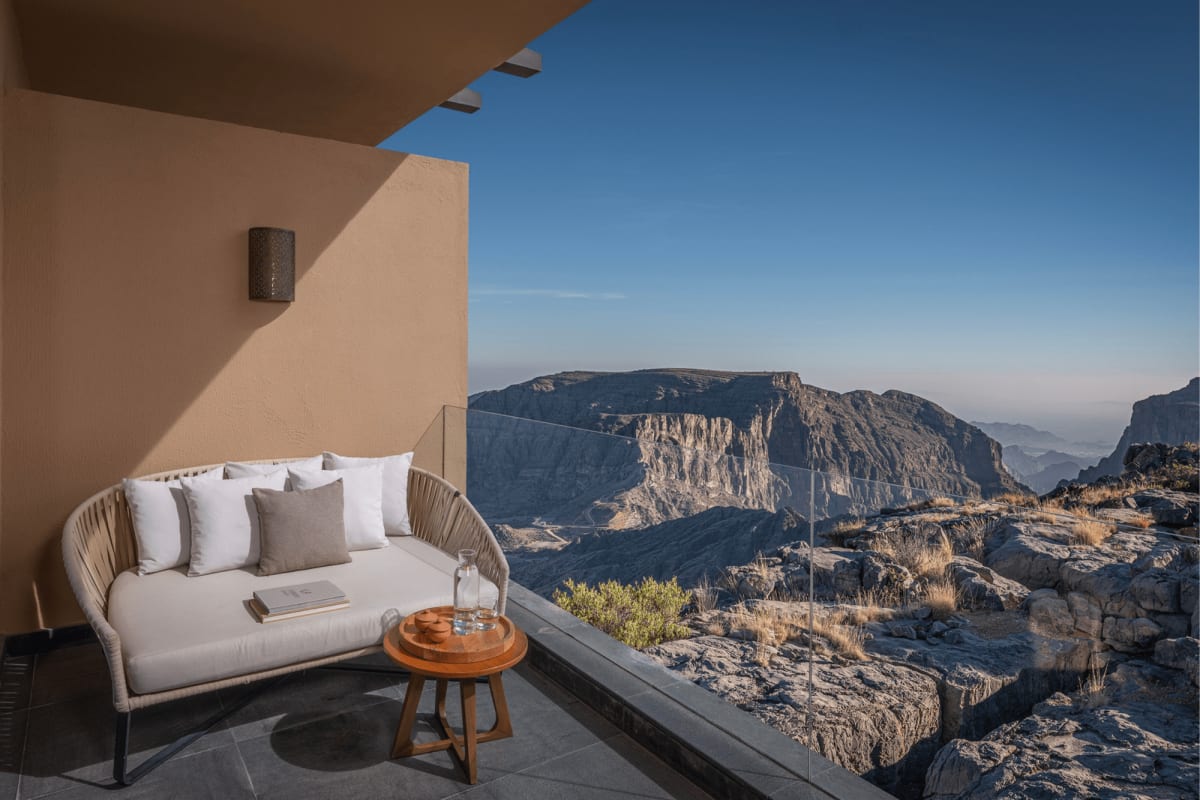
One of the most memorable moments was visiting the hotel's viewing platform, where Princess Diana once stood. Looking out over the immense canyon, with the mountains stretching into the distance, I felt wonderfully removed from the world below. The combination of crisp mountain air, dramatic cliffs, and an extraordinary sense of stillness made this more than just a luxurious mountain escape. It was a chance to slow down and experience a quieter, more intimate side of Oman.
Wahiba Sands: Endless Dunes and Desert Nights
Leaving the mountains behind, we descended towards Wahiba Sands, a drive of approximately two and a half to three hours from Jebel Akhdar. The winding mountain roads gradually gave way to expansive gravel plains, before we reached the gateway towns of Bidiyah or Al Wasil, where vehicles prepare for the sandy terrain by lowering their tyre pressure.
The grey rock of the mountains slowly disappeared, replaced by warm shades of beige and gold. Ahead of us stretched the immense expanse of Wahiba Sands, also known as Sharqiya Sands, where rolling dunes rise to heights of around 100 metres.
Here, the adventure took a different turn. After the careful driving required on the mountain passes, we traded the winding roads for the thrill of dune bashing. Guided by experienced local drivers, our four-wheel-drive vehicle raced over the sandy crests, kicking up plumes of golden dust against a brilliant blue sky.
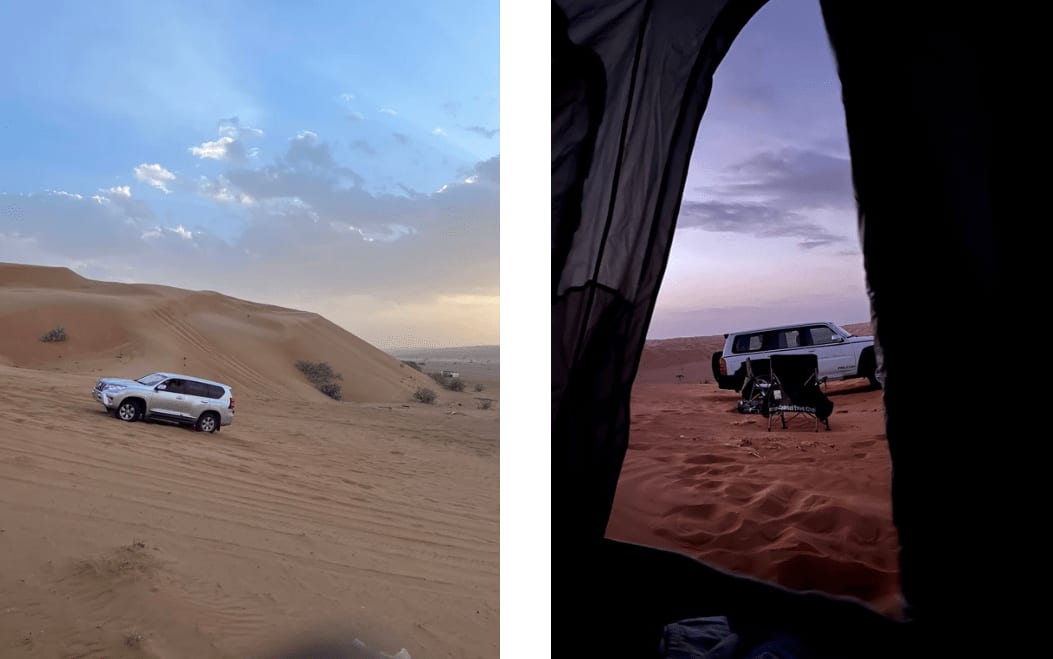
As evening approached, we settled into our desert campsite, ready to spend the night beneath a canopy of stars. Away from the noise of the city, the desert seemed to stretch into infinity. The silence was extraordinary, broken only by the occasional whisper of the wind across the dunes.
We woke early the next morning to watch the sunrise transform the landscape. Soft shades of rose and gold spread across the rolling sands, while the cold grains shifted beneath our bare feet. It was one of those moments when there was little to do except stand still and take it all in.
Bimmah Sinkhole: The Subterranean Falling Star
Our final leg took us from the desert back towards the coast, on a drive of roughly three hours and 230 kilometres towards the Bimmah Sinkhole. The road wound through dry riverbeds and sun-baked limestone hills, with the rugged terrain gradually giving way to the turquoise shoreline of the Gulf of Oman.
Then, almost unexpectedly, a flash of colour interrupted the dusty landscape.
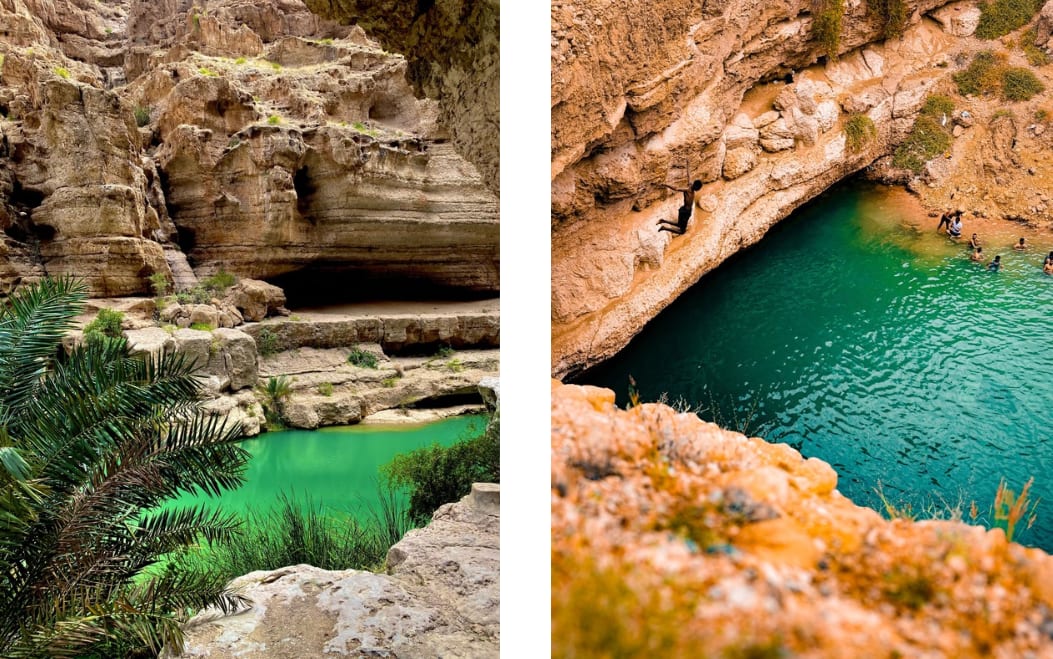
We had arrived at Bimmah Sinkhole, known locally as Hawiyat Najm, or the falling star. According to local legend, a meteorite struck the earth here, creating the remarkable depression in the limestone. Geologists attribute the formation to the collapse of underlying rock, but standing at its edge, I could understand the appeal of the more fantastical explanation.
Surrounded by a barren, dusty plain just a short distance from the sea, the ground suddenly drops into a vast natural pool of luminous turquoise water. Descending the concrete steps towards the water, I was struck by the contrast between the arid landscape above and the cool, inviting pool below. After days of dust, heat and winding mountain roads, taking a dip here felt wonderfully refreshing.
It was the perfect final stop on our road trip, a hidden oasis of colour and life tucked into an otherwise sun-scorched landscape.
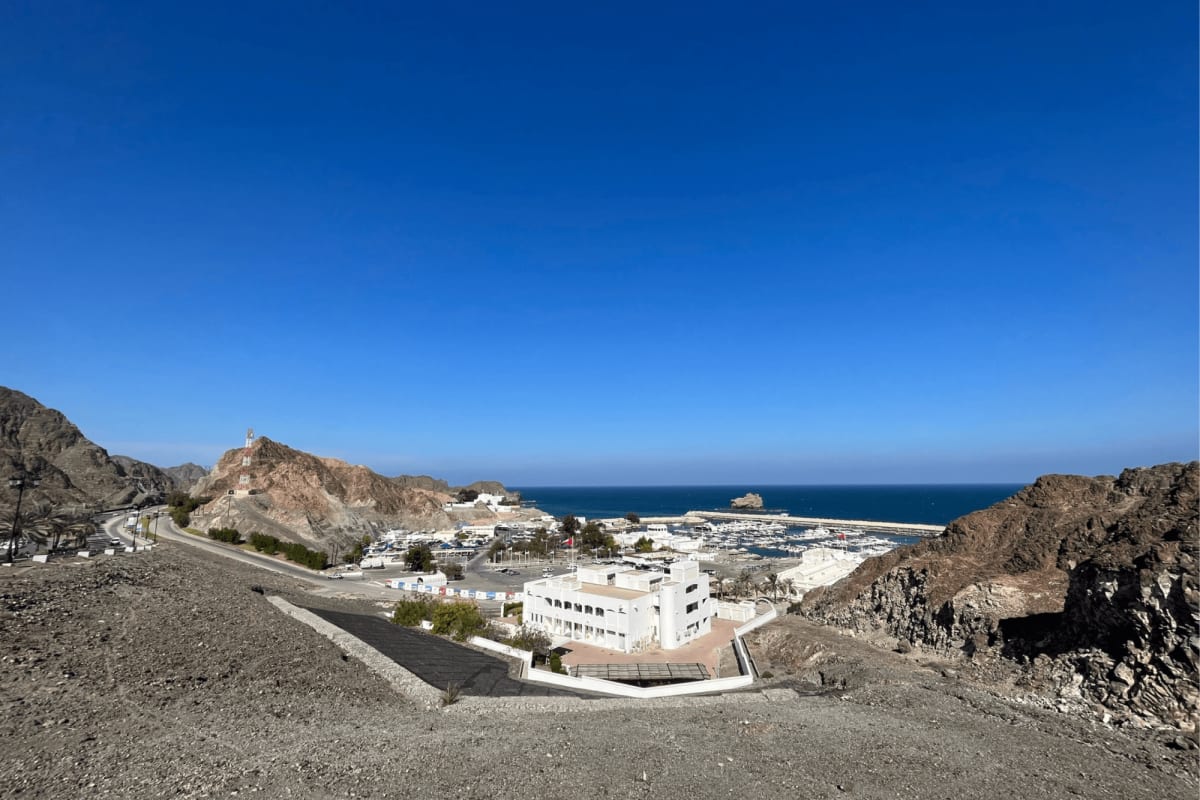
As we drove the final stretch of highway back to Muscat, with the blue of the Arabian Sea keeping us company, I began to reflect on what made this journey so memorable. Oman's magic lies in its refusal to be just one thing. You can watch the sunrise from a rugged mountain plateau, race across a sea of dunes by afternoon, and swim in a turquoise sinkhole before the day is done.
The landscapes do not always transition gently into one another. Instead, they appear in dramatic contrasts, each more surprising than the last. One moment, you are surrounded by mountains that seem to touch the sky; the next, you are gazing at an endless expanse of sand or the deep blue of the sea.
So come to Oman for its forts, mountains and deserts, certainly. But leave room for the road itself. Keep your camera close, your itinerary flexible and your eyes on the landscape. You never quite know what awaits you around the next bend.