Six hours from Bangalore, the landscape began to shift, giving way to an endless sweep of forest. I was reminded of Bill Bryson’s witty lines in A Walk in the Woods: “Woods are not like any other spaces. To begin with, they are cubic. Their trees surround you, loom over you, press in from all sides.”
We were headed to Evolve Back Chikkanahalli Estate in Siddapura, Coorg, in one of India’s most renowned coffee-growing regions. Spread across 300 acres, this working plantation was once dense wilderness before the British transformed the region into a thriving coffee and spice-growing belt. Towering silver oaks shaded rows of coffee plants, while delicate white coffee blossoms scented the air with a fragrance reminiscent of jasmine. As we travelled along the estate’s five-kilometre approach road, the forest seemed to close in around us. A short buggy ride later, we arrived at our Heritage Pool Villa—a traditional porch-fronted retreat tucked deep within the plantation, surrounded by forest trails and the soothing stillness of nature.
A Modern Day Sanctuary In A Rainforest Setting
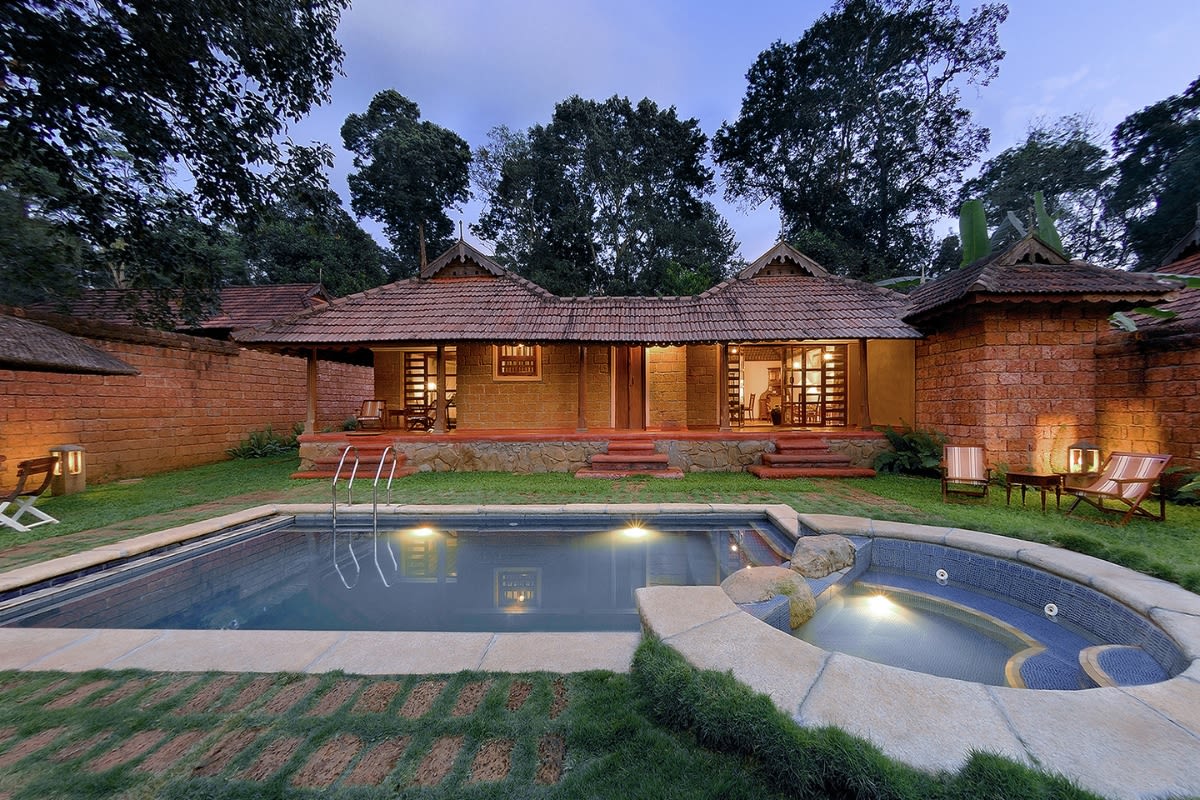
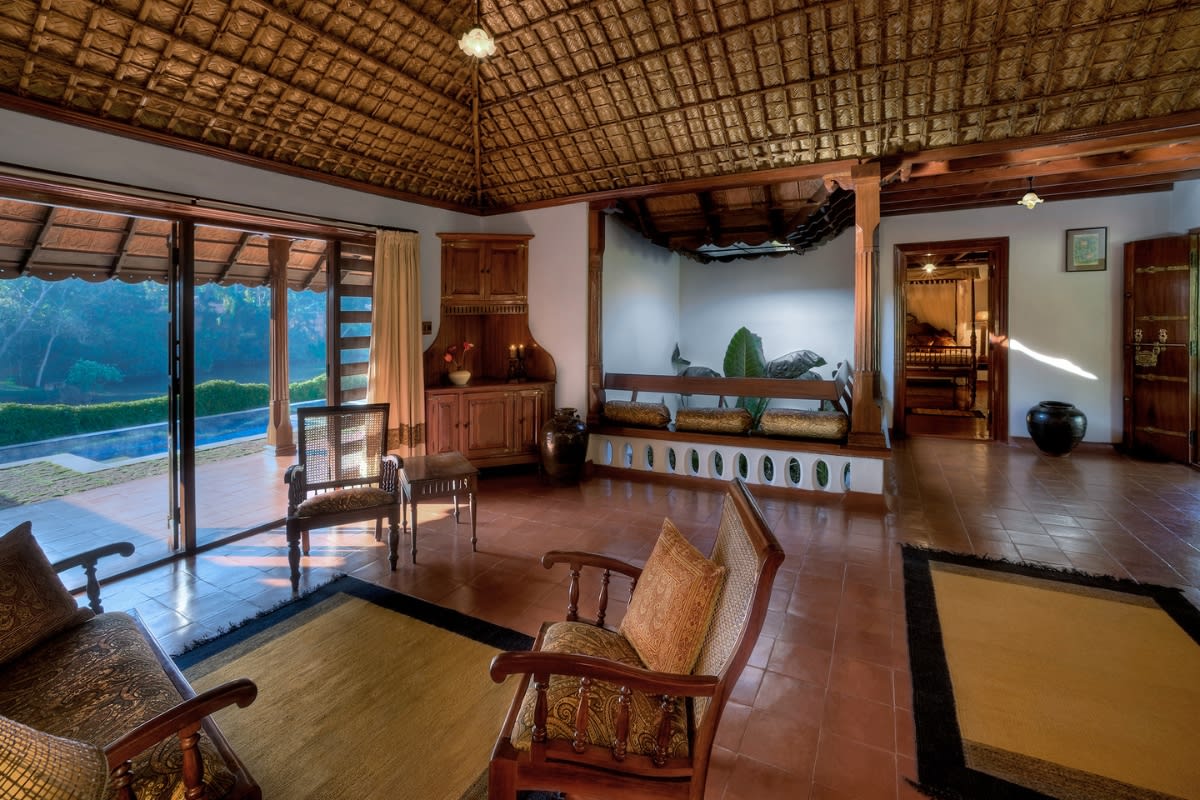
Inspired by traditional Kodava architecture, the villa is made up of laterite walls, glazed red-oxide floors, earthy hues, terracotta roof tiles, and a strong focus on the outdoors. The living and dining spaces featured a green corner, open to the sky yet cleverly screened, allowing sunshine to flood in. The palette remains intentionally muted, allowing light to do most of the heavy lifting. And light, here, is constantly in motion—filtering through unexpected openings like the indoor garden roof, shifting across textured surfaces, and quietly entering through the glass doors. Antique dresser, a stately four-poster bed, and crisp cotton furnishings lend the interiors a sense of timeless elegance. Beautiful as the rooms are, they face stiff competition from what lies beyond their doors.
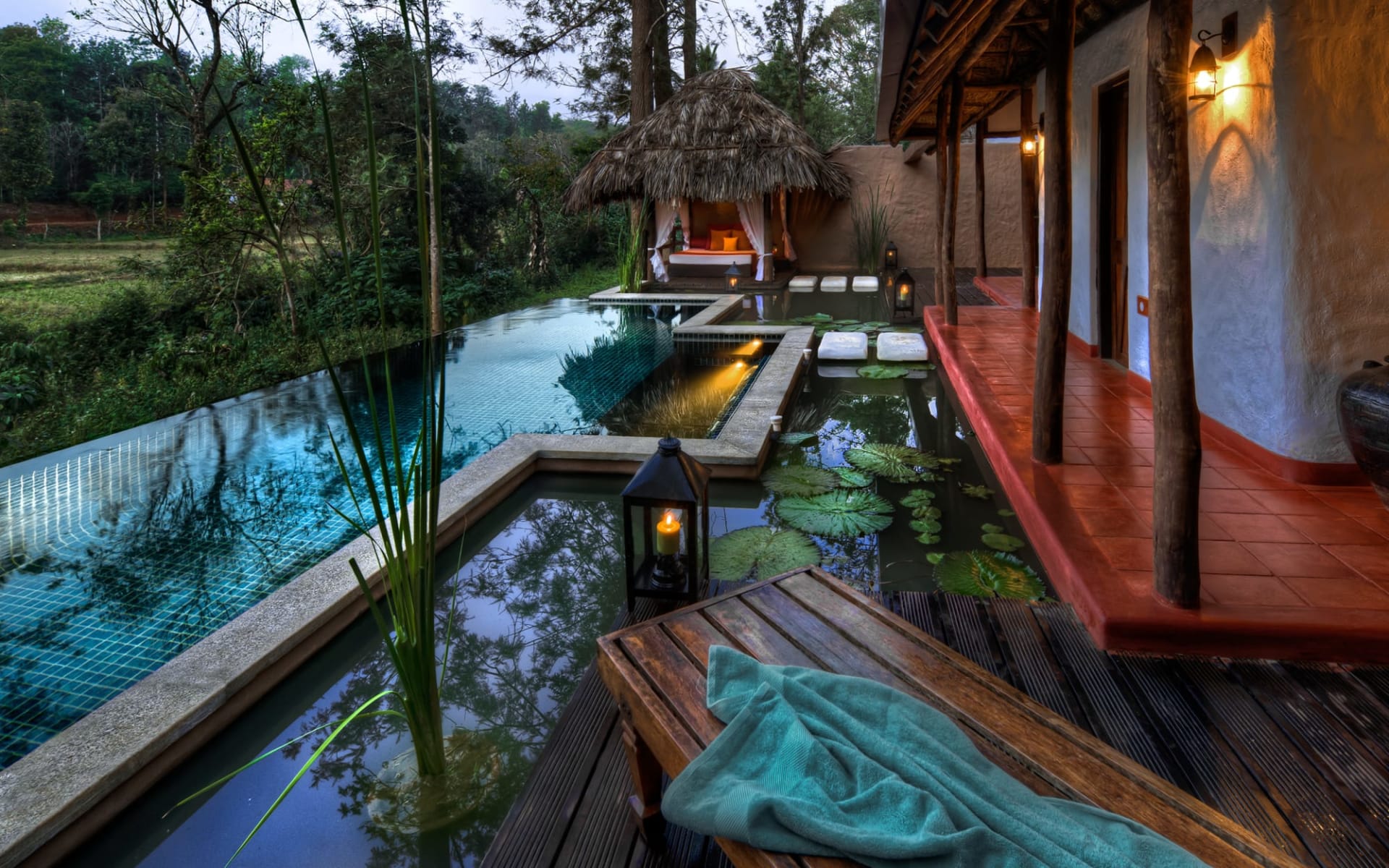
The villa's courtyard opens seamlessly from the living room, bedroom, and powder-room, dissolving the line between indoors and out. Here, a natural garden envelops a rock-cut jacuzzi and a temperature-controlled swimming pool, creating the sort of outdoor lounge that makes you reconsider every life decision that doesn't involve living in a coffee estate.
Mornings begin best in the pool. A four-foot boundary wall in the pool grounds is the only divide from the forest. As you float beneath a canopy of towering silver oaks draped with pepper vines, the forest stages its own private performance. A sudden flash of russet signals the arrival of the Malabar giant squirrel, acrobatically vaulting between branches with the confidence of a seasoned trapeze artist. There is birdsong, filtered sunlight, and the gentle realisation that luxury, when done right, is less about excess and more about having a 300-acre rainforest as your nearest neighbour.
The following mornings, I traded the comforts of the villa for a dose of adrenaline.
A Long Plantation Walk To Discover The Secrets Of Indian Coffee
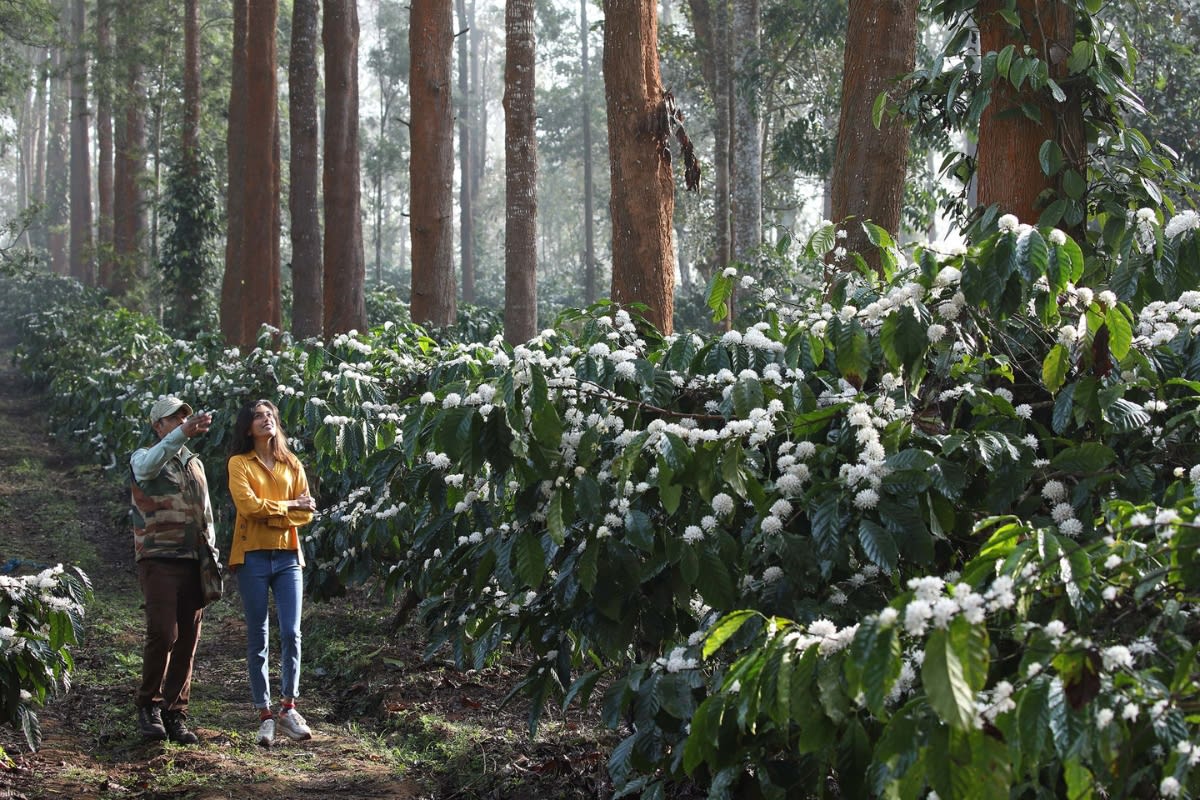
Our guide, who has spent over 25 years working on these plantations, introduced us to the nuances of Indian coffee — coffee in India is shade-grown, a practice that sets it apart from many coffee-producing regions around the world.
Here, pepper vines spiral around towering silver oaks, while the occasional sandalwood tree punctuates the landscape. Together, they form a natural canopy over the coffee shrubs, creating a biodiverse ecosystem that nurtures both the land and the crop. Unlike coffee grown under the relentless sun in countries such as Brazil, shade-grown Indian coffee matures more slowly, resulting in a cup that is often smoother, gentler, and lower in acidity.
This region is particularly renowned for its Robusta beans, prized for their bold body, rich mouthfeel, and intense flavour profile. Arabica, by contrast, is the more temperamental sibling and higher in its pricing. Grown at higher elevations, it demands far greater care and is more vulnerable to pests and diseases. Yet the extra effort is rewarded with a more nuanced cup—one that is lighter on the palate, delicately aromatic, and often celebrated for its thick ‘crema’, the frothy top layer.
As we drove through the estate, it became evident that coffee is a result of a finely balanced relationship between climate, terrain, and generations of expertise.
Elkhill 4X4 Off-Roading Adventure
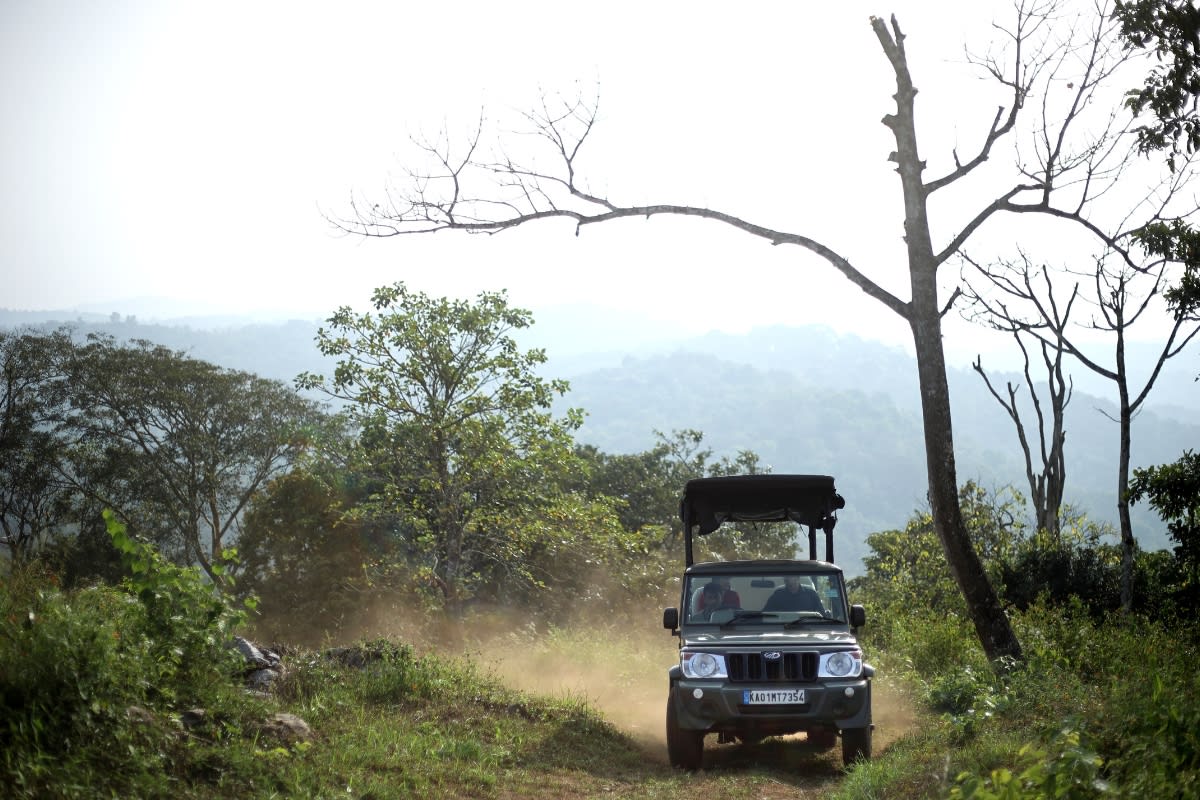
Located in the heart of Coorg's Robusta-growing belt, Chikkanahalli Estate was once owned by a Scottish family before passing into the hands of the Ramapuram family, who have continued its rich coffee-growing legacy. In 2023, the family expanded their portfolio with the acquisition of 2500-acre Elkhill Group of Estates from the Bombay Burmah Trading Corporation, one of the oldest commercial enterprises associated with India's coffee history. The British first introduced coffee cultivation to the region in the mid-19th century, and since then, Elkhill remains a living testament to that heritage. A rugged 4x4 ride took us deep into Elkhill Estate in search of its prized Arabica plantations.
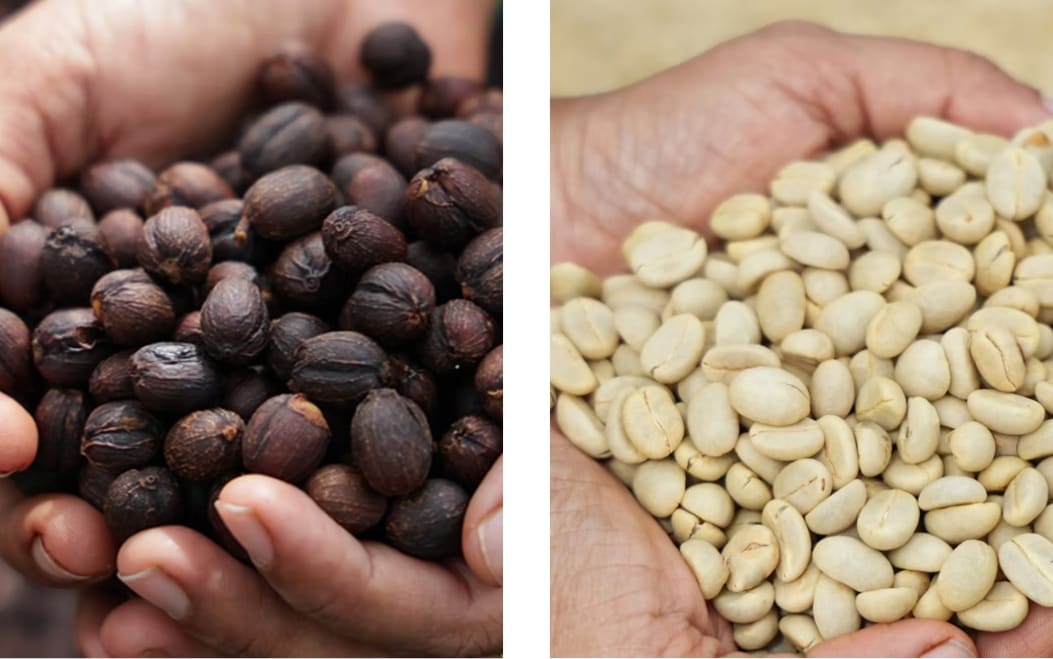
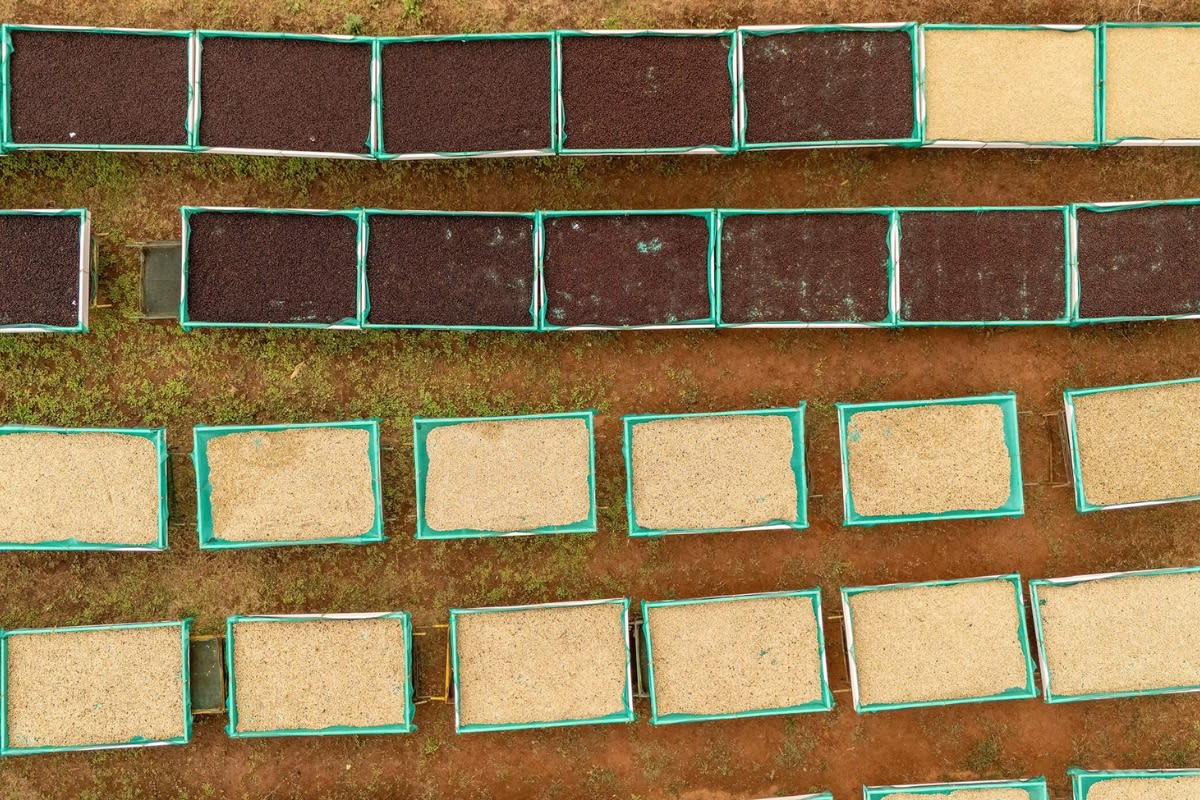
As we bounced along steep tracks carved through misty forests, the climate turned cool at a higher elevation, and the 4-foot Arabica appeared in single rows. En route, we passed a planter's bungalow being transformed into a private retreat, while plantation life carried on around us. Spread across six estates, Elkhill oversees everything from cultivation to processing and grading in-house. Sustainability is more than a buzzword here: coffee pulp is composted, biomass powers parts of the factory, and very little goes to waste.
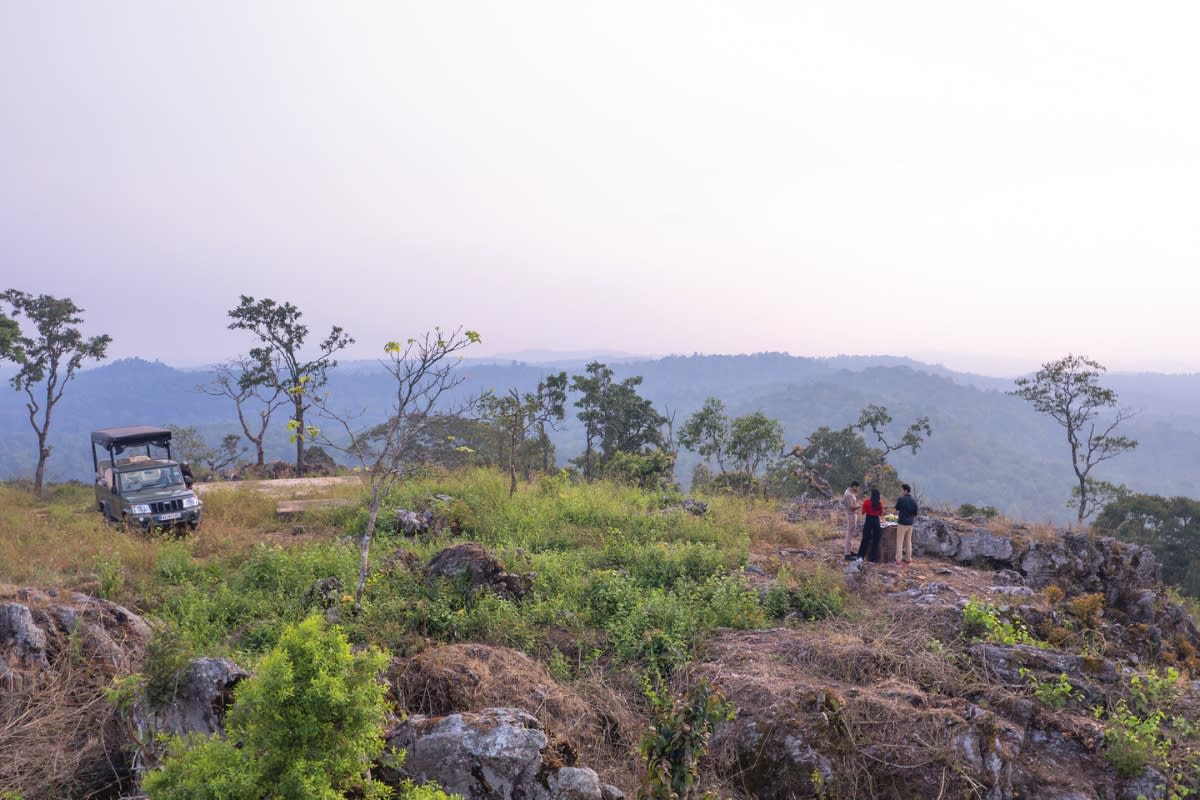
The highlight, however, was reaching Elkhill itself—a hilltop with sweeping views across 2,500 acres of coffee plantations. As the sun dipped behind the rolling landscape, we were treated to cocktails and canapés with a view that could easily distract even the most devoted coffee enthusiast.
As for the name? Legend has it that an early British planter spotted this distant hill that resembled an elk and promptly named it Elkhill. Whether it truly looked like an elk or whether he'd already sampled a strong cup of estate coffee remains open to interpretation.
Coffeology: Inside Evolve Back Coorg’s Coffee Classroom
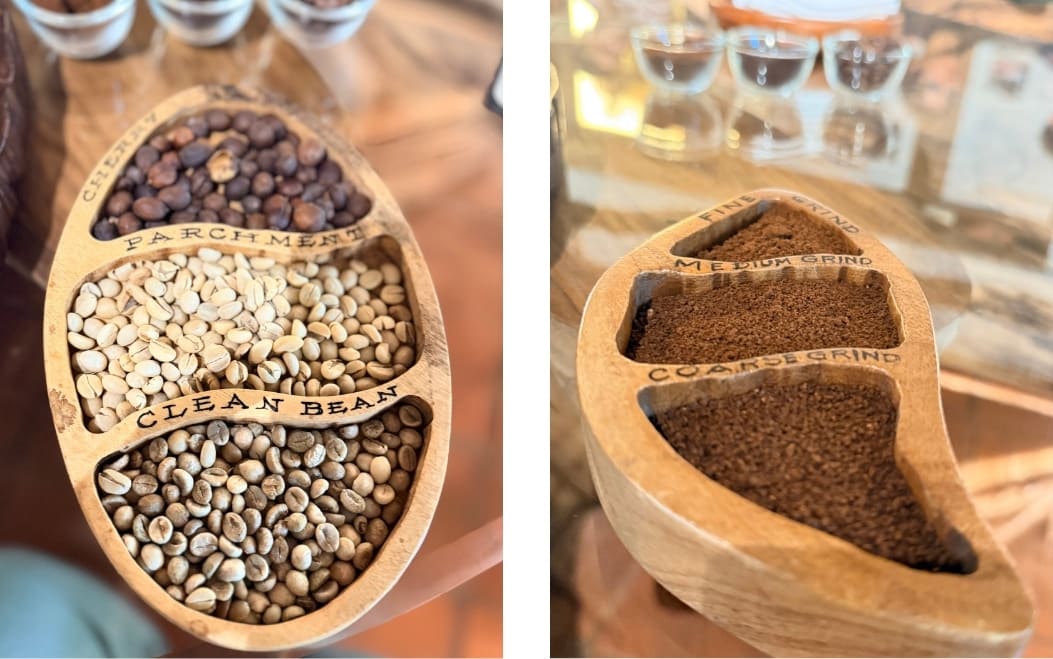
Next, the Coffeology session began. Caffeine enthusiasts gathered around a striking circular table fashioned from a dead sandalwood tree trunk, while Jennie, a native Coorgi, took us on a bean-to-brew journey. From bright red cherries, green beans, to the alchemy of roasting, she decoded the life cycle of coffee with the ease of someone who has grown up speaking its language.
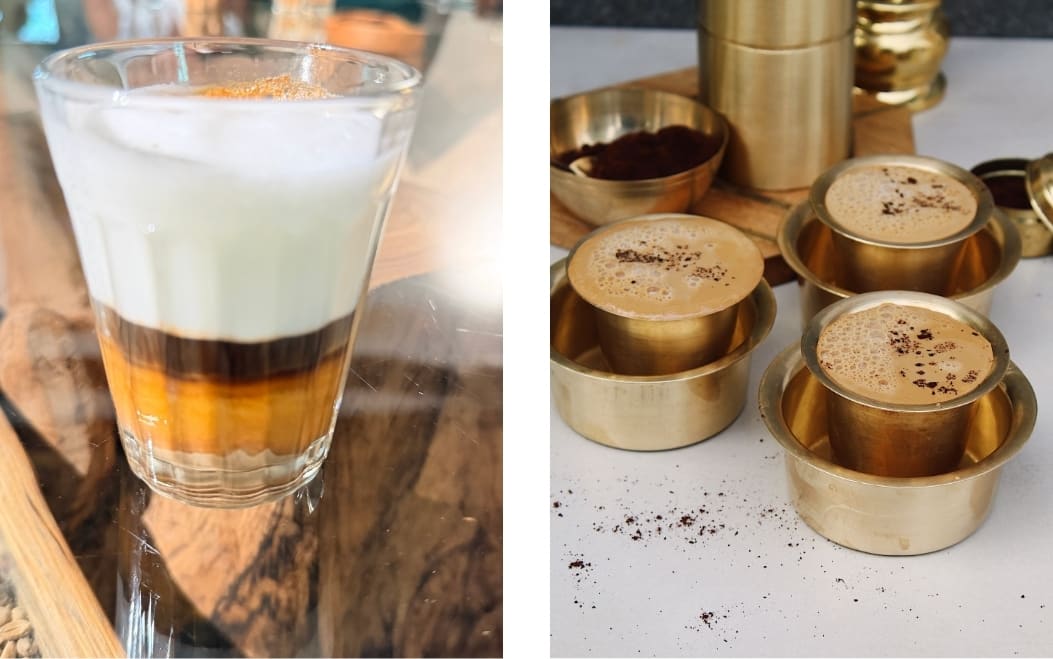
Then came the practical exam—the tasting. We sampled espresso, cortado, cappuccino, latte, and Coorg’s beloved filter coffee brewed with the estate’s Sidapur Arabica-Robusta blend. My clear favourite was the Nous Nous, a Moroccan coffee whose name translates to “half and half”. Made with equal parts espresso and milk, it was velvety and indulgent without overwhelming the coffee itself—a latte’s cooler, more sophisticated cousin.
The real revelation, however, was discovering the remarkable diversity of India’s specialty coffees.
Take Mysore Nuggets, a high-altitude Arabica prized for its large, bluish-green beans and complex flavour profile. Grown in the misty Baba Budangiri hills, it is among India’s most sought-after coffees, with much of the harvest exported before most Indians ever get the chance to taste it.
Then there was Kaapi Royale, crafted from premium Robusta beans. Full-bodied yet surprisingly smooth, it challenged every assumption I had about Robusta, offering richness without the harshness often associated with the variety.
Another standout was the legendary Monsooned Malabar, a coffee born from a colonial-era accident. During long sea voyages to Europe, coffee beans absorbed moisture from monsoon winds, swelling in size and developing a mellower, creamier character. The flavour proved so popular that the process is now carefully replicated in warehouses along the Malabar coast.
Jennie explained that some of the finest beans for Monsooned Malabar come from estates such as Elkhill and Chikanahalli before undergoing their coastal transformation. Though I never got to taste it, her description was irresistible: butter biscuits, cocoa nibs, dried fruit, and a lingering dark chocolate finish. Today, this uniquely Indian coffee carries a GI tag, ensuring authentic Monsooned Malabar can only be produced along the Malabar coast.
The Granary: Serving Heritage Alongside the Buffet
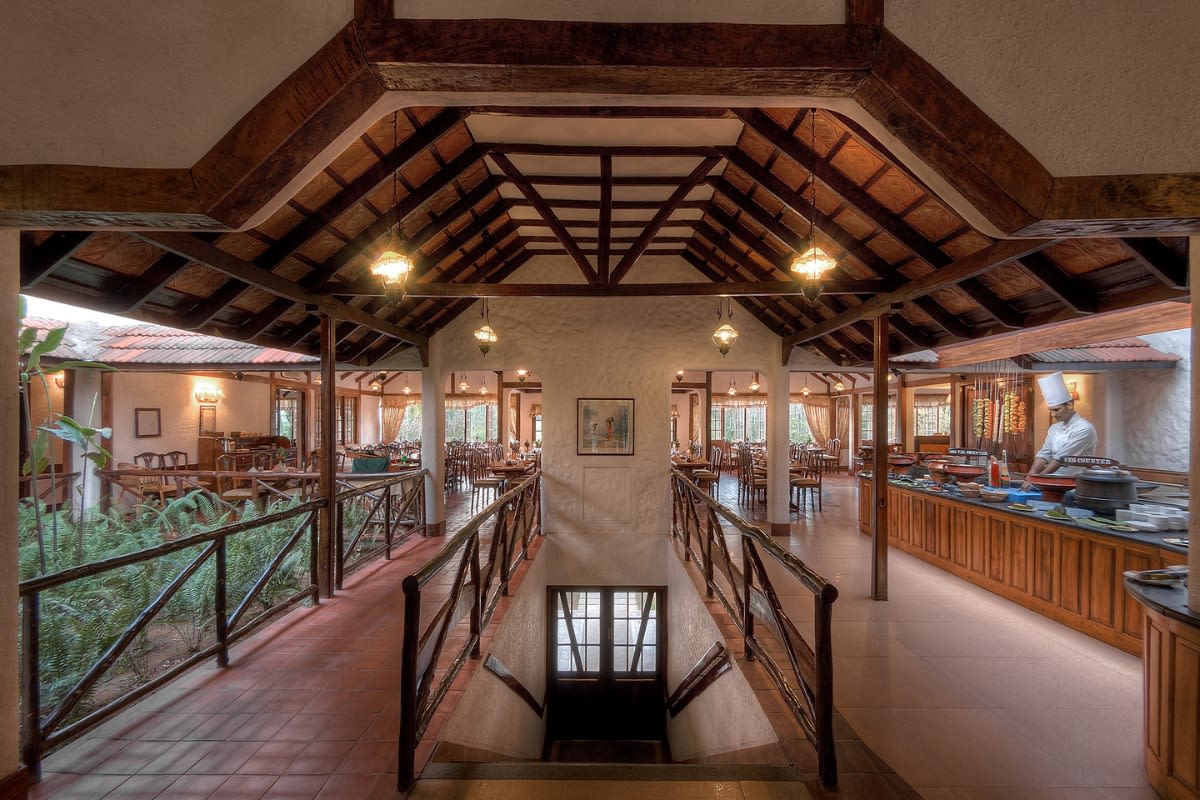
At Evolve Back, meals are never run-of-the-mill, and dining is as memorable as the retreat’s setting. The Granary, once the estate's storehouse for harvested paddy, has been reimagined as one of Coorg's most atmospheric dining spaces. Raised on wooden beams to protect precious grain from dampness and pests, it now cares about the hungry gourmand. The restaurant retains the soul of its plantation life with terracotta floors, exposed wooden beams, and a crackling fireplace that channels the colonial club era. charm. From the window seats, the view drifts across the swimming pool to emerald paddy fields and coffee plantations stretching into the distance. It's the sort of setting that makes you linger for long lunches.
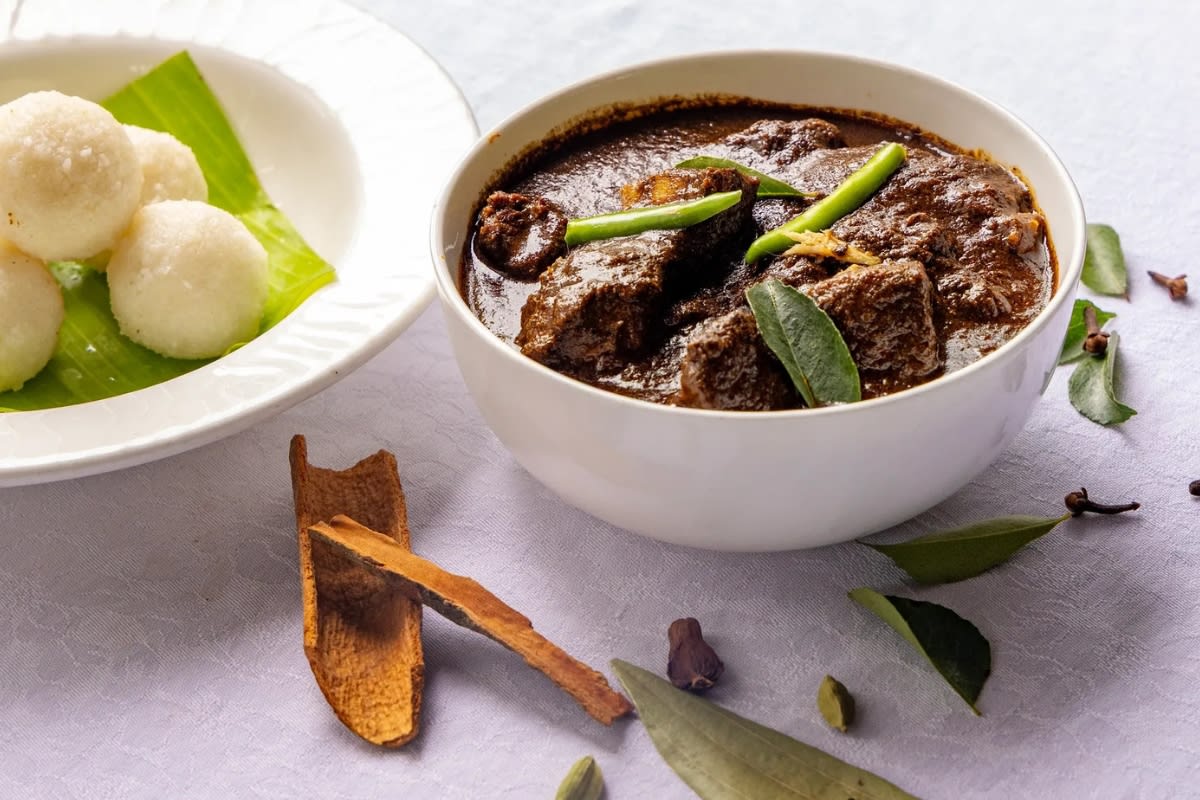
The buffet spans continental, Indian, and Chinese cuisine, but it was the local Kodava and Coorgi dishes that demanded attention. The iconic Pandi Curry, Coorg's beloved pork preparation, gets its distinctive tang from kachumpuli, a local fruit extract often described as Coorg's answer to balsamic vinegar. Paired with fluffy kadambuttu (steamed rice dumplings) or akki otti (rice flatbread), it's a comfort food with serious pedigree. The ‘Koli Curry’ followed close behind, a fiery chicken preparation fragrant with cumin, cloves, cinnamon and enough chilli to remind you that Coorgis take their spice seriously. The Kerala Fish Curry, meanwhile, arrived with the quiet confidence of a dish that knows it's the star of the buffet.
Since the next morning promised a birding walk with the estate’s resident ornithologist, I resisted the temptation to surrender completely to carbohydrate-fuelled bliss. I wanted to stay light enough for an early start, especially with the prospect of spotting a White-throated Kingfisher or the estate’s resident Oriental Hornbill. The promise of those sightings was reason enough to save the indulgence for another evening. As I headed back, a quiet sense of satisfaction settled in—I still had two more days ahead, filled with dawn birding sessions and ample opportunities to explore the estate’s many luxurious dining experiences without restraint.
Truth to be told, it’s the kind of retreat where the daily grind begins around the working coffee estate and the trappings of modern life are replaced by the sights, sounds, and serenity of a centuries-old coffee plantation.