We spoke to Ben Richards, a Japan travel specialist, and an architectural photographer, who relocated to Tokyo in 2019 and has since travelled extensively across the country, documenting its lesser-known cultural narratives. With a background in design, his work sits at the intersection of creative direction, travel curation, editorial storytelling, and photography. As the founder of the blog,‘Views from Japan’, Ben has built a thoughtful archive of the country’s craft legacy through insider guides, bespoke itineraries, and immersive experiences trusted by travellers worldwide.
On this journey, Ben takes us to Saga Prefecture, a region rich in heritage crafts, artisans, beautiful local towns, unique ryokan, and natural scenery. We took a sneak peek into storied towns and intimate craft workshops where centuries-old techniques continue to thrive. These private visits to the craft ateliers offer rare access to artisans and studios that have long remained closed to the public, bringing us closer to the heart of Japan’s rich traditions.
The Travel Handmade team recently connected with Ben Richards to understand how Saga Prefecture can be explored through an exclusive, artisan-led journey.
Travel Handmade: Your book, ‘Shokunin’, has drawn attention —what sparked the idea, and what kind of experience can readers expect?
Ben Richards: The Japanese word Shokunin translates loosely to “artisan” or “craftsperson” in English, but its meaning runs far deeper. A true Shokunin is someone who dedicates their life to the quiet, relentless pursuit of mastering a craft—driven by a sense of purpose and responsibility to their community. Shokunin is a celebration of Japan’s treasured artisans and the regions they call home. The book is thoughtfully designed and organised region by region, shaped by weeks of travel and time spent within ateliers, learning the tricks of the trade directly from the makers themselves.
Alongside these stories, I’ve included curated itineraries that guide readers through lesser-travelled craft destinations of Japan.
Travel Handmade: What led you to write on this subject?
Ben Richards: When I moved to Tokyo in 2019, making a book about Japanese artisans hadn’t ever really crossed my mind. On each trip I went on, I found myself more and more drawn into workshops that felt like entirely different worlds — mask-makers in sleepy suburbs, indigo dyers deep in the mountains, craftspeople whose work carries centuries of culture. Very quickly, it became clear that many of these traditions aren’t as secure as they appear. The deeper I went, the more I realised how uncertain the future for Japan’s artisans really is.
Japanese craft is a living record of culture and identity. These makers show us what it means to build a life through patience, care, and accountable craftsmanship. But the pressures of modern life are relentless: fewer apprentices, fewer studios, more speed, less depth. Creating Shokunin became a way to give these traditions space, respect, and permanence. My goal is to document their reality, and to invite you behind the scenes of each life committed to making.
Travel Handmade: If we want to start a craft-focused journey in Japan, where should we start?
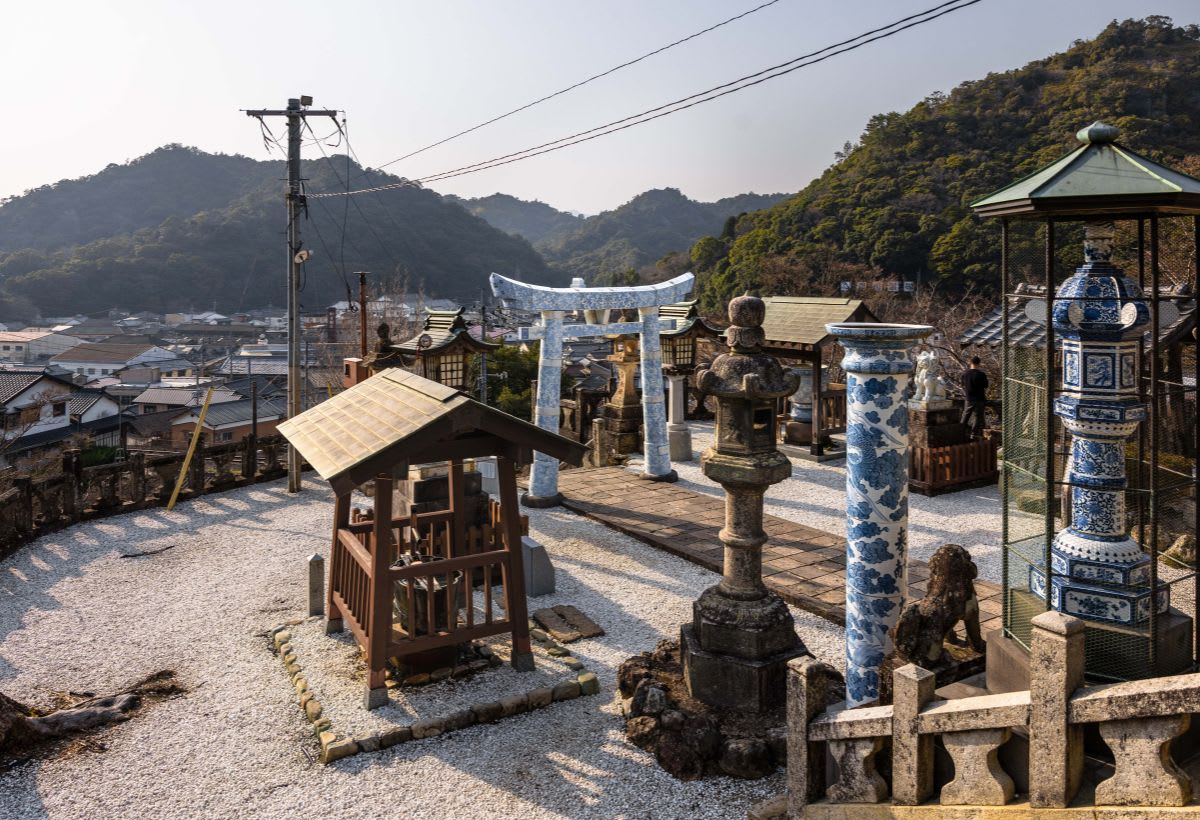
Ben Richards: Saga Prefecture is a standout destination for a craft-focused journey, especially if you’re drawn to ceramics. This region is home to some of Japan’s most celebrated pottery traditions, including the towns of Arita and Imari, where finely crafted porcelain has been produced for centuries and exported around the world. What makes Saga Prefecture especially compelling is the chance to stroll past working kilns, explore historic pottery towns, and experience a quieter, more intimate side of Japan’s craft culture, where everyday life remains deeply rooted in traditions that artisans continue to preserve.
Travel Handmade: What should be the starting point of the trip and why?
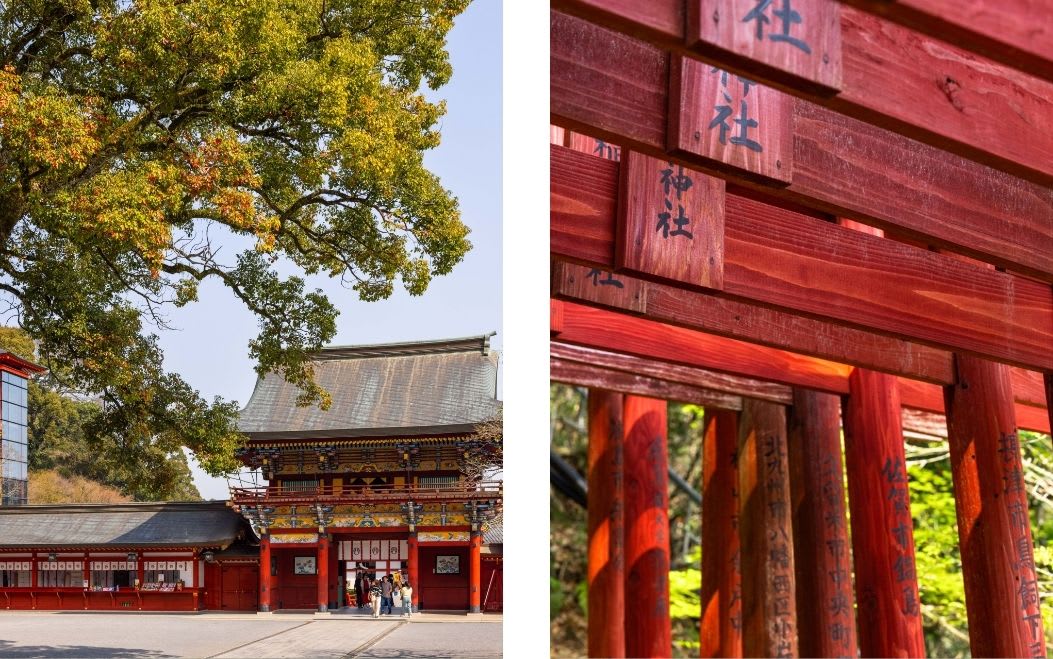
Ben Richards: Located on Kyushu, the southwestern main island, the region is home to some of the world’s most revered ceramic workshops.
At its heart lies Arita, a town where time-honoured techniques are carried forward by master artisans. Ateliers and ceramic studios have begun opening their doors to private visits, offering a rare and intimate glimpse into craftsmanship that has remained hidden for generations.
Travel Handmade : What traditional crafts should you look out for in Arita, and how can you experience them in an authentic way?
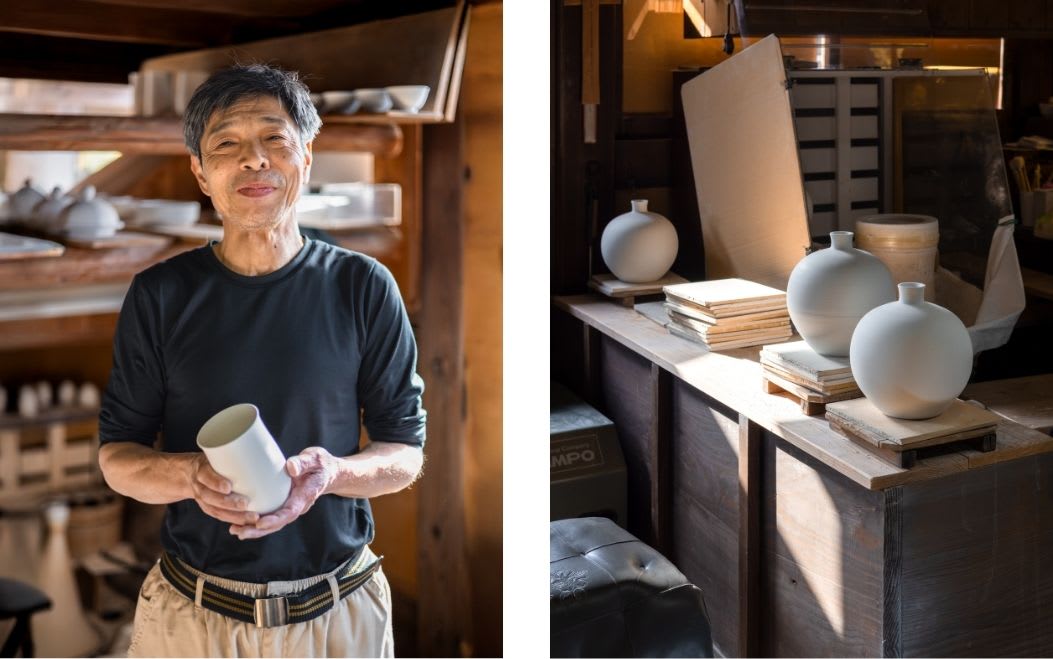
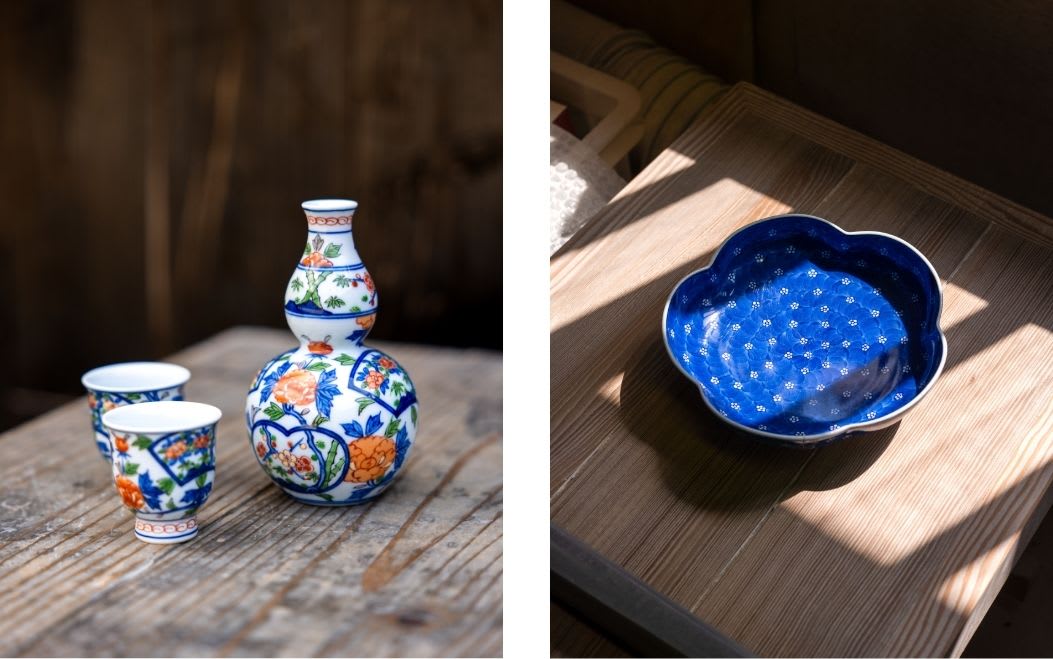
Ben Richards: In Arita, the craft to watch for is the luminous, milky-white porcelain known as Nigoshide, paired with the precision of Akae — a signature red overglaze which has come to define a rarefied aesthetic that continues to captivate collectors worldwide. For over four centuries, the Kakiemon Kiln has shaped the language of Japanese porcelain with a quiet authority, its legacy anchored in both technical mastery and visual aesthetics.
Set against the wooded foothills of Arita, the birthplace of Japanese ceramics, the family-owned Kakiemon Kiln and its artisans run with an almost meditative round-the-clock rhythm. Here, techniques are not just preserved but reverently handed down through generations, resulting in creations that feel ethereal, where every surface carries the weight of time and the lightness of touch.
Travel Handmade: What is the special technique used that makes it a collector’s dream?
Ben Richards: Kakiemon porcelain is one of the most refined and recognizable styles of Japanese ceramics, originating in Arita in the 17th century. It’s named after the Kakiemon family, a lineage of master potters who developed a distinctive approach to porcelain decoration. What sets Kakiemon ware apart is its milky white porcelain base, which is more luminous than other porcelain, achieved through a perfect balance of wielding the material and firing, now mastered by only a few kilns in Japan.
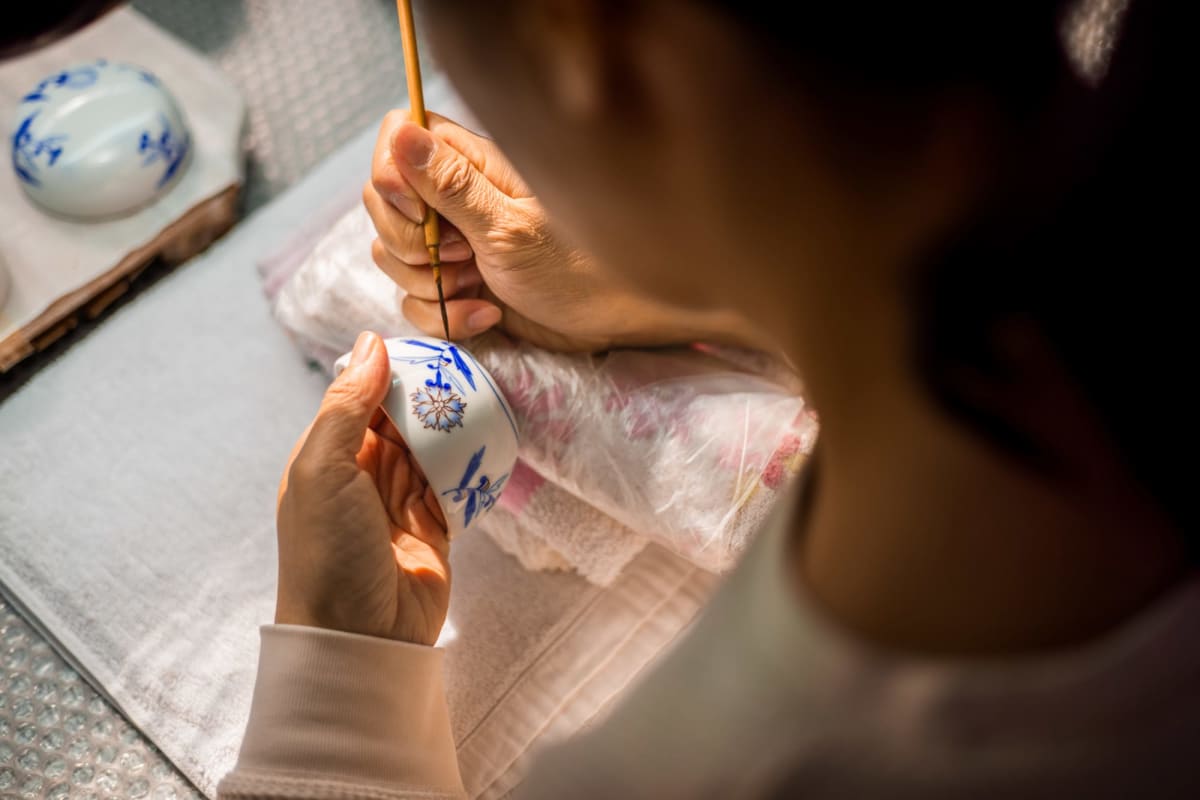
Akae, a red overglaze technique from the Edo period, embraces minimalism in its painting style. You’ll often see motifs like birds, flowers, and landscapes, rendered with remarkable restraint and precision, leaving much of the surface intentionally blank. That sense of space is a defining aesthetic.Together, they define a porcelain tradition celebrated globally, from the British Museum to the Metropolitan Museum of Art, and even cherished in Japanese homes for generations.
TH: How does the private tour with the artisans and their workshop look?
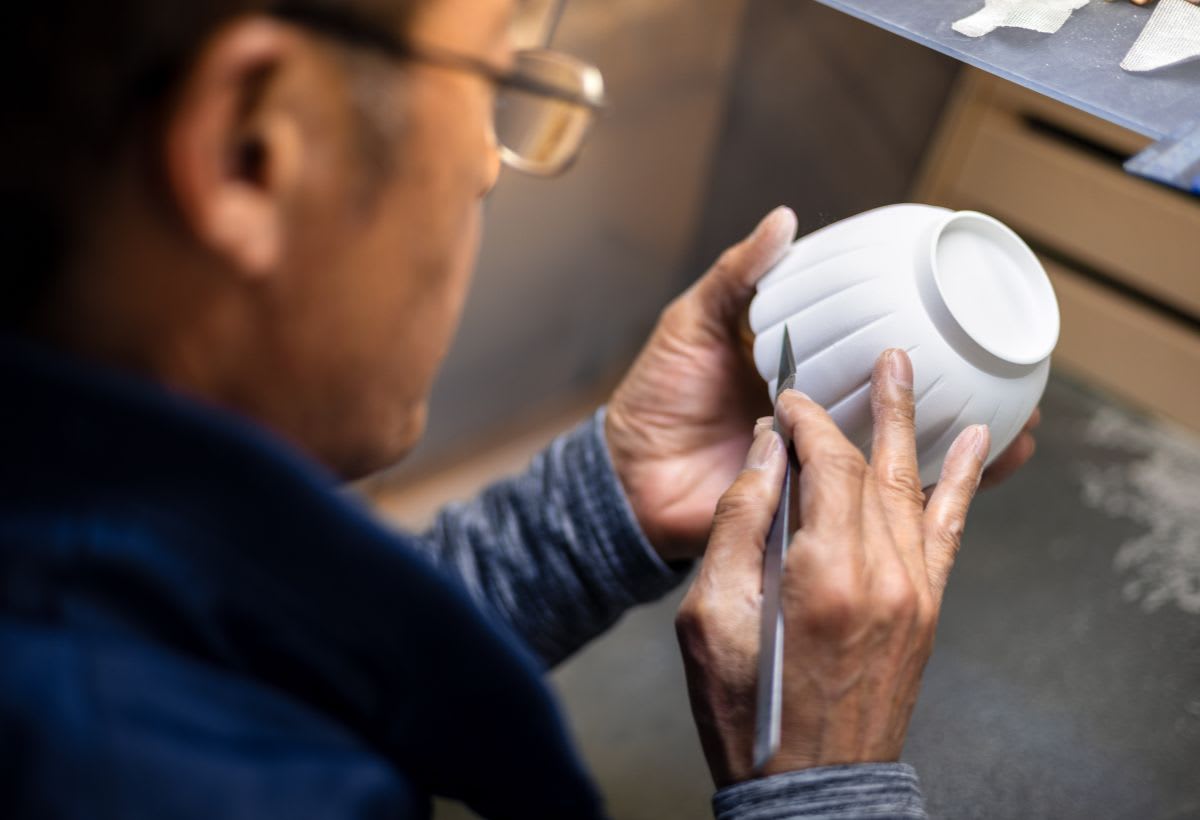
Ben Richards: This intimate, three-hour tour begins with a walk through the kiln grounds, where the handcrafted act of porcelain-making continues as it has for centuries. Craftsmen at the wheel shape the delicate forms that later become the canvas for hand-painted motifs: flora, fauna, and natural scenes rendered in soft reds, cobalt blues, and grassy greens are brought to life through the signature Akae technique pioneered by the kiln’s founder, Sakaita Kakiemon.
Unlike many large-scale ceramics studios, the Kakiemon Kiln, tucked into the wooded hills just outside Arita, operates with a small, highly focused team of artisans. Each stage, from shaping and glazing to hand-painting and firing, is carried out with exceptional precision and care.
Watching the painters at work is especially mesmerizing: seated at low tables, they use feather-light brushstrokes, building up layers of color with quiet focus and remarkable control.
TH: What are the other modern galleries for porcelain art to look for in the place?
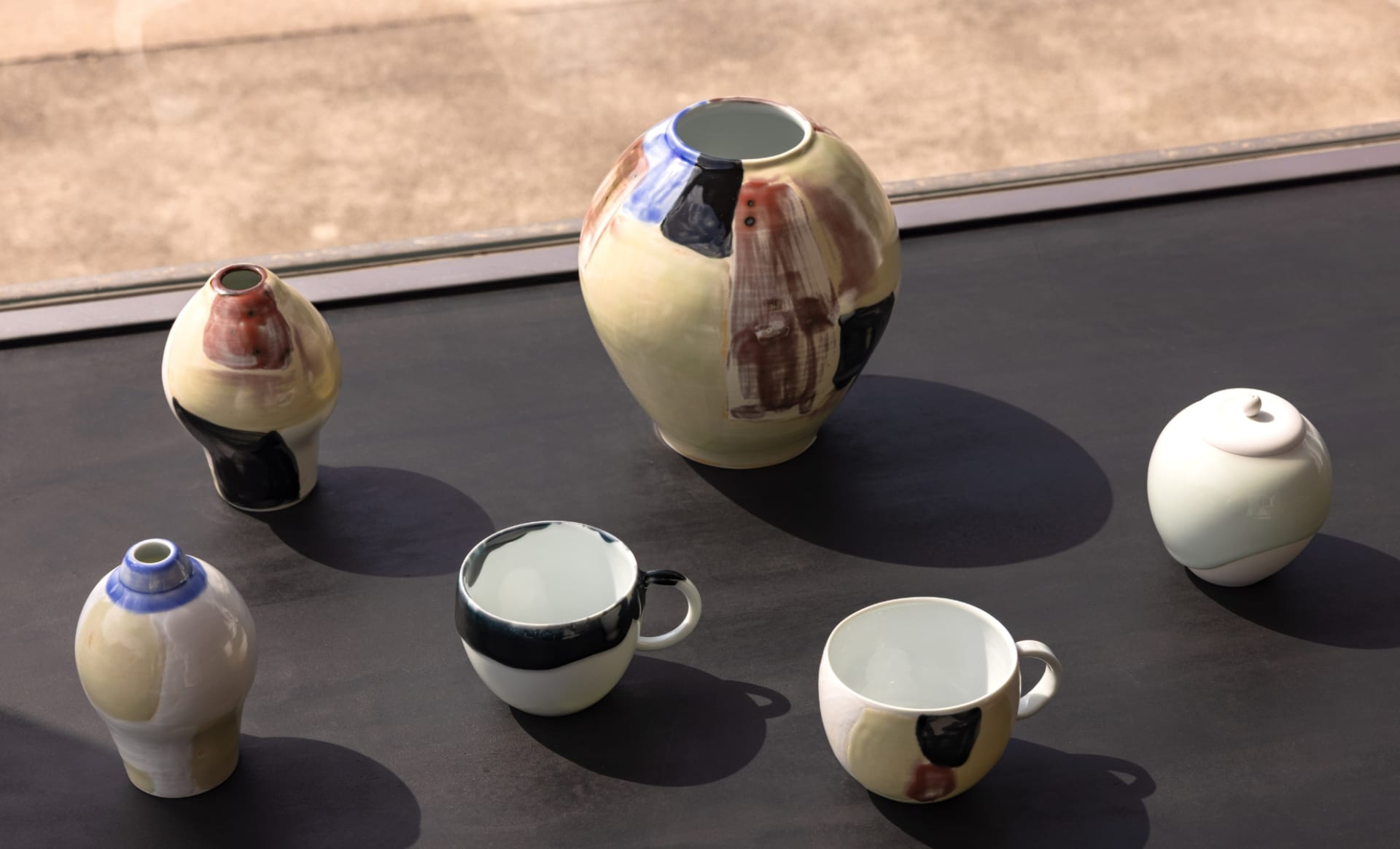
Ben Richards: Set amongst the lush greenery of Arita, the Akio Momota, an artist-led studio, finds its gallery named “in blue Akatsuki” that comes as a workshop taking inspiration from nature. Its speciality is blue and white porcelain with unique glazes. It offers a unique opportunity where you’ll be able to experience the craft of Ikebana flower arranging using porcelain vases. As a fitting coda to the experience, guests are invited to sip on delicate sencha, brewed in specially crafted pots and wares designed by Mr. Momota.
Travel Handmade: Is there any other Atelier carrying an intimate understanding of porcelain?
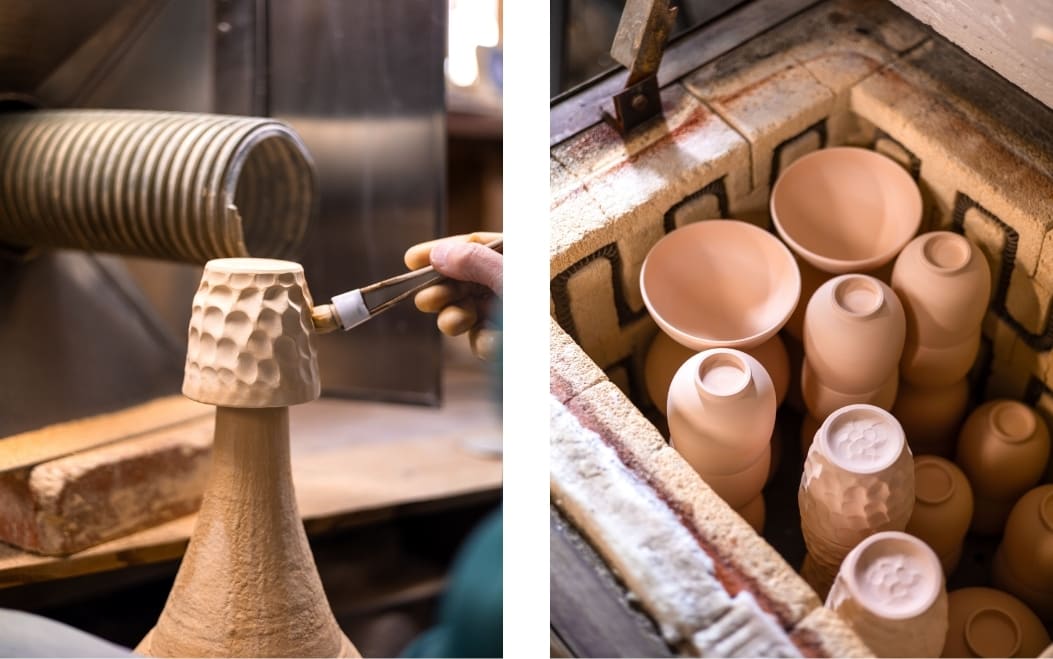
Ben Richards: Unlike many kilns in Japan, Ganemon opens its doors, albeit selectively, to those seeking a more intimate understanding of porcelain. The workshop experience begins with a quiet tour of the active kiln site, including its original wood-fired climbing kiln, where traditional Japanese red pine is still used to fuel the firing process.
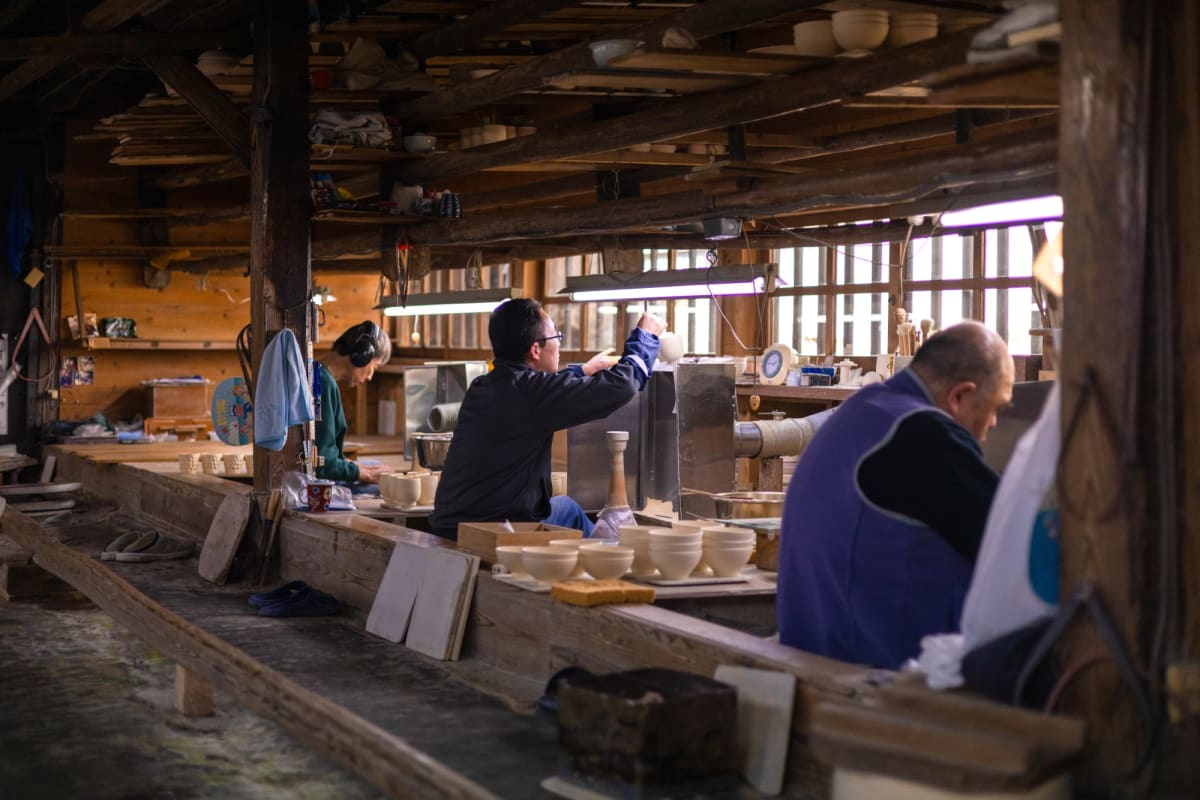
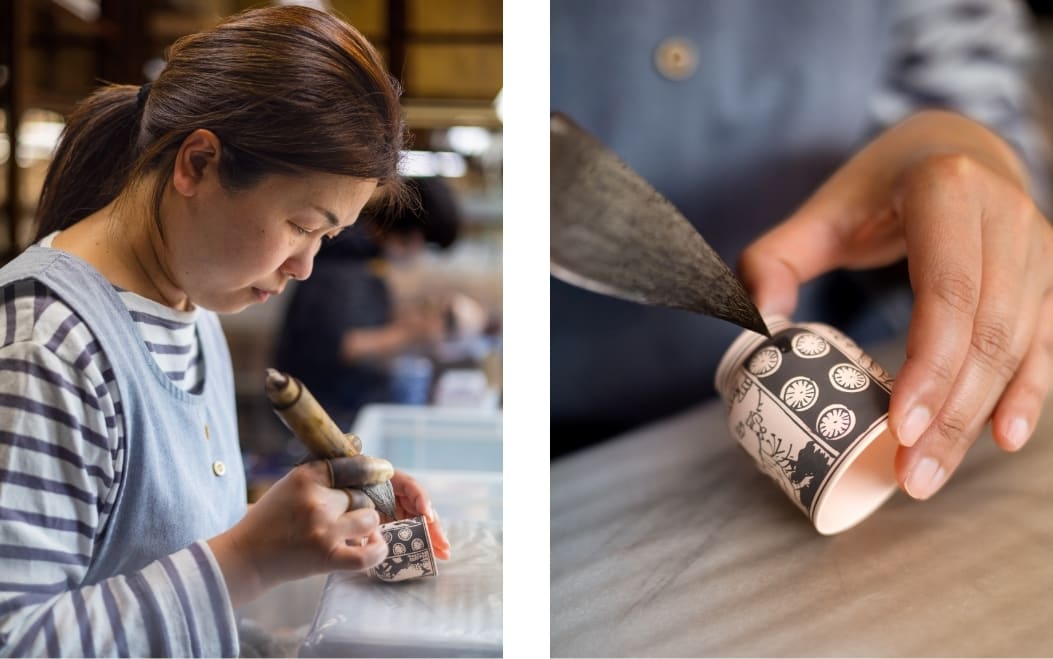
Step inside the atelier and you’ll see craftsmen at individual workbenches, shaping and painting porcelain under streams of natural light. Many have spent decades perfecting their role, from forming delicate bowls to executing the lesser-known craft seen as the highly disciplined ‘Sotodami’ brush technique that defines the kiln’s craft legacy.
Hidden behind the main workshop, the Ko-Imari Museum is a private space rarely open to the public. Inside, it holds a small but remarkable collection of antique Arita-yaki, with pieces dating back to the Meiji Period. The collection traces the evolution of the craft—from early export ware to everyday domestic pieces, along with ceremonial works once presented to visiting dignitaries, including Pope John Paul II. It’s here that the difference between machine-made and handmade becomes visible. Layers of color reveal a depth that can’t be replicated, while subtle irregularities speak to the human hand behind each piece.
Travel Handmade: Any design hotels you recommend around Saga Prefecture?
Ben Richards: Tucked within the historic district of Hizen Hamashuku, in Kashima City, Onyado Fukuchiyo unfolds as an intimate expression of heritage-led hospitality. Housed within one of the area’s largest surviving merchant residences, its 230-year-old façade, thoughtfully restored, comes up as a boutique stay that bridges the quiet gravitas of the past with a distinctly modern sensibility.
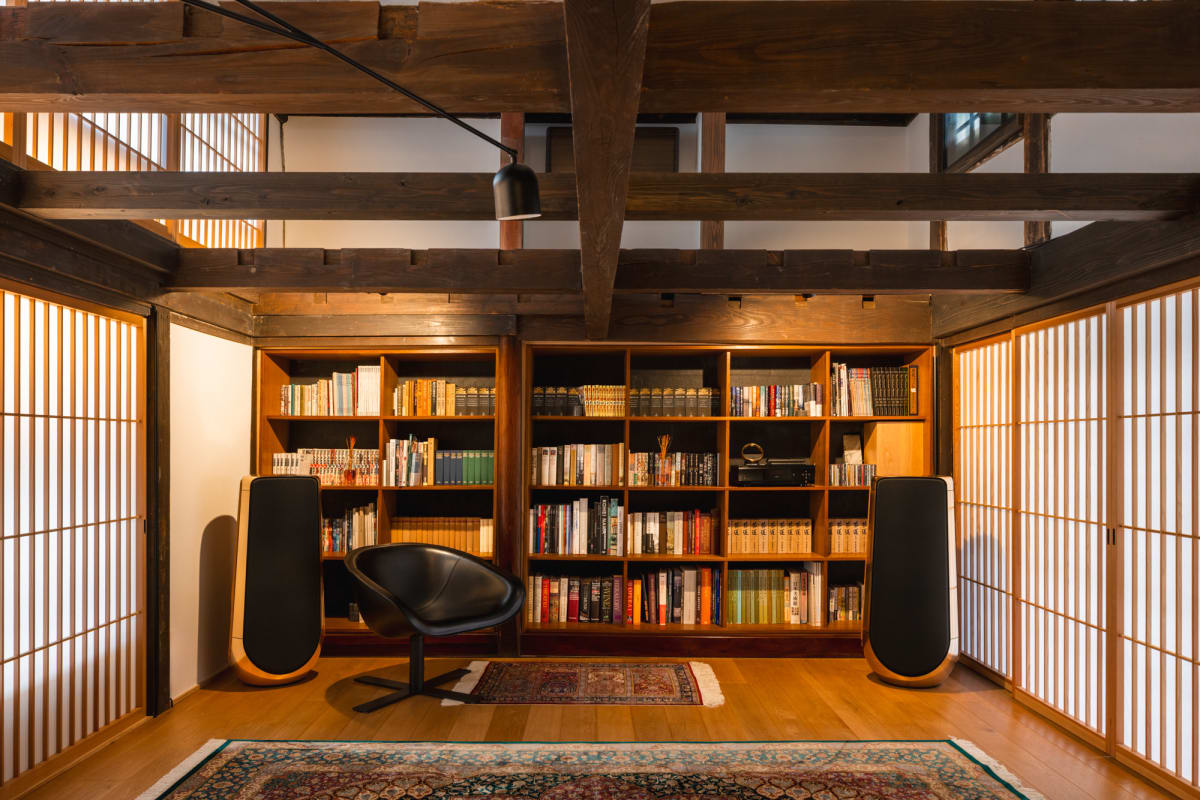
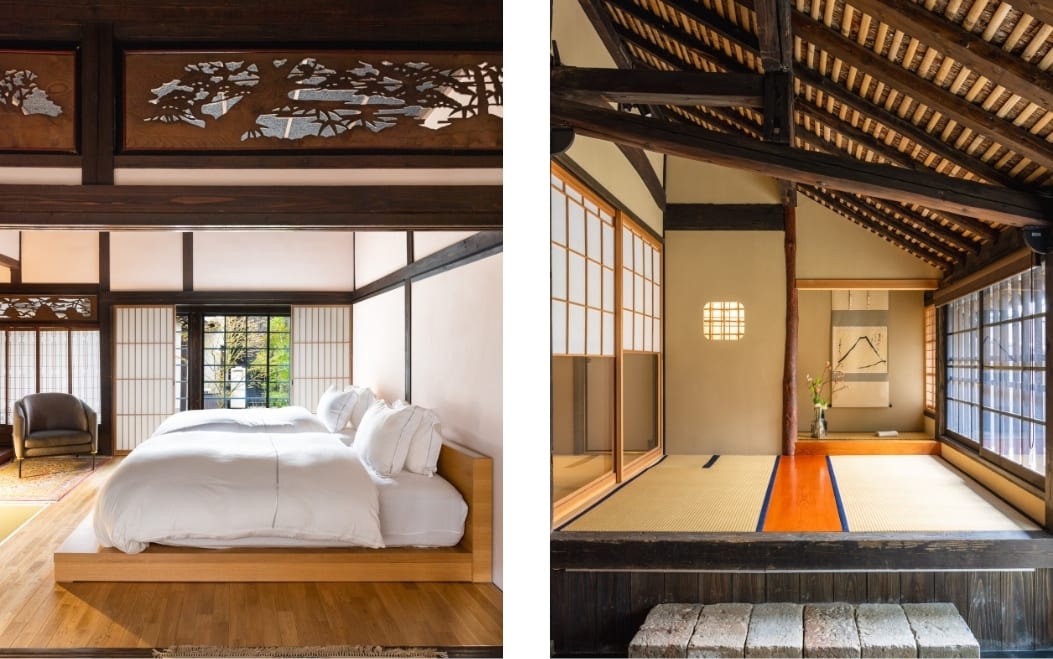
The main building is designed to host just four guests; Interiors juxtapose the patina of the former merchant era with contemporary Japanese furnishings — clean-lined furniture and thoughtful lighting selections curated by the owner, creating a dialogue where old and new coexist with a quiet luxury.
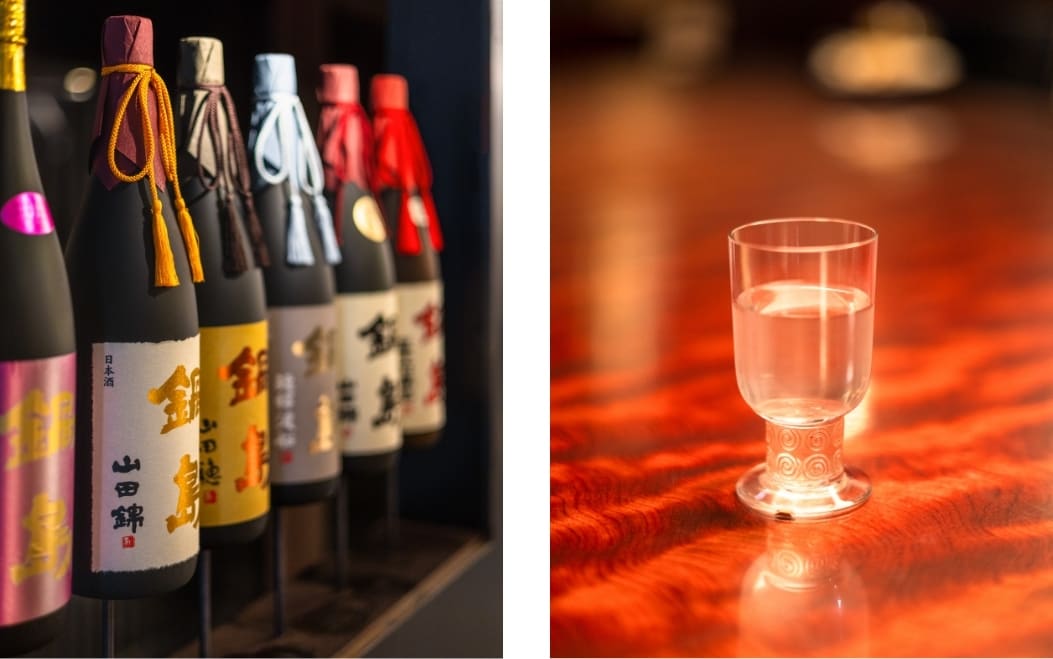
At its heart is Souan Nabeshima, the in-house restaurant, where Japanese cuisine is paired with exceptional sake collections, offering a nuanced exploration of the region’s culinary identity. There is an atrium library that invites reading and music, while the porch opens out to a garden that promises stunning views of its changing seasons. A stay here would mean a sake crawl. Wander a few blocks from the property, and you’ll find yourself among preserved breweries, timber-framed houses, and narrow alleys carrying the subtle scent of koji and the breeze from the Ariake Sea. Guests of the Onyado Fukuchiyo are given a private tasting at the nearby Fukuchiyo Sake Brewery, offering an insider’s glimpse into the craft of sake-making.