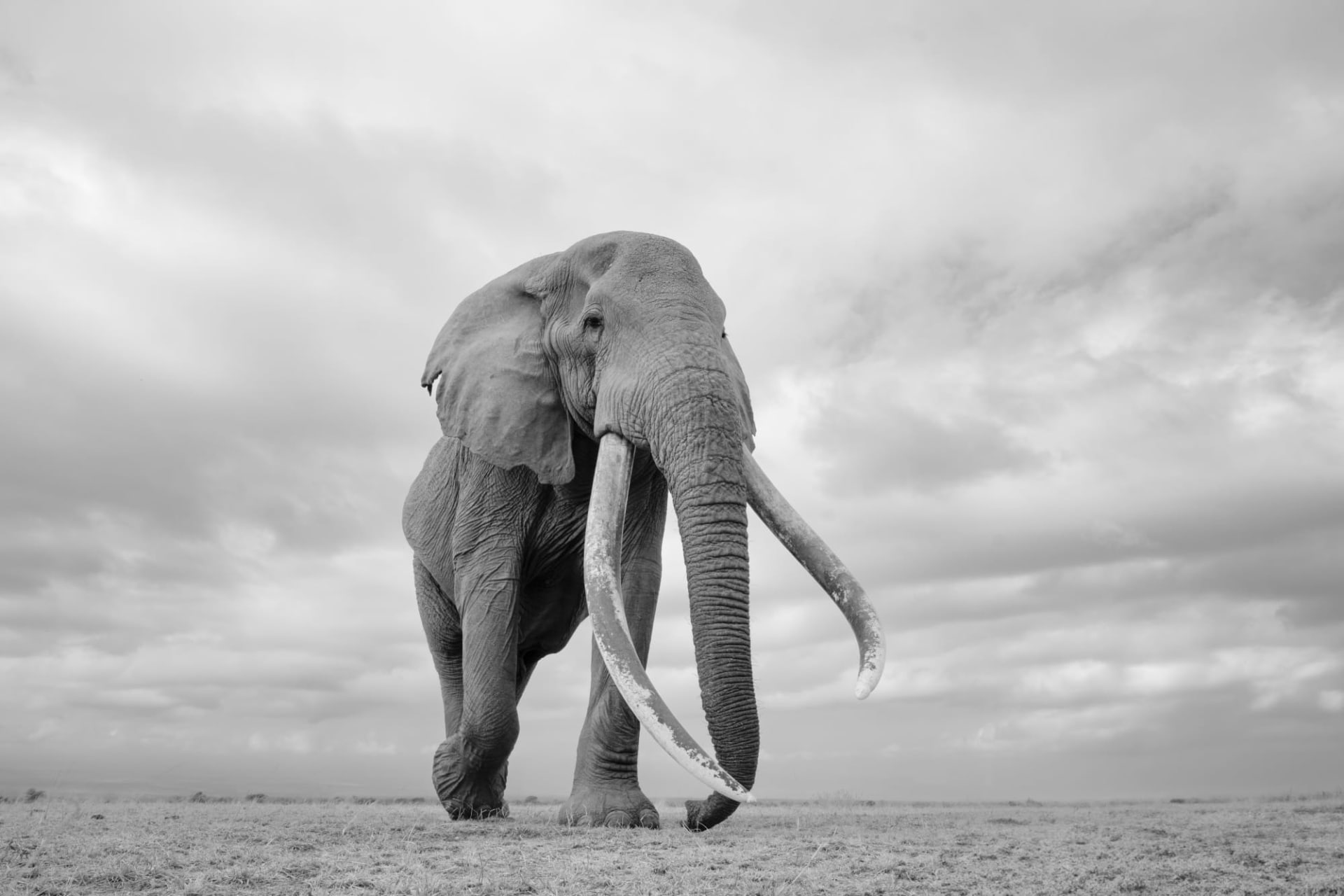
For wildlife photographers and safari enthusiasts, few images earn permanent status as the ultimate desktop wallpaper quite like Africa’s great tuskers moving silently beneath the snow-capped silhouette of Mount Kilimanjaro. In Amboseli National Park, that cinematic vision becomes startlingly real.
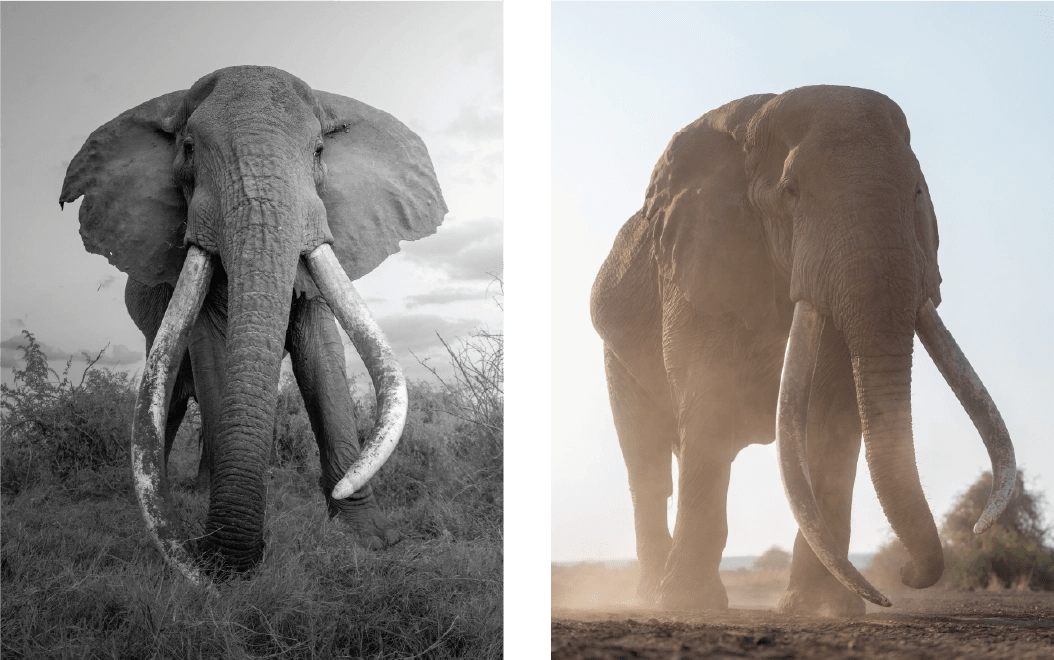
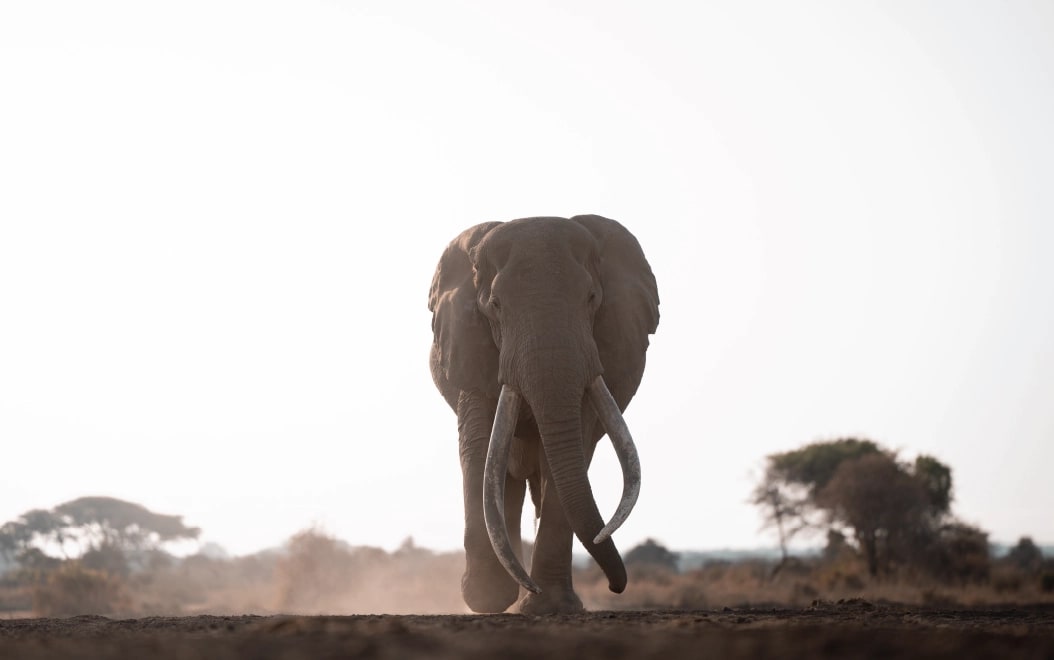
Set against the dramatic landscapes of southern Kenya near the Tanzanian border, Amboseli remains one of East Africa’s most cinematic safari destinations, and why not? Vast savannahs, dust-red elephants and the ever-shifting light of Kilimanjaro create scenes of near-mythic beauty. The park is celebrated for its extraordinary elephant population, including some of the last remaining super tuskers on the continent. Among them was Craig — perhaps Africa’s most photographed elephant. Towering, deeply intelligent, and impossibly graceful, his sweeping tusks nearly touched and scraped the ground as he moved across the plains with quiet authority. In January 2026, Craig passed away, marking the end of an era for Amboseli and the global conservation community alike.
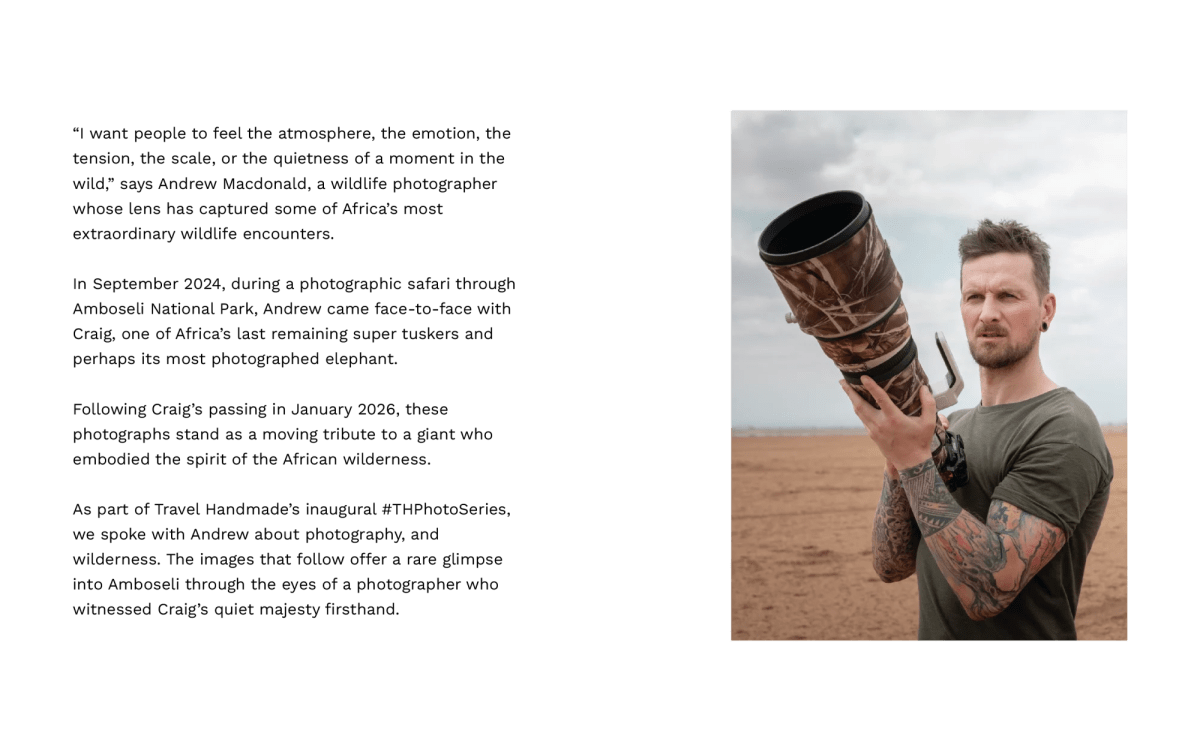
In tribute to his legacy, Travel Handmade spoke with wildlife photographer Andrew Macdonald, who encountered Craig in 2024 during an intimate photographic expedition through Amboseli. “The phrase ‘gentle giant’ does not quite do him justice,” Andrew reflects. “Being in his presence was humbling and deeply emotional. To possess such immense power yet choose to live peacefully is a lesson many humans could learn from”.
[Also read: A New Era of Conscious Travel: Why Amboseli National Park Deserves to Be Explored]
We are proud to introduce our first-ever #THPhotoSeries with wildlife photographer Andrew Macdonald. Over the course of an intimate week-long conversation, we traced his extraordinary documentation of Craig, one of Africa’s last great tuskers.
More than a story about wildlife photography, this #THPhotoSeries explores the emotional resonance of encountering an elephant whose presence transcended the lens, becoming a symbol of wilderness itself. Against the cinematic backdrop of Kilimanjaro, Andrew recalls the quiet power, grace, and legacy of a giant who inspired all fortunate enough to witness him.
Travel Handmade: What kind of traveller are you and what does photography mean to you?
Andrew Macdonald: I’m drawn to travel that feels immersive and a little untamed. I’ve always been far more interested in remote wilderness, wildlife and dramatic landscapes than traditional holidays. I’m probably the type of traveller who comes back from a trip needing a rest afterwards rather than someone who spends a week lying on a beach. For me, the most rewarding experiences usually come from long days in the field, early mornings, uncomfortable conditions, and the unpredictability that comes with being in truly wild places.
Photography has really shaped that entire journey for me. It was originally the thing that pulled me deeper into the natural world and made me want to spend more time outdoors observing wildlife and wild landscapes. Over time, it evolved into something much bigger and ultimately became the thing that now allows me to travel to and work in some of the most incredible places on Earth.
What I love most about photography is the ability to capture moments that make people feel something. I’m always trying to create images that go beyond simply documenting an animal or a location. I want people to feel the atmosphere, the emotion, the tension, the scale, or the quietness of a moment in the wild. If an image can inspire someone to care more about these places or even motivate them to experience the wild for themselves, then that’s incredibly rewarding to me.
Travel Handmade: A week on a photographic safari in Amboseli National Park must have been the experience of a lifetime for you. How did this journey come about, and what first drew you to Amboseli and its extraordinary wildlife?
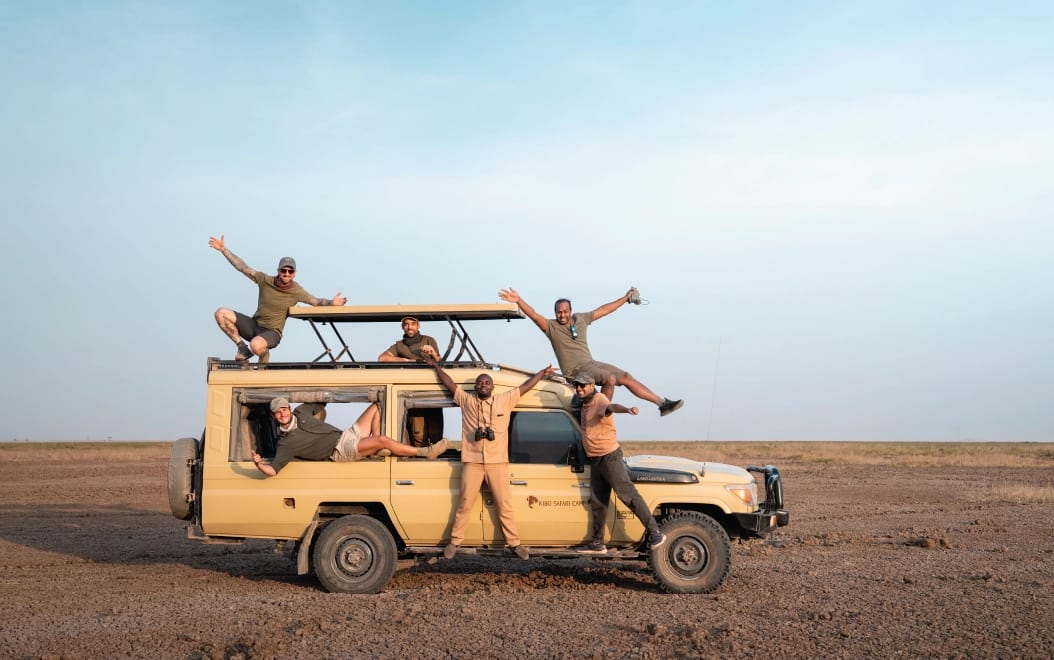
Andrew Macdonald: It was my first ever trip to Amboseli National Park in September 2024. I was joined by my mate Valentin, who now co-hosts safaris with me in the region. We led three guests on an unforgettable six-night photographic safari. And what an adventure it was.
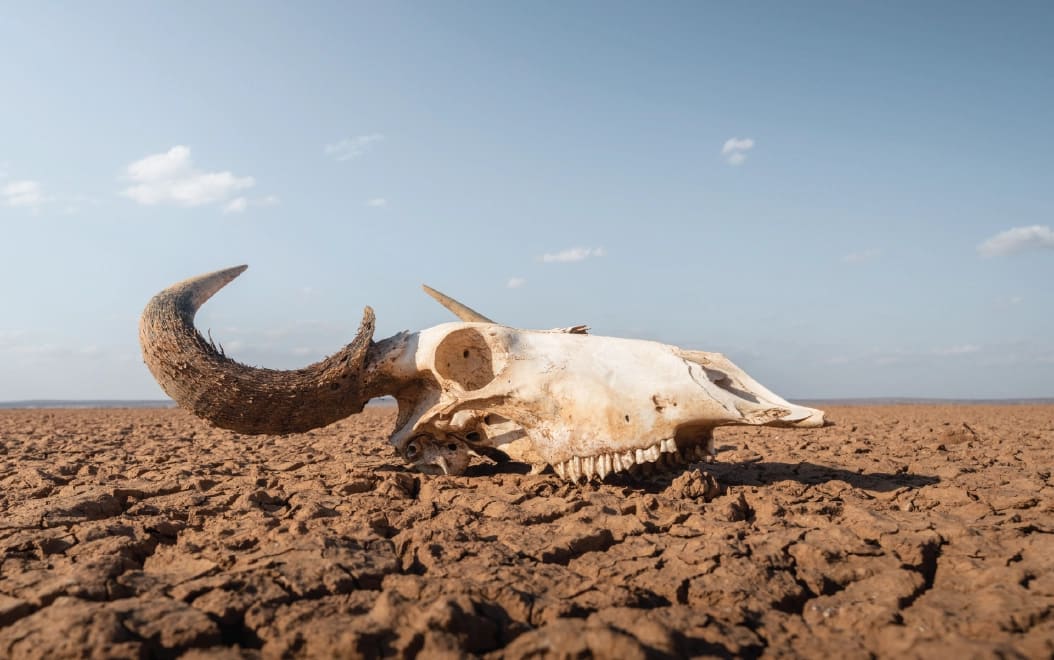
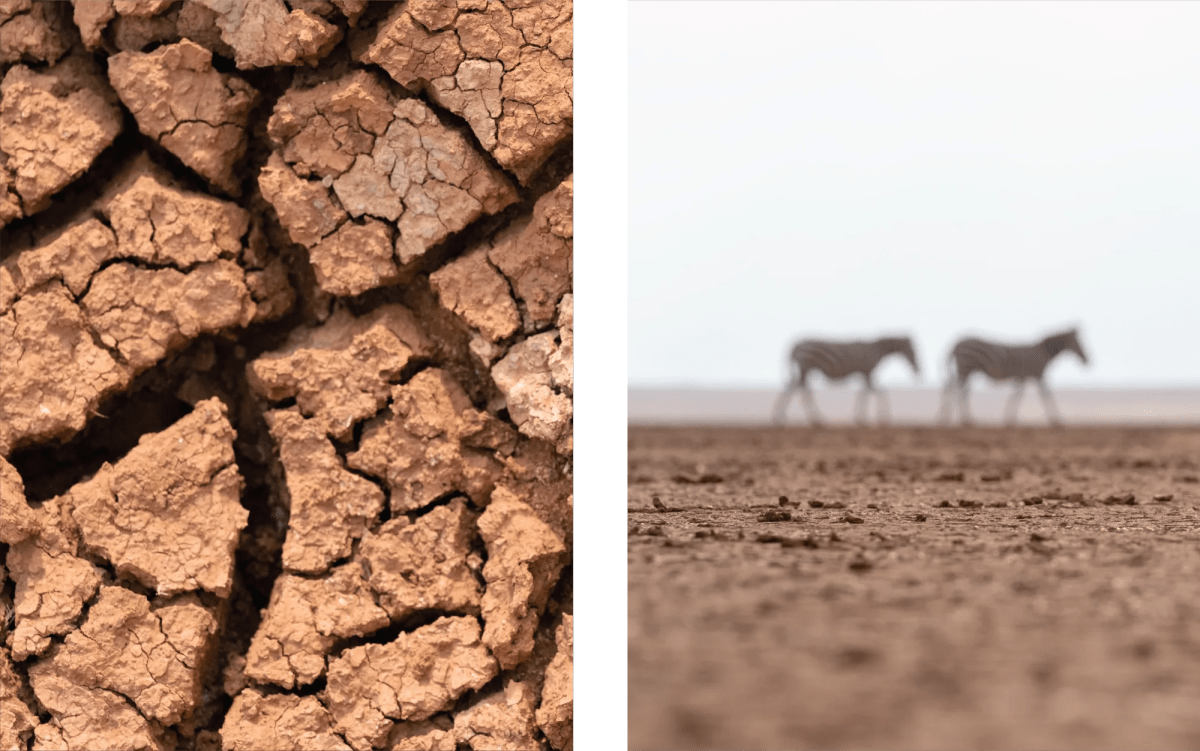
For me, seeing Craig had been a dream for over seven years. Alongside that, I was eager to explore the incredible photographic potential of Amboseli’s famous dry lakebed. Finally experiencing it all firsthand did not disappoint.
Travel Handmade: What was your first feeling when you first caught sight of him?
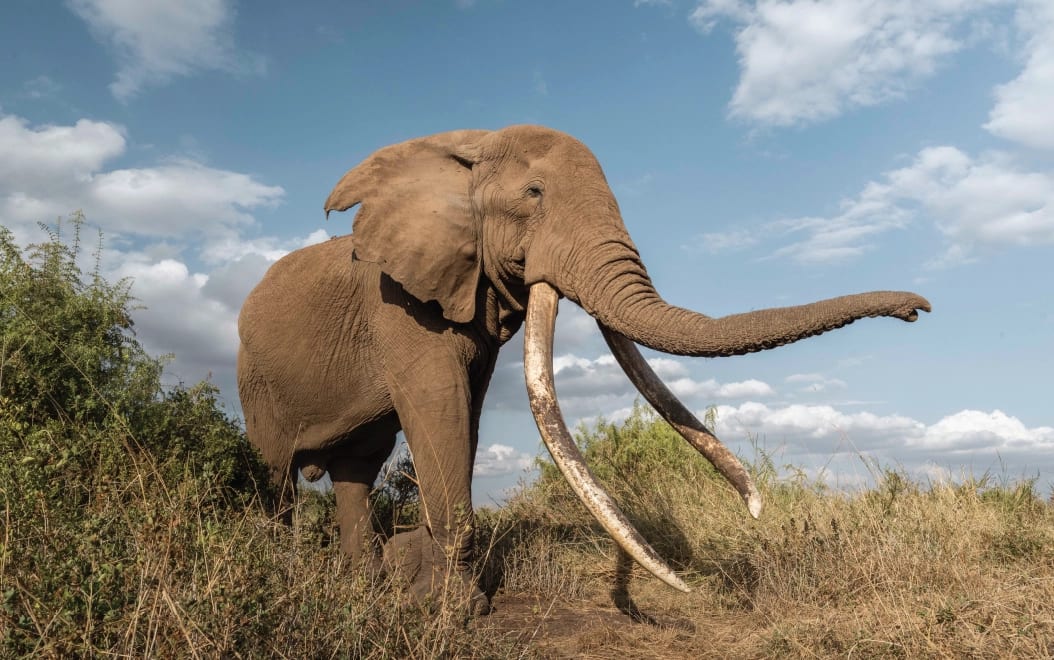
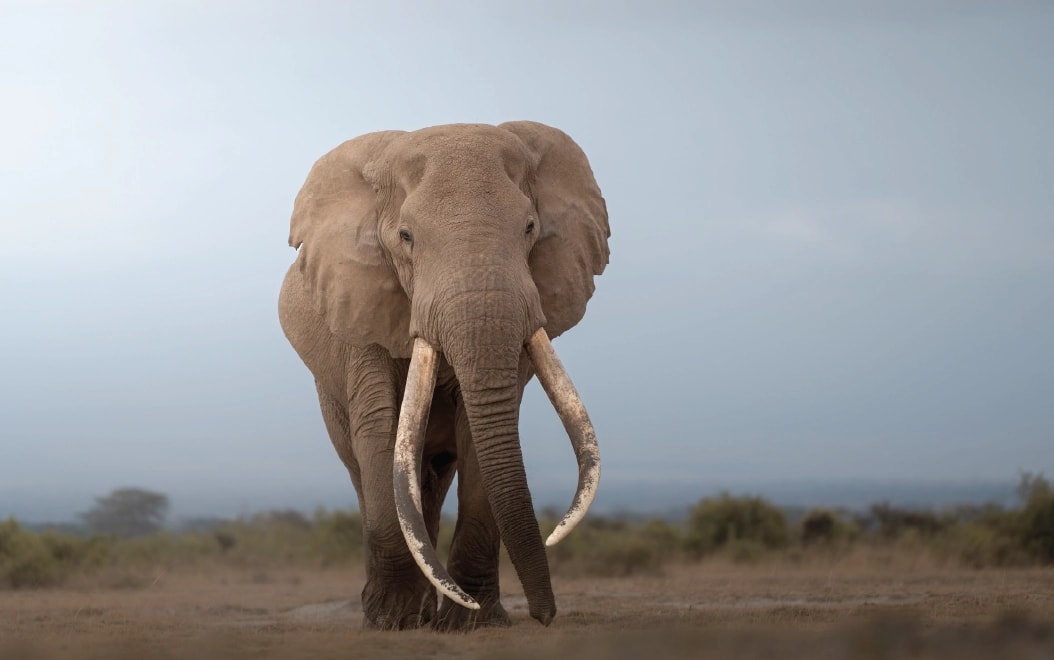
Andrew Macdonald: Craig wasn’t just another elephant. He was one of the last true “big tuskers” left in Africa, carrying ivory so long it nearly touched the ground. But more than his size, it was his calm presence that made him unforgettable. He moved slowly and deliberately across the plains of Amboseli National Park, often with Mount Kilimanjaro towering behind him, completely aware of his power yet never needing to show it.
To spend time with Craig was a privilege. Something was grounding about being in his presence. He represented an older Africa, one that feels increasingly rare.
Travel Handmade: How did you plan your safari schedules in Amboseli when you had to capture the showstopper of the jungle?
Andrew Macdonald: One thing we definitely weren’t guilty of on this trip was wasting a single moment. When we weren’t spending time with Craig, we were out on full-day game drives, no siestas, no long lunches back at camp. We’d leave before sunrise with packed breakfasts and lunches and only return well after sunset.
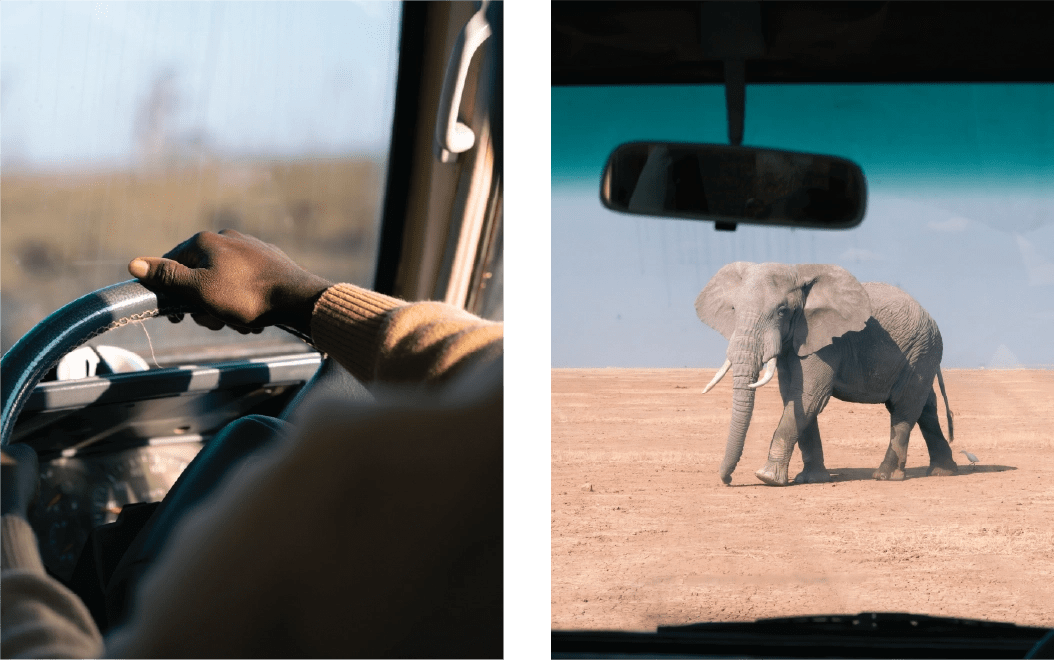
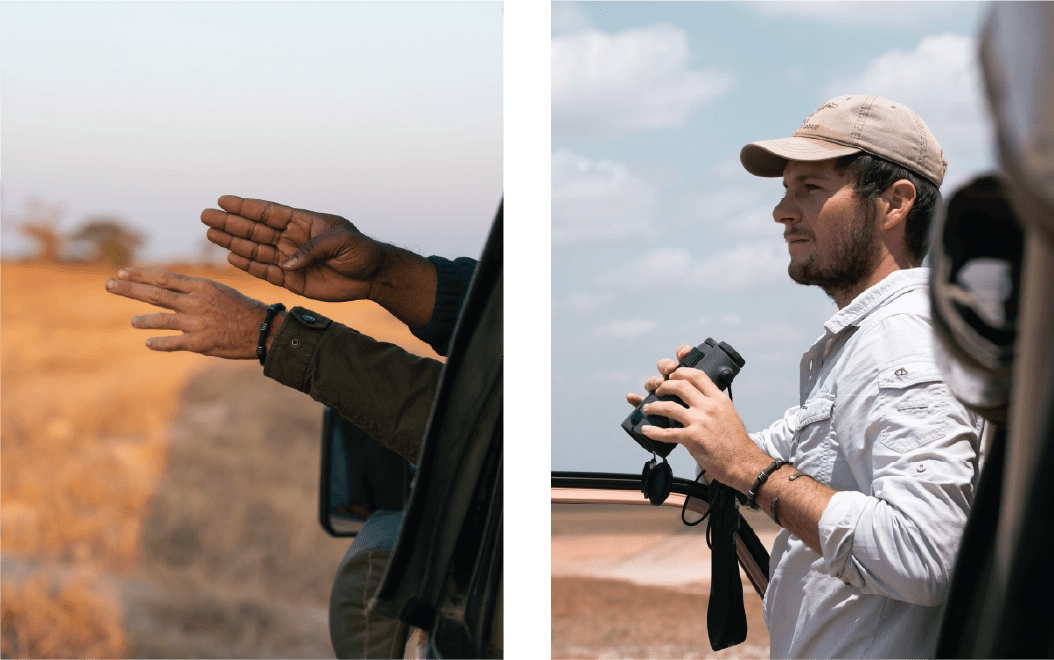
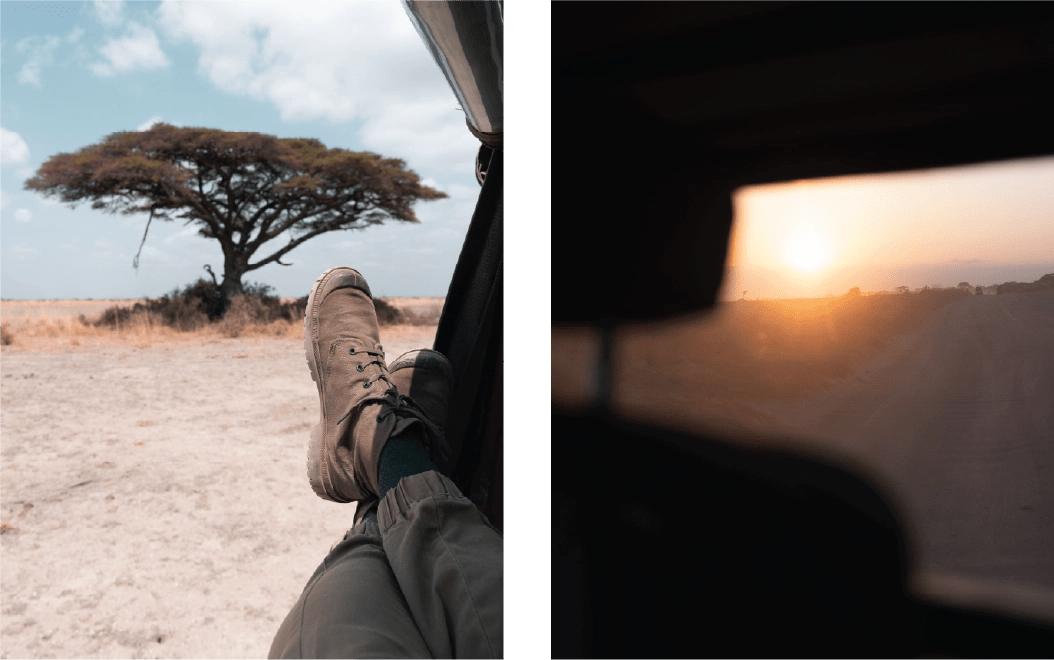
It’s a very different cadence to the safaris I’m used to in Southern Africa, where the rhythm is usually more relaxed, with a calm morning drive, tracking animals, listening for alarm calls, soaking it all in. Then it’s back to camp for brunch and a siesta before heading out again in the late afternoon for a drive and a gin and tonic. In Amboseli, it’s go-time from sunrise to sunset, and honestly, it just works. The unique landscape and quality of light reward you all day long, not just at golden hour. It’s definitely a more intense pace, but if you’re up for it, the photographic opportunities are next level.
Travel Handmade: Midday light can be incredibly harsh on a full-day game drive — how do you work your camera around it?
Andrew Macdonald: I definitely prefer shooting in golden hour, but you can actually shoot right through the harsh midday light here, especially out on the dry lakebed. In fact, that intense light only adds to the drama — the stark shadows and high contrast reflect the harsh, unforgiving lives these animals lead out here. It’s raw, real, and incredibly powerful through the lens.
That said, be prepared for a faster tempo. Especially around the main entrance gate, sightings can attract a lot of vehicles, and not everyone plays nice. It’s not uncommon to have several 4x4s jockeying for position, and respect for space isn’t always a given.
But that’s where we come in. With experience on the ground and strong local connections, we know when and where to be for the best photographic opportunities, often away from the crowds. We aim to maximise your time, your images, and your experience.
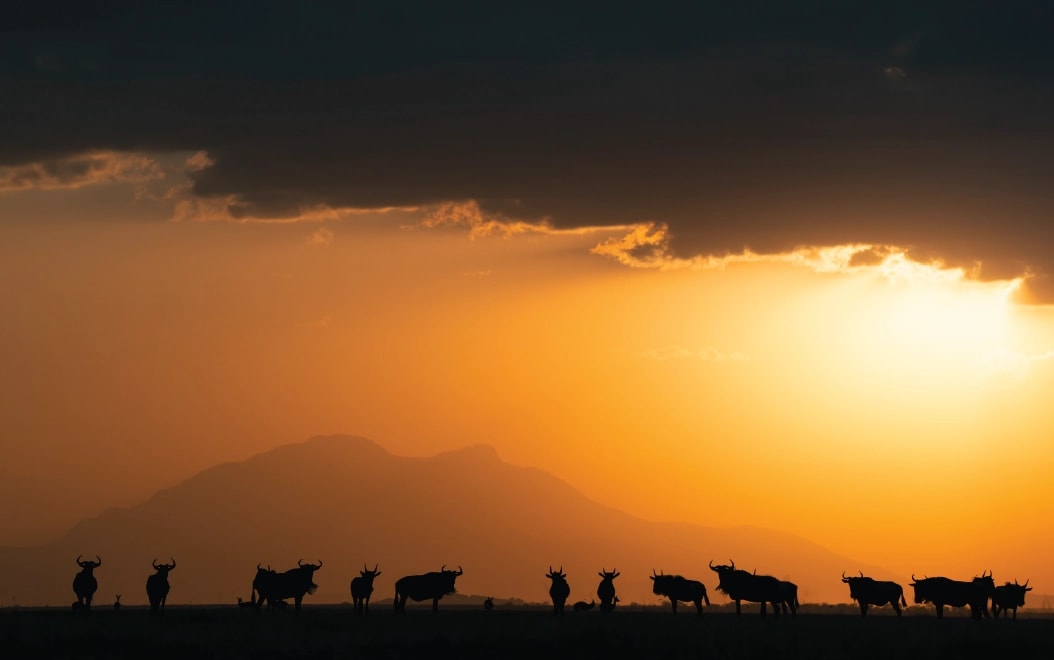
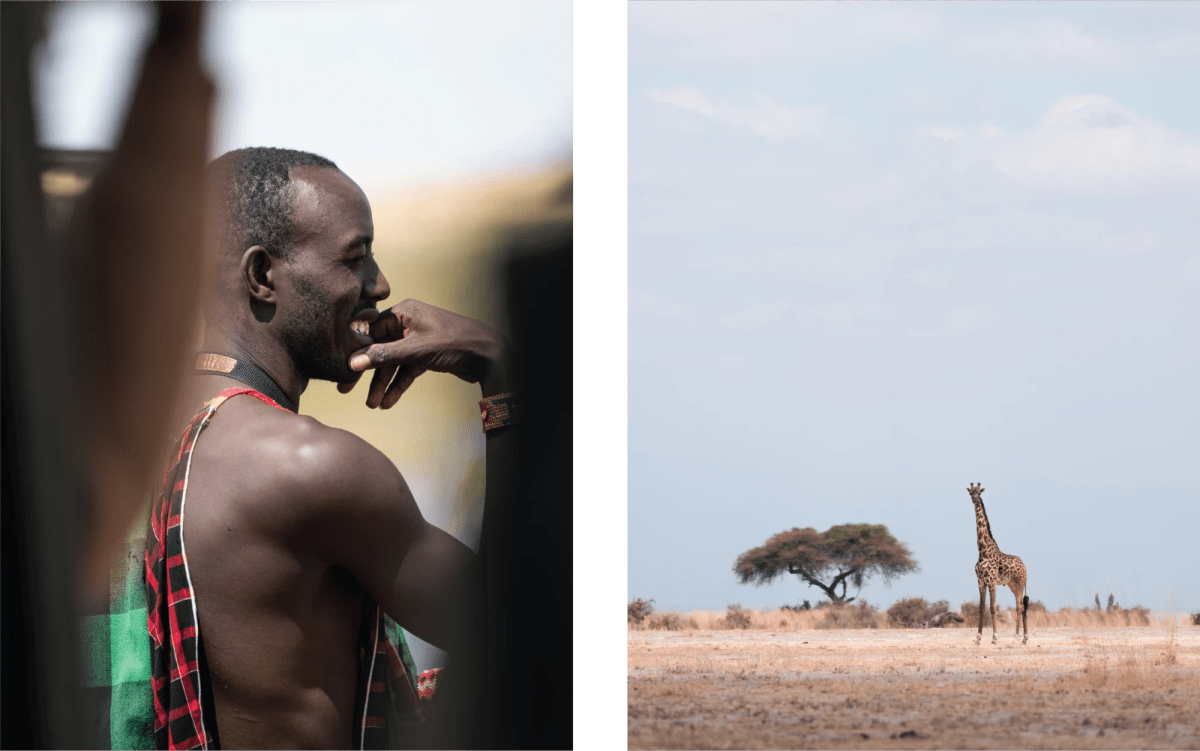
Travel Handmade: While Craig may have taken the spotlight in Amboseli, I’m curious — which other denizens of the park caught your eye and found their way into your frames?
Andrew Macdonald: Here is the gallery, look at this.
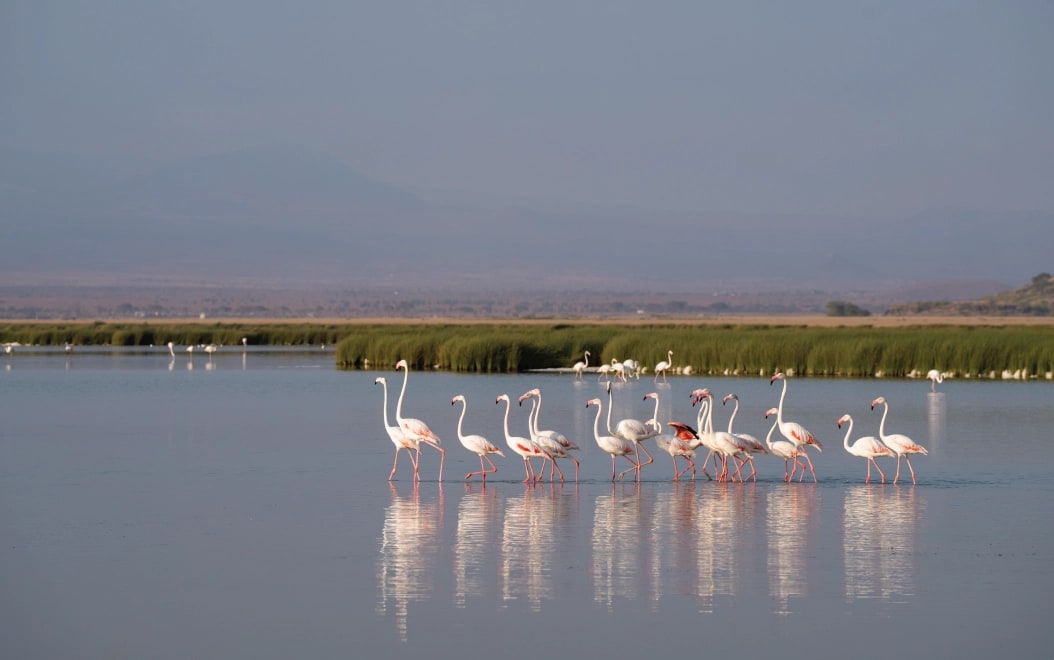
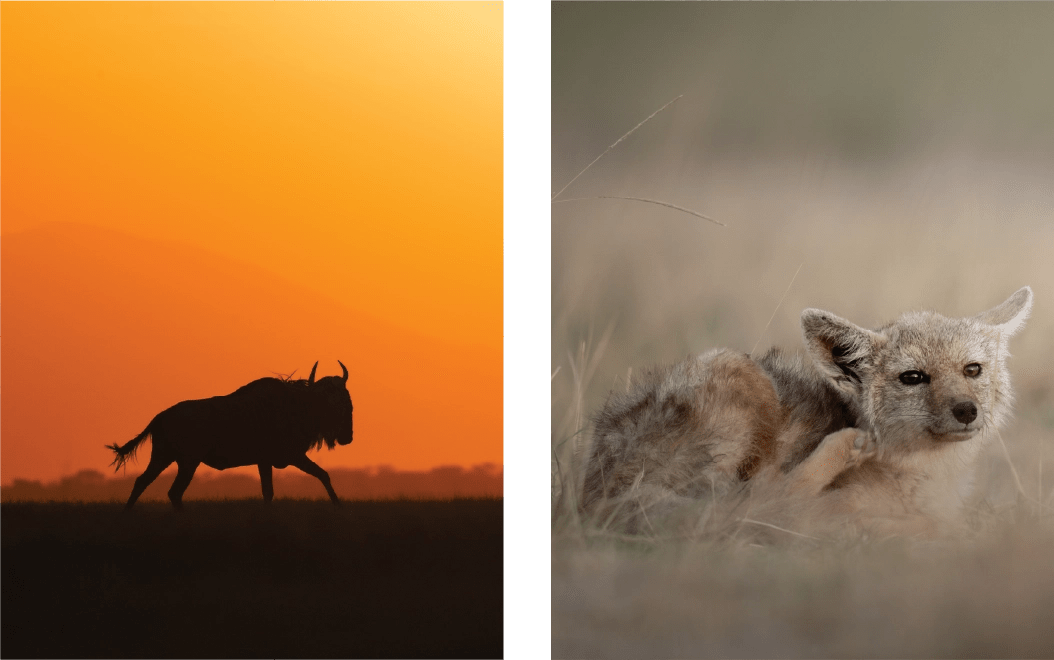
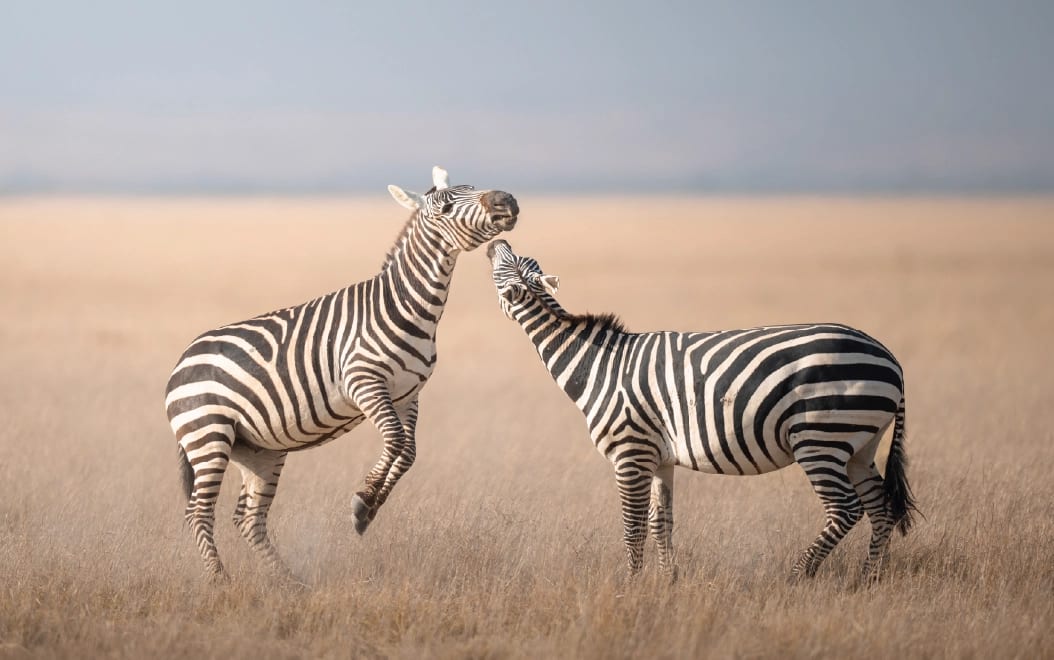
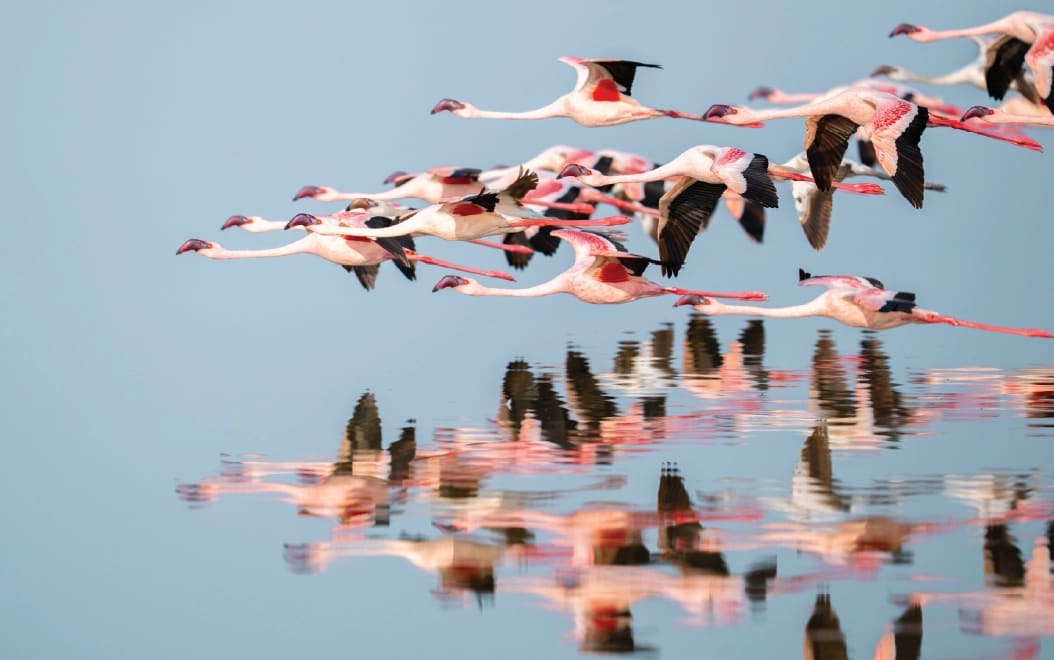
Travel Handmade: Where is your next photo safari expedition headed? Would love to hear a little about it — and also how people can explore or book a spot for participants?
Andrew Macdonald: I’ve actually got several photographic safaris and workshops coming up over the next couple of years. The next expedition on the calendar is a trip to Zimbabwe in August 2026, focusing on both Hwange National Park and Victoria Falls, and there are still a few spaces available on that safari.
After that, I’ll be returning to Amboseli National Park in September 2026, although that trip is already fully booked. Looking further ahead into 2027, I have two separate Uganda photographic expeditions focused around mountain gorillas, chimpanzees, and Shoebill Storks, both of which are also currently sold out. I’ll also be hosting a workshop in Mashatu Game Reserve, which has already been fully booked as well.
We’ll also shortly be announcing plans to return to Amboseli again in 2028. That’s a destination that has really resonated with people, particularly for elephant photography and the atmosphere of the ecosystem, so there’s a good chance we may even look at adding another Amboseli safari in 2027 as well if there’s enough interest.
What’s been really exciting is seeing the growing interest in these smaller, immersive wildlife photography experiences. The more people who reach out looking for these kinds of safaris, the more workshops and expeditions I’m hoping to create going forward. Alongside the scheduled group trips, I also offer private guided safaris and tailor-made photographic experiences for individuals or small groups.
People can explore my portfolio, upcoming safaris, and future workshop announcements through my website and social channels:
Andrew Macdonald Photography Website
Instagram (@a_mac_photo)