A Father’s Letter To His Daughter

“Nature nurtures you. It has its own quiet way of teaching you life science. When you find yourself in the midst of vast, untamed landscapes, the stillness outside awakens a calming silence within. And in that silence, you often find the answers you have been searching for. Nature allows you that.” This is the excerpt from the letter that Kingshuk Mitra is writing to his seven-year-old daughter, Mira. Mitra recounts an expedition to the North Pole and tells her about the moments that made the journey feel extraordinary: the endless white of the sea ice, the biting cold of the Arctic that finds its way creeping through every layer, and the wildlife that appeared almost out of left field.
In an age defined by the relentless noise of social media, Mitra is drawn instead to a more enduring form of storytelling: writing letters to his daughter about his world of discoveries. These letters are a handbook to his world of adventures, experiences, observations, and lessons that only nature can teach you, a kind of personal atlas to places that many of us encounter only fleetingly, through the wildlife documentaries of National Geographic.
There are experiences Mitra wants to pass on to Mira, not as a conventional travelogue, but as a collection of lessons told through digital letters pinned with his photographs that cannot be bought or taught in a classroom: resilience learned from nature's elements, patience discovered in the wild, humility in the presence of nature, and the instinct to remain curious about the world.
For Travel Handmade, Mitra offers a glimpse into a life lived between ambition and adventure, entrepreneurship, and fatherhood, guided by a traveller’s curious mind, who still feels a rush at the sight of wildlife. His story is not about how far one can travel, but how deeply one can experience a place, up close, with curiosity and intent. Perhaps that is the greatest gift an explorer father can give his child: not a map of where to go, but the instinct to keep looking beyond the obvious. And, recurring through his photographs, a simple reminder: never to stop exploring.
It All Began At The North Pole Across The Icy Waters
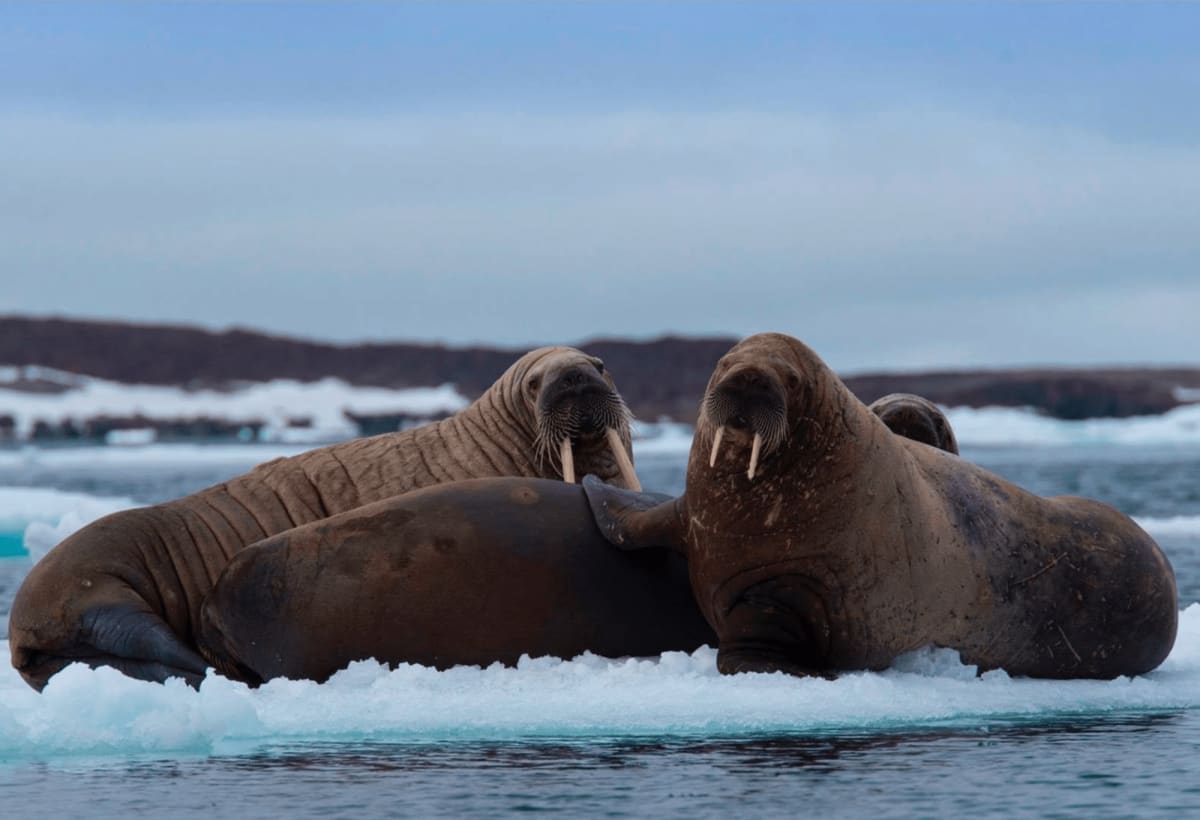
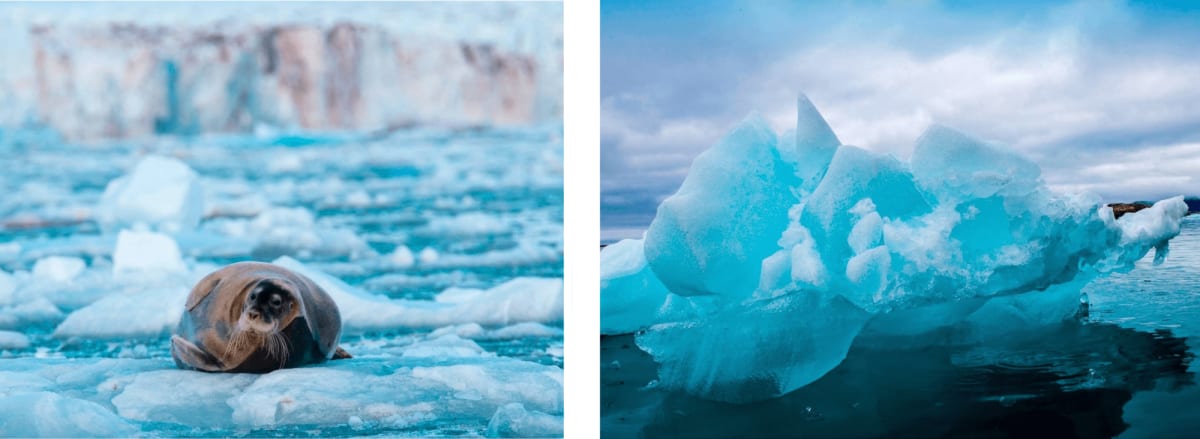
Mitra narrates, “When I first saw the sea of ice from the porthole, so white, it only had ice in volumes that I can never imagine as to how nature has sculpted so beautifully washed with a constant soft light". This is the North Pole.
He arrived at Svalbard in the town of Longyearbyen on Spitsbergen, the archipelago’s largest island, and from there he began the 2-week Arctic photography expedition, travelling deep into the frozen wilderness with wildlife photographer Joshua Holko. Svalbard is located at approximately 80º north, and so the expedition is scheduled in accordance with the prevailing weather and ice conditions found at this latitude at a given time of the year. The ship departed from Longyearbyen through Isafjorden, leading the photographers' group to encounter their first winter landscapes. In such landscapes, winds from the ice whip across the icy water, and as one pulls the jacket closer, the chill finds its way in any way, creeping through every layer.
On an inflatable Zodiac, the team cruised across the icy sea, weaving between blue icebergs that punctuated the horizon. The extraordinary blue of the ice comes from its density: over time, the ice compresses, squeezing out the air bubbles and allowing blue light to penetrate and scatter through it. Winds sweeping off the ice whipped across the water, while chunks of calving ice sent ripples and sudden waves across an otherwise tranquil sea.
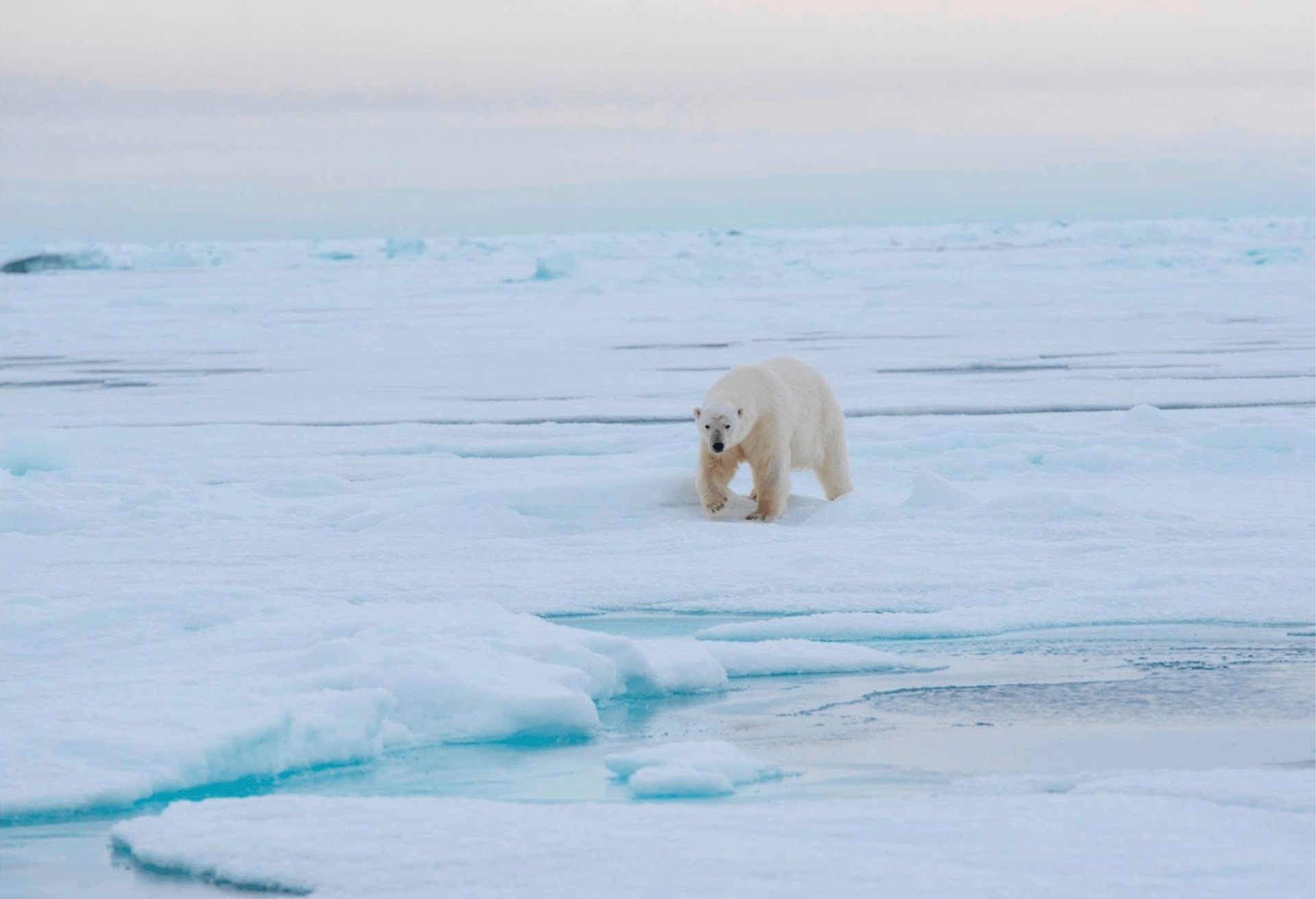
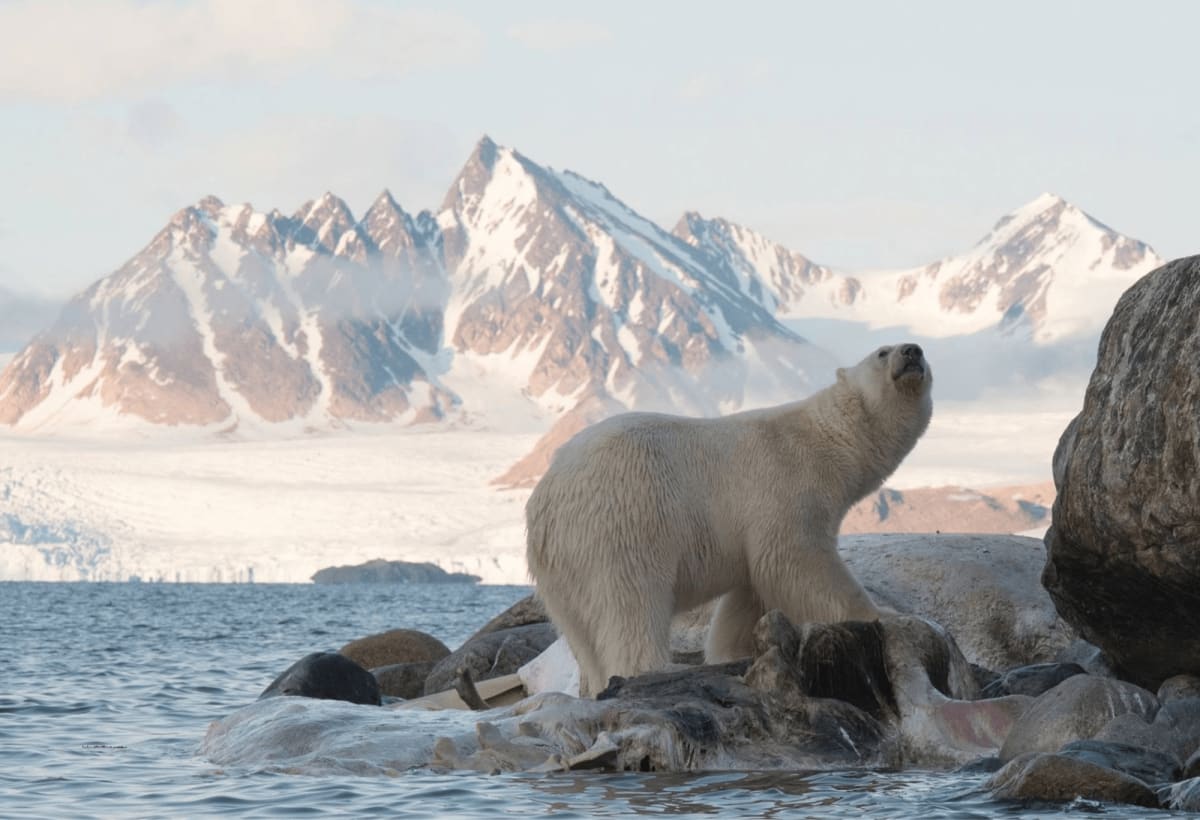
One moment, the eye is following the vast landscape of ice; the next, the unmistakable traces of a polar bear can pull you completely into the present. For Mitra, one such encounter left an indelible mark. A polar bear began following their Zodiac, drawing close enough for the team to watch in awe. Mitra saw the photographic possibility in the fleeting encounter. As the polar bear approached, the light fell almost impossibly well, a soft backlight tracing its silhouette against the expanse of ice and water. He raised his camera and captured the moment, turning an unexpected encounter into one of those rare photographs that could never quite be planned.
The encounter also offered a glimpse into the instinctive life cycles of the Arctic. Polar bears have an extraordinary sense of smell and can detect food from remarkable distances, following scent trails across the frozen landscape. Not long after, the team came upon a whale carcass, already serving as a meal for another polar bear. Here, the wild operates its own economy dependent on nature’s law. A whale carcass can double as frozen food, and Arctic wildlife can feed on them for months to survive in such harsh climates. A vast, frozen wilderness where the next kilometre of track can reveal something completely unexpected. There are no crowds. No prescribed route that we have to follow. No guarantee of what you might see. “And that’s exactly the point,” Mitra says. One has to always be open to challenges, a very important trait of a traveller and a founder.
Diving With Mantas And Orcas At Raja Ampat, Indonesia
To understand why travellers come to Raja Ampat, you may have to cover both land and sea, where another tropical world awaits. An archipelago in Indonesia’s Southwest Papua, Raja Ampat was where Mitra travelled with his family to complete his diving expedition. Already a passionate diver, he takes an annual diving holiday, seeking out new waters and new underwater experiences.
Based at Sorido Bay Resort, he explored Melissa’s Garden, one of Raja Ampat’s celebrated dive sites, where vast coral formations teem with vividly coloured fish and marine life. Then came a World War II wreck dive, where he encountered a P-47 Thunderbolt resting on the seabed, its machine guns still mounted on the wings, a remarkable glimpse into a chapter of history preserved beneath the sea. The real thrill, he says, was being able to glide through the wreck itself, moving inside the ship and witnessing its last remaining bones.
But Raja Ampat’s wonders extend far beyond the water. Its dense, tropical forests shelter some of the region’s rarest and most vividly colored endemic species, including the Wilson’s Bird-of-Paradise.
On Waigeo Island, the largest of the four main islands in the Raja Ampat archipelago, Kingshuk and his wife, Shagun, hiked for nearly an hour into the forest in pursuit of one elusive prize: the endemic Wilson’s bird-of-paradise. By the time they reached the site, the forest canopy had swallowed most of the daylight. Their guide swept a headlamp across the forest floor and spotted something unsettling: fresh blood and scattered feathers. The signs suggested a predator had passed through recently, with the possibility of a snake attack.
The Wilson’s Bird-of-Paradise is best known for its extraordinary courtship ritual, when the male performs an elaborate display of colour and movement to attract a mate, a spectacle that has made the species a favourite subject of wildlife documentaries. But finding one in the wild and watching them in their act are moments of joy, moments of discovery.
Then came his diving sessions with Dr. Phillip Dustan, his naturalist instructor throughout the dives. A renowned coral researcher who has spent more than three decades studying reefs, he performed his first night dive. After dark, the underwater world takes on an entirely different rhythm. Bioluminescence flickered through the darkness, turning the sea into a living constellation. On his daytime dives, manta rays appeared to perform their own tango, gliding in near-perfect synchrony. Orcas, rarely seen in warm waters, offered an even more extraordinary encounter. When a closely knit pod surfaced near their boat, the team seized the rare opportunity to enter the water and swim alongside them.
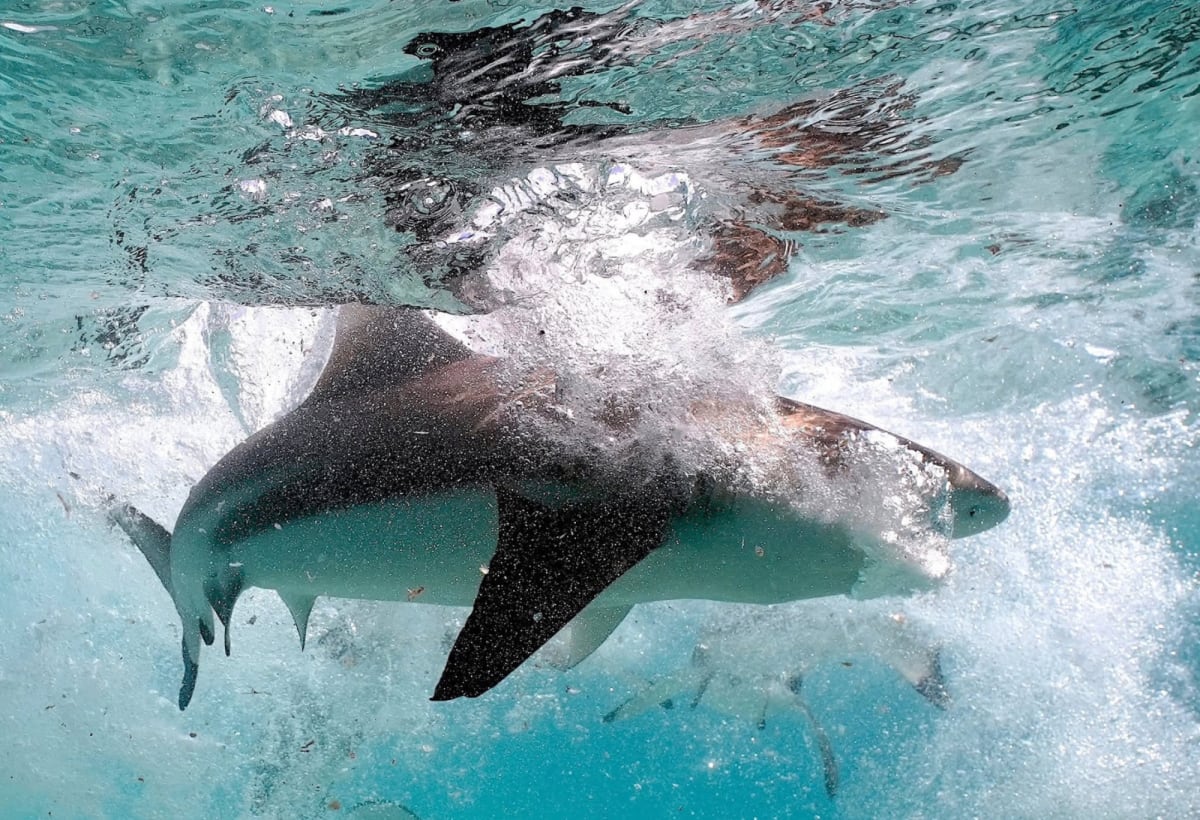
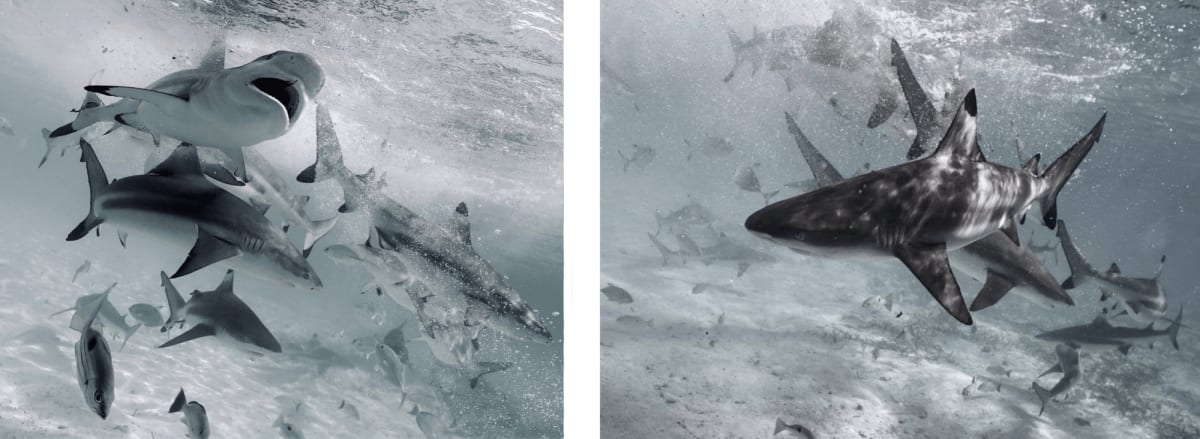
Another moment worth sharing, Mitra recalls, was when there were many reef sharks around, and one curious shark came close to him and brushed against his lens underwater, perhaps their way of thanking, but that slightest gesture can make the human blood run cold.
At Sorido Bay, conservation extends beyond the reef. A shark hatchery is being developed by the conservation team, adding another layer to the resort’s commitment to protecting Raja Ampat’s marine ecosystem. Then there was Max Ammer, the Dutch-born pioneer of diving and marine conservation in Raja Ampat. His stories of exploration, diving, and the early days of the archipelago made for memorable dinner-table conversations. Listening to him, Mitra says, was a glimpse into a man whose connection to this remote corner of the world runs deep.
And then there were evenings at the jetty. After dinner, Mitra would sing with the local Papuans, who, to his surprise, turned out to be devoted Bollywood fans, particularly of Shah Rukh Khan. Almost every night became an impromptu Bollywood concert, in the far reaches of Raja Ampat.
“We fell so deeply in love with Raja Ampat that what was meant to be a short stay stretched into almost a month. Perhaps that is the magic of Raja Ampat: you arrive as a visitor, but somewhere along the way, it begins to feel like a place you belong.”, Mitra adds.
Finding the Family Of Mountain Gorillas In Uganda
If an adventure could be equated with hours of trekking, it would be this: four to five hours trekking through an ancient Afromontane forest, a landscape believed to have remained largely unchanged for 25,000 years; 460 mountain gorillas in the park; and just 36 trekking permits issued each day. The reward is up to an hour in the presence of a habituated gorilla family—and a memory that stays long after the forest disappears behind you.
Bwindi is home to 19 fully habituated mountain gorilla families spread across its four sectors. Only eight visitors are permitted to visit each family on a given day, with encounters limited to one hour, keeping the experience tightly controlled and minimizing human impact.
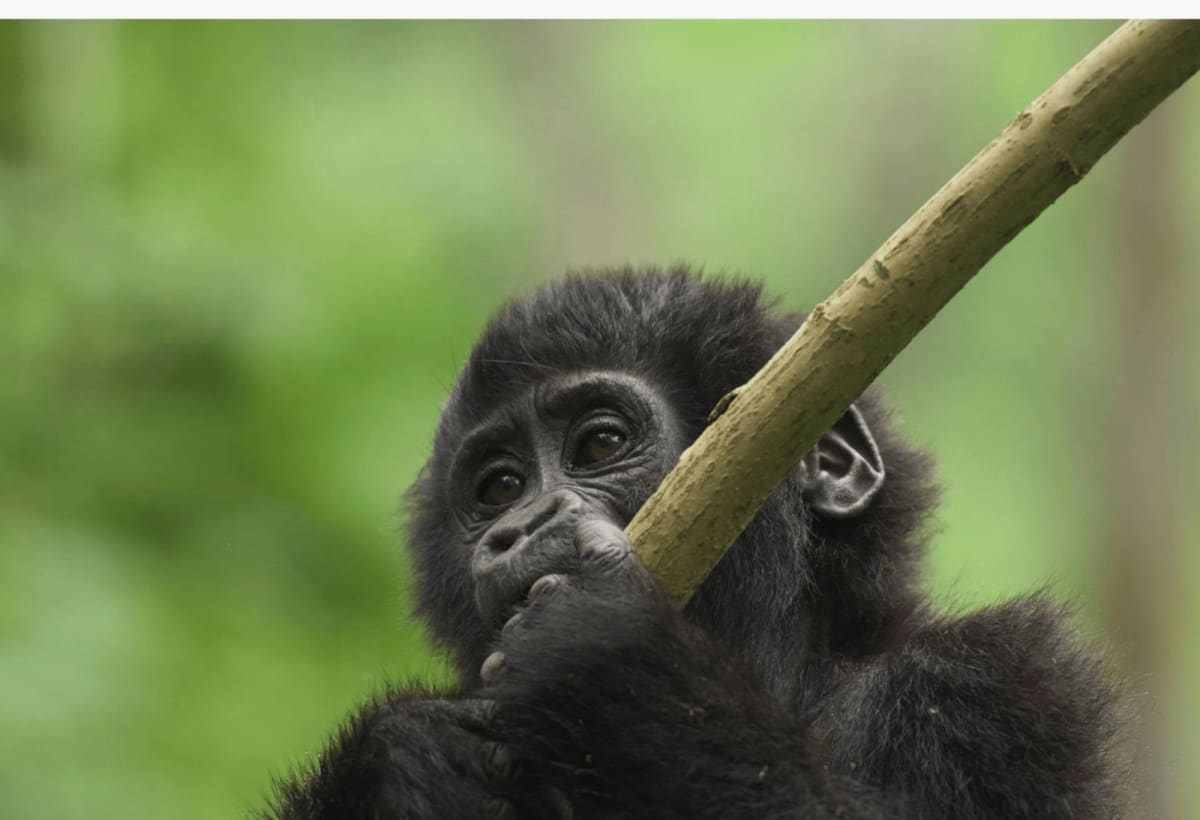
For Mitra, the most memorable moments came without warning. A curious baby gorilla wandered close and began fiddling with his camera lens, turning a wildlife encounter into something unexpectedly intimate. Then the mood shifted. A silverback emerged from the bushes, stopped in full view, and began chest-thumping, a raw display of power that left the group momentarily frozen.
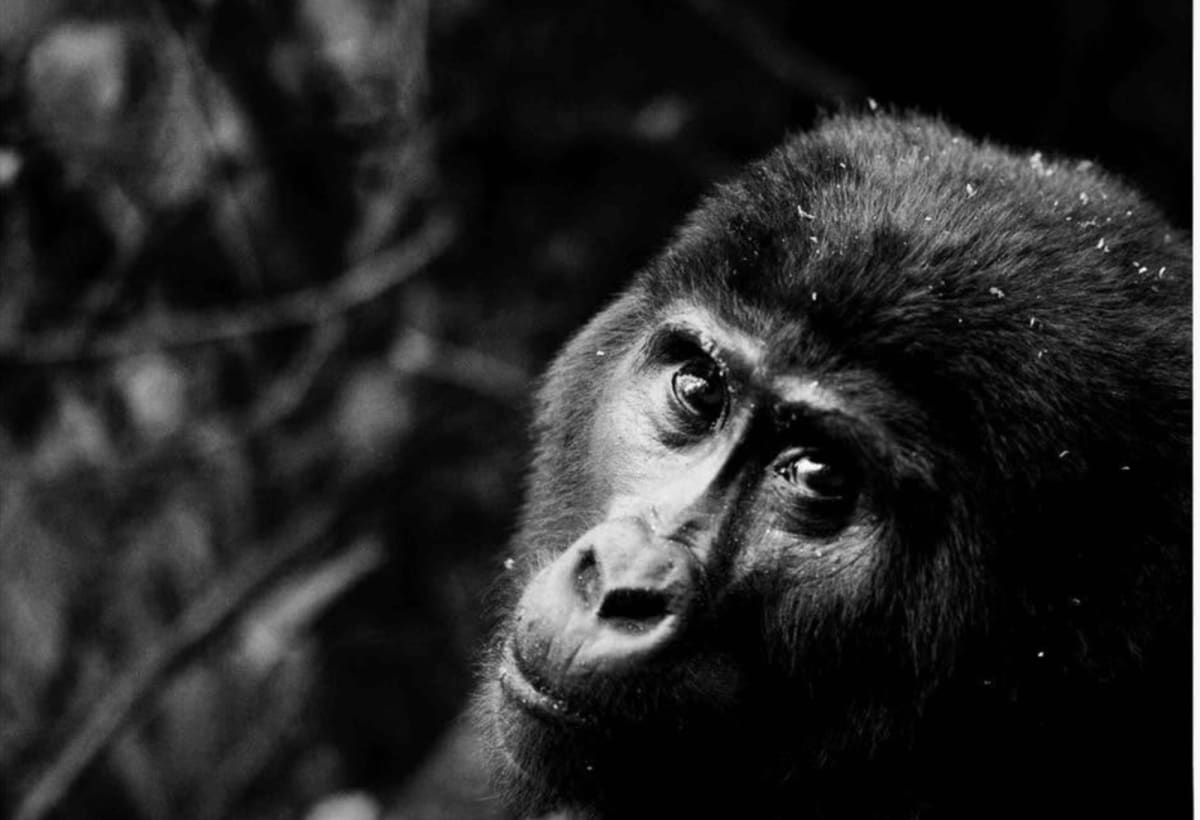
In a forest, the most unforgettable encounters are often the ones you never see coming, and some moments like this slip through the photographer's hands in a spur-of-the-moment flash. It is where we come in to complete your story and tell it to the world.
These incidents in the wild remind us of David Attenborough’s wise words on nature: “It seems to me that the natural world is the greatest source of excitement; the greatest source of visual beauty; the greatest source of intellectual interest. It is the greatest source of so much in life that makes life worth living.”
Transformative Travel Can Lead To Reinvention
A veteran of more than two decades in the media industry, Mitra has held senior leadership positions including COO, APAC, at EssenceMedia and Hotstar. In 2025, he took another leap and founded AdStitch, merging two things of his greatest interest—creativity and technology. Mitra shares with us that there is a sense of destiny to this journey. It has brought him back home to Kolkata, the city where he was born, where he spent his growing-up years, and where many of his earliest memories were made.
He says there is something deeply fulfilling about returning to his roots and starting again—this time, building something of his own alongside his wife. The city that gave Mitra his first memories, he believes, will now become part of his next chapter.
For him, happiness has never been just about work. It lives in the things that keep him curious—football, painting, calligraphy, music, diving, photography, theater, and spending time with plants and aquariums. After two decades of chasing professional milestones, perhaps he has learned that the real journey kickstarts what you discover along the way.
As a father, his hope is simple: that his daughter finds her own mojo and carves out paths made out of her own curiosity.
When Travel Handmade asks how the founder’s journey has been so far, Mitra compares it to travel: “It’s much like a traveller’s journey—you have to keep discovering. Some days, you may see a grim light; on others, you find yourself surrounded by orcas, mantas, sharks and polar bears which doubles the thrill of discovery. But you have to keep striving, keep seeking, and go that extra mile to reach your destination.” Perhaps that is what makes him an adventurer: the instinct to keep moving, keep discovering, and stay open to whatever lies around the corner.
Photography: Kingshuk Mitra
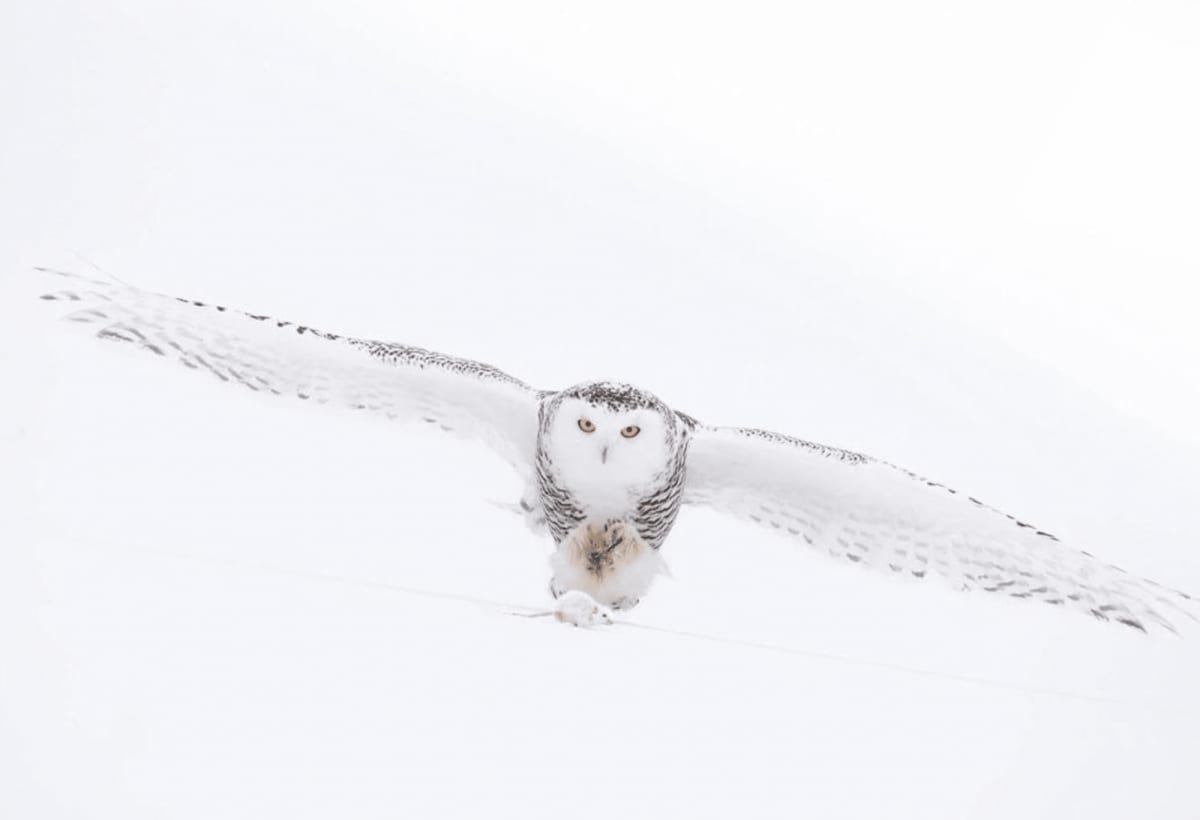
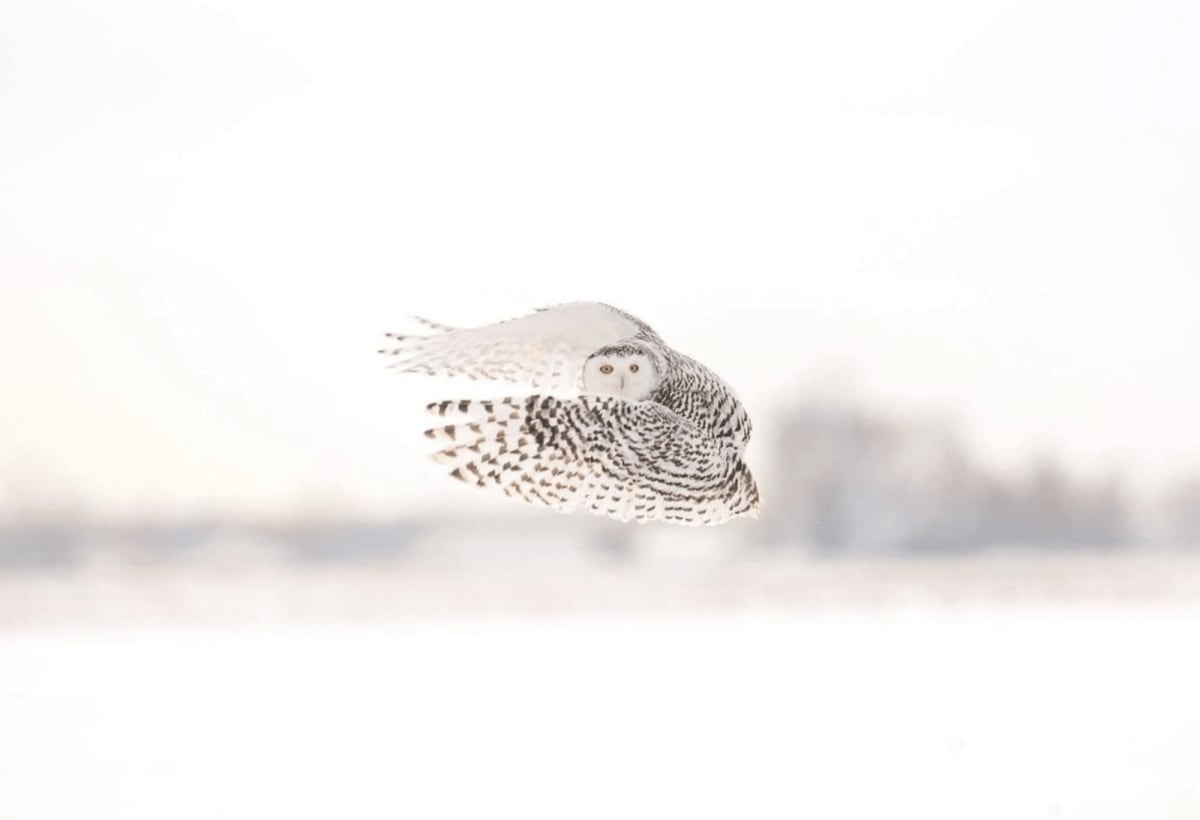
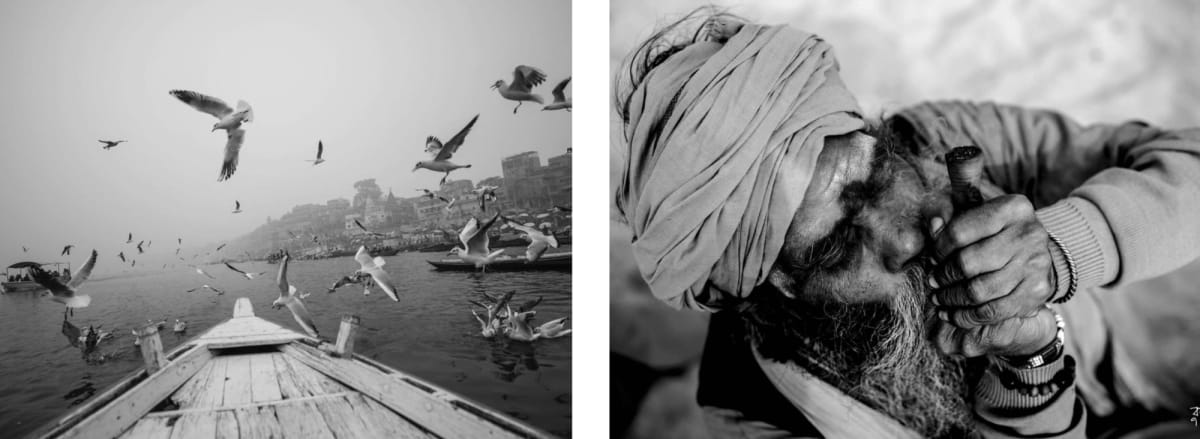
Here are some more shots by Mitra, from around the world.