
A few hours in the city, and I realised that Kyoto has a way of mellowing your pace. Here, centuries-old traditions are not preserved behind glass; they remain woven into everyday life. Temple bells still mark the passing of hours, tea ceremonies continue to unfold with deliberate grace, and lantern-lit streets invite slow evening strolls. For four days, I surrendered myself to this rhythm, discovering a city where beauty lies not in spectacle, but in quiet rituals.
Unwinding in Kyoto, Slowly and Mindfully
The contrast became even more apparent after five exhilarating days in Tokyo. Needless to say, the capital city had filled my days with a strange buzz — trains arriving on time, crossings pulsing with thousands of footsteps, neon reflections shimmering long after midnight. It was exhilarating; sometimes, intoxicating even.
As the Shinkansen swept westward towards Kyoto, I found myself watching the landscape change through the window and feeling something within me soften. The rhythm of Tokyo slowly receded. Mountains appeared on the horizon as the urban density loosened its grip. By the time I arrived in Japan's ancient capital, the noise I had been carrying inside me had begun to settle.
A Riverside Retreat Once Reserved for Nobility
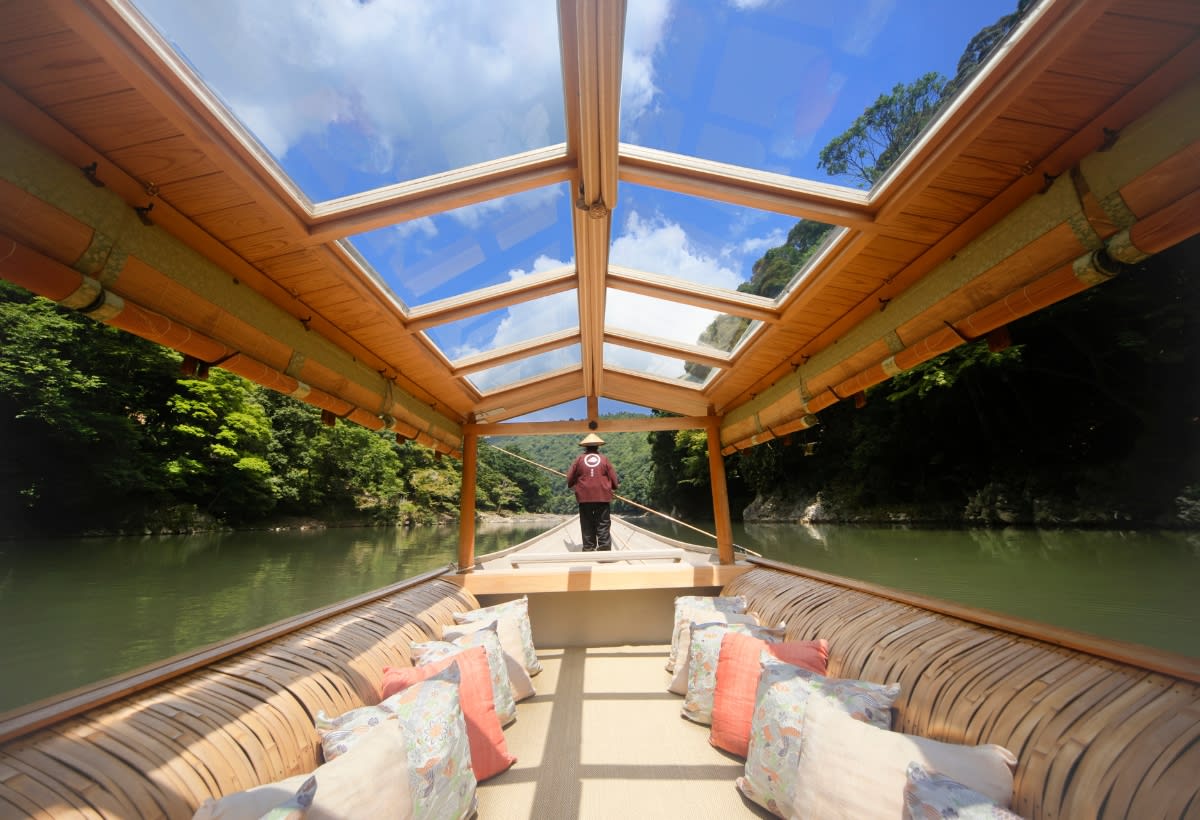
Experiencing Kyoto commenced at Arashiyama, one of the city's most picturesque districts, where forested mountains rise above the gentle currents of the Ōi River. I checked into Hoshinoya Kyoto, taking a short boat ride. The property felt wonderfully removed from the modern world. And once I was there, I learned that long before it welcomed international travellers, this riverside retreat had been a seasonal escape for Kyoto's aristocracy, who sought solace among the forests and mountains of Arashiyama.
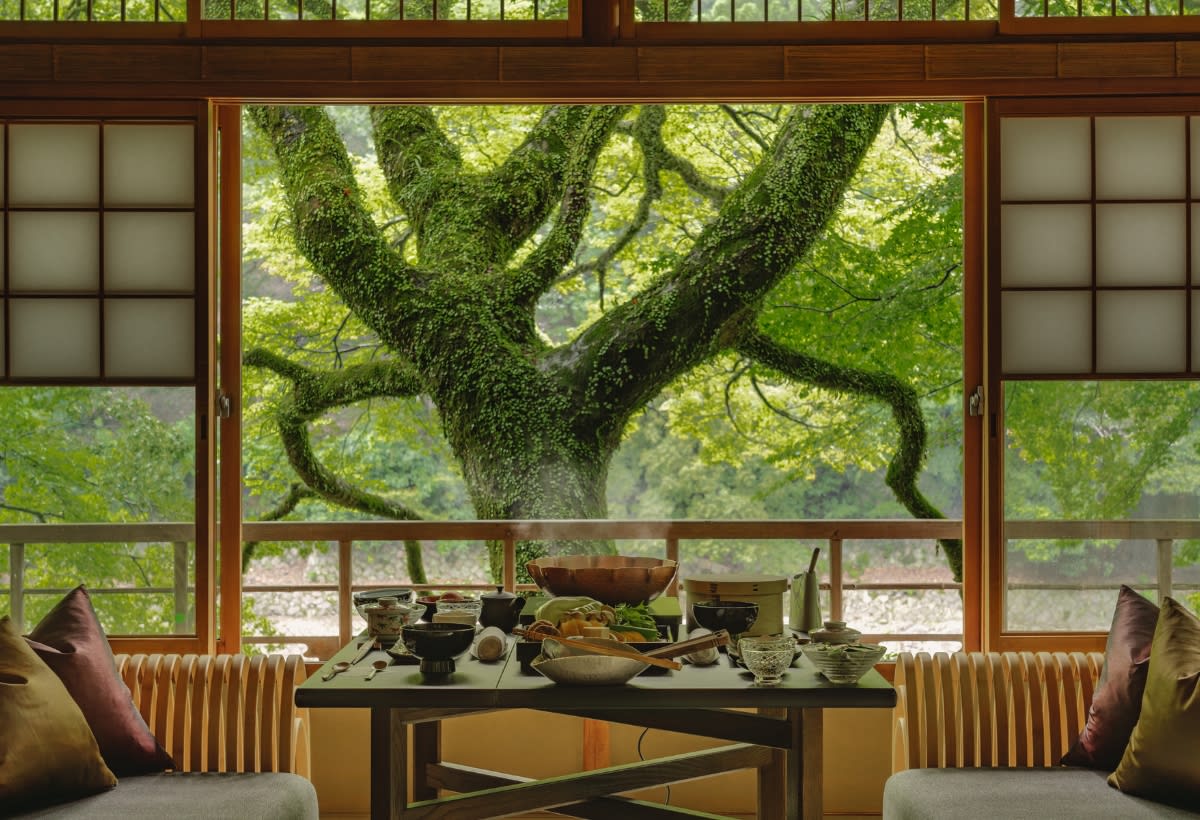
That sense of retreat remains intact today. The surrounding gorge frames every view, with seasonal colours reflecting off the river and filtering through the windows of the guest pavilions. Inside, the aesthetic is unmistakably Japanese, with tatami floors, sliding screens, natural materials, and carefully considered details that encourage calm rather than distraction. One morning, I woke to a veil of mist hanging low over the river; on another, sunlight filtered through the trees, casting shimmering reflections across the water. One of my favourite experiences, however, was renting a floating teahouse overlooking the Rankyo Gorge, where bowls of freshly whisked matcha were served alongside delicate wagashi crafted exclusively for the retreat by Kameya Ryocho, a Kyoto confectioner founded in 1803.
Staying here was also an opportunity to embrace the traditions of a ryokan. Mornings began with a beautifully presented Japanese breakfast served in the privacy of my room, where seasonal vegetables gently simmered in a delicate broth were accompanied by an assortment of carefully prepared dishes. As morning light filtered through the windows and the river flowed quietly beyond, it was an unhurried start to the day.
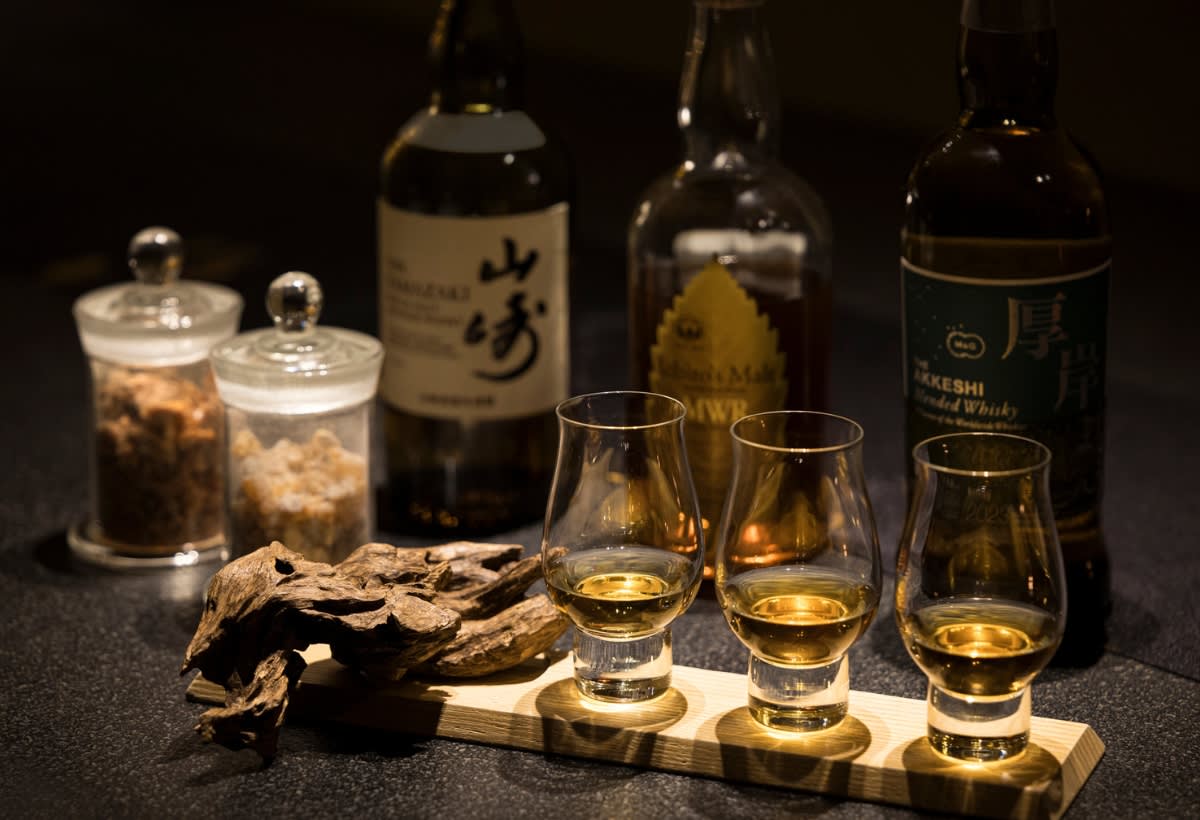
Evenings were equally memorable. I was indulging in kaiseki, Japan's highly ritualised multi-course meal, celebrating Kyoto's culinary heritage through exquisitely presented, seasonal ingredients. More often than not, I ended the night at the resort's bar, housed inside a beautifully restored 130-year-old kura (storehouse). Beneath heavy timber beams and softly lit plaster walls, I enjoyed savouring Japanese whisky and aromatics, while letting the day come to a gentle close.
But on most days, I would wander off after breakfast, to explore Kyoto beyond the quiet comforts of the ryokan. The city's heritage sites, charming alleyways and tranquil gardens beckoned, each one offering a different window into Kyoto's enduring cultural heritage.
Exploring the Sacred Paths and Temples of Kyoto
Kyoto is home to more than 1,600 Buddhist temples and hundreds of Shinto shrines, making it impossible to see them all in a single visit. Instead of chasing every landmark, I let curiosity guide me from one temple to another, discovering that each had its own story, rhythm, and sense of place.
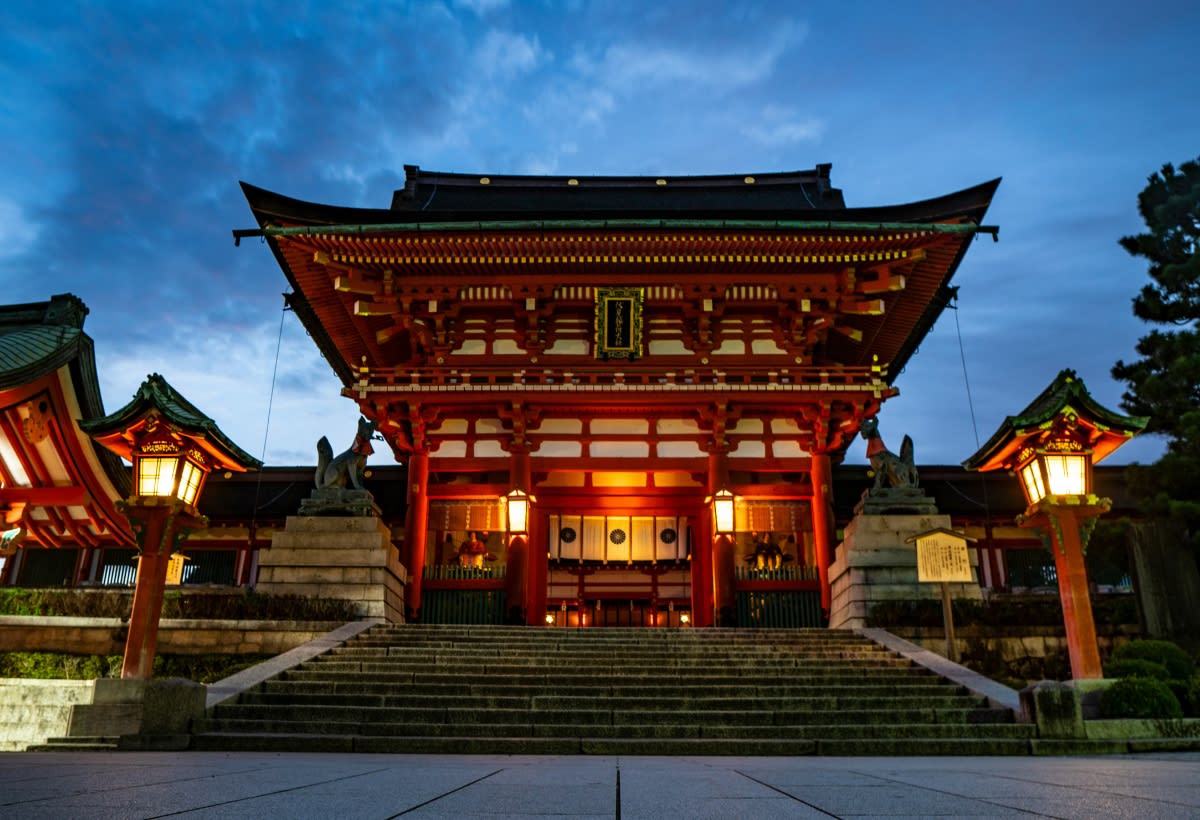
On the second day, I arrived at Fushimi Inari Taisha just after sunrise, before the crowds had begun to fill its famous pathways. Dedicated to Inari, the Shinto deity of rice, harvests and prosperity, the shrine is known for its thousands of vermilion torii gates, donated by worshippers and businesses over centuries. Walking beneath them in the quiet of the morning, accompanied only by birdsong and the whisper of cedar trees, filled my soul with calmness.
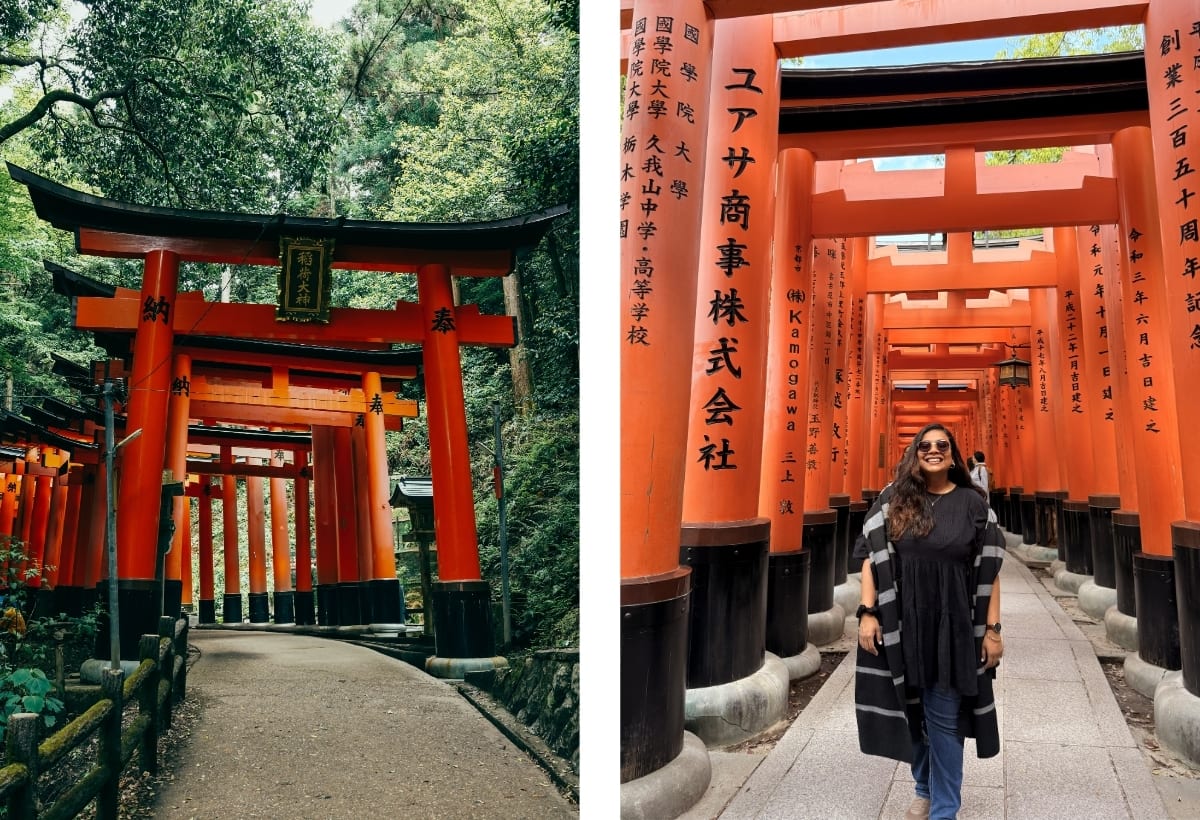
Losing track of time, it was a sudden caffeine craving that made me check my phone. I realised I had spent hours exploring a temple I had admired only in photographs. Grabbing a cup of coffee, I opened Google Maps and made my way to the next stop.
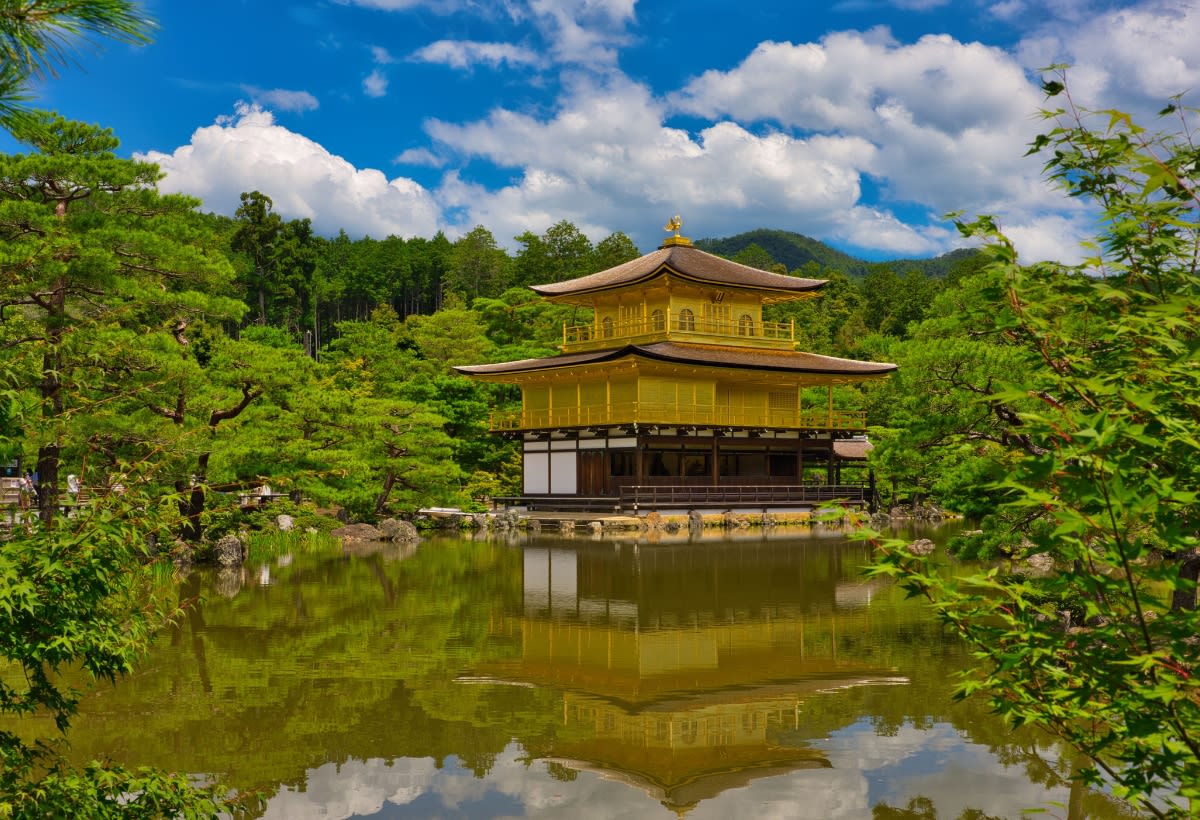
Kinkaku-ji, the Golden Pavilion, offered an entirely different experience. Even the entry ticket felt like a keepsake, printed as a traditional talisman that I carefully tucked into my bag. As I followed the garden path, the temple slowly revealed itself, its gold-leaf façade gleaming above the still pond. Originally built as the retirement villa of Shogun Ashikaga Yoshimitsu in the 14th century, it was later transformed into a Zen temple, and remains one of Kyoto's most iconic sights.
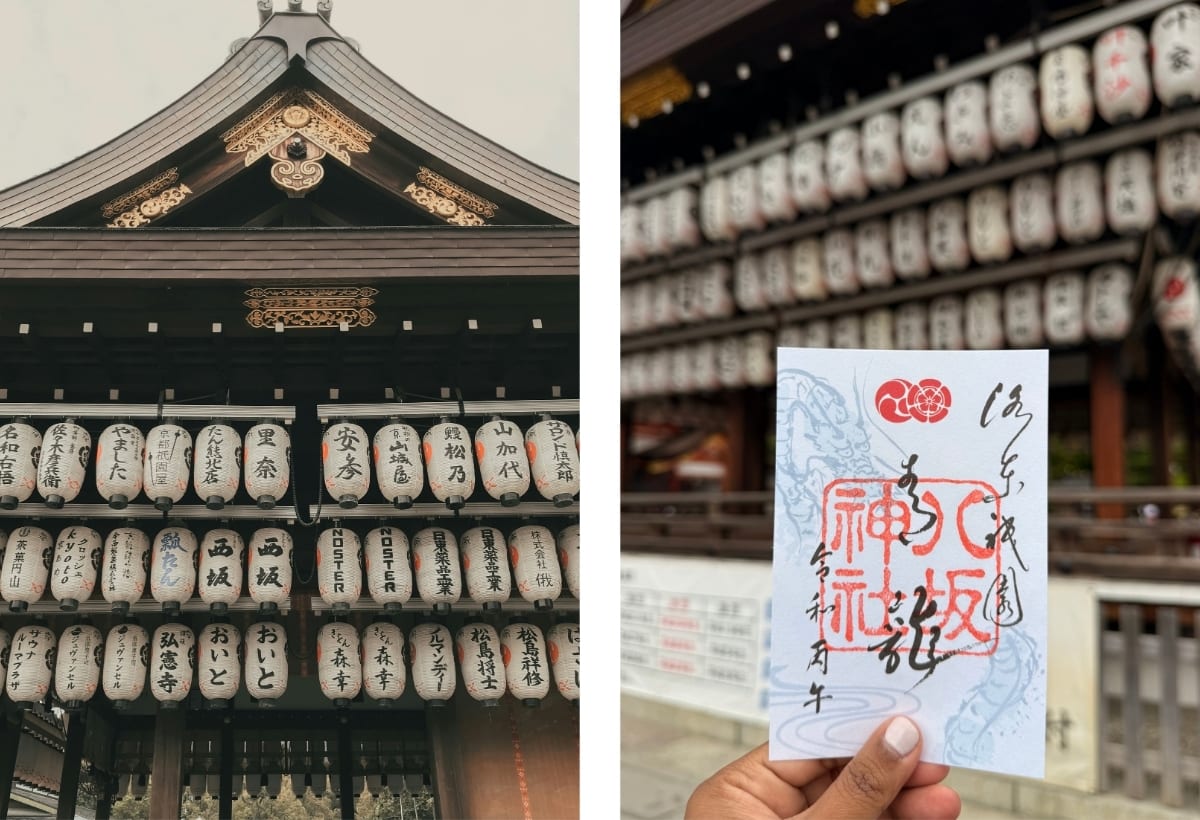
Somewhere between these visits, I bought one of my favourite souvenirs from Japan: a goshuincho, or temple stamp book. I carried it everywhere, handing it over at every temple and shrine for monks and shrine attendants to fill with elegant calligraphy and vermilion seals.
The next day, I headed to Kiyomizu-dera. The walk to the temple, through Higashiyama, was an experience in itself. The stone-paved lanes were lined by wooden townhouses, pottery studios, and family-run sweet shops. After the climb, the temple opened onto sweeping views of Kyoto from its famous wooden stage, while below, visitors gathered at the Otowa Waterfall to drink from streams believed to bring blessings of health and success.
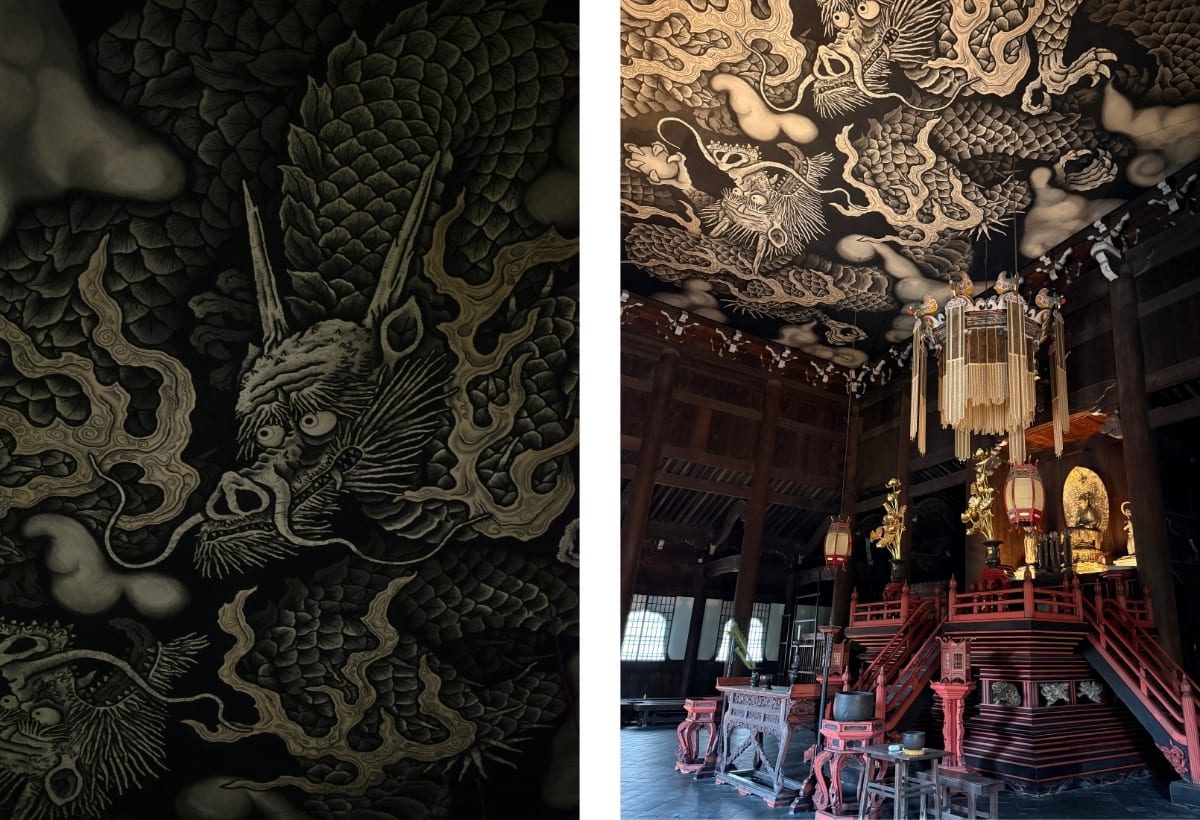
Later that afternoon, I wandered into Kennin-ji, Kyoto's oldest Zen temple, tucked away at the southern end of Hanami-koji Street in Gion. Its understated wooden halls offered a welcome contrast to the city's busier attractions. Looking up inside the Dharma Hall, I was spellbound to witness the enormous ink painting of the Twin Dragons, or Sōryū, swirling across the ceiling.
Yet it was Nanzen-ji that stayed with me the longest. It was my last day in Kyoto when I found this gem, which first-time visitors often overlook. The expansive Zen temple complex encouraged me to slow down completely. I wandered through tranquil gardens, beneath towering wooden gates and past weathered stone lanterns before reaching its unexpected centrepiece, a striking brick aqueduct from the Meiji era that still carries water through the grounds. As the days passed, I realised that no two temples in Kyoto offered the same experience. Some told stories of emperors and monks, while others simply invited travellers to pause, sit beneath a maple tree, and appreciate the silence.
Cherishing the Art of Presence While Whisking Matcha
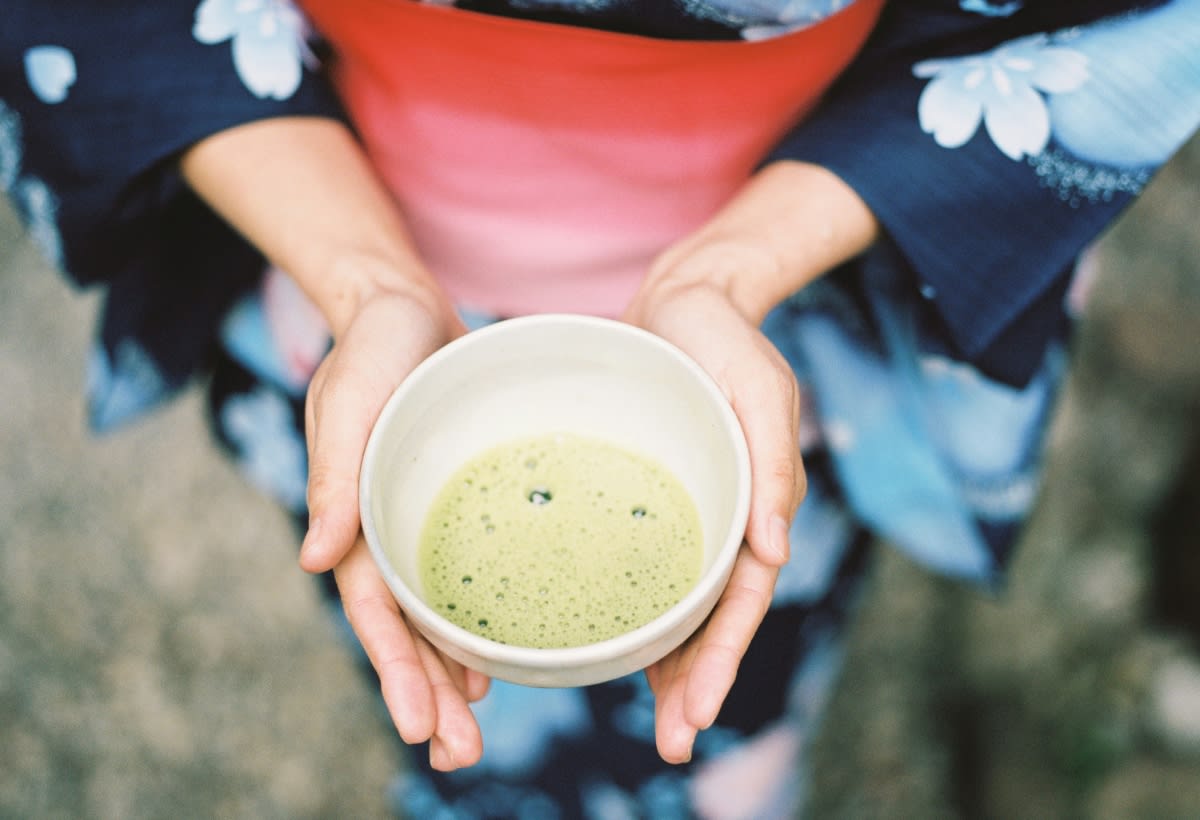
That afternoon, between exploring Kyoto's temples, I traded my usual takeaway coffee for a bowl of freshly whisked matcha.
After some research, I joined a traditional matcha-making session with a local host, who helped us understand that preparing tea is as important as drinking it. The experience was deceptively simple. Each one of us had a bowl, a tiny bamboo whisk, ceremonial-grade powdered tea, and a kettle with hot water. The preparation unfolded with deliberate grace, each gesture refined through centuries of practice. There was no rushing, no multitasking, no impulse to reach for a phone!
For a brief period, the world narrowed to a single act.
Watching the vibrant green powder transform into a cloudy froth beneath the bamboo whisk, I began to understand why drinking matcha occupies such a revered place within Japanese culture. The whole process of making that tea instilled a sense of mindfulness, a reminder to inhabit the present moment fully. And then, it was time to taste the matcha!
It took me a moment to understand it, and another sip to appreciate it. If your palate has grown up on black tea or coffee, matcha introduces itself very differently. By the end of the session, I wasn't just taking away a new appreciation for matcha, but also for the quiet ritual that surrounded it.
An Evening in Gion and Pontochō
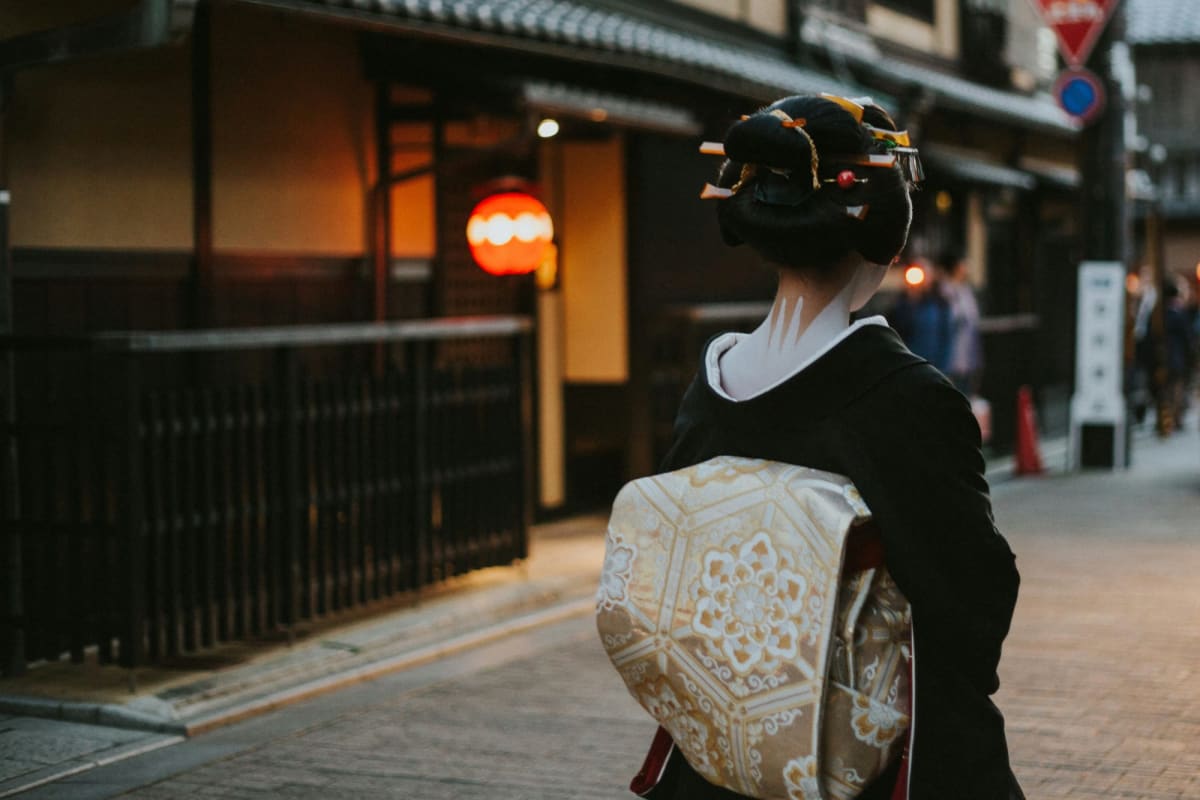
On the last evening in Kyoto, as daylight faded, I joined a guided walk through the Gion district and nearby Pontochō, which are often associated with Kyoto's geisha culture. Beneath the glow of lanterns, narrow alleyways wound past traditional tea houses and private establishments that have served Kyoto's cultural elite for generations.
Our guide spoke about the lives of geiko and maiko, the Kyoto terms for geisha and apprentice geisha, who are often misunderstood by outsiders. Far from the stereotypes that surround them, these highly trained artists spend years mastering classical dance, music, etiquette and conversation. Understanding their world added a deeper appreciation for the streets of Gion.
We also learned why private geisha performances remain among Kyoto's most revered cultural experiences. Held in exclusive ochaya (traditional teahouses), these intimate evenings preserve traditions that have been passed down for centuries. They cannot simply be booked by visitors; access is typically by invitation or personal introduction, making them as much about trust and tradition as they are about artistic excellence.
As we walked, Gion seemed suspended between past and present. Modern Kyoto existed just beyond its edges, yet within these lantern-lit lanes, tradition remained remarkably intact.
Then, almost unexpectedly, a maiko appeared. She moved swiftly through the street, disappearing behind a doorway before most passersby had even noticed her. The sight lasted only seconds, but it was enough to bring the stories I had been hearing to life.
Soaking in Kyoto’s Culture and Slowing Down
The tour around the geisha districts ended at the Yasaka Shrine, its lanterns glowing softly as dusk settled over the city.
And as I headed back to Hoshinoya Kyoto, I found myself replaying the moments that had come to define my time here. The sound of distant temple bells at dawn. A bowl of freshly whisked matcha. The river flowing outside my room. The scent of tatami. A glimpse of a geisha. Lantern lights reflecting on stone pathways.
In a world that constantly demands our attention, Kyoto reminded me that its greatest luxury lies not only in slowing down but in experiencing a city where centuries-old traditions and cultural richness continue to shape everyday life with remarkable authenticity.