At 49/1 Hindustan Park, the buzz is real. Walk in at any time of the day, and you'll be greeted by the aroma of freshly brewed hazelnut lattes wafting through the ground-floor café. Take the stairs up, and the mood begins to change. On the first floor, conversations unfold over chilli-coriander picante and ros omelette, as people settle in for long catch-ups and leisurely meals. For the longest time, that was the Sienna I knew, until recently, when I found myself climbing one floor higher!
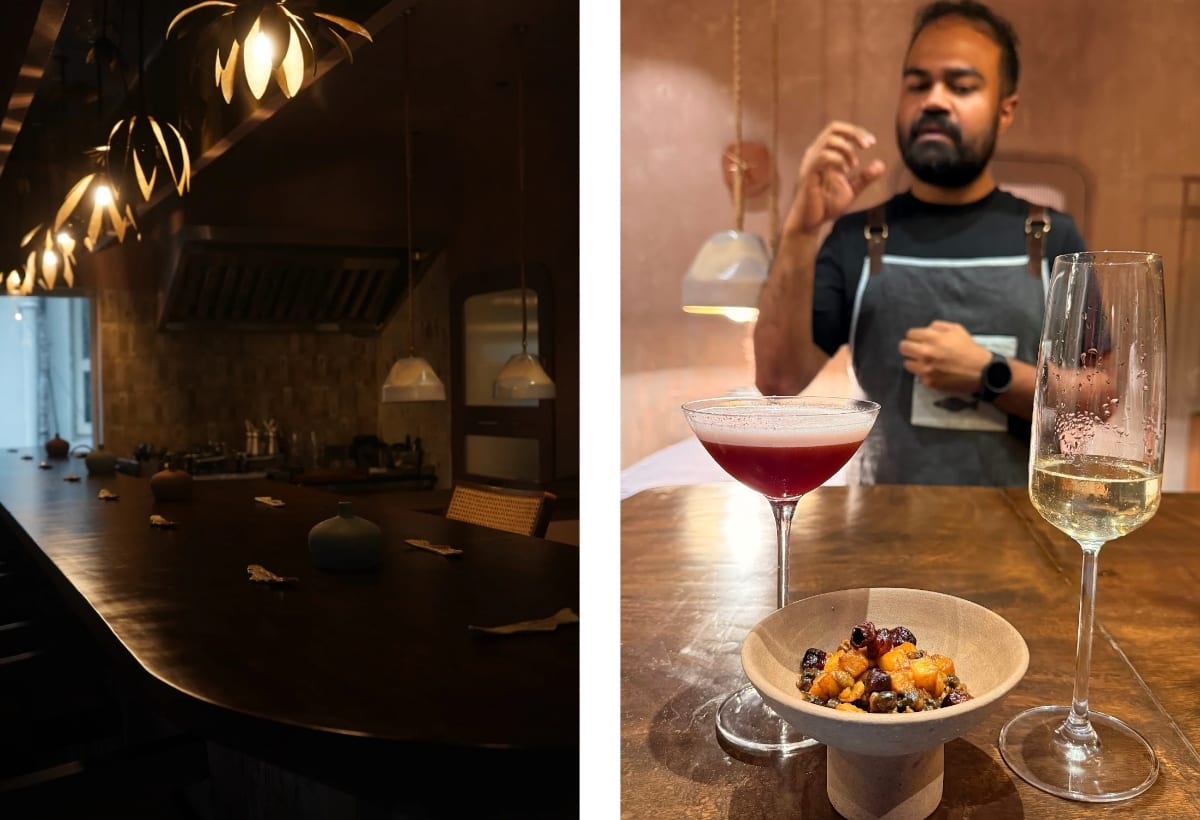
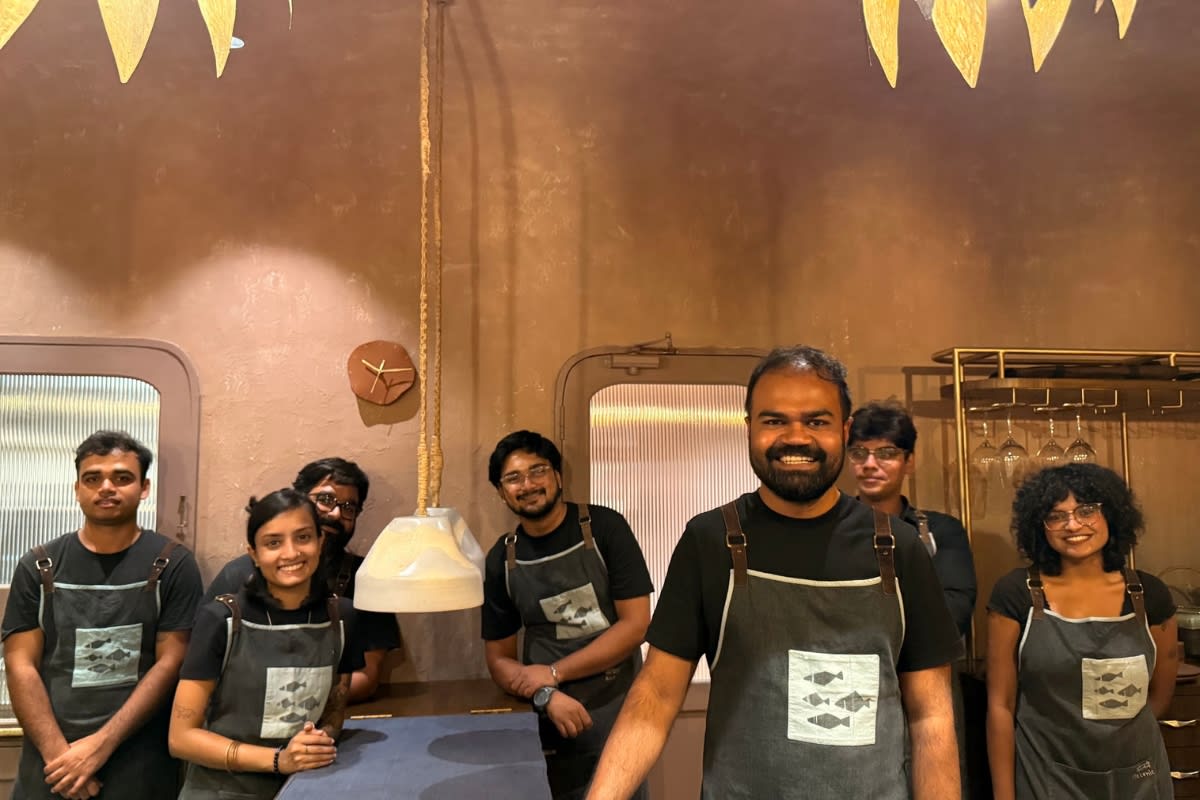
Tucked away on the second floor is where the restaurant reveals its most compelling chapter. Every Friday and Saturday evening, this warm, terracotta-toned space transforms into Rannaghor, the Bengali word for kitchen, an intimate eight-seater chef's table where diners gather around a single communal table, that has a direct view of the open kitchen. The setting feels like an invitation into someone's home, where every plate arrives directly from the hands that crafted it. Helmed by chefs Avinandan Kundu and Koyel Nandy, the 14-course tasting menu unfolds as a carefully curated exploration of Bengal's culinary landscape. “Bengali food has now become synonymous with Calcutta food, especially that of South Calcutta,” says chef Kundu as he introduces the evening's menu. “At Rannaghor, we want to change that. We want to bring forward the flavours of different regions of Bengal, particularly East Bengal and the Bankura-Birbhum belt of West Bengal.”
What follows is an exploration of Bengal's culinary heritage through regional and heirloom recipes, forgotten ingredients, and thoughtful reinterpretations.
An Introduction to The Chef's Table at Rannaghor by Sienna

Before the first course arrived, chef Avinandan Kundu shared the philosophy behind Rannaghor. At the core of Sienna's culinary vision is the belief that Bengali cuisine deserves a broader conversation, particularly in a city where it is often represented by a handful of familiar favourites. With three distinct dining spaces and a team of nearly 30 chefs and sous-chefs, Sienna has spent a decade creating a platform for regional Bengali food. The intention is not merely to celebrate classics such as basanti pulao, kosha mangsho or aloo posto, but to spotlight recipes, ingredients and culinary traditions that rarely make it to contemporary restaurant menus.
The evening opened with a cocktail that immediately set the mood. A blend of gin and taalshash, or ice apple, it was crisp, refreshing, and delicately layered. Alongside it arrived the first course, uchhey ol. In a traditional Bengali meal, teto or bitters mark the beginning of the dining experience. Rannaghor's interpretation combined uchhey (bitter gourd), ol (elephant foot yam), and seasonal jukti phool, a bitter flower that blooms on mango trees for only a brief period each year. The flavours were carefully balanced, with a touch of aam tel (a staple in Bengali kitchen, mustard oil infused in green mango) lending depth and a lingering finish. It awakened my taste buds and hinted at the culinary journey that lay ahead.
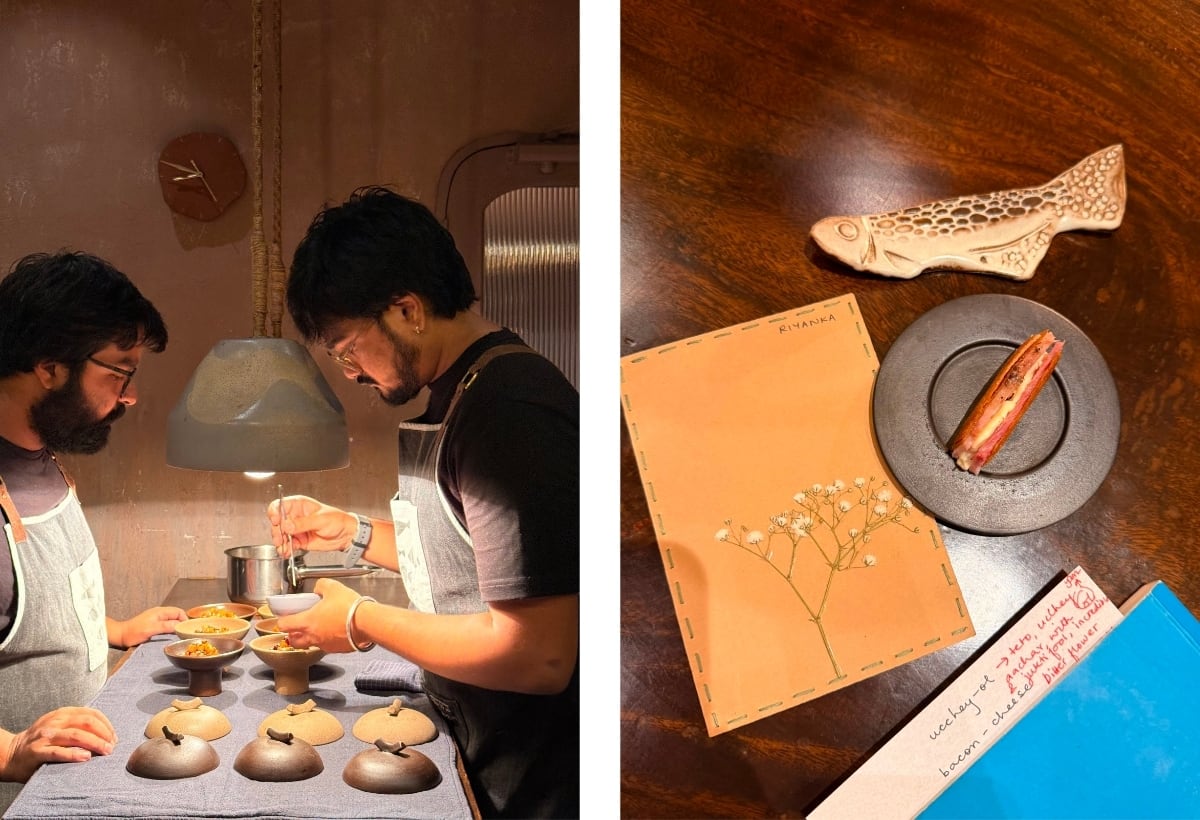
The second course, bacon-cheese, offered a clever reinterpretation of a familiar colonial classic. Replacing ham with katla machh bacon and pairing it with Dhakai cottage cheese, the dish delivered all the comfort of a sandwich while remaining unmistakably Bengali. The cocktail pairing of white rum, peppercorn, and green apple added brightness and complexity, drawing appreciative nods from diners around the table.
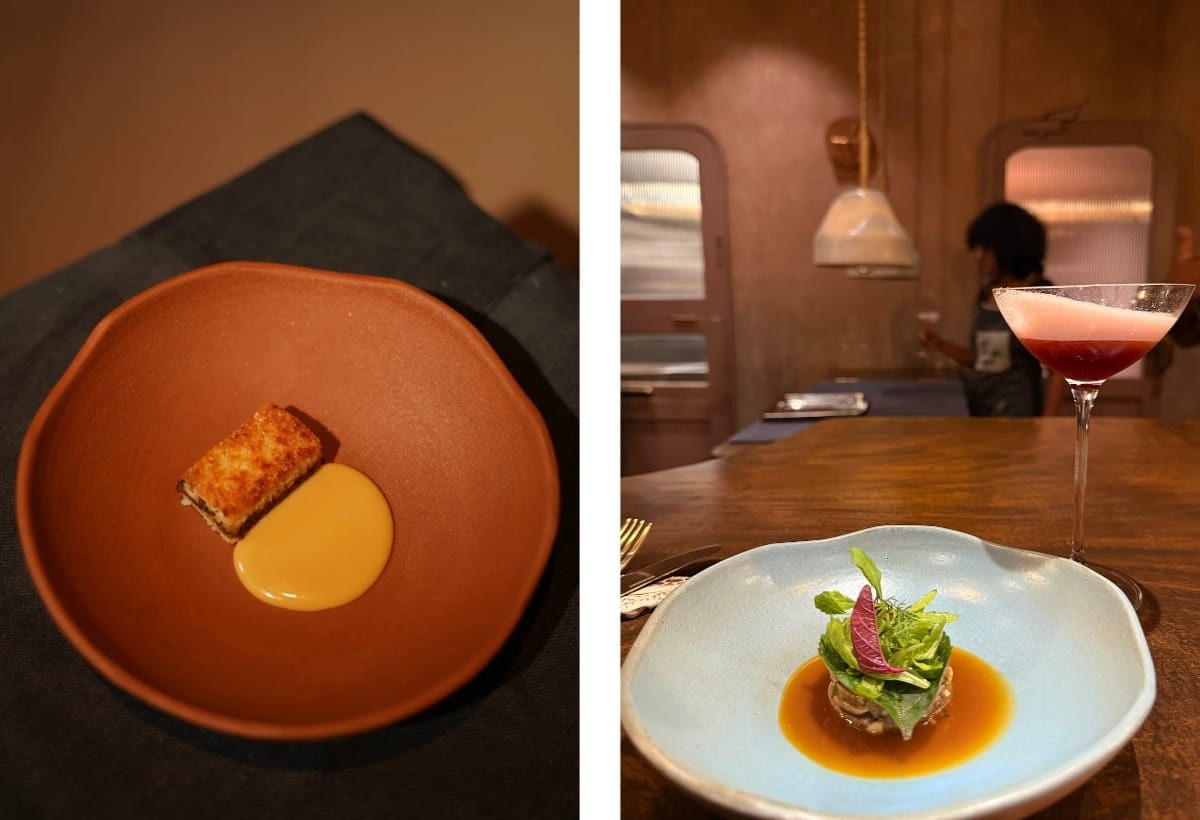
Next came ghee-bhaat, a dish rooted in nostalgia. Prepared with fragrant tulaipanji rice grown primarily around the North Dinajpur district of West Bengal, kultir daal (Bengal horsegram), and the nutty Bonolokhi ghee, it celebrated the quiet elegance of everyday Bengali comfort food. “In Bengal, more than 1,500 varieties of rice are cultivated, yet it is only basmati that has truly captured the spotlight,” says chef Kundu, pointing to tulaipanji, the GI-tagged rice used in ghee-bhaat, as an example of the region's overlooked culinary treasures.
The fourth course, kopi-kidney, drew inspiration from the arid landscapes of Bankura, where dried vegetables often find their way into home kitchens. Made with dried cabbage that mimicked the texture and flavour of mushrooms, and paired with mutton kidney, it showcased a style of cooking built on ingenuity and resourcefulness.
That spirit continued with googli-beej, a preparation featuring freshwater snails and assorted seeds, and mahua flower. Unusual in the context of a tasting menu, it perfectly captured Rannaghor's commitment to exploring Bengal beyond its festive dishes and urban favourites. Across rural Bengal, ingredients such as snails, foraged greens, seeds, and lentils have long formed the backbone of daily meals. Here, they were presented with the same respect typically reserved for more celebrated ingredients.
The Main Course: Maach, Mangsho and More
"Will they really serve us ants?" I found myself wondering as the next course arrived. Titled chui jhaal-pipre, the dish paired Bengal pepper with a traditional Bankura-style chutney made from red ants, garlic, salt, and green chillies. As I took a spoonful of the chutney, chef Kundu mentioned that the use of insects in food is a long-standing culinary practice among several indigenous communities, including the Santhals, who live in and around the forested regions of Bankura. Honestly, the curry leaf emulsion softened the chutney's sharp intensity, while preserving its distinctive character.
Alongside it came the evening's third cocktail, an inventive blend of tequila and kalonji (black cumin seeds). Bold and aromatic, it demonstrated the kitchen's willingness to experiment without losing sight of its roots.
The heart of the meal unfolded through a succession of memorable plates. Maach-daal paired bok maach (needlefish) with masoor daal, celebrating one of Bengal's most enduring culinary combinations. This was followed by matha-pata, where seasonal greens and fish head were lifted by a bright note of orange juice.
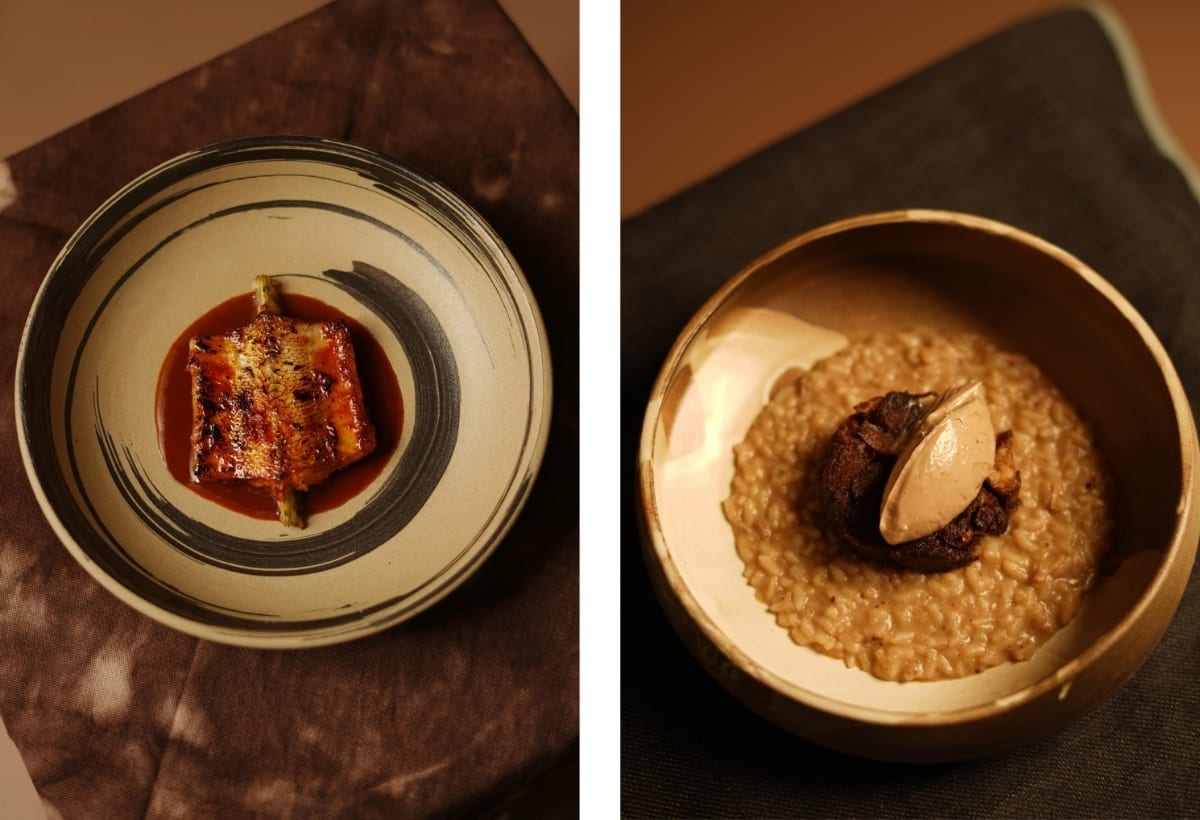
One of the standout courses of the evening was undoubtedly duck-kochu. Roasted duck glazed with Sundarban honey and radhuni phoron (wild celery seeds, a staple aromatic in Bengali kitchens) arrived alongside a silky taro mash. Rich yet restrained, it was a dish that balanced technique with deep regional flavours.
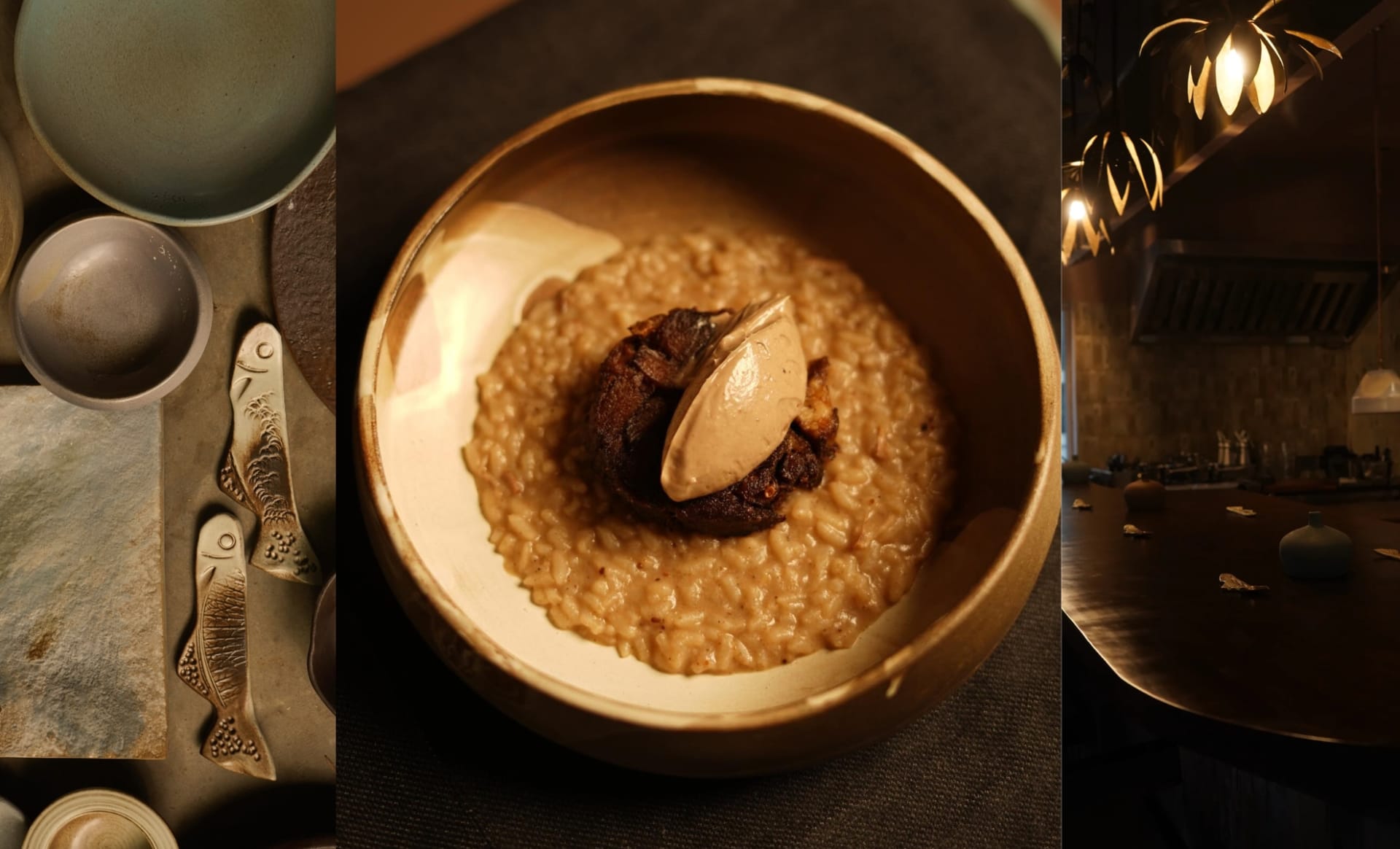
The menu then crossed into ‘Opar Bangla’, or East Bengal, through a dish that carried personal significance for chef Koyel Nandy. Mangsho rezala, based on her family recipe, transformed the classic Bangladeshi-style mutton rezala preparation into a risotto using fragrant Karpurkanti rice, native to the Sundarban, and topped with a rich bone marrow butter. Familiar flavours took on a completely new form without losing their soul. For me, it was the defining dish of the evening. And in between courses, an aam-pachak palate cleanser arrived as a refreshing raw mango sorbet, offering a brief pause before dessert.
It All Ends at the 'Mishtir Dokaan'
No Bengali meal is complete without mishti, and Rannaghor's dessert sequence felt like a celebration of memory itself. The first dessert, aam-jaam, paired Himsagar mangoes with jamun compote and a hint of basil oil. Light and elegant, it paved the way for something far more nostalgic. Next came Horlicks-caramel, made with caramelised Horlicks and roasted milk powder. It was a dessert that instantly transported the diners back to childhood, evoking memories shared across generations of Bengali households.
The final cocktail of the evening arrived as a fitting conclusion! A refreshing blend of gin, lemon, and jowaner arak, the traditional carom-seed digestif, better known by its medicinal name, Aqua Tchychotis, it was bright, aromatic, and perfectly suited to the final stretch of the meal.
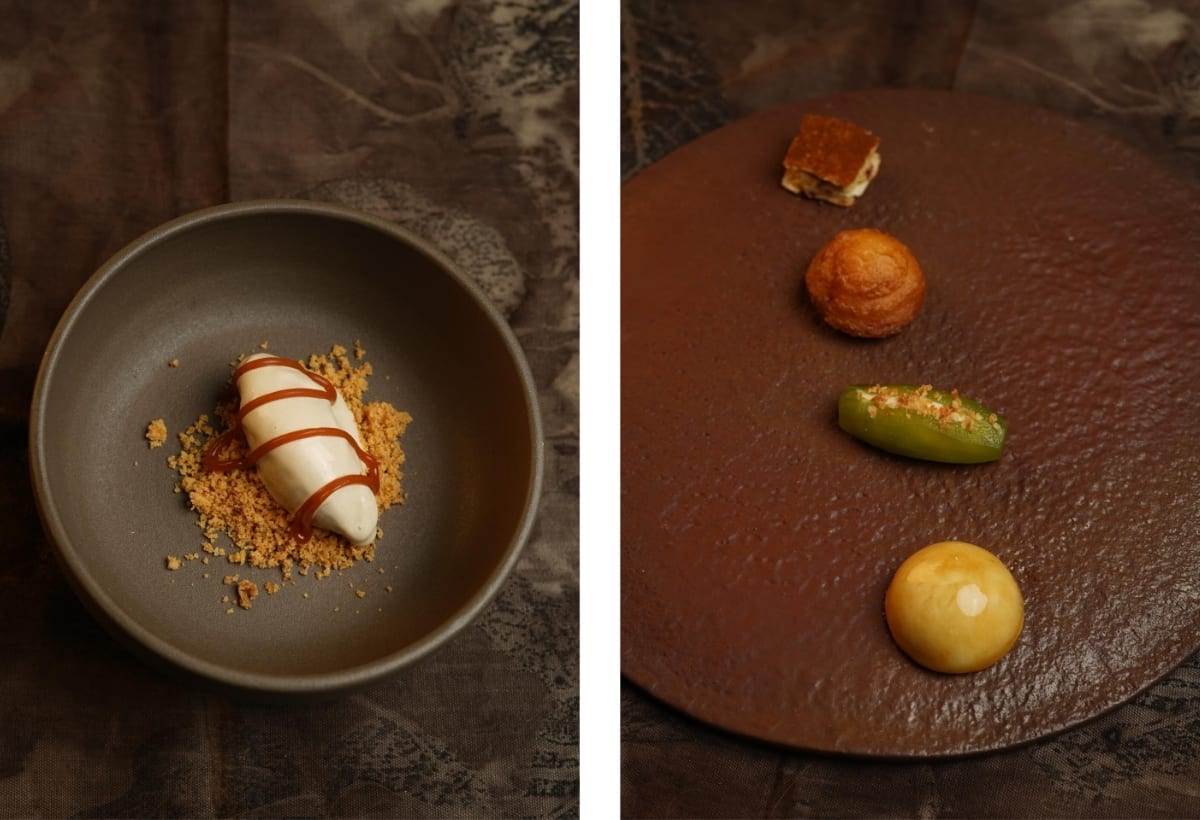
The 14-course culinary extravaganza concluded with a miniature mishtir dokaan presented on a single tray. There was shor bhaja, the rich, golden delicacy made from layers of fried milk cream; a malpua filled with Kalimpong cheese that echoed the lightness of a choux pastry; potol mishti, where pointed gourd was stuffed with sweet khoya; and monohara, the beloved sandesh encased in a delicate shell of crystallised sugar. By the time the final sweet disappeared, it became clear that Rannaghor by Sienna is doing far more than serving a tasting menu. It is preserving stories, documenting traditions, and bringing forgotten flavours back into the spotlight.
That, perhaps, is the true magic of the Chef's Table at Rannaghor by Sienna. Here, flavours unfold with purpose, cocktails enhance the storytelling, and each plate offers a glimpse into the culinary landscapes of Bengal. Some stories emerge from family kitchens, others from remote villages and fading traditions, but all are presented with remarkable thoughtfulness.
A handwritten postcard addressed to me, lovingly penned by the team, had a brief introduction to the evening ahead, setting the stage for a dining experience rooted in stories. At the very end, it carried a simple message: "Abar esho" (come again).
By the time I stepped out of 49/1 Hindustan Park a couple of hours later, I knew I would.
Partly because the tasting menu at Rannaghor evolves with the seasons, drawing inspiration from ingredients available at a particular moment in time. But more importantly, every course felt like a story waiting to be discovered. If this menu was a journey through one chapter of Bengal's culinary landscape, I could only imagine what the next season would bring. And for a curious foodie, that is reason enough to return.