If you are one of those outliers who think that a lost heritage recipe served by an ethnic minority is the only real way to experience cuisine from a faraway country, then you really could do with a slow-simmered, fusion ramen bowl at Gaijin.
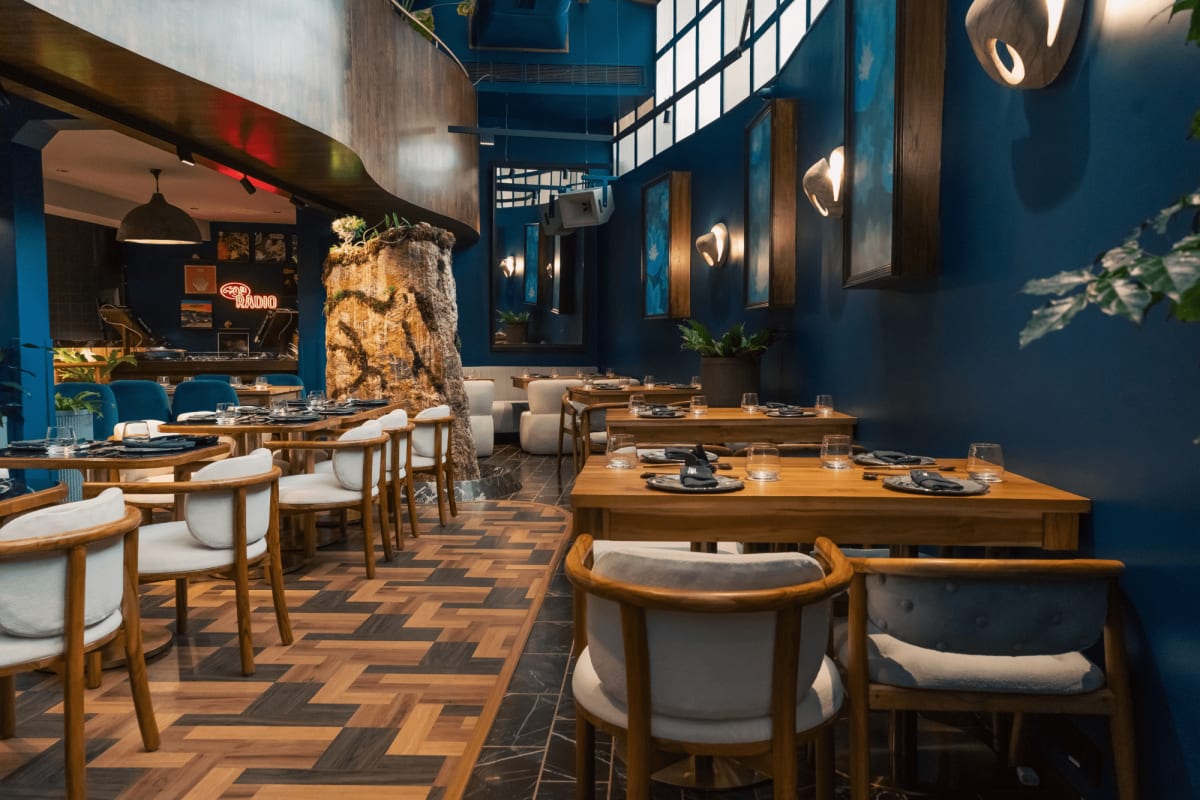
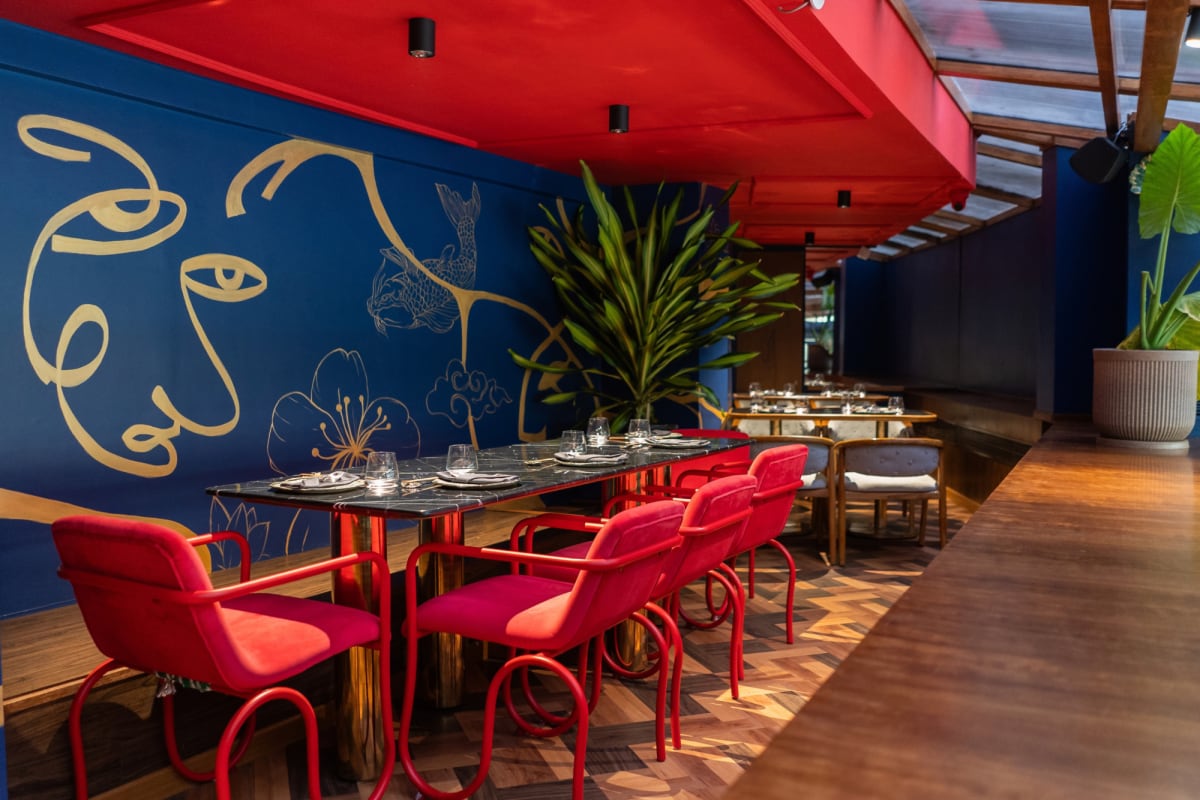
Cheek-to-jowl on Linking Road with hipster cafés, mass media colleges, and what is essentially a feeble attempt to turn a street bazaar into a strip mall, Mumbai momentarily crawls out of its skin and inhabits a culture that is not its own. For anyone looking to get their belly-full of a live omakase experience, or indulge in earthy, subversive cocktails, this nu-Japanese diner has been around for more than a year and a half now, so I'm not sure why you haven't yet laid eyes on their indigo-blue walls, geometric parquet floors, suspended Ishi-dōrō lanterns and Brutalist rock boulders.
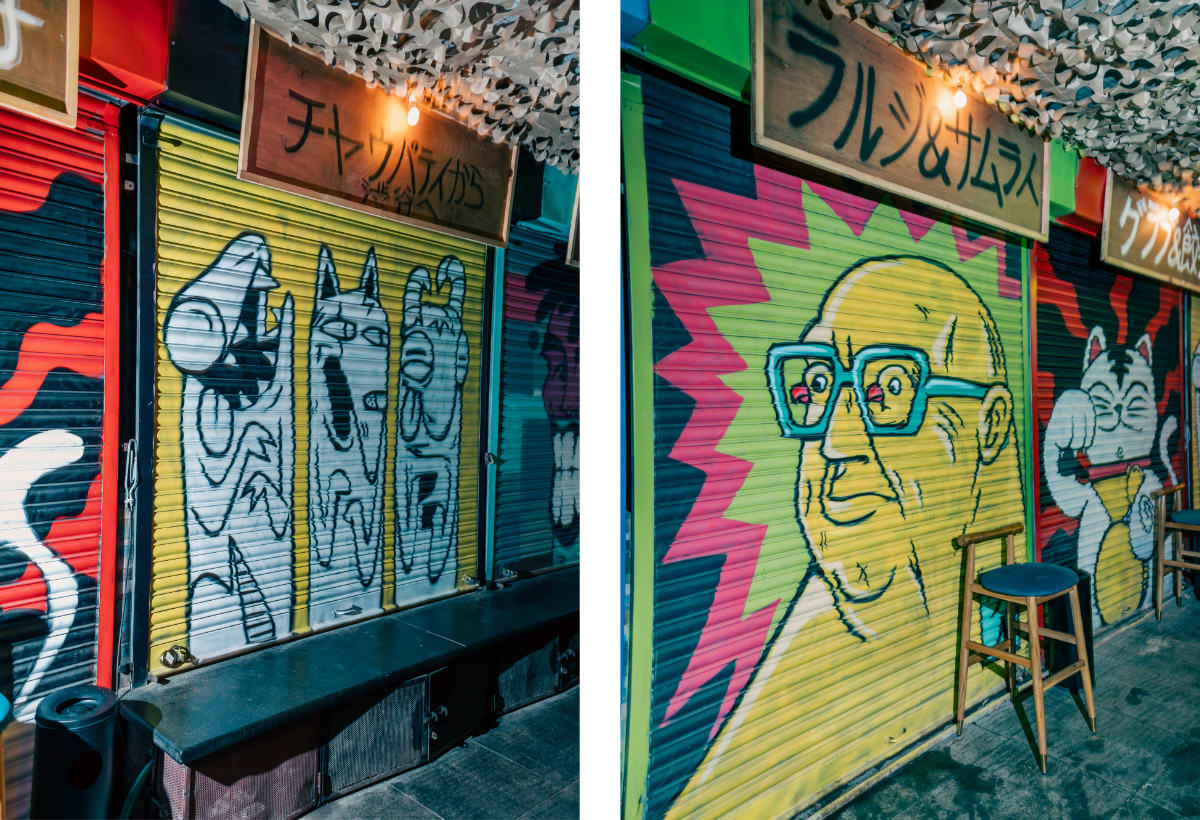
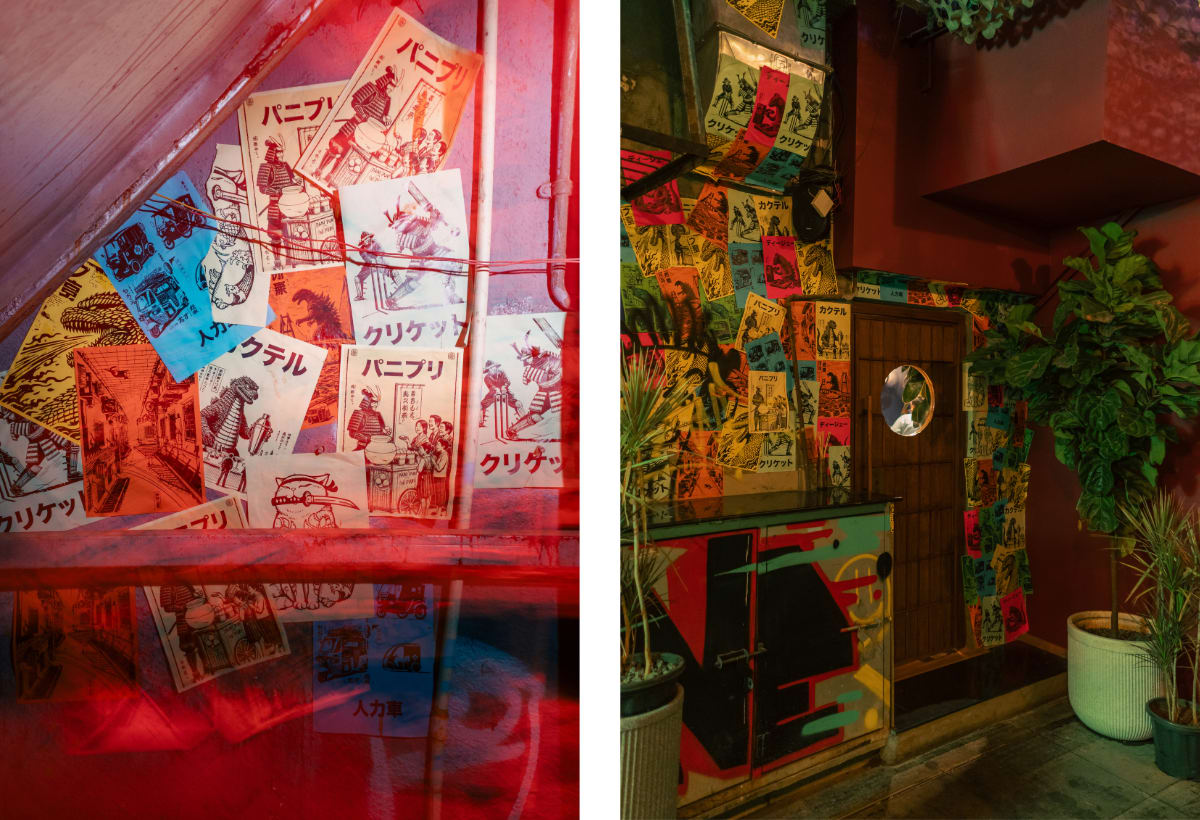
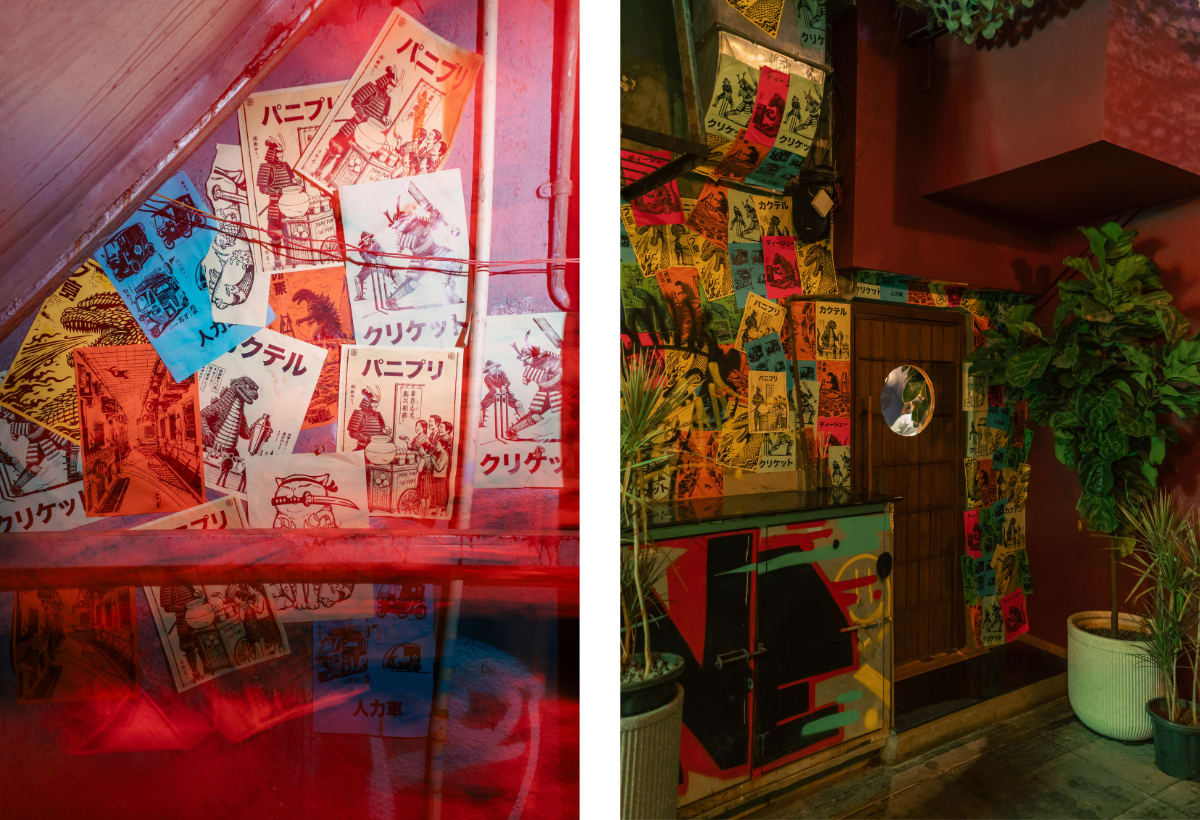
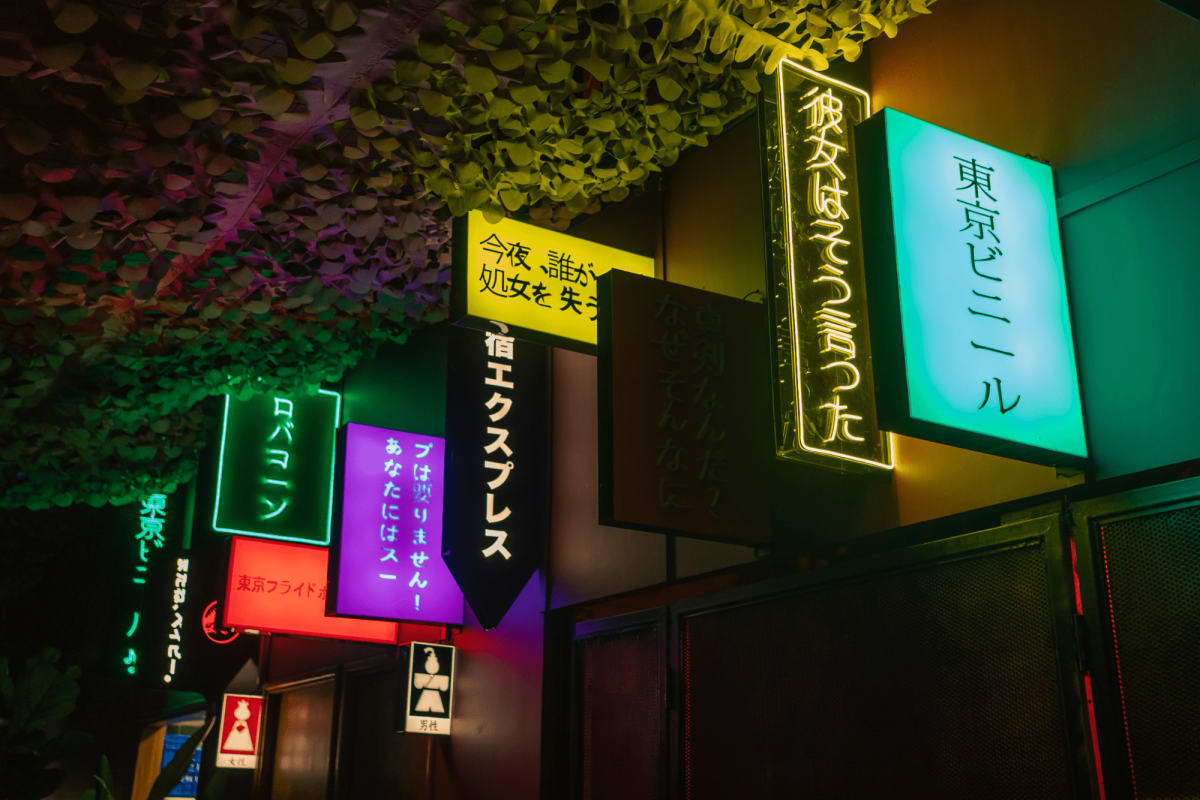
Along comes a ramen shop in their back alley, and things have just gotten a whole lot sexier. "This section was where people used to come and hang, have a smoke," recalls Rohan Mangalorkar, the co-founder at Gaijin. "But we decided that ramen needed its own identity." Now it's got LED signage, fanzine wallpapering, a low-slung ceiling draped in origami foliage, corrugated shutters taken over by graffiti, and a cyber-noir yokocho vibe that has reached some sort of a bootleggy, campy pinnacle. It is Tokyo's post-war, neon-drenched techtopia, glowing with energy.
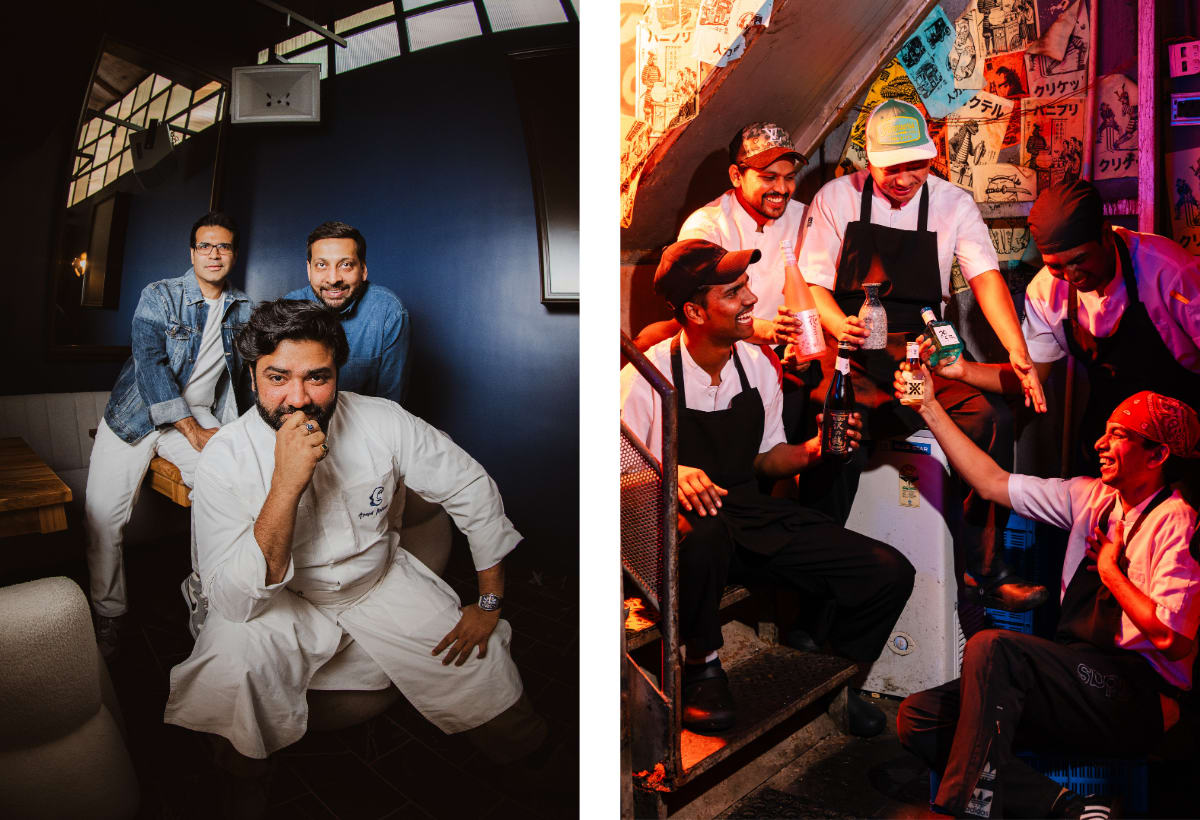
This ramen shop, ensconced discreetly behind a respectable establishment, is a floating world — a simulacrum where nightlife severs itself from the daytime working society, a cross-hatched comic art universe that has no basis in real-world geography or even an authentic cultural identity.
Around The World On A Gut Feeling
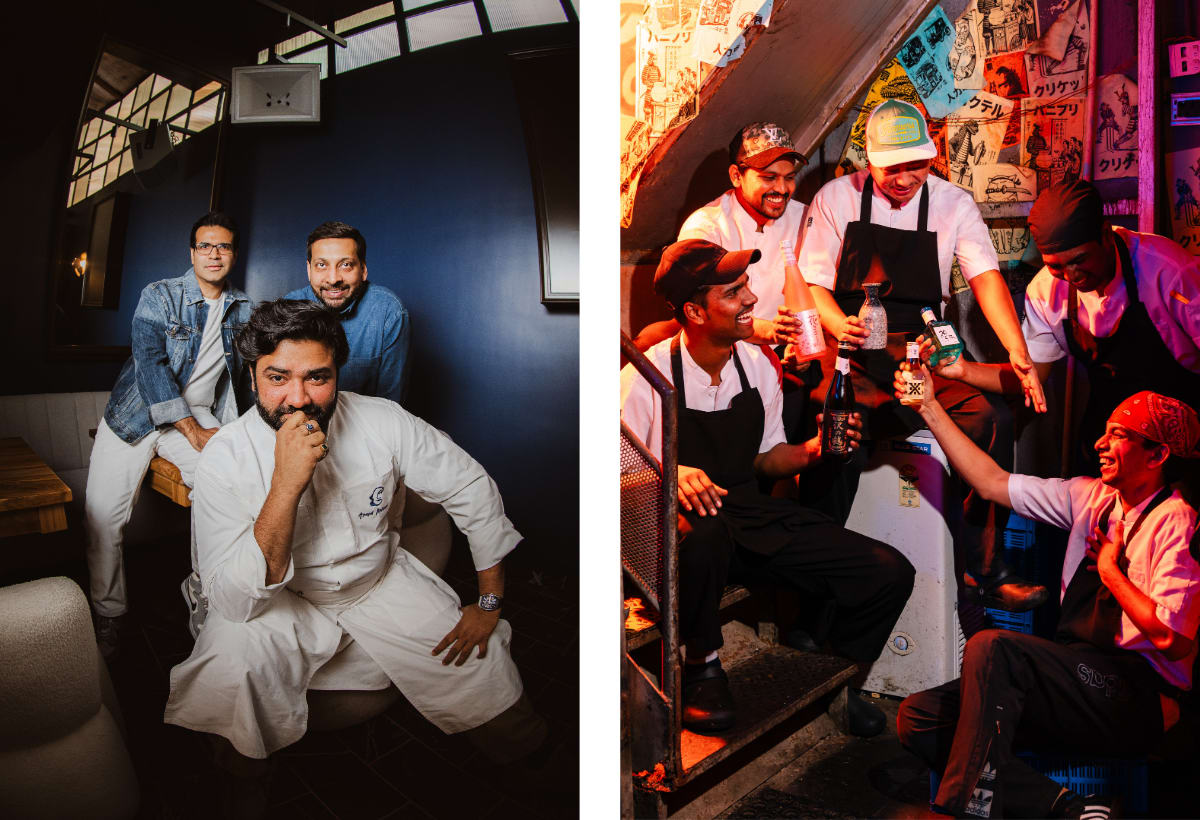
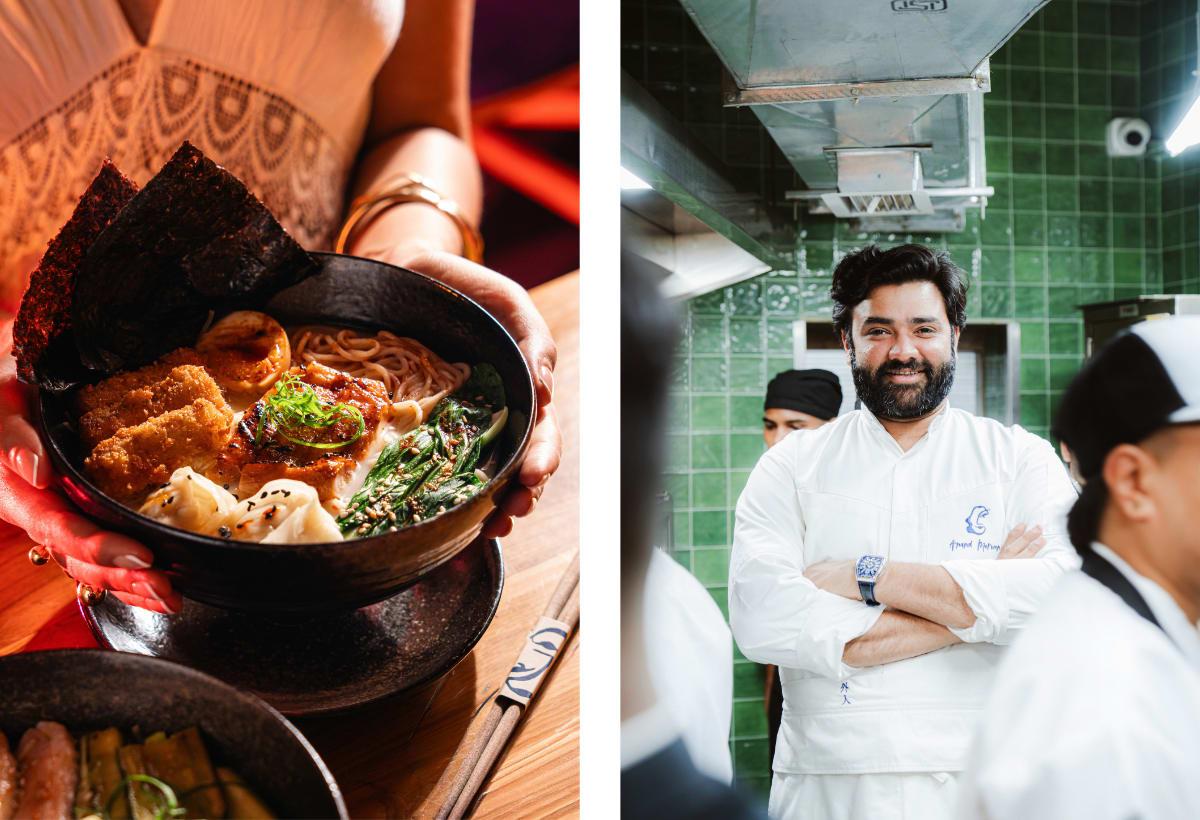
Come to think of it, the idea that there is a higher understanding indebted to eating 'authentic' is laughable at best. While it is still possible to trace a dish back to its origin, the genomics of culinary evolution can sometimes make a surprising leap forward when the same food is prepared by an interloper like Chef Anand Morwani, who is interested in building something hybrid, something that transcends heredity but remains undeniably his own.
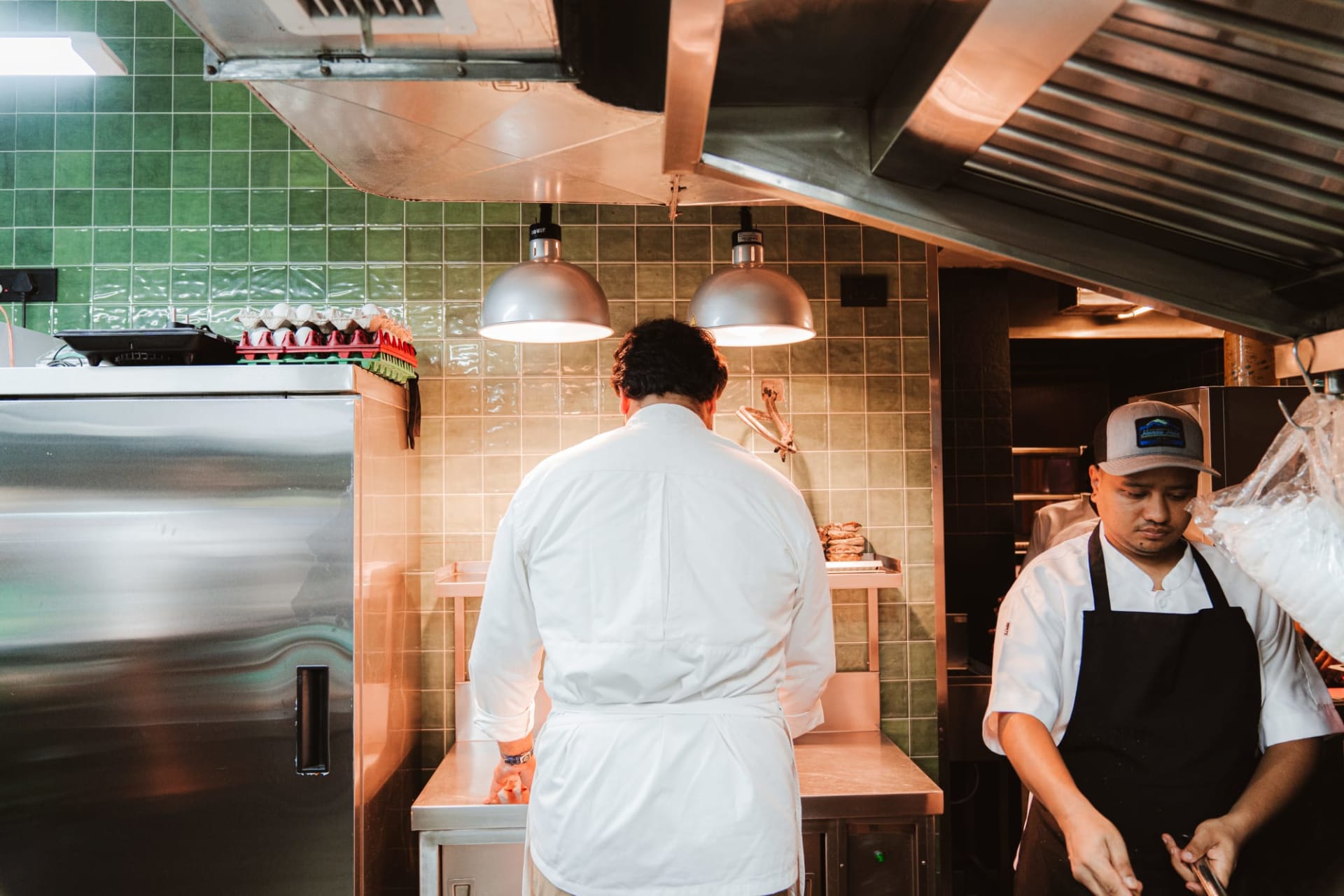
There is, however, one hallowed secret to cooking food from a culture that you aren't born into: deep research. On the other side of his many expeditions — wading through the legendary kimchi markets of Osaka, diving headfirst into cedar wooden barrels of Tokyo breweries, waiting in line for more than ninety minutes outside Kyoto's oldest ramen shops, and sampling glaucous Tonkotsu broth so creamy "that you want to kind of swim in it for the rest of your life" — Chef Anand has finally synthesized the mouthfeel he wanted for Gaijin. "What we wanted to take away were key targets that we have to hit with our ramen," he asserts. "Like the texture or the springiness of the noodle, the consistency of the broth, the depth and complexity of it, and also the range of toppings that we had."
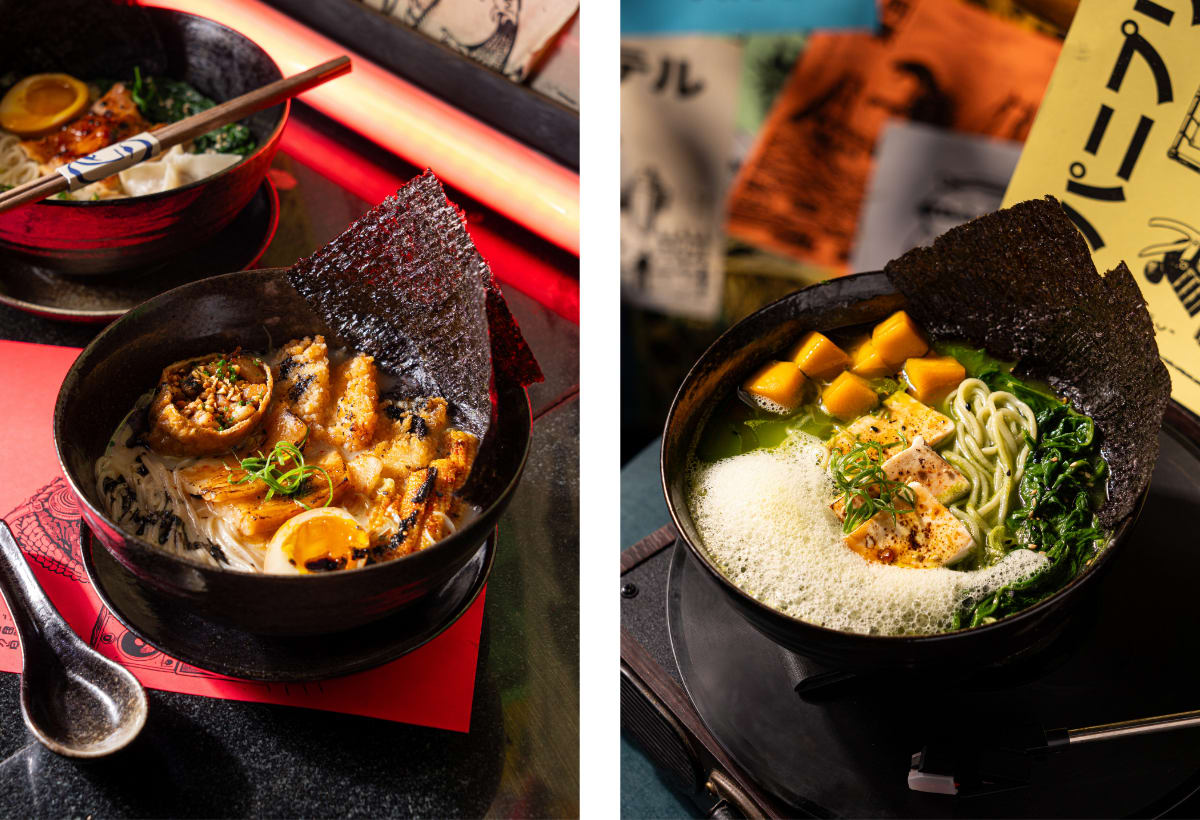
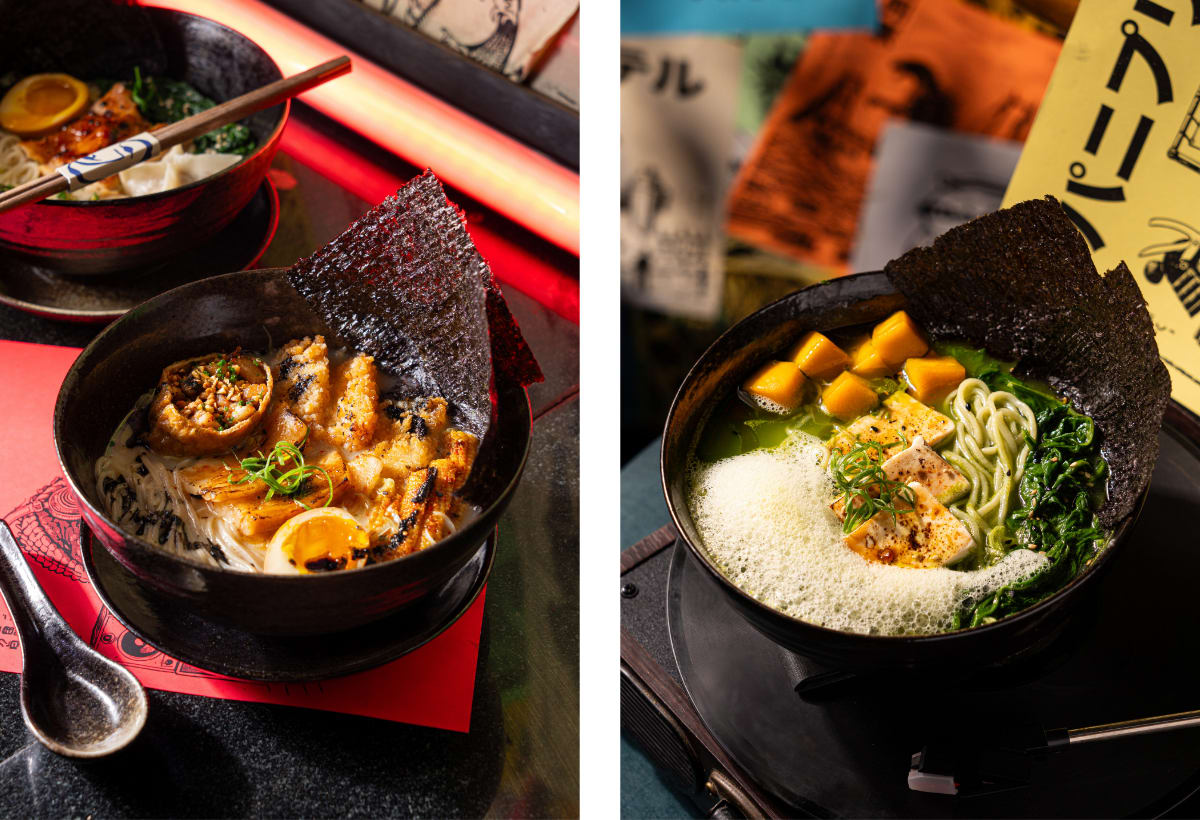
On the second floor, where they have the fermentation room and the walk-in fridges, there’s a robust R&D department that’s making inroads into stretching the pre-ordained limits of what you can and cannot put on top of a ramen. “So if you see, our ‘Triple Pork Tonkotsu Ramen’ has the aburaage, which is this tofu pouch that we use as a vessel to float some smoked pork belly in,” Chef Anand explains. “I feel like that is my interpretation of how I want to make it mine, make it gaijin.”
Around The World On A Gut Feeling
Come to think of it, the idea that there is a higher understanding indebted to eating 'authentic' is laughable at best. While it is still possible to trace a dish back to its origin, the genomics of culinary evolution can sometimes make a surprising leap forward when the same food is prepared by an interloper like Chef Anand Morwani, who is interested in building something hybrid, something that transcends heredity but remains undeniably his own.
There is, however, one hallowed secret to cooking food from a culture that you aren't born into: deep research. On the other side of his many expeditions — wading through the legendary kimchi markets of Osaka, diving headfirst into cedar wooden barrels of Tokyo breweries, waiting in line for more than ninety minutes outside Kyoto's oldest ramen shops, and sampling glaucous Tonkotsu broth so creamy "that you want to kind of swim in it for the rest of your life" — Chef Anand has finally synthesized the mouthfeel he wanted for Gaijin. "What we wanted to take away were key targets that we have to hit with our ramen," he asserts. "Like the texture or the springiness of the noodle, the consistency of the broth, the depth and complexity of it, and also the range of toppings that we had."
On the second floor, where they have the fermentation room and the walk-in fridges, there’s a robust R&D department that’s making inroads into stretching the pre-ordained limits of what you can and cannot put on top of a ramen. “So if you see, our ‘Triple Pork Tonkotsu Ramen’ has the aburaage, which is this tofu pouch that we use as a vessel to float some smoked pork belly in,” Chef Anand explains. “I feel like that is my interpretation of how I want to make it mine, make it gaijin.”
How We Fell Into A Food Coma
Everything on Chef Anand’s plates is velvety. I can’t lay claim to that bit of adulation because it was really Alex who said that, my friend and plus one at the table, who couldn’t help but stare wistfully into nothingness with a chopstick hanging out of the corner of their mouth.
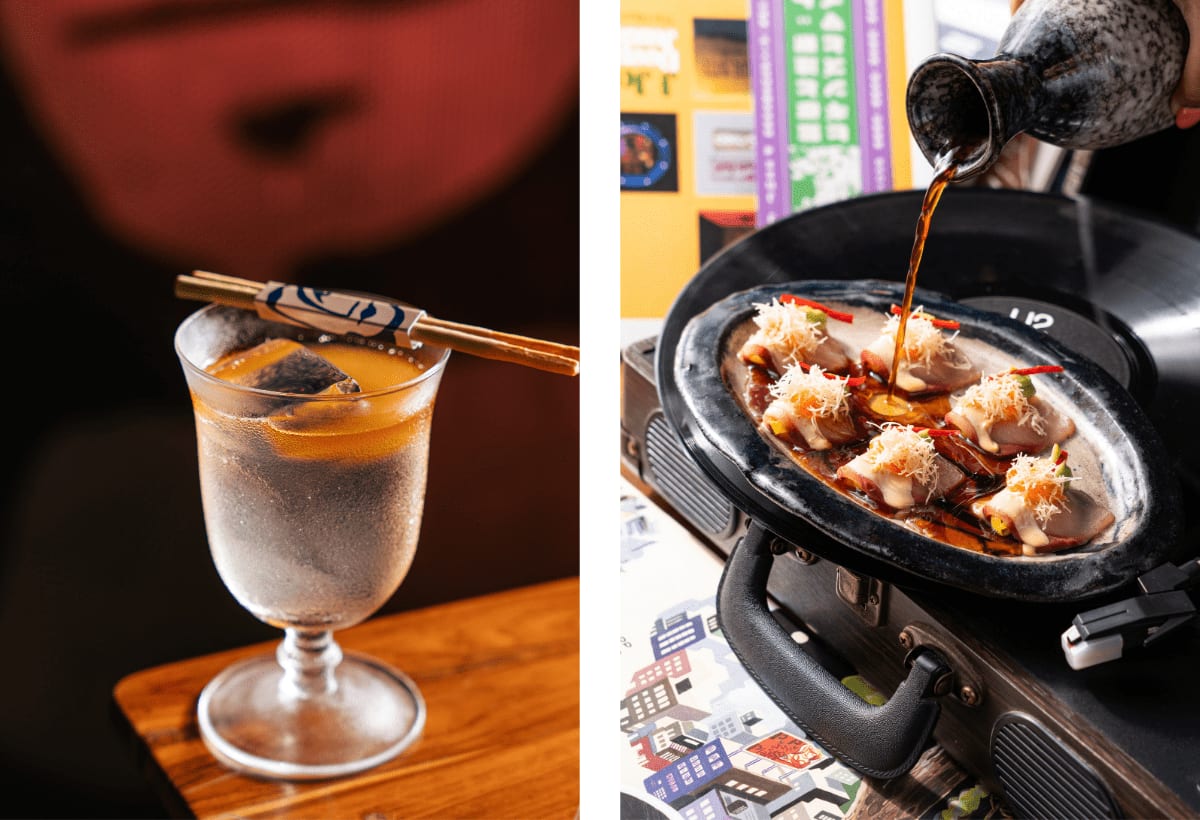
The ‘Hamachi Carpaccio’ is presented first, in asymmetrical plates of a monsoon grey, with smooth-grained slivers of the Japanese yellowtail enmeshed with kataifi. The citrusy truffle ponzu is the showstopper here because its umami splices right through the fish's melt-in-your-mouth fatty richness. Rohan, who also happens to be now the head mixologist on site, distills the essence of springtime joy itself in ‘Midsummer Ritual’, the numero uno cocktail I smuggle to my lips. Made with guava pisco, musk melon liqueur, sencha tea, grapes, and a shot of matcha tincture, it is tropical, oceanic, and crisply refreshing.
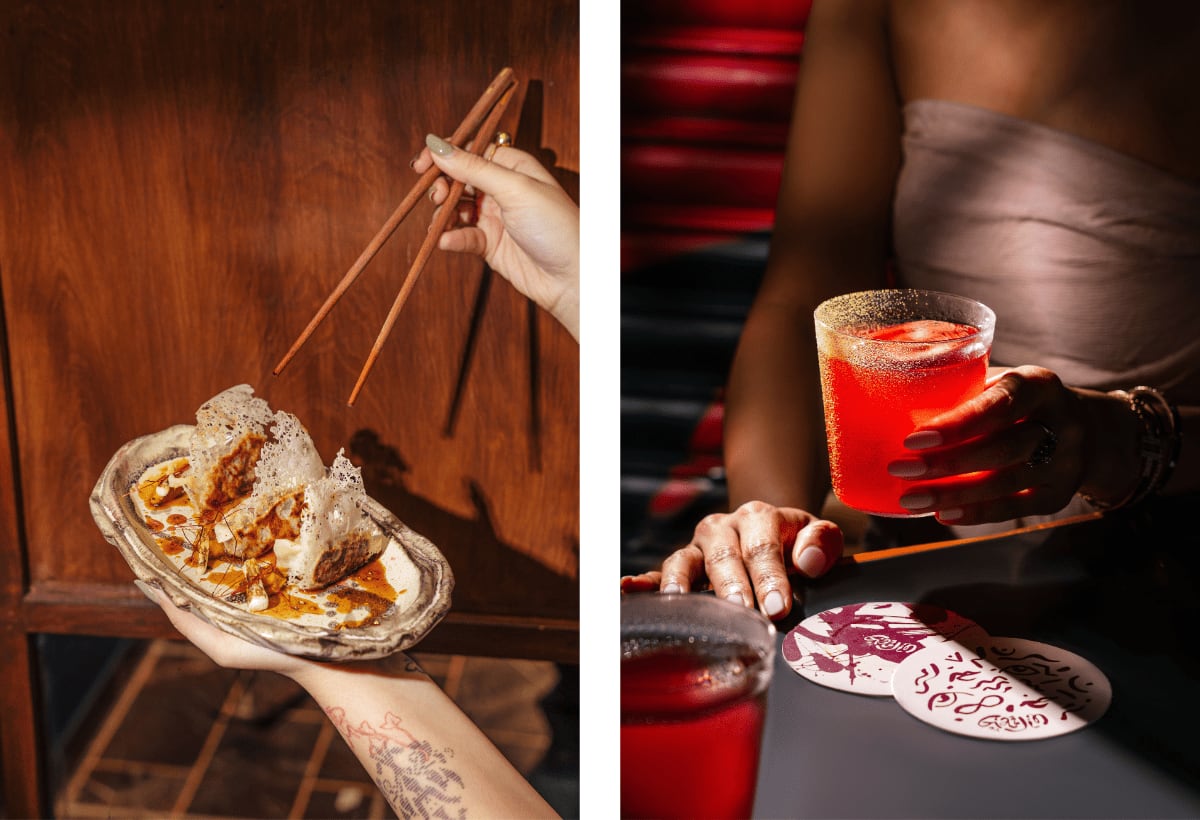
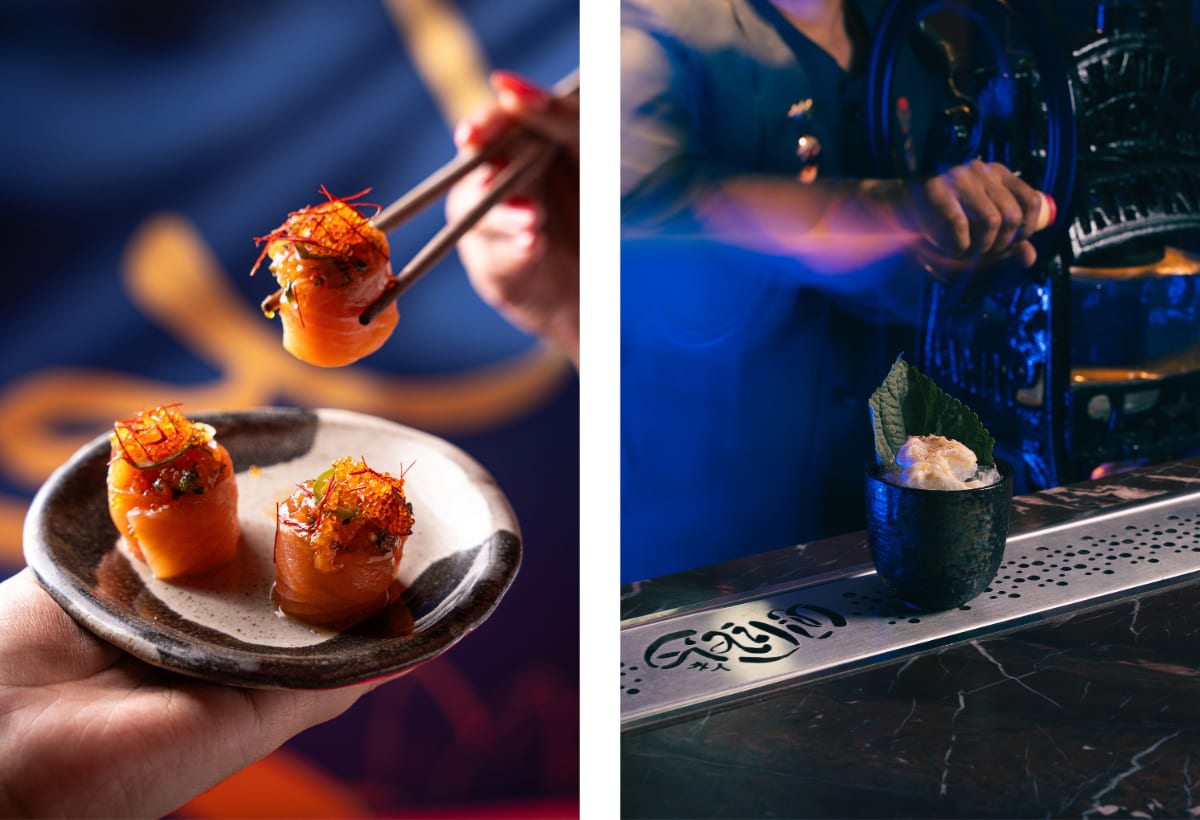
Another cocktail is served, an off-menu ‘White Negroni’ that happens to be something the chef swears by, followed by our next course, which is a little helping of the ‘Not B**f Carpaccio’. The water buffalo meat is hacked into little pieces, tossed in pickled celery, and seasoned with balsamic glaze and a sprinkling of the ginger scallion slaw. The dishes just keep roaring in, abuzz with vitality and unprecedented depth of seasoning, each one practically volunteering to be devoured. The salmon that wraps around their gunkan, instead of the traditional nori, was swimming sideways barely a week ago under the Pacific waves!
The Main Gig Will Always Be Ramen
"I feel really lucky to have built personal relationships with the local vendors in Japan," Chef Anand whispers conspiratorially. "We now work directly with those contacts, keeping them on the DL, which gives us an edge over our competitors." They bring out ‘Crispy Kataifi Scallops' that have a nice tender-sweet texture; they're perfectly seared, and they're delicious.
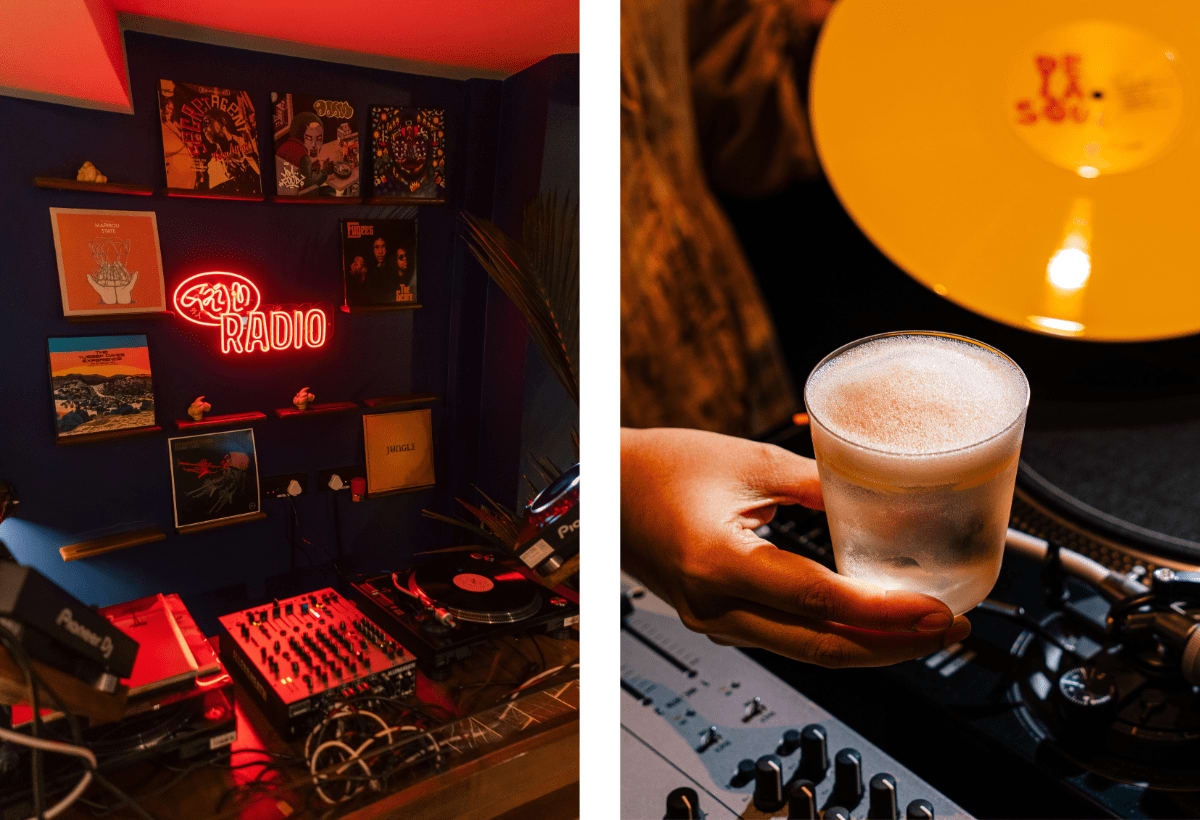
Slowly, imperceptibly, the anticipation is dialled up higher and higher, until we finally get to the smoky, maximalist ‘Gaijin Royale Ramen’. No sooner has the warm broth, the chicken robatayaki jostling for place with the Belgian pork belly and the scallop and prawn gyoza, shimmied down my palate than a shiver of pure ecstasy invades my senses. And for dessert, the ‘Chocolate Fondant’ is comforting beyond words: nutty and savory, its caramelised core gushing out with one tap of a spoon, the ice-cream grounded and bittersweet all at once.
A Long-Overdue History Lesson
There are few places that have perpetuated quite so much brazen, one-way culinary borrowing as Japan. Zen monks brought back seeds of the matcha plant from China; migrants from Guangdong sold noodle soup out of yatai stalls in Tokyo and Yokohama; Japanese soldiers repatriated from Manchuria (Northeast China) after World War II brought with them the idea to pan-fry dumplings instead of steaming them first. The past oozed into the present and recipes evolved: the formidable chilli oils were swapped for tamer sauces, seaweed and kelp were added in, and eventually ramen became the lingua franca of both the neighbouring empires.
Ramen, in other words, has always been a culinary imposter, cobbled together from other people's borders and other people's cravings. So why should the chef cooking it be any different?
As a general rule of the oesophagus, we travel to distant shores sometimes by just holding still, shrugging off the history of 'exotic' cuisine and inhaling its future instead. If you're fed up with being made to feel awkward for not knowing what the right way to pronounce edamame is or how to hold your chopsticks without invoking snickers and tut-tutting from the waiters, then go to Gaijin and be reminded what a brilliant, truly syncretic civilization we are.
P.S. Another off-menu gem: the caviar doughnut. Skip it at your own peril.