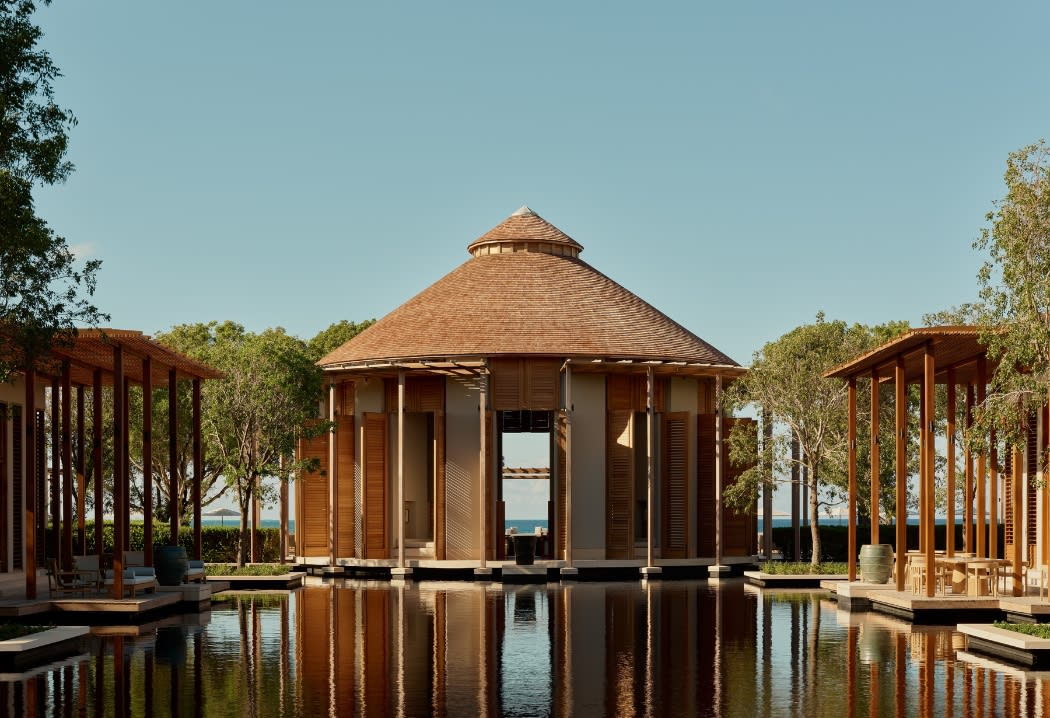
Of all the inane platitudes in travel, the most suspicious one remains this post-capitalistic fallacy of “switching off”. Cut to: you’re sweating it up in a smoke lodge somewhere in Sweden alongside a cohort of bitcoin bros who track their satoshis with the fanaticism once reserved for religion. What exactly do people expect will come of this incessant urge to escape? Marriage problems don't dissolve along the Riviera. Mortality isn't frightened off by a personalised spa therapy. The intrusive thoughts about wasting your God-given potential survive even after the most poetic encounter with a whale shark in the Philippines. Instead, I contend that travel doesn’t help you discover yourself at all. If anything, it yeets you over into the deep end of everything you've been avoiding. And sometimes, that means confronting the harsh facts of aging. Where better to meet this inevitability head-on than in the seclusion of an ultra-luxury Āman hideaway?
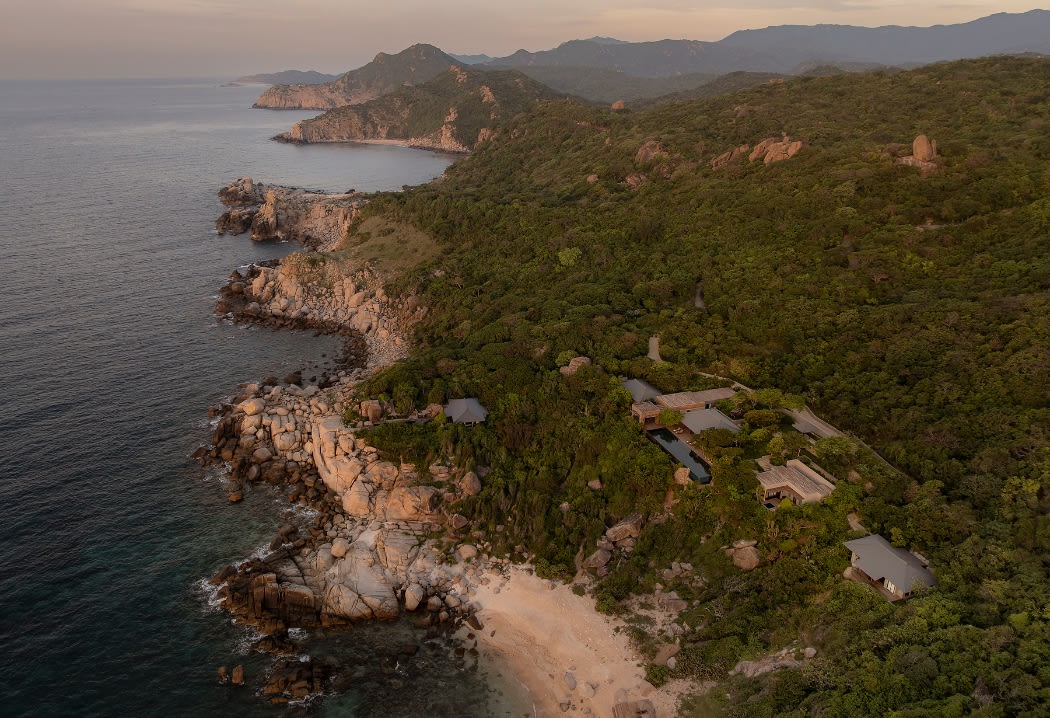
The Āman Group may well operate some of the most fiercely private resorts in the world. Mind you, even the structured symmetry and open forms of their biophilic architecture might be responsible for lowering your cortisol levels. And that’s rather the point of longevity tourism. Your gas-guzzling, convertible-driving gonzo journalist, pepped up on an absurd pharmacopeia of substances, might denounce the new-age traveller as a jelly-kneed obsessive who goes doolally over improved sleep metrics, better cardiovascular health, and looking younger than they feel. But it should come as no surprise, given the state of our climate crisis. Because herein lies the irony of the luxury wellness boom: there’s nothing quite like a dying planet to make people want to stick around for longer. And this is the world Āman has stepped into with a reassuring brand of confidence. After all, it was only last November that Novak Djokovic, Aman’s Global Ambassador and Wellness Advisor, flew into Amanyara in the Turks & Caicos Islands to personally host a “first-of-its-kind” Mobility and Recovery Retreat. This rare amalgam of mobility training, restorative breathwork, and mindfulness arrived on the heels of Djokovic’s successful Detoxification Programme, which was a real hoot by the way. Alongside myofascial release sessions designed to improve posture, you’d have been lathered in mineral-rich desert clay and if you happened to be at Amanoi, treated to the Vietnamese Massage, which uses aromatic oils and gentle cupping to revive muscles you didn’t even know you had.
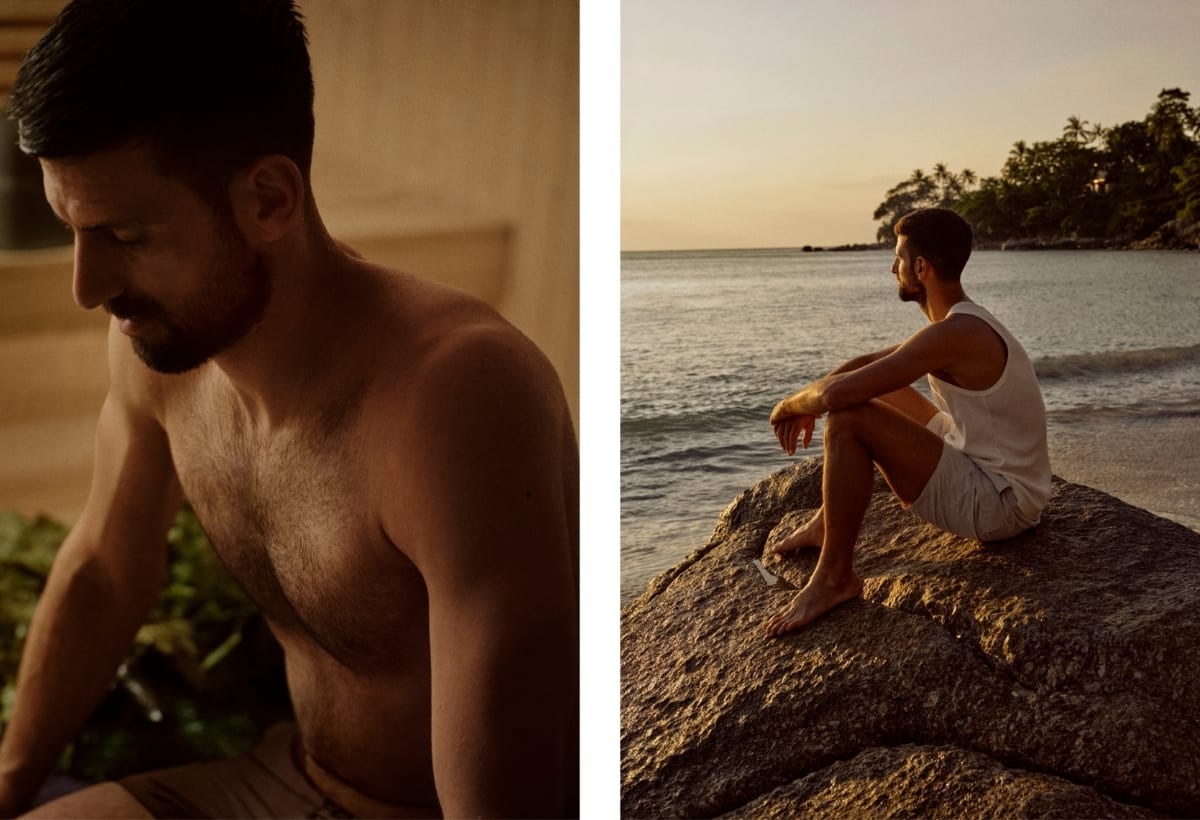
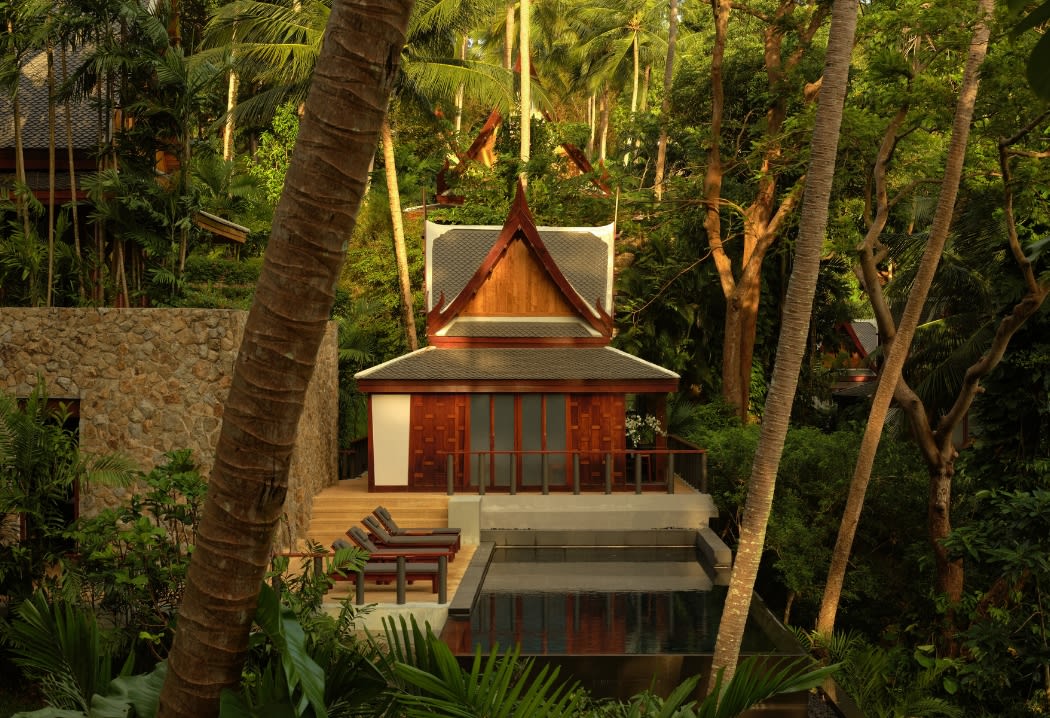
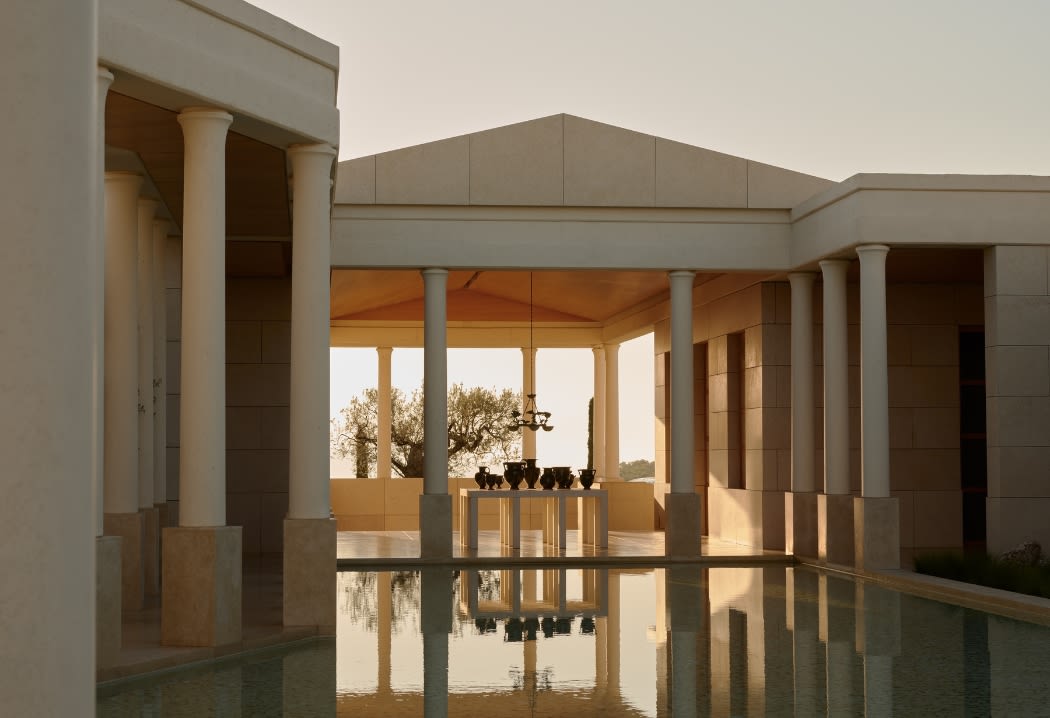
The concept soon populated like seaweed across several Āman sanctuaries as a year-round Mobility and Recovery Programme, now available at Amanyara in the Turks & Caicos Islands, Amanpuri and Aman Nai Lert Bangkok in Thailand, Amanoi in Vietnam, and Amanzoe in Greece. Founded on the lived experiences of one of the world’s greatest athletes, the programme draws from Djokovic’s radical “no limits” mindset. He has seen interesting times: tournaments, Grand Slams, and the second-longest Wimbledon semifinal to date, where he beat Nadal in a five-set match played over two days, all while contending with breathing issues, chronic fatigue, and a severe gluten intolerance. My weakness, my guilty pleasure, is an underdog success story. So, naturally, I was curious what this lanky, flailing baseliner from Serbia, who would go on to be ranked world No. 1 in men’s singles for a record 428 weeks, had to teach the self-actualising digital nomads of today.
It’s Possible To Actually Enjoy Self-Improvement
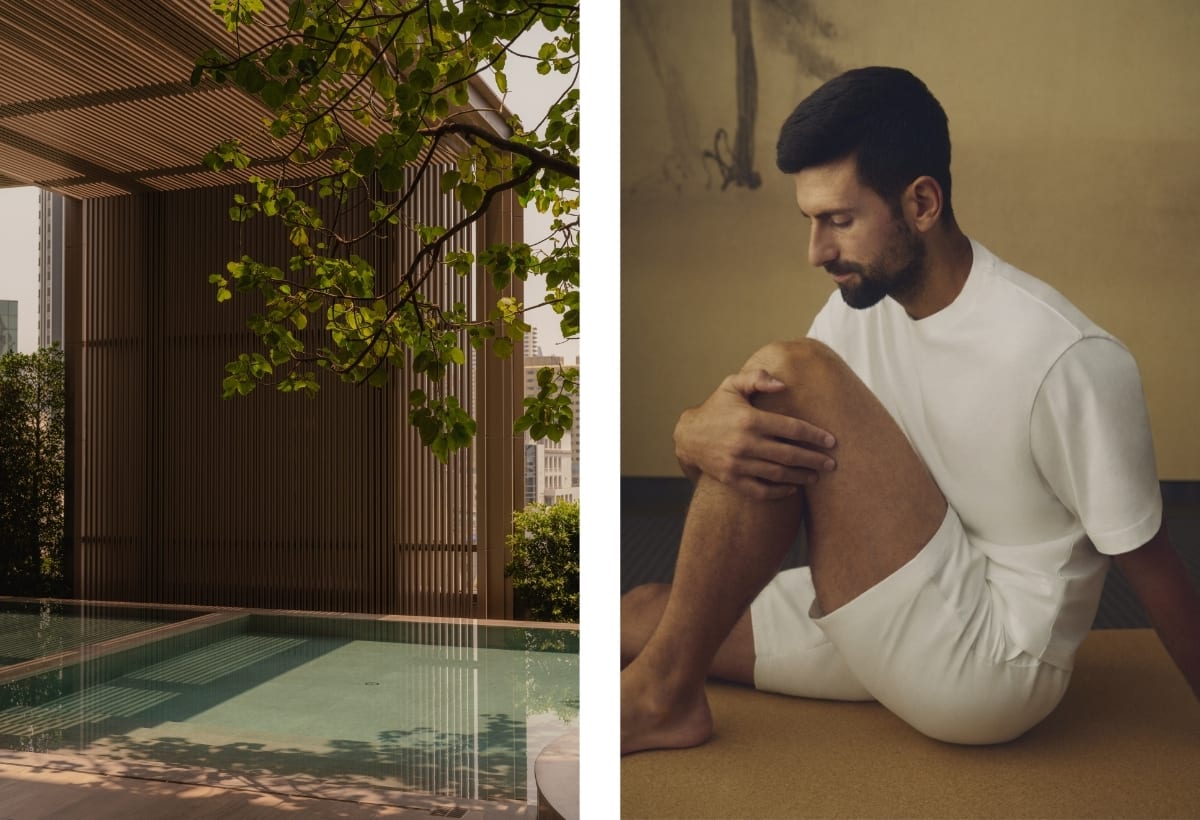
Take the first morning of the three-day holistic itinerary in the Mobility and Recovery Programme, carried out in much the same spirited fashion across all five of the previously mentioned locations. It starts with a crisply tailored conversation with the in-house practitioner, who will not give you the elevator eyes, take in your pudding arms, or silently judge your posture. Instead, these people are actually humane, carrying on “in-depth consultations” about your individual bodily needs and limitations. This will be followed by a Pilates session, perhaps with the addition of some core-strengthening exercises because God knows you need them! Away from your adjustable lumbar-support chairs, it’s safe to say you have no conception of how to stay upright for too long without collapsing into a puddle of aching limbs and redundant self-affirmations. Just when you're planning to fake a fainting spell, you will discover what hydrotherapy actually entails, and no, it’s not doing Zumba underwater. Give in to the controlled environment of a preheated pool, with temperatures carefully optimised to relax your muscles and ease the stiffness in your poky joints.
Freed from this short-lived weightlessness, you will be led into a massage, followed by the signature Banya sauna you end up in afterwards. Sweet perk: once you emerge from the steam room, your skin will glow with the luminous possibilities of regained youth. It’s the birch-leaf veniks they use for exfoliation. And before you get too languid to carry on, there’s reflexology and acupuncture to help siphon off that somatic stress (aka the emotional baggage your body is still holding on to).
Recovering From What Again?
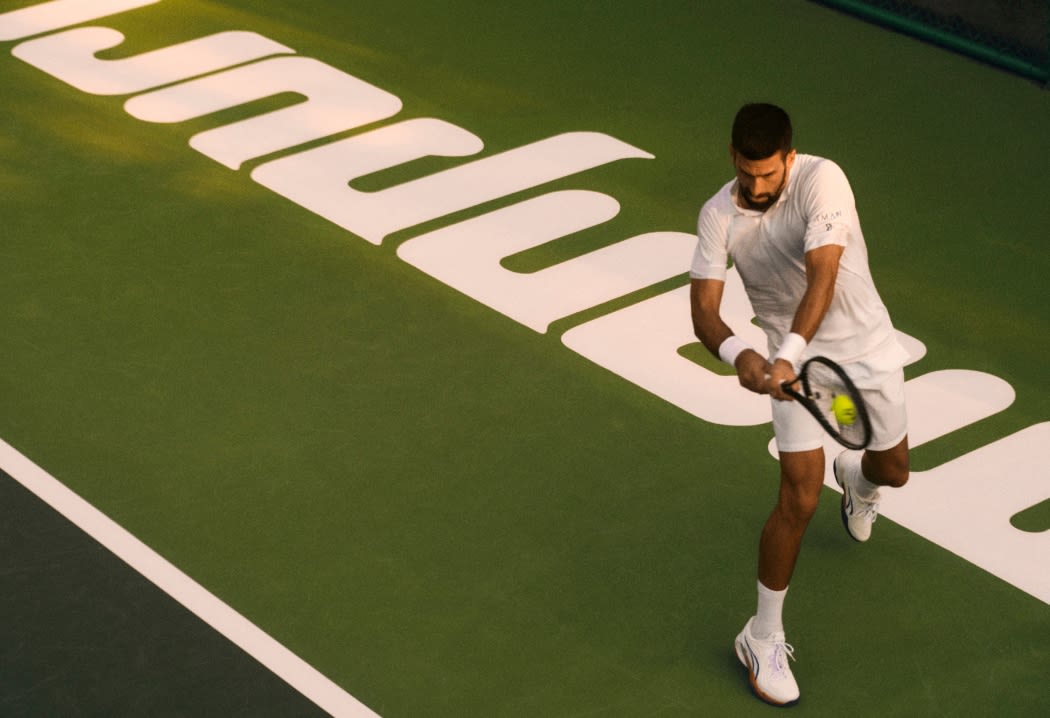
The second day is usually the great divide for many participants. If you survive the exertions of the first day and show up again with an eager smile, chances are your soul is now a ransom to the cult of self-improvement, in a good way. Through concerted breathwork, you will rediscover the intoxicating quality of oxygen filling your lungs, often aided by a complimentary pranayama session designed to stimulate the vagus nerve and stabilise the parasympathetic nervous system. And if you were wondering when you’d finally get to grip a racquet, here’s your chance to muck about on the legendary floodlit tennis courts, followed by an almost ascetic stretching routine to ensure your fuddy-duddy limbs don’t cramp up. As a special treat, they’ll usher you into the hammam, where you can indulge in a multi-step body-polishing ritual and what some may generously describe as ‘invigorating’ cold plunges. On your final swansong of a day, they’ll probably take it easy on you and let you listen to a sound healing session or tame your monkey mind through guided meditation.
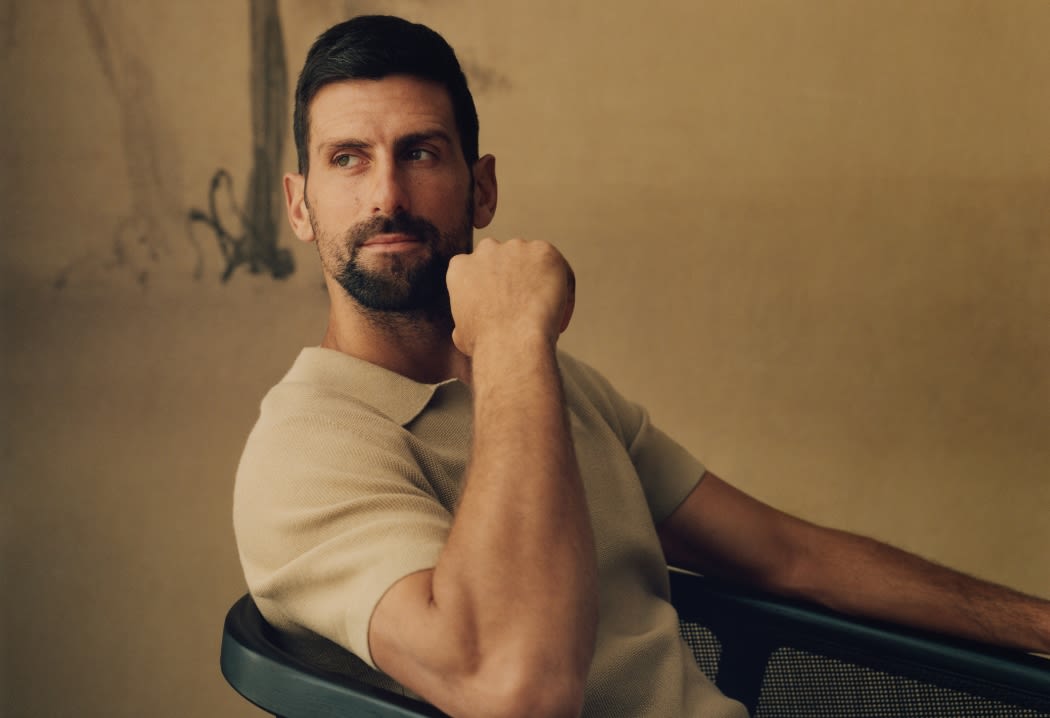
We all think that when we sign up for a three-day wellness programme, we’ll emerge with immaculate circadian rhythms and a calmer prefrontal cortex recovered from the relentless onslaught of screens. But have you ever considered that you are, in fact, going to relapse the moment you unbuckle your seat belt upon arrival in your country of origin, unless you use this three-day window as a blueprint for the rest of your life? “Recovery goes beyond physical rest,” Djokovic explains. “In this programme, we work through my rituals to arm participants with the tools they need to sustain lasting vitality.” You can’t pretend to miss the moral of the story here: don’t forget the lessons once you’re back on the hamster wheel.
If you peruse social media, you’ll find that the affluent set are uploading little videos of themselves chasing Blue Zones, intravenous vitamin infusions, plant-forward diets, and AI-powered sleep pods. It turns out that this remarkably efficacious Mobility and Recovery Programme has very little interest in helping you become an ageless vampire. What it does promise, however, is something arguably more enduring: the ability to climb a staircase without thinking about your knees. To sleep through the night. To bend down, pick something up, and stand back up again without making the sort of embarrassing noises that would concern a chiropractor. Somewhere between the thermal treatments, contrast therapy, and lymphatic drainage sessions, the programme reveals itself as a carefully buttressed argument for the dignity of life.