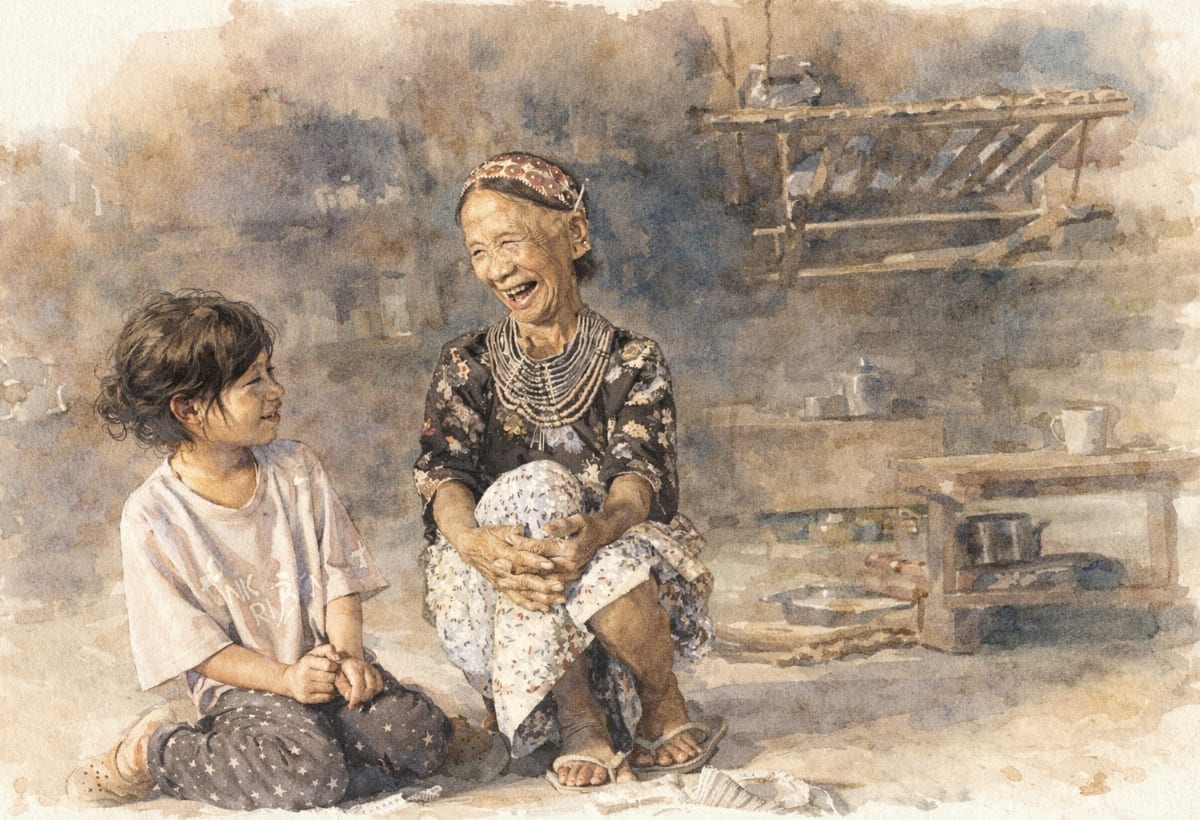
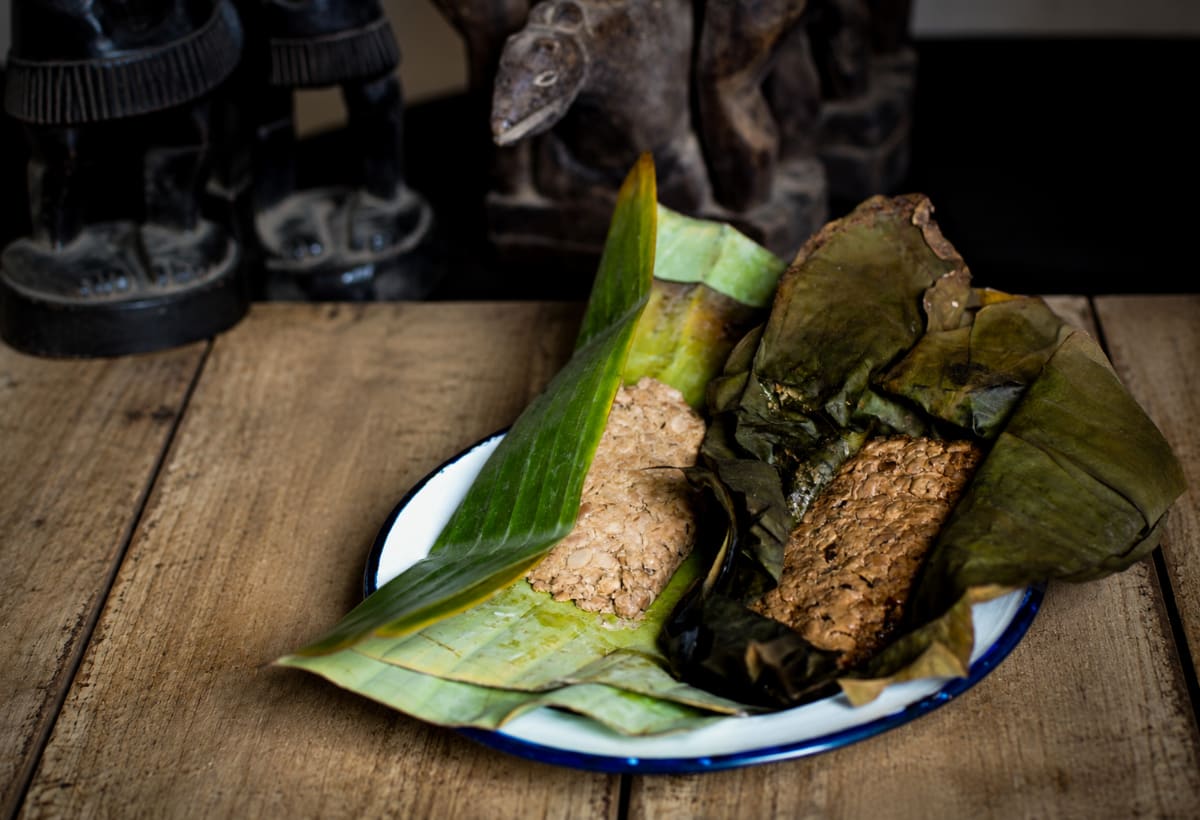
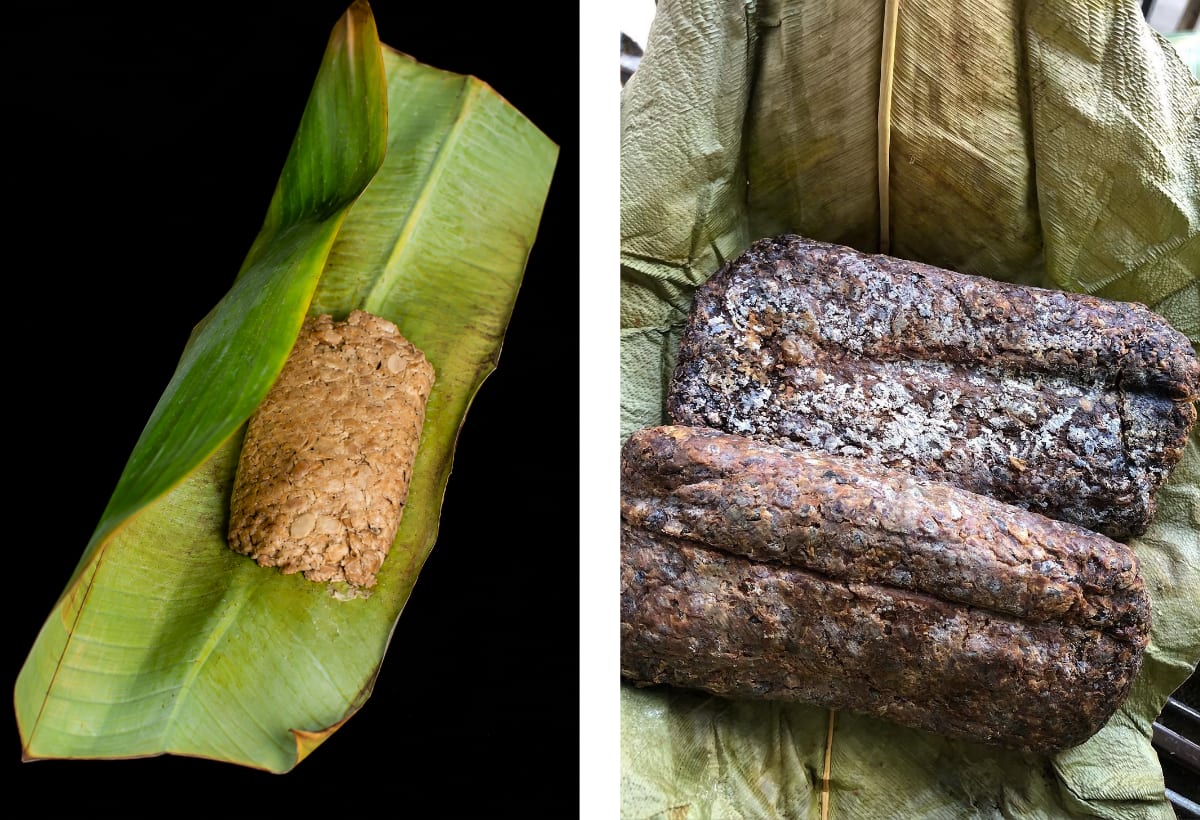
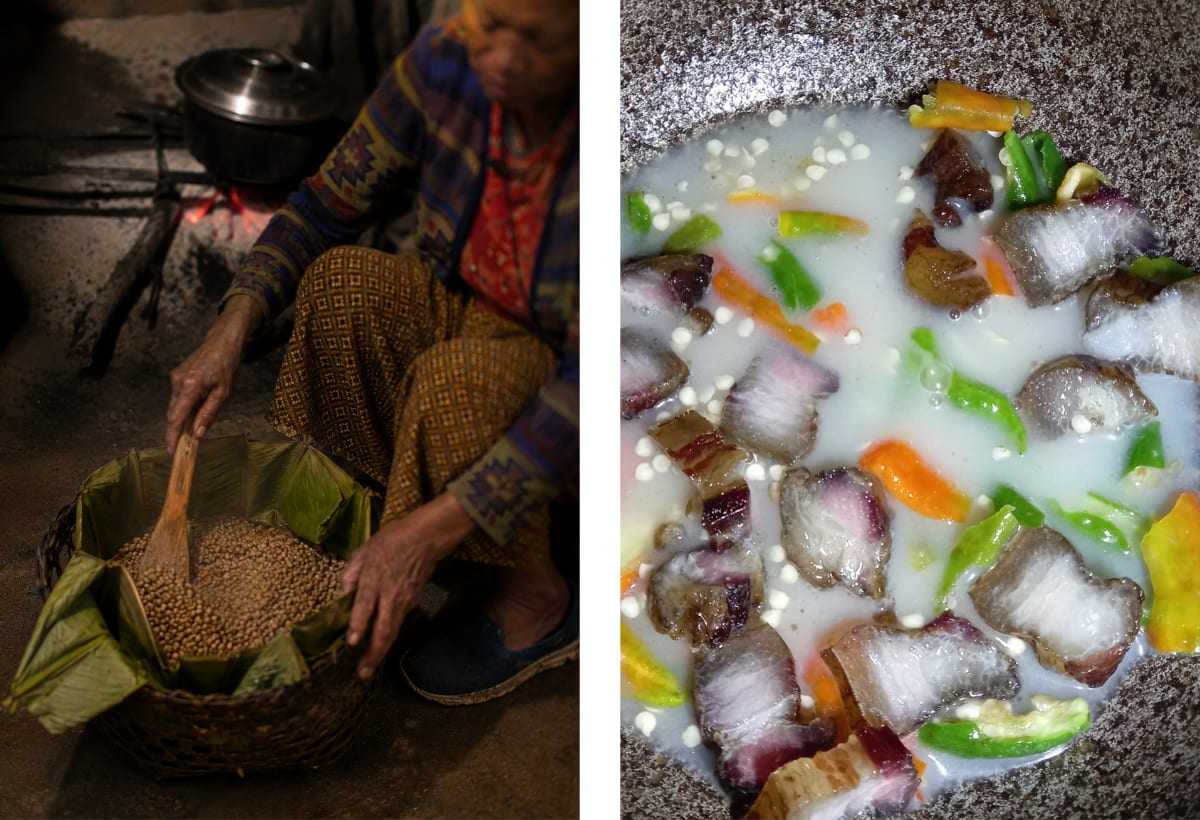
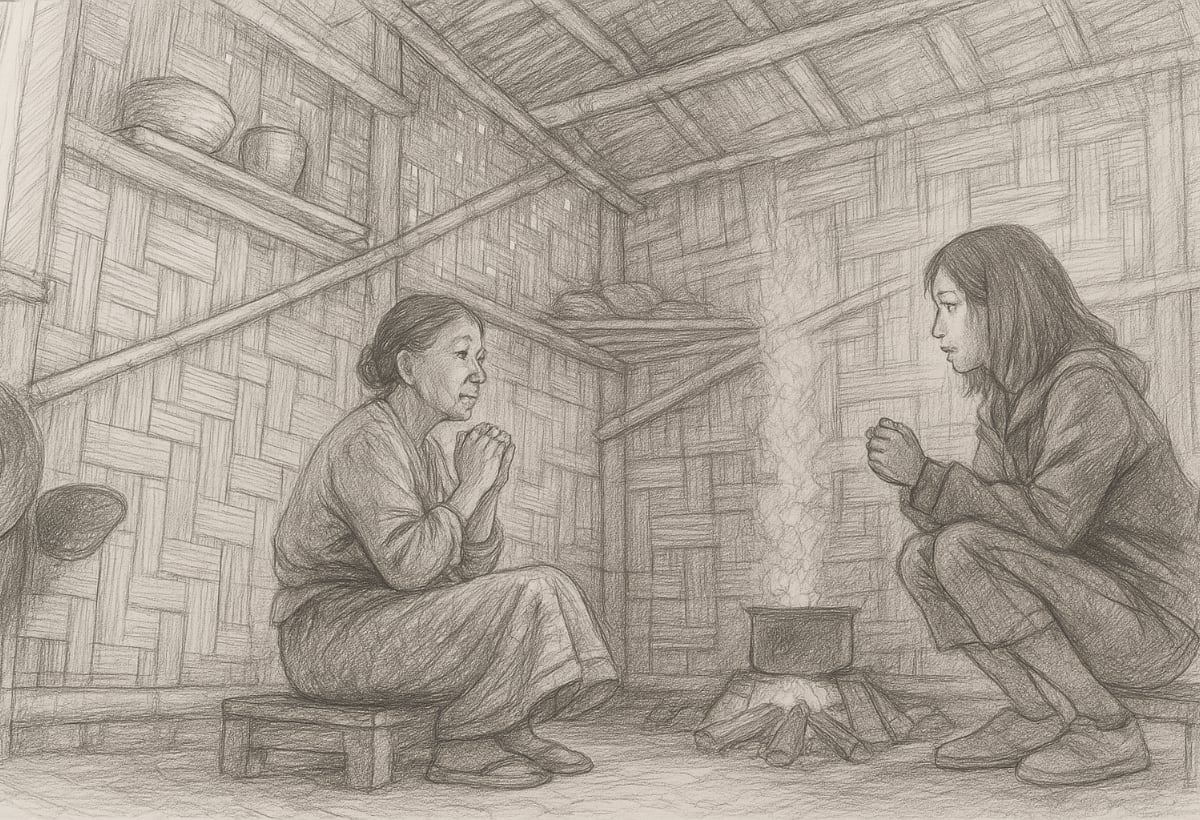
I still remember the smell before I remember anything else. My Atyo (grandmother) crouched in the chuka, our outdoor bamboo kitchen in Wokha, patiently mixing a pile of boiled soybeans with her hands, packing them into banana leaves, setting the bundle close enough to the fire to feel its warmth but far enough that it wouldn't scorch. This was how axone was made in our house, and in every house around us. She wasn't following a recipe but repeating something her mother had done, and her mother before her. While she worked, I'd reach up and pull down a piece of smoked pork liver from above the hearth, already boiled with local herbs and dried over the fire, always there for the days my Atyo would get late from church or song practice.
The Silent Keeper Of Tradition
Sitting beside her, taking in every bit of the process, I'd hear about the walk to their soybean field. She and her siblings, trailing behind their father, would cover nearly seven kilometres on foot, one way, carrying old shawls repurposed into bags stuffed with water, steamed rice and a simple vegetable curry. They crossed two or three streams along the way, water up to their knees, before reaching the soybean fields. Lunch happened right there among the vibrant living greens. Then came the walk back, and then the real work began: washing, cleaning, boiling, fermenting, all of it under their mother's watch.
Most of my childhood has gone soft around the edges. I couldn't tell you most of what happened in those years if you asked me today. But that story has stayed whole, word for word, the way she told it to me. It's probably why I can't look at Naga food and just see the cuisine. I see proof of what got us through, and how. Every strip of smoked pork hanging above a hearth, every sour tang of fermented bamboo shoot carries a record of how people in the Naga hills fed themselves and got through the year, long before anyone here had heard of a walk-in freezer.
Chef Joel Basumatari, who has spent years working with smoking techniques passed down through his family, puts it aptly. "Nagaland's cuisine is often introduced through its bold flavours, smoked meats, fermented soybean, bamboo shoot, and king chilli," he said. "But beneath these ingredients lies something far more profound, a centuries-old food preservation system developed by Indigenous communities who learned to work with the mountains, forests, rivers, and seasons. Fermentation and smoking were never trends. They were survival, sustainability, and culture."
There was never really a choice in the matter. Up in the hills, far from any real supply chain, the fridge just never showed up in time. What did show up was food, more of it than one household could eat before it spoiled, so people had to figure out somewhere for it to go. Nobody really set out to make Naga food bold or sharp on purpose; it just turned out that way because many of the surrounding ingredients were the ones nobody else would have bothered keeping.
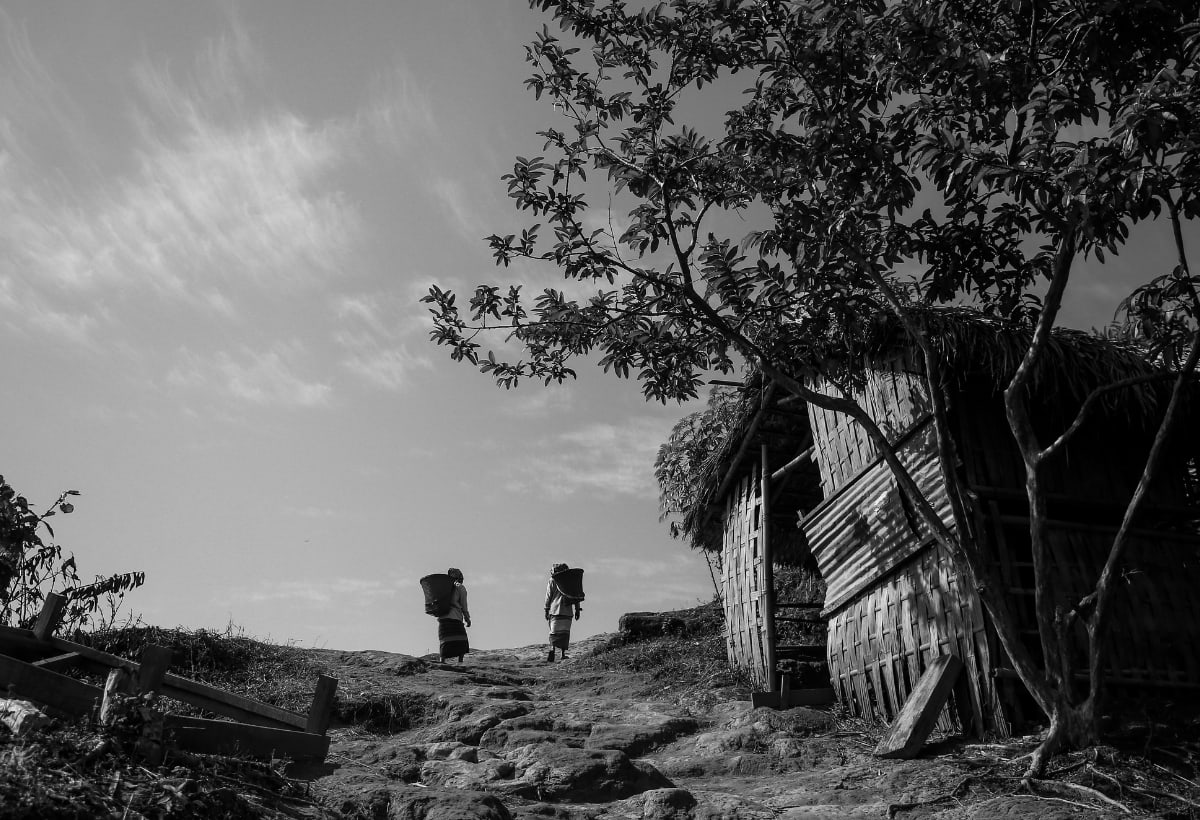
Nagaland is home to close to two million people spread across seventeen major recognised tribes, from Lothas and Aos to the Konyak and Sumi, each with its own dialect and its own version of fermenting and smoking. What ties us together, more than language or geography, is this shared instinct for preservation, even if the specifics shift from village to village. The Sumi folks are closely associated with axone. The Aos lean heavily on anishi (fermented taro leaves pounded into patties), the Lothas, bamboo shoot. There is zutho, the rice beer served at nearly every Naga festival, and there is fermented bamboo shoot, crab paste, leaves, along with dozens of smaller, local variations that rarely travel beyond the village they came from. Each one is a slightly different answer to the same old question: how to make food last without losing it?
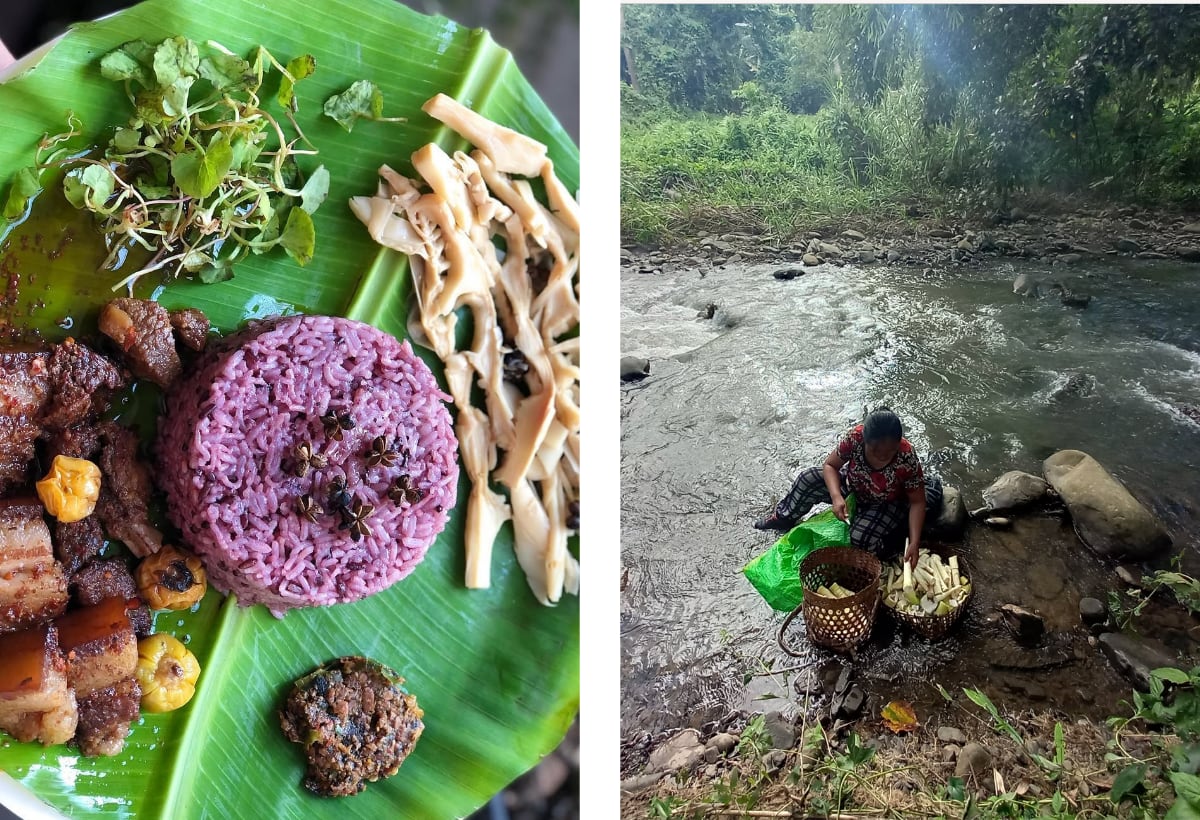
What makes this harder to hold onto is that almost none of it was ever written down, and no proper recipe exists! My mother never measures salt or ingredients. She just uses her hand, and somehow it's always right. My father cooks too; in our house, that was never seen as strange, and he has his own take on why hands work better than spoons or steel. He says metal takes something away from the food, makes the whole thing feel less personal, and that you actually have to touch what you're cooking to get it right. I still haven't found a cookbook that says anything like that.
The Real Custodians
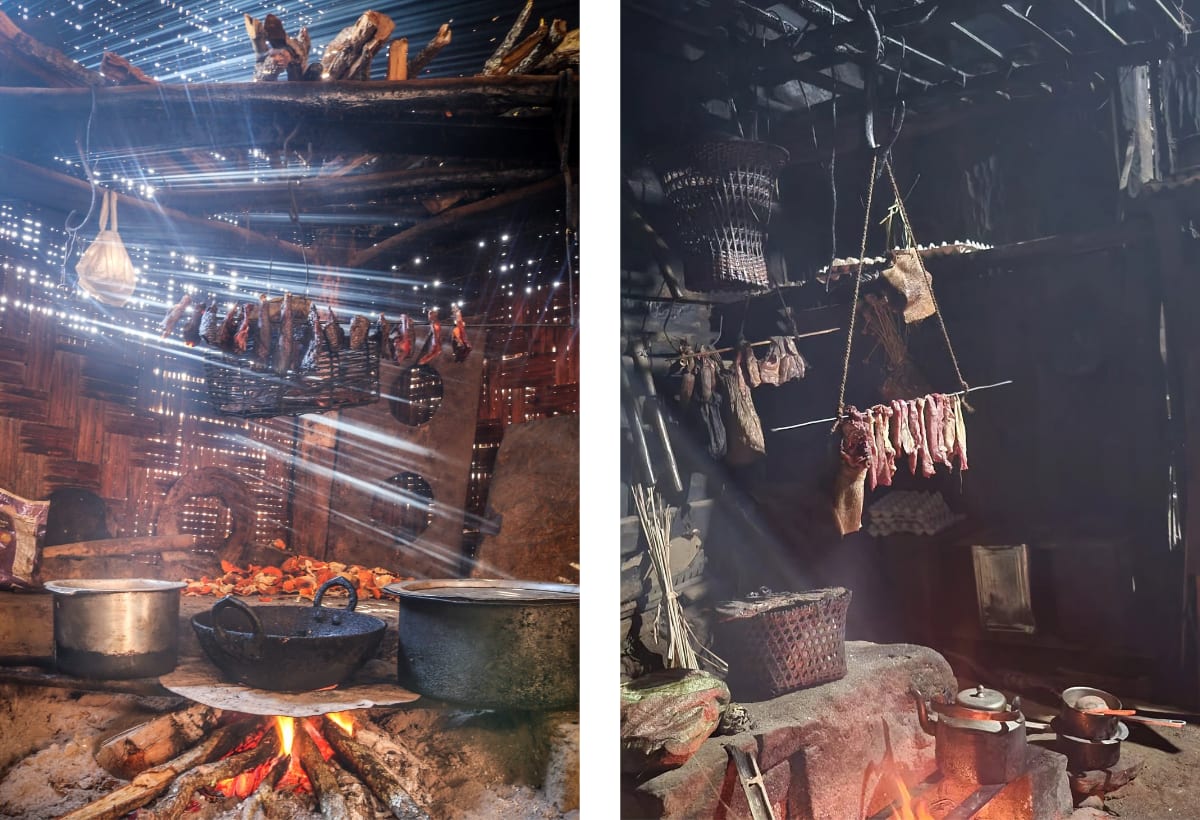
Renowned Naga chef and co-founder of Saucy Joe's, Joel Basumatari, knows exactly what I am talking about. "Most of us learned by watching," he tells me. "As children, we spent time around the kitchen, helping with small tasks, collecting firewood, cleaning meat, stirring fermented foods, or hanging meat above the hearth. Our elders rarely gave long explanations. They expected us to observe and learn through repetition." That kind of knowledge doesn't come with cookbooks. "Smoking meat is not just about hanging it over a fire," he said. "It begins with choosing good meat, preparing it properly, and understanding the fire. The fire should never be too hot; it must produce gentle heat and clean smoke. We usually use hardwood from local trees because different woods give different aromas and preserve the meat differently. There is no timer. The meat tells you when it is ready."
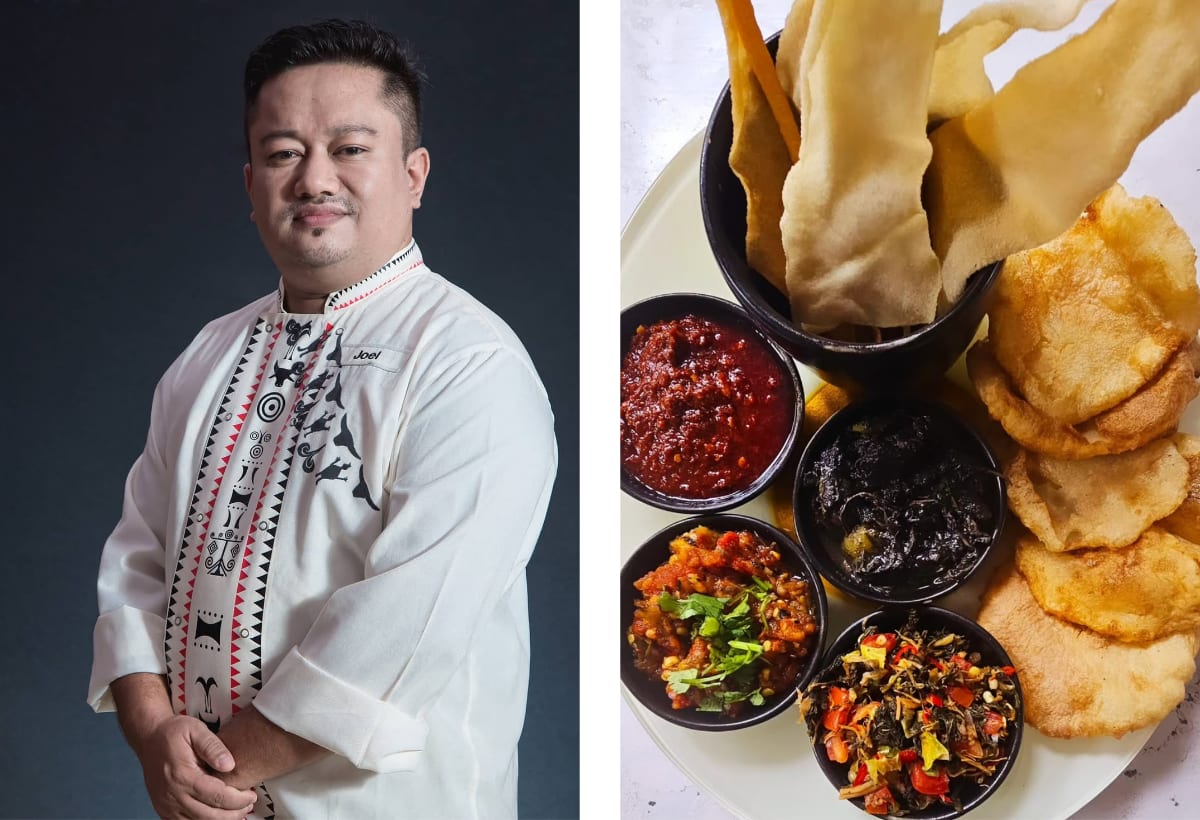
Teaching it now, to a generation raised on recipes with exact measurements, has meant finding words for something that was never given any. "Many things I learned were based on instinct, the smell of good fermentation, the colour of the smoke, the feel of properly smoked meat," he said. "I try to explain what I can, but I also ask them to watch, touch, smell, taste, and repeat the process. You cannot truly understand fermentation or smoking from a recipe alone."
He isn't in denial about what could be at stake. "There is certainly a risk," he said, pointing to young people growing up away from traditional kitchens, away from the fireplaces - where knowledge was shared without words, or pen and paper. But he isn't without hope either. He points to a growing number of people, young and old, trying to reconnect with the same roots.
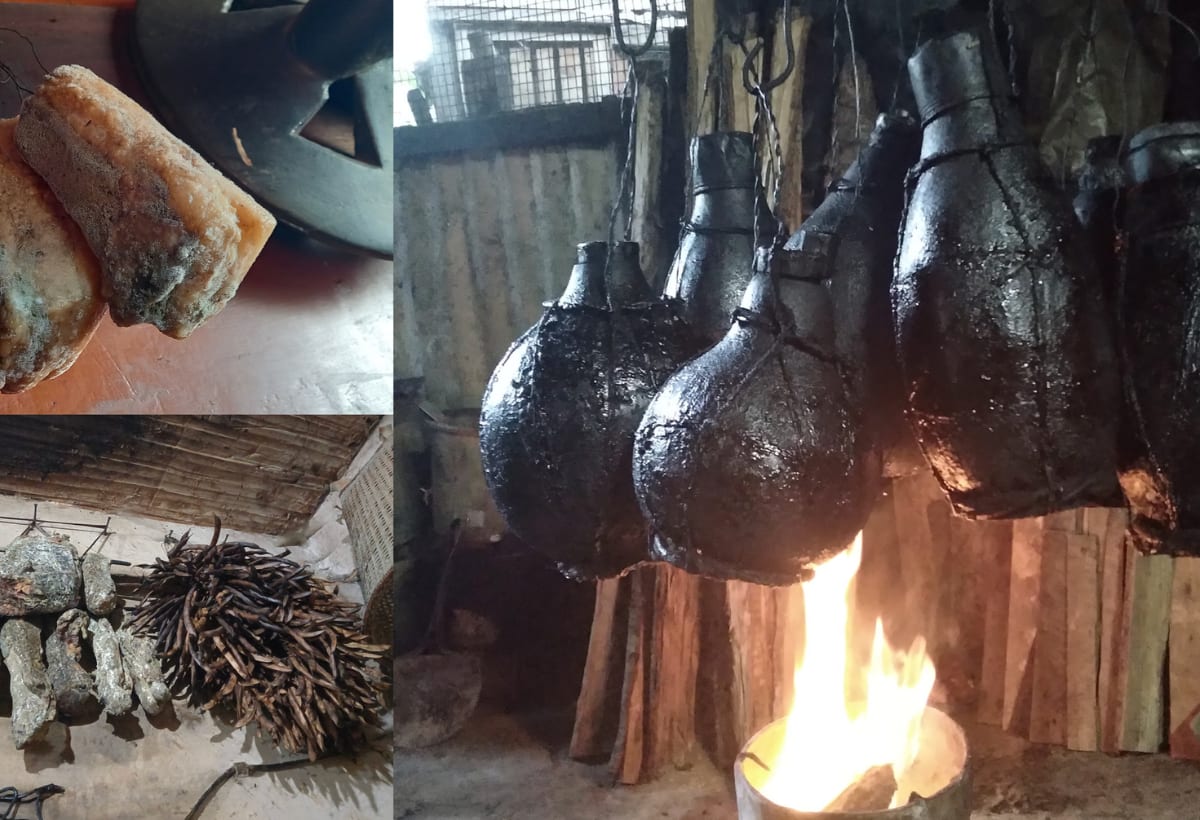
"The real custodians of this heritage are not only chefs or food entrepreneurs, but the countless elders, farmers, and home cooks who continue to light the hearth, tend the smoke, and trust their senses," he said. "As long as these practices are lived, not merely documented, Nagaland's food memory will continue to nourish both its people and its identity."
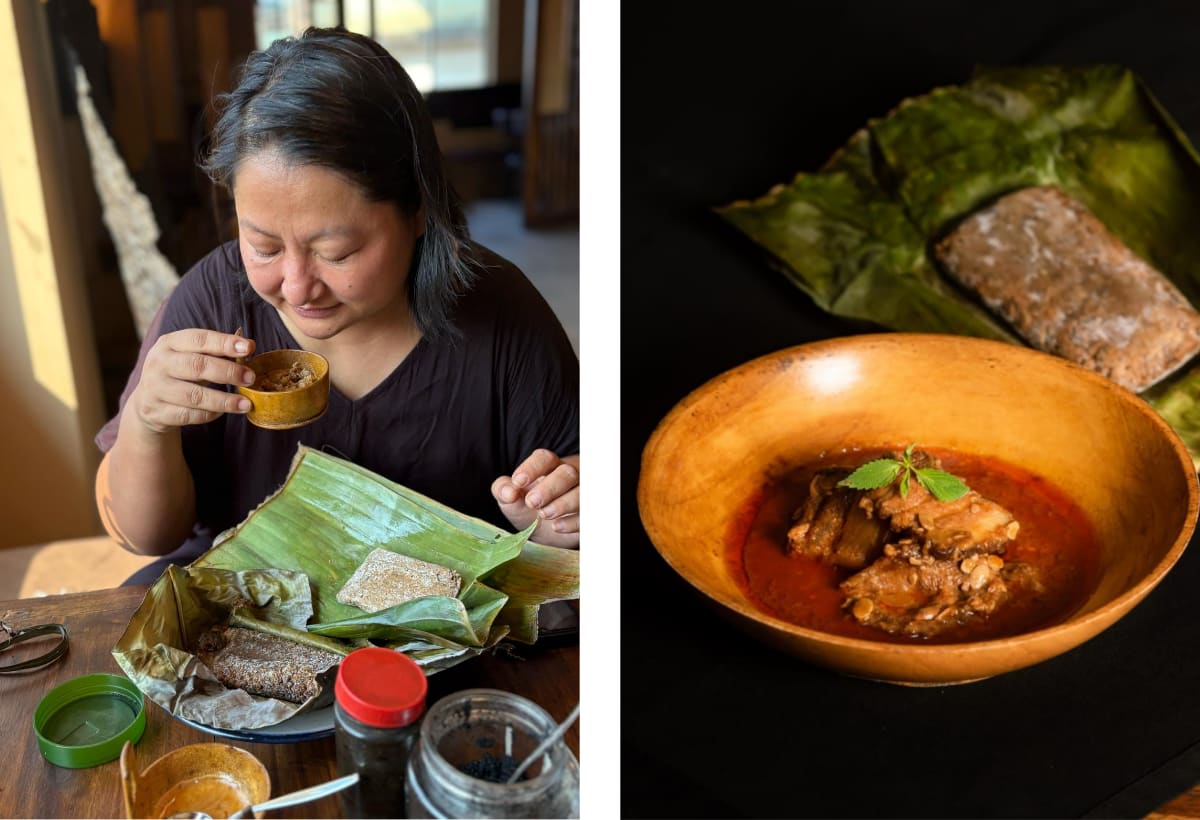
Chef Aketoli H Zhimomi, founder and head chef at Ethnic Table Restaurant in Dimapur, tells me a similar story. "I have grown up around ferments, and I can't say I was taught," she said. "It was more a process of learning through observation and by helping out when our elders were preparing them."
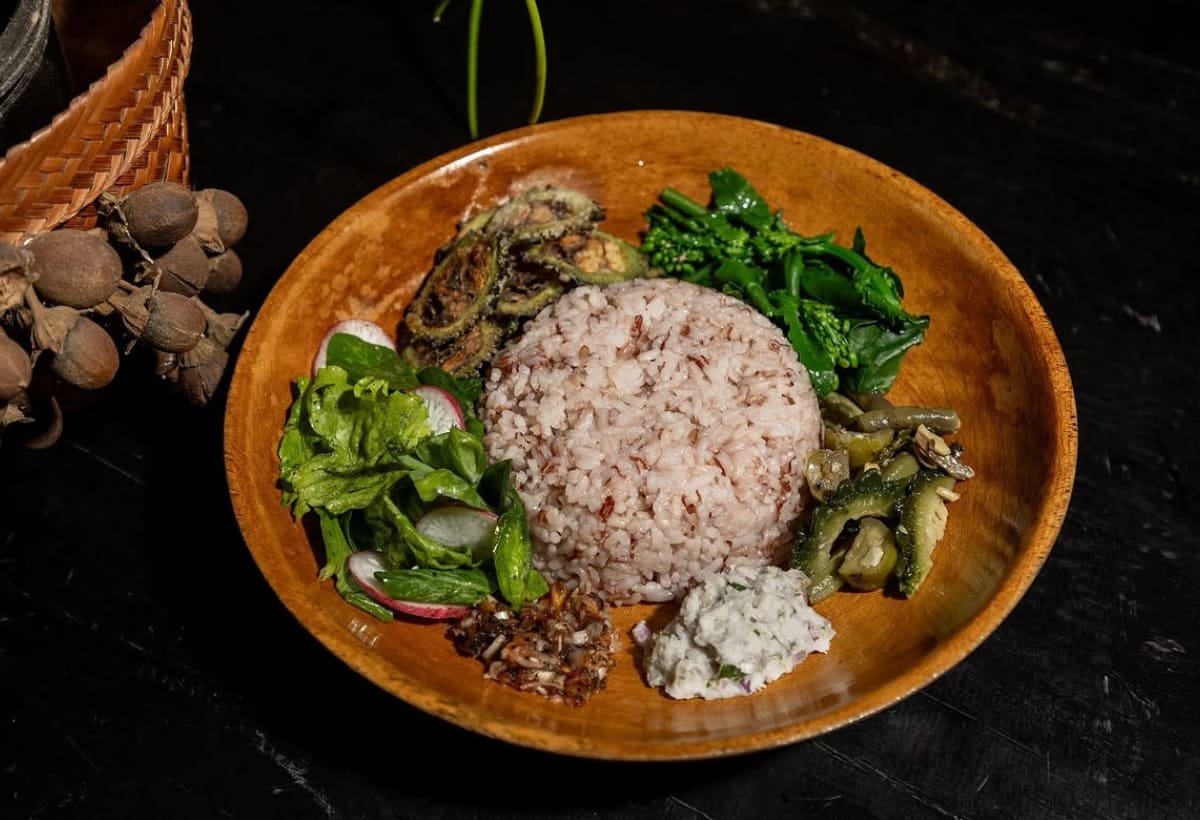
Zhimomi also runs pop-ups and kitchen takeovers that introduce Naga food to people who've never had it, often reworking fermented staples into unfamiliar formats, spice rubs, vinaigrettes, things that ease a new eater in slowly without scaring them off. She doesn't see that as a departure from the craft. "It is about carrying the craft forward while maintaining its flavours," she said. "For a person trying our food for the first time, it can be a little overwhelming. Using these ingredients in a whole new style enables them to try and understand the basic flavour profile of what our cuisine can be."
That instinct to adapt, rather than either preserve untouched or reinvent completely, runs through how she thinks about introducing the cuisine at all. "Adaptation is necessary if we want more people to experience our cuisine," she said.
From Village Kitchens To Delhi Menus
Both of them, in different ways, are trying to close a gap that opened quietly, as younger Nagas moved to cities and away from kitchens. Neither of them frames it as a loss dressed up in nostalgia. They frame it as a transfer of knowledge running out of time, held by a generation whose expertise was never formally recognised as expertise at all.
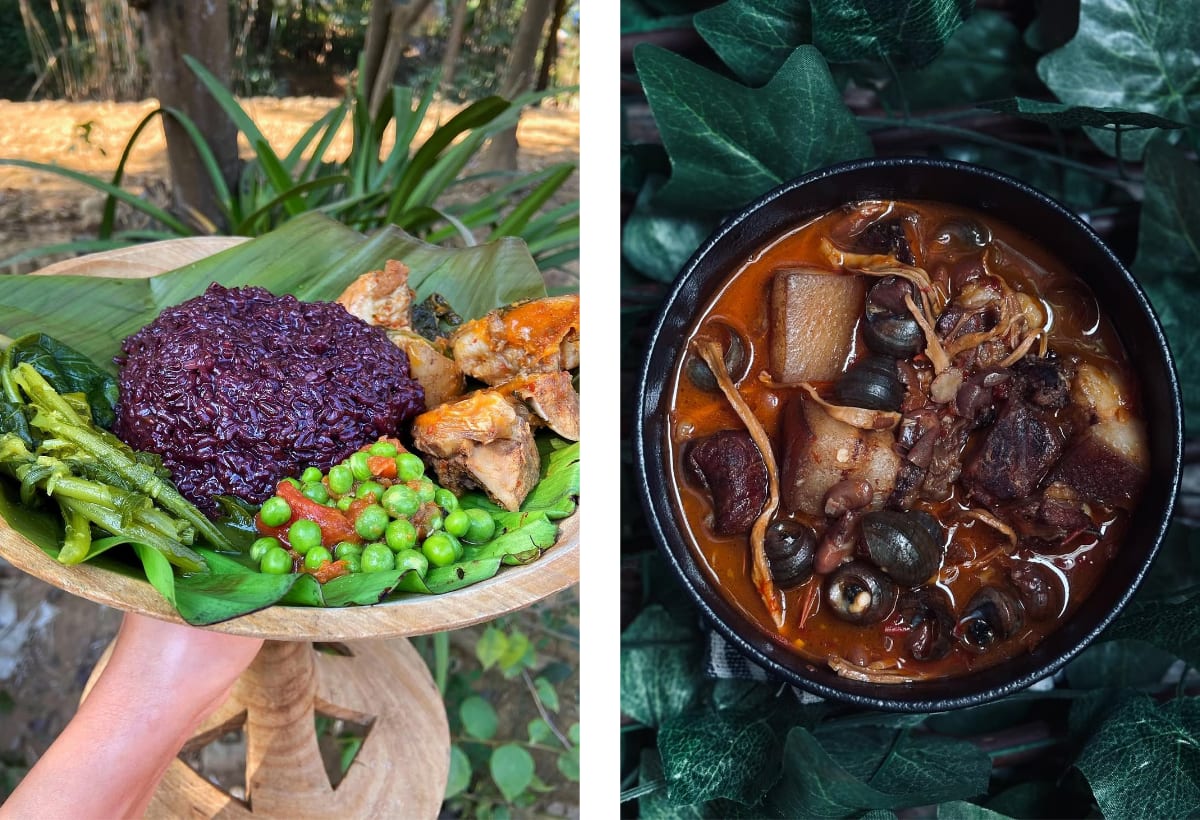
There's a slower shift happening in New Delhi too, where restaurants and chefs who aren't typically from the region are starting to take Naga food seriously. Cavity at Barbet & Pals offers Naga pork sausage alongside Naga bamboo shoot ice-cream, and dishes once considered too pungent or unusual outside the state are increasingly read elsewhere as sophisticated technique.
I grew up with all of this around me, so none of it feels new to me; it just feels like people are finally noticing. Axone, smoked pork, anishi - none of it was ever made to impress anyone. They were just how we got by, and it happened to taste the way it tasted. My grandmother never called what she did an effort to preserve our identity. I don't think she knew she was doing anything worth writing about. She was just feeding her family the way she'd been taught to. It took me this long to understand that's exactly what kept us who we are.
The Cover Image: An illustration of a Naga grandmother with a grandchild. (Photo Credit: Parasher Baruah for Project Empathy)