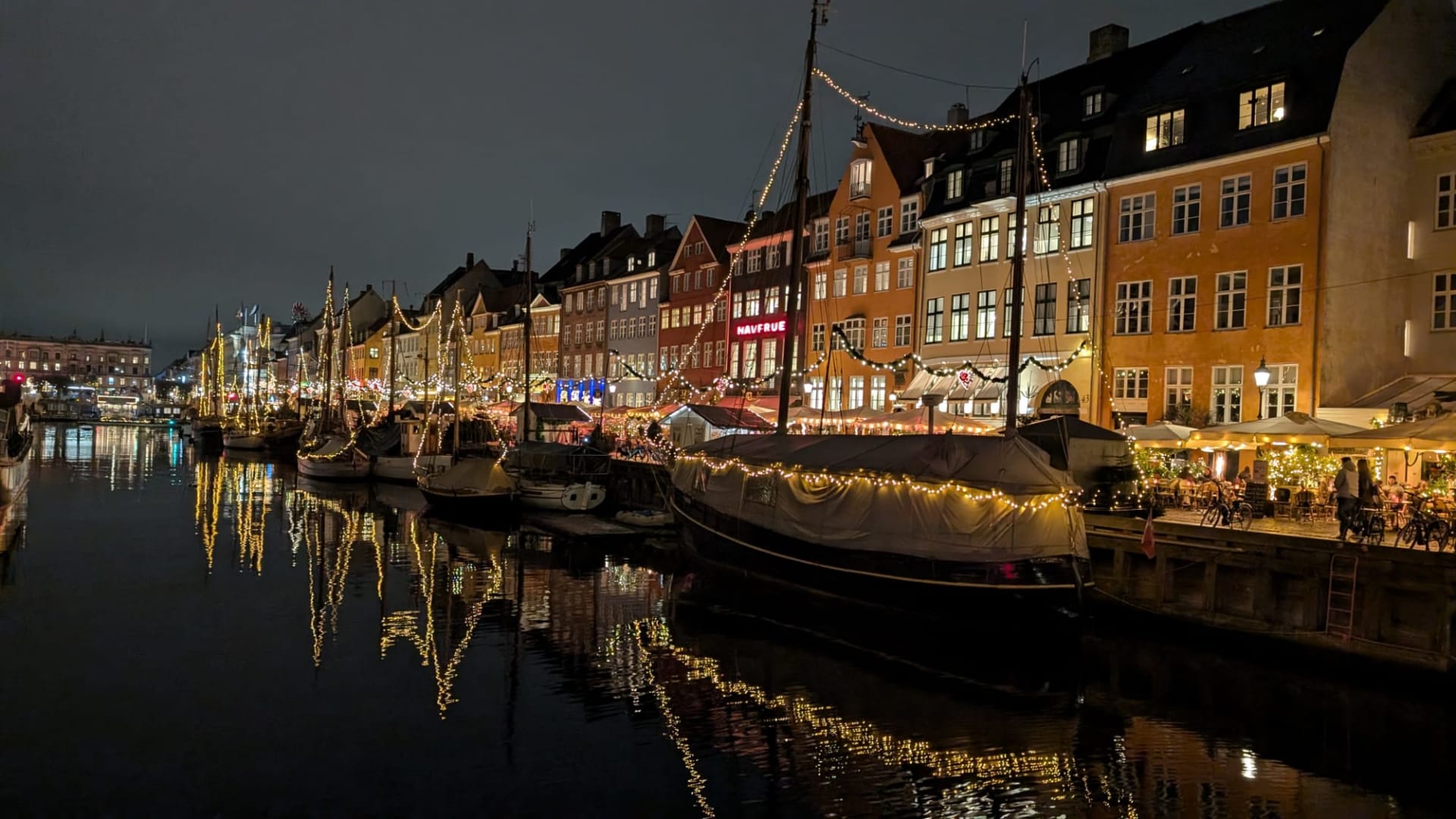
Over a thousand years ago, Denmark was a land of long winters, rough seas, and short growing seasons. Food was dictated by what could be grown, caught, and most importantly, hunted by the Vikings.
Today, the Vikings still exist. No, I don’t mean the horned helmets, swinging axes or wooden longships. Their spirit lives on in their food—in Copenhagen, one of the world’s great culinary cities, where ancient techniques and ingredients continue to inspire a new generation of cooks. And I was about to embark on my own Viking Food Trail, with one tiny, rather significant caveat: I was vegetarian.
The Adventure Begins
I was at Kilden i Haven, a restaurant tucked into the fairytale setting of Copenhagen’s historic Tivoli Gardens. I learnt that Kilden means ‘source’—a fitting name for a restaurant that takes its idea of local produce rather seriously. And I mean really locally. Much of what lands on the plate comes from its own backyard, where an on-site herb garden supplies seasonal greens and wild herbs.
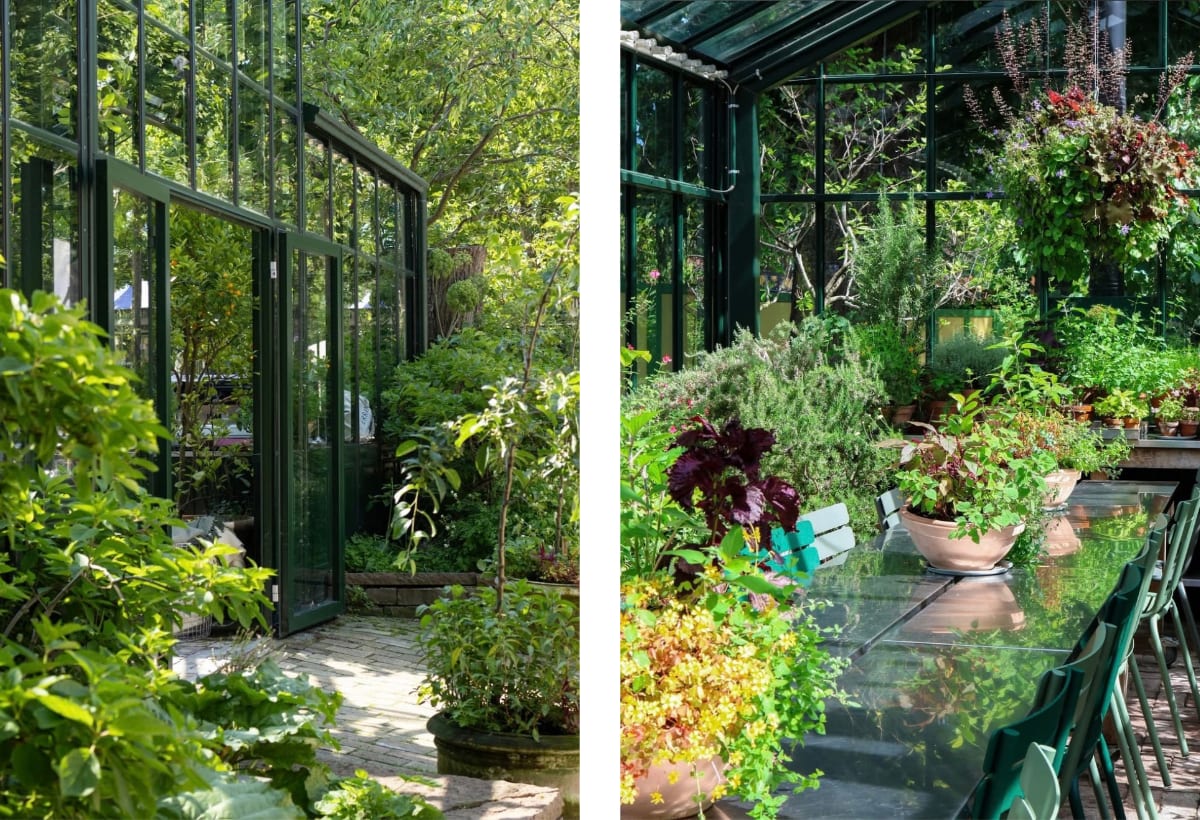
But the wildest thing I learnt was that the Vikings were not simply the tall, broad-shouldered, furious fighters history and Hollywood have made them out to be! They were farmers, too, living and working in small, self-sufficient homesteads, growing what they could and relying on what the harsh Nordic climate allowed them to find.
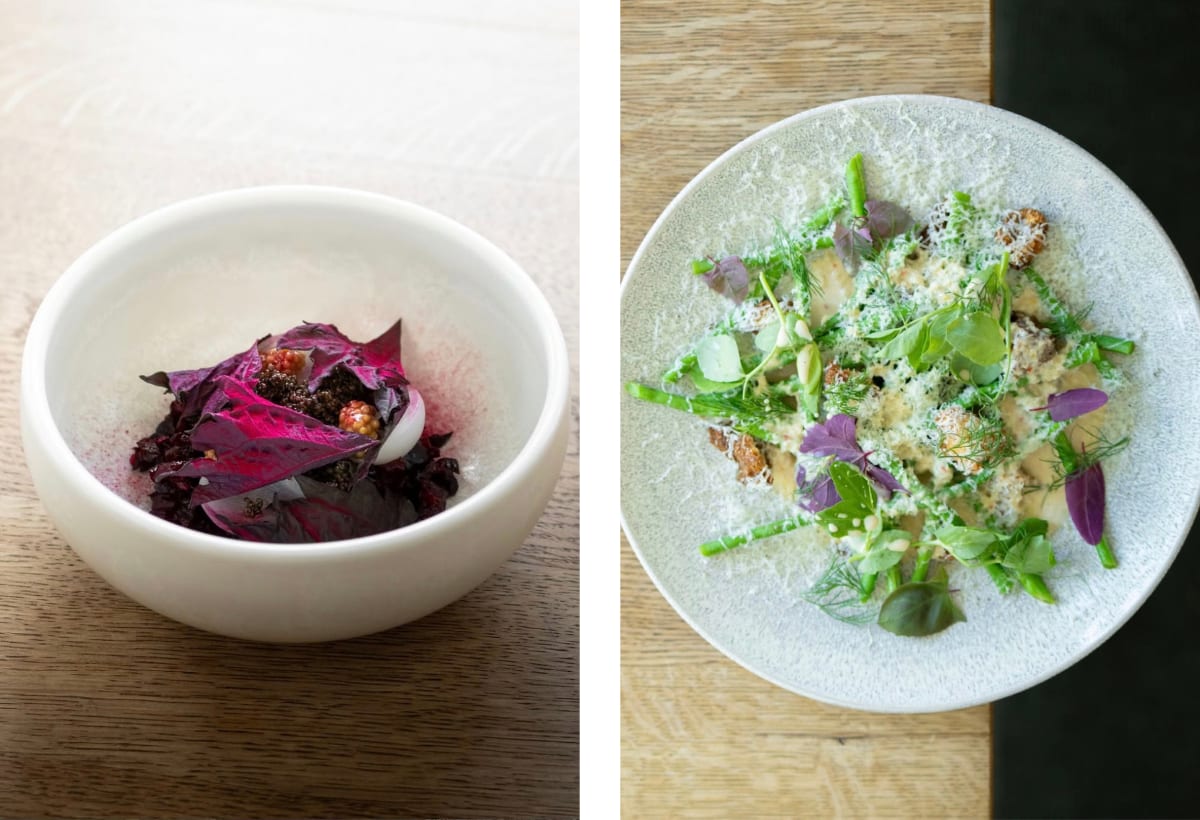
That spirit of growing, preserving and eating what is close at hand lives on in Danish food. And I was here for it. I looked down at my simple plate of grilled cabbage and wondered if eating like a Viking meant eating to live, rather than, you know… living to eat.
How wrong I was!
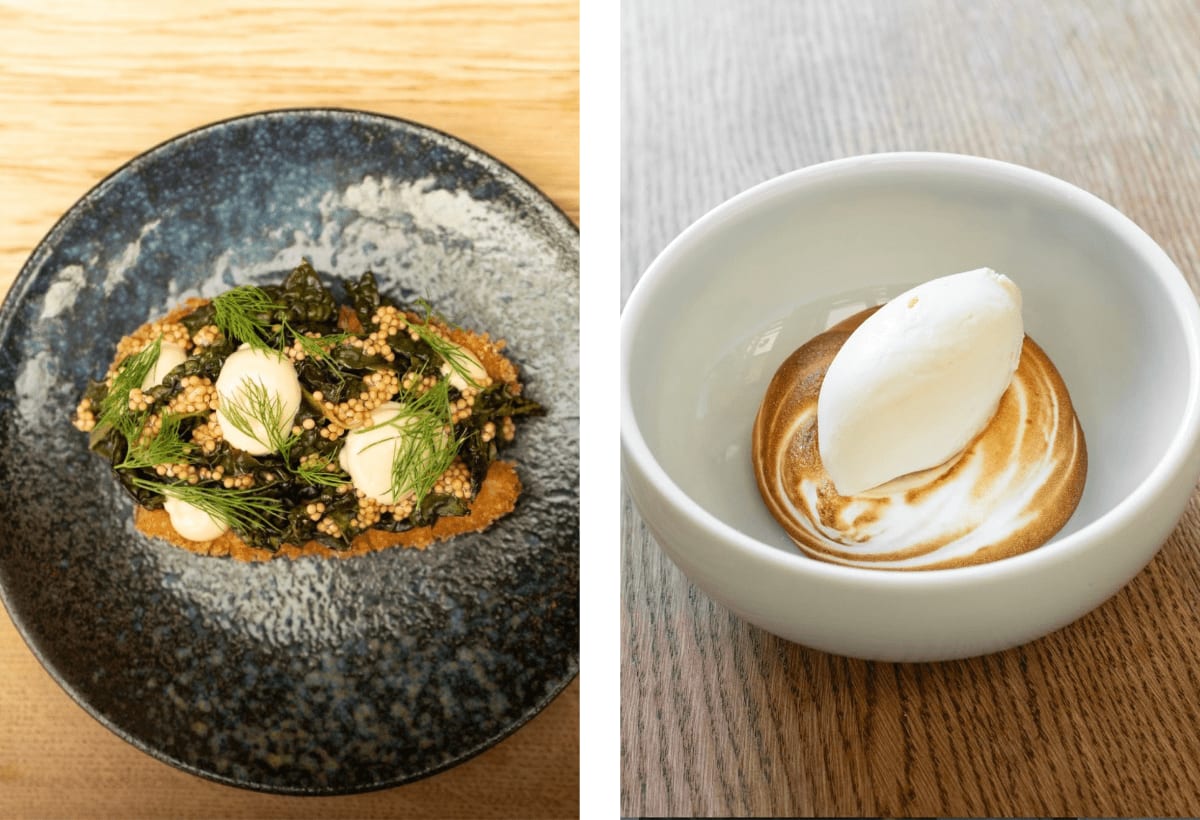
My pan-fried, marinated cabbage, served with mustard seeds, pickles and a cloud-like mustard sauce, may have looked simple, but it was anything but. It was a small work of art—and a delicious introduction to the Nordic love for fermentation. For the Vikings, fermentation and other preservation techniques were not culinary trends but practical necessities. Meat, fish and dairy had to be made to last through long winters and even longer voyages at sea. Centuries later, those same instincts for preserving, transforming and making the most of what nature offers have found a place in Denmark’s modern kitchens.
Rye is always Right
Ahmad ibn Fadlan, the 10th-century Arab diplomat and traveller from Baghdad, is known for his detailed accounts of the Vikings. One line, in particular, caught my attention: “I have never seen bodies more perfect than theirs.”
And you know what Vikings ate quite a lot of? Bread. So the next time your mind tries to guilt-trip you for reaching for another slice, think of the Vikings!
Rye and barley were among their most important grains. Rye was used to make sourdough bread, while barley, oats, and other grains found their way into porridge and, of course, beer. Grains were practical, nourishing, and well suited to a climate where food had to be carefully grown, stored, and stretched through long winters.
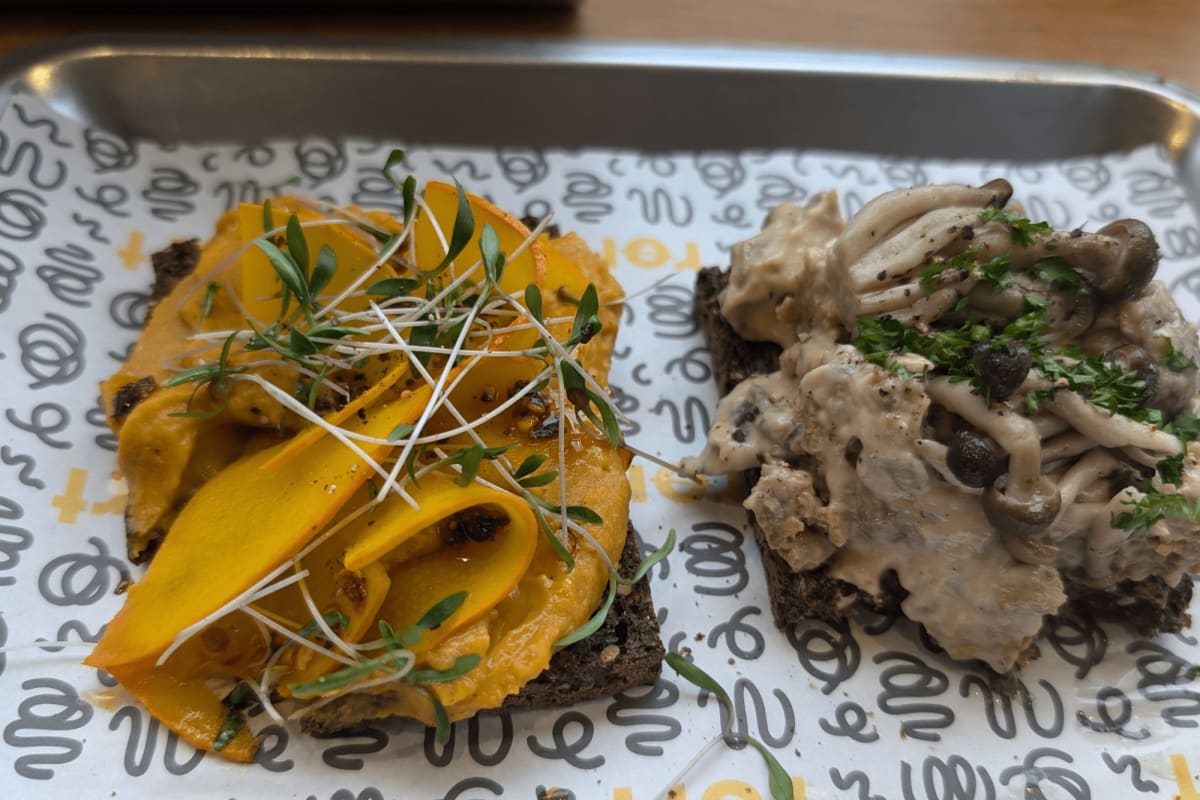
Another time, I was at Aamanns Genbo to try one of Denmark’s most iconic foods: smørrebrød, the open-faced sandwich that has become something of a Danish institution. Mine came topped with fried mushrooms, marsala, apples and crème fraîche—a combination that felt decidedly inventive.
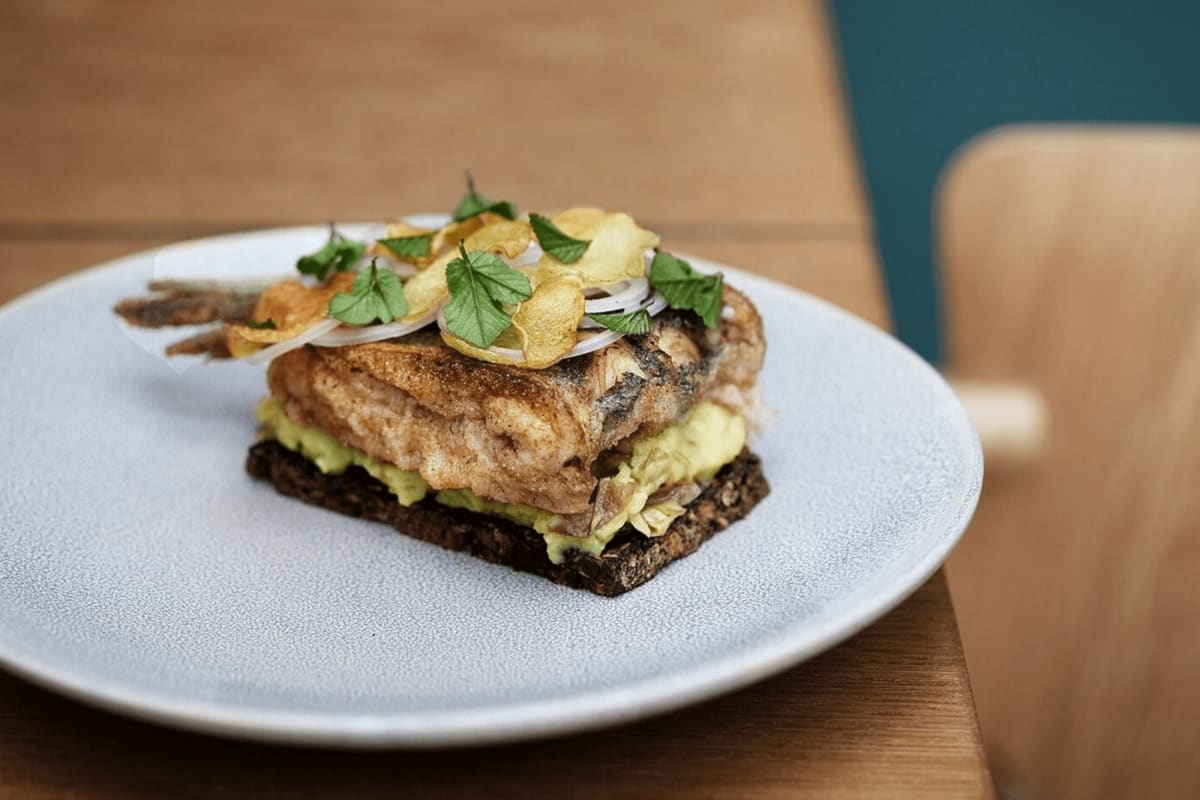
But then again, what we might call ‘experimentation’ today was often simply a matter of availability back then. Viking food couldn’t be planned too far ahead; life, after all, was unpredictable. You ate what the land, sea and season gave you. Perhaps that same sense of possibility lives on in the smørrebrød. There are few rules about what can sit on that slice of rye, and it is this delicious unpredictability that keeps the spirit of adventure alive. Who knew, for instance, that one of my favourites would be a combination of potatoes, fresh asparagus and pickled onion?
Beer, Feasting, and the Road to Valhalla
In Norse mythology, the fallen warriors, known as the einherjar, spent their days in bloody combat. But every evening, their wounds magically healed, allowing them to sit down to a massive feast, with a generous jug of beer at hand.
Beer was clearly important to the Vikings—and apparently, even children drank it. Yes, that took me a while to digest, so I decided to wash it down with a cold brew at the Home of Carlsberg, where I learnt that beer, made lighter for children, was actually considered safer than water thousands of years ago, thanks to the fermentation process. Adults could drink astonishing quantities—estimates suggest as much as six to eight litres a day.
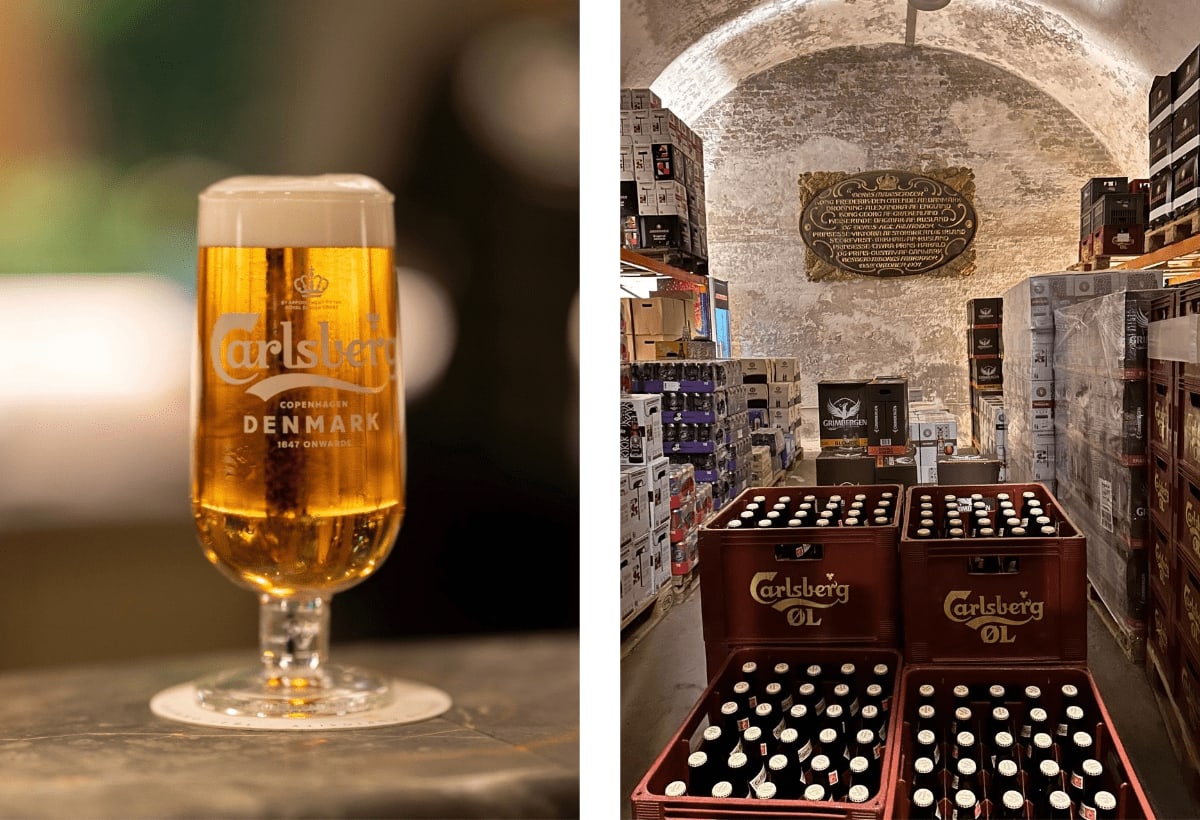
Skål!—or, as the Vikings might have said, cheers to that.
But feasting and drinking weren’t simply about having a good time. They were deeply woven into Viking social and religious life. I imagined them gathering around a table, raising their cups to Odin, the Norse god of wisdom and war, and celebrating those who had earned their place in Valhalla, the revered hall of the slain.
But I didn’t have to rely entirely on my imagination!
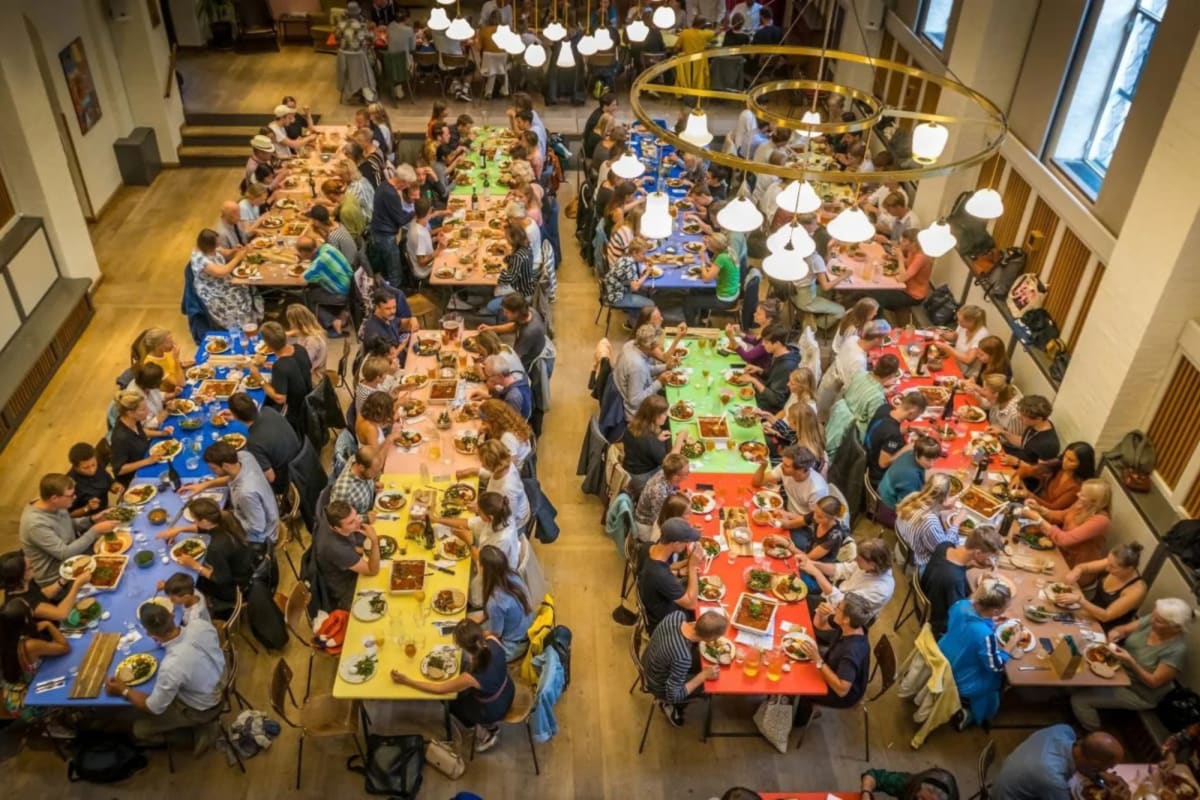
At Absalon, I was about to experience fællesspisning, Denmark’s growing tradition of communal dining. Around me, locals, families, friends, and complete strangers sat together at one long table, slowly breaking the ice with the simplest of requests: “Could you pass the bread?” “A little more salad, please.”
There was something wonderfully familiar about it. The meal was inexpensive—around INR 1,000 for a full dinner—and the menu changes daily, with dishes ranging from bean cassoulet with tomatoes and aubergine to pearl barley porridge with cherry tomatoes. The food is simple, hearty and full of flavour.
And, in true communal spirit, everyone plays a part. You help bring the food to the table, pass the dishes around, return the cutlery and clear up afterwards. There are no waiters hovering around the table.
For a moment, it felt less like eating out and more like being invited to dinner by an enormous Danish family. Perhaps that, more than anything, is what has survived from the Viking feast: not the bloodshed, thankfully, but the idea that food tastes better when it is shared.
The Viking Code to Food

As I travelled across Copenhagen, I began to understand the rules of eating like a Viking: eat what the land gives you, preserve what you can, and waste nothing. It struck me that the New Nordic Kitchen manifesto, formulated in Copenhagen in 2004, feels remarkably close to this ancient philosophy. It calls for food that is simple, seasonal and rooted in its surroundings.
As I walked the streets, slowly digesting my feast, I began noticing the signs everywhere: ‘farm to table’, ‘seasonal food only’, menus changing with the seasons. And I couldn’t help but wonder if the Viking way of food—and perhaps of life—was far more than the stereotype we have come to know. A thousand years ago, these instincts were born out of necessity. The Vikings had to make the most of what the land and sea offered, preserve food for the harsh months ahead, and waste very little.
Today, those same instincts have been reimagined rather than forgotten. They are helping shape Copenhagen into one of the world’s most exciting food cities. It seems that the Vikings never really left. They simply swapped their longships for restaurant kitchens.