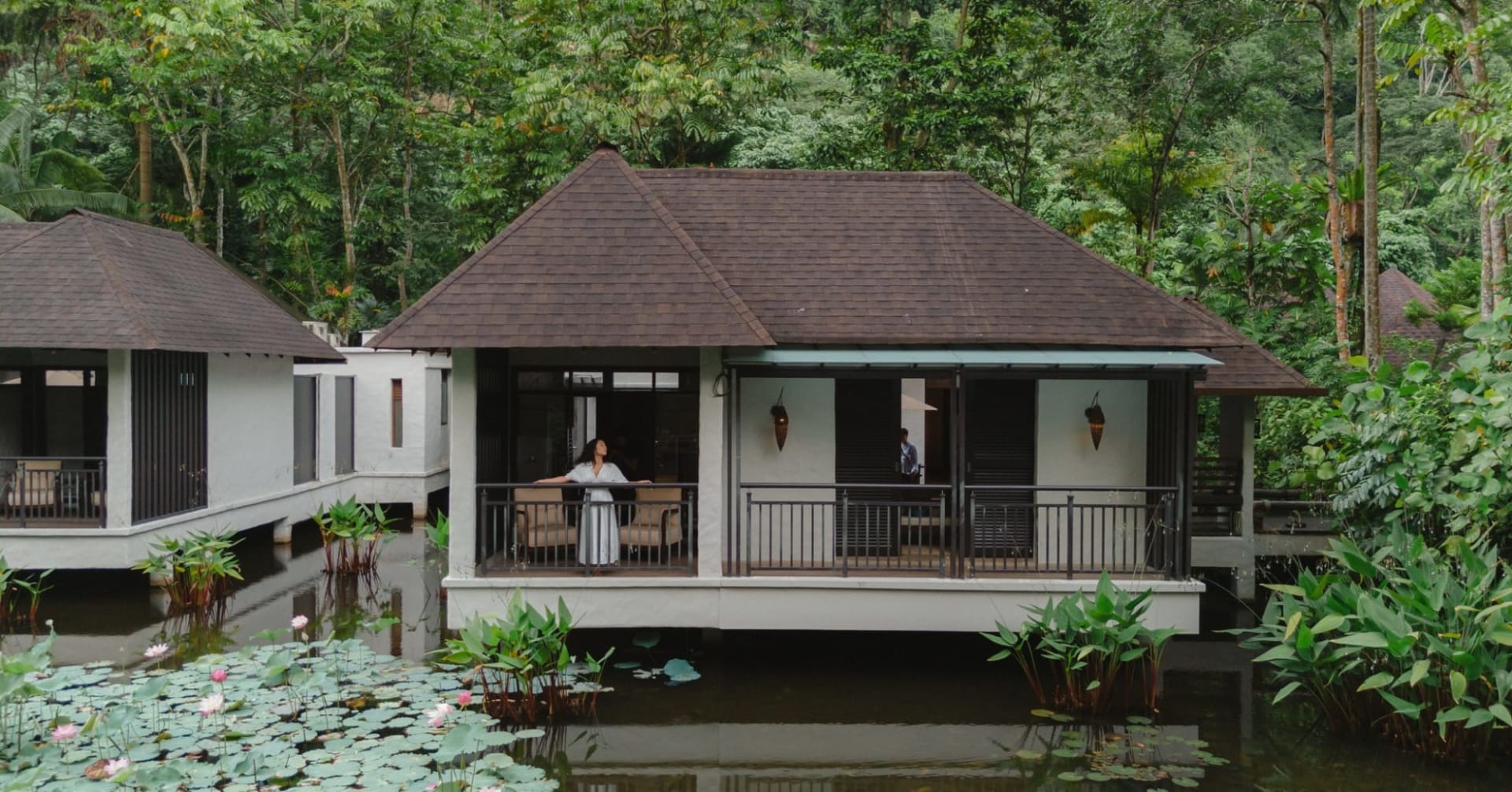
I wasn’t a stranger to Perak in Malaysia, but Ipoh was new to me. It was my first time exploring Perak’s capital, and I wasn’t about to limit myself to the limestone cave temples of Kek Lok and Sam Poh Tong or the heritage lanes of Concubine Street, the usual tourist stops. Instead, we traded the popular attractions for a quieter, more soulful side of the city. My choice was Gaharu Tea Valley, a unique tea plantation about an hour from Ipoh.
The drive along the highway was a reminder that Ipoh was once a thriving tin-mining powerhouse, drawing its fortunes from the rich soil of the Kinta Valley. Palm oil plantations and limestone karsts lined the route, a familiar sight on Malaysian roads. Before long, we turned off the highway and into the kampungs, or Malaysian villages. As we neared the destination, nothing seemed out of the ordinary. Not even the gate bearing the words "Gaharu Tea Valley." Then, with a single turn, the landscape changed completely. We made our way to the main building.
An Introduction With HOGA
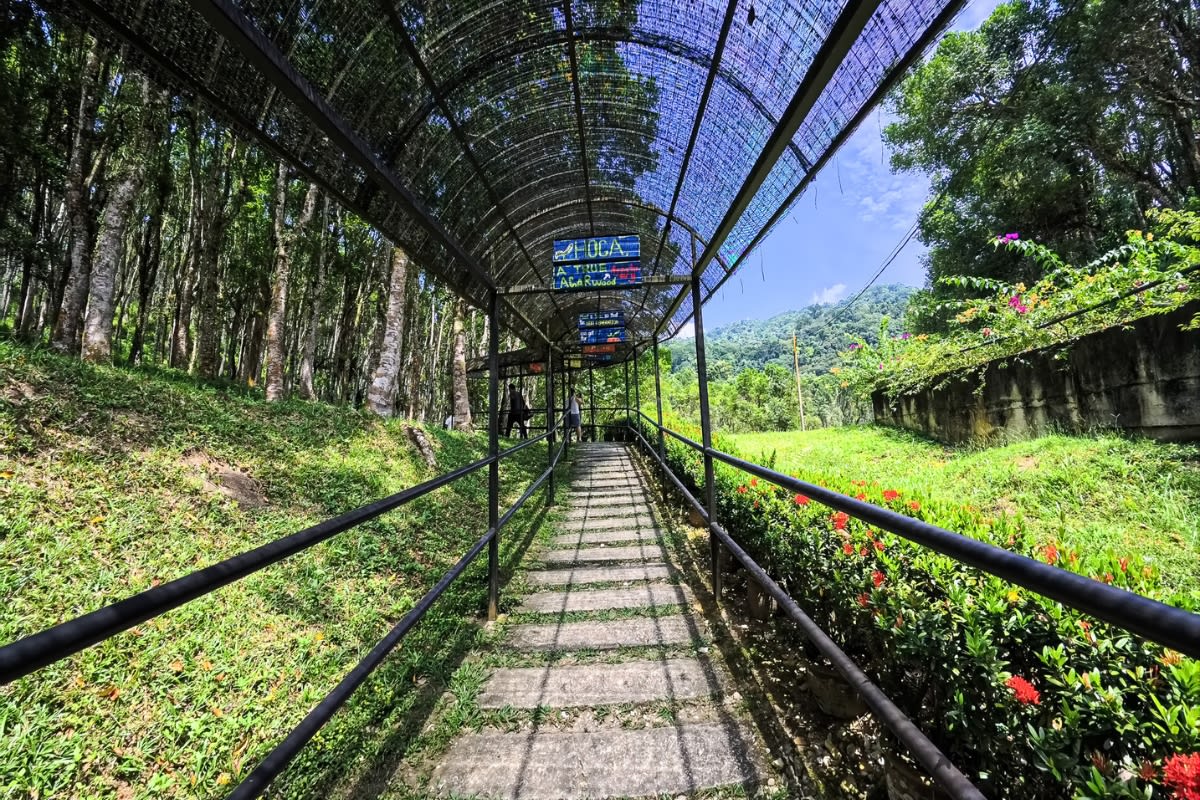
The story of HOGA goes like this. In 1992, David Ho, founder of Gaharu Tea Valley, received 200 Aquilaria (agarwood or gaharu) seedlings from a traditional Japanese medicine practitioner. The name "HOGA" combines ‘Ho’, his surname, and 'Ga’, the Cantonese word for family.
According to family lore, the practitioner's lineage traces back to a Chinese Imperial court physician who developed an agarwood-based elixir for an emperor seeking eternal life. Forced to flee, he escaped to Japan and continued researching agarwood's healing properties.
The gift came with one condition: the trees had to be cultivated in a natural rainforest ecosystem, free from chemicals and pesticides. HOGA still follows that philosophy today. The 200 hybrid seedlings, developed from twelve Aquilaria species, were later patented as "Gaharu Gopeng".
For 18 years, the plantation earned no revenue while the trees matured for medicine and tea, reflecting the Ho family's commitment to the vision. Today, the plantation thrives alongside the 400-year-old Titiwangsa forest, producing not only gaharu tea but also coffee, noodle blends, ice cream, beauty products, and ornaments.
What Makes It Unique
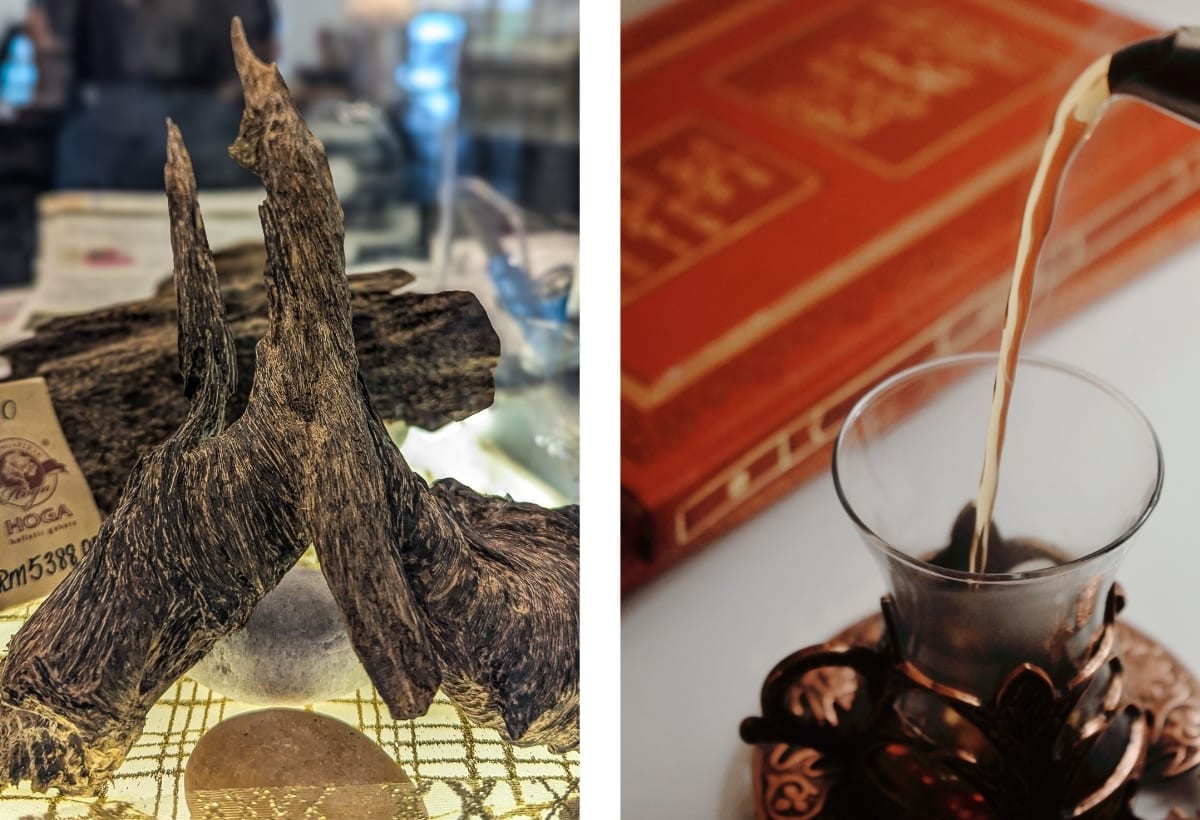
Unlike conventional tea, where leaves are harvested from a bush and brewed, the star here is the bark of the Aquilaria tree. At first glance, it looks like an ordinary tree trunk, but it hides an extraordinary secret.
Aquilaria produces agarwood, or gaharu, better known globally as oud. If Oud Wood by Tom Ford has a permanent place on your dresser, it might be time to meet the ingredient behind the obsession. Prized for its deep, woody, and subtly sweet aroma, oud became a household name in luxury fragrance circles, and thanks to Tom Ford, many of us learned to pronounce it before we knew where it came from.

When the tree is infected by a specific fungus, it responds by producing a dark, aromatic resin. This resin becomes agarwood, as we know, one of the rarest and most expensive woods in the world. For centuries, it has been treasured for incense, perfumery, and traditional medicine. At Gaharu Tea Valley, this remarkable tree is transformed into something unexpected: tea.
Agarwood Tea Tasting: A Sensory Symphony
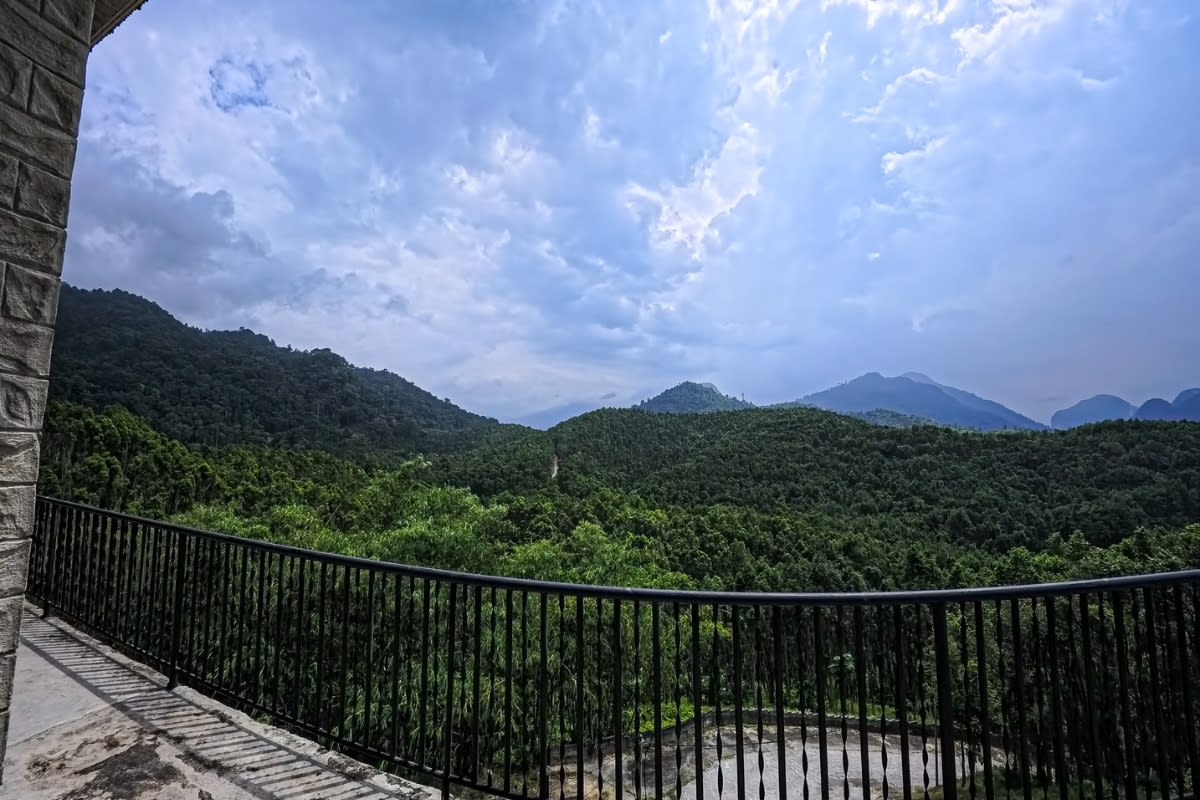
I settled into HOGA's tea-tasting pavilion overlooking a tranquil reservoir. This was no ordinary tea experience. Here, the brew comes from the bark of the agarwood tree itself. It began with the ‘Herbal Agarwood Tea’, a clear amber infusion with a rich woody aroma. Smooth and almost buttery, it carried none of the bitterness I expected. Instead, each sip brought a surprising sense of calm. Next came the gaharu coffee, which wasn't quite to my taste. The real surprise was the agarwood kombucha. Lightly fizzy and wonderfully refreshing, it took just one sip to convince me to take a few bottles home. As we sampled the drinks, the staff shared insights into the sustainable cultivation process, from inoculating the trees to harvesting the resin and transforming it into wellness products. By the end, I left with three bags of tea and four mini bottles of kombucha.
HOGA Plantation Tour
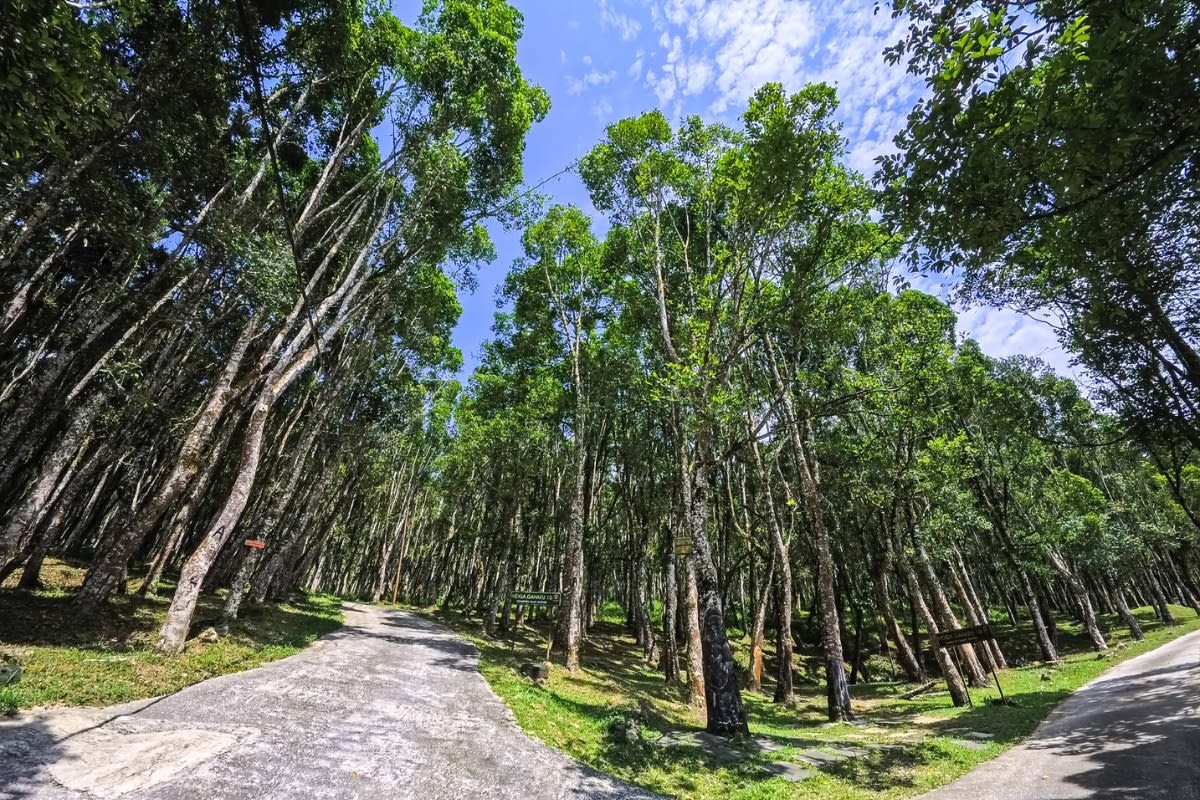
As we moved uphill the air became cool. Our first stop was the Viewing Stage and Hilltop Café, offering sweeping views of the plantation and the Titiwangsa Range. The clouds parted just in time for us to sample Gaharu ice cream. Subtly flavoured, not overly sweet, and unlike anything I had tasted before, it was an unexpected highlight.
The next stop was a pathway lined with artistic tree installations that encouraged visitors to connect with nature, a concept akin to forest bathing. I finally gave in to an urge I had long suppressed and hugged a tree. Nearby, a gazebo overlooked a pond filled with koi and arowana. Armed with a packet of fish food, I became unexpectedly invested in the well-being of several hundred fish, albeit for sometime.

As we continued, the scale of the plantation became apparent. Rows of Aquilaria trees stretched across limestone slopes, creating a remarkable sanctuary for a species often threatened by overharvesting. The air carried a warm, woody fragrance that felt distinctly different from any conventional tea estate.
Our final stop was Lover's Park and Waterfall. Rainbow pinwheels spun in the breeze, hanging plants swayed overhead, and winding paths led through a butterfly garden and past a small waterfall. I found myself wandering among long liana vines that curtained the landscape. Before long, the stream beside the trail guided us back to the parking lot.
Driving Through Limestone Valleys
Leaving Gaharu Tea Valley behind, we drove through kampungs, palm oil plantations, and towering limestone karsts. About 30 minutes later, another side of Ipoh revealed itself at The Banjaran Hotsprings Retreat.
A Sanctuary in The Heart Of Ipoh’s Ancient Limestone Hills
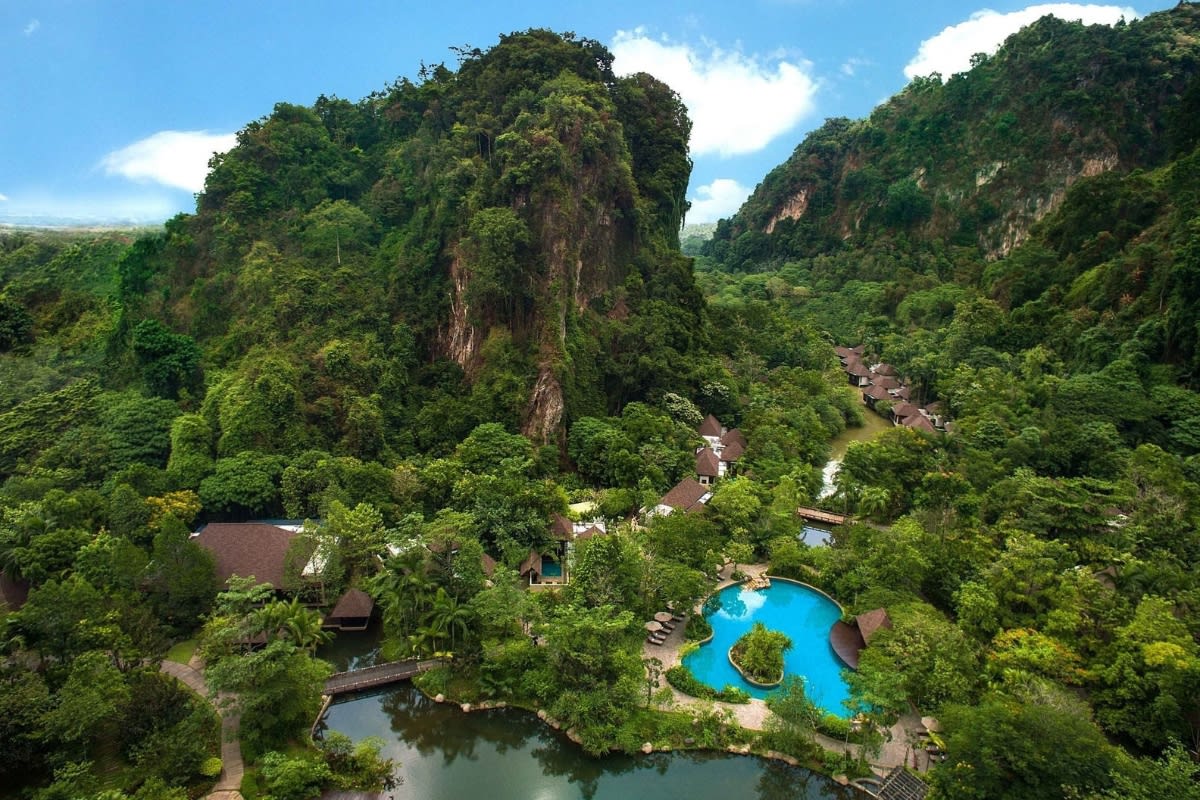
Set within 22.7 acres of jungle and limestone hills, The Banjaran Hotsprings Retreat feels less like a resort and more like a wellness sanctuary. It houses a private geothermal jacuzzi, plunge pools, and an infinity pool that blend seamlessly into the landscape. The highlight, however, was the natural hot spring, where soaking pools face towering limestone cliffs believed to be over 260 million years old. It is the kind of place that invites you to slow down and simply surrender to nature.
Dining in Prehistory: Jeff's Cellar
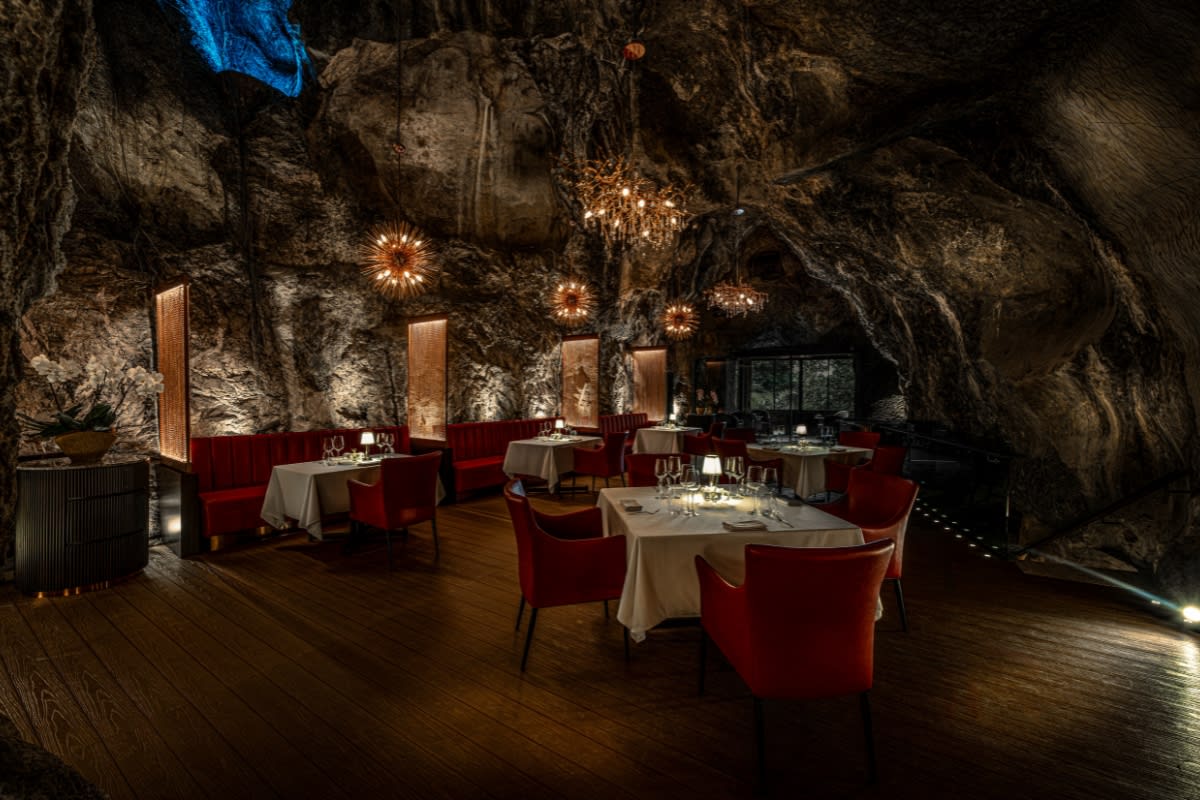
Something magical lies deep within the atmospheric limestone caves of Ipoh, Malaysia, sculpted by nature over 260 million years. Jeff’s Cellar Private Dining settles amid soaring stalactites, ancient stalagmites, and gently rippling streams, interior designer Nelson Yong and his team at Sunway Design have created a striking contemporary concept that feels both unexpected and entirely at home within its surroundings.settles amid soaring stalactites, ancient stalagmites, and gently rippling streams, interior designer Nelson Yong and his team at Sunway Design have created a striking contemporary concept that feels both unexpected and entirely at home within its surroundings.
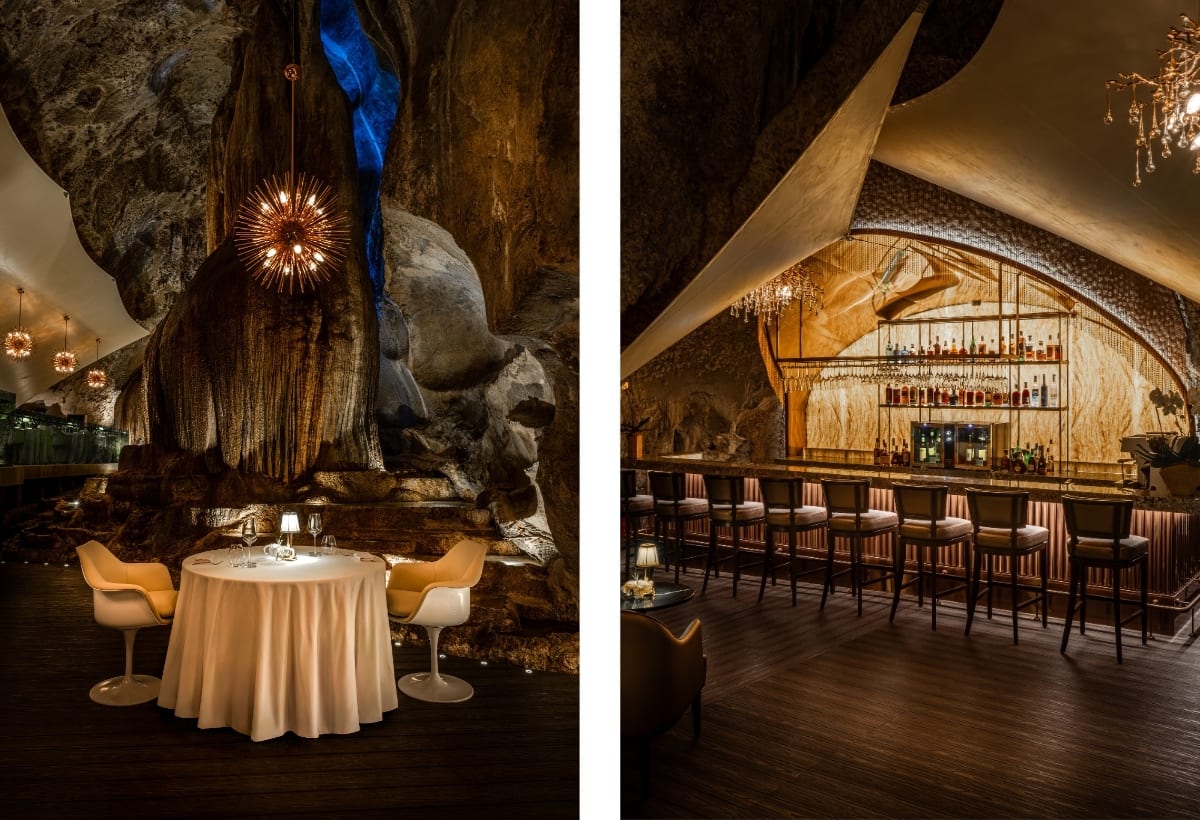
Nestled within the softly illuminated cavern, premium furnishings and carefully curated mood lighting contrast beautifully with the raw geological drama of the cave. The result is a captivating interplay between nature and design, one that transforms this prehistoric landscape into a modern luxury dining experience.
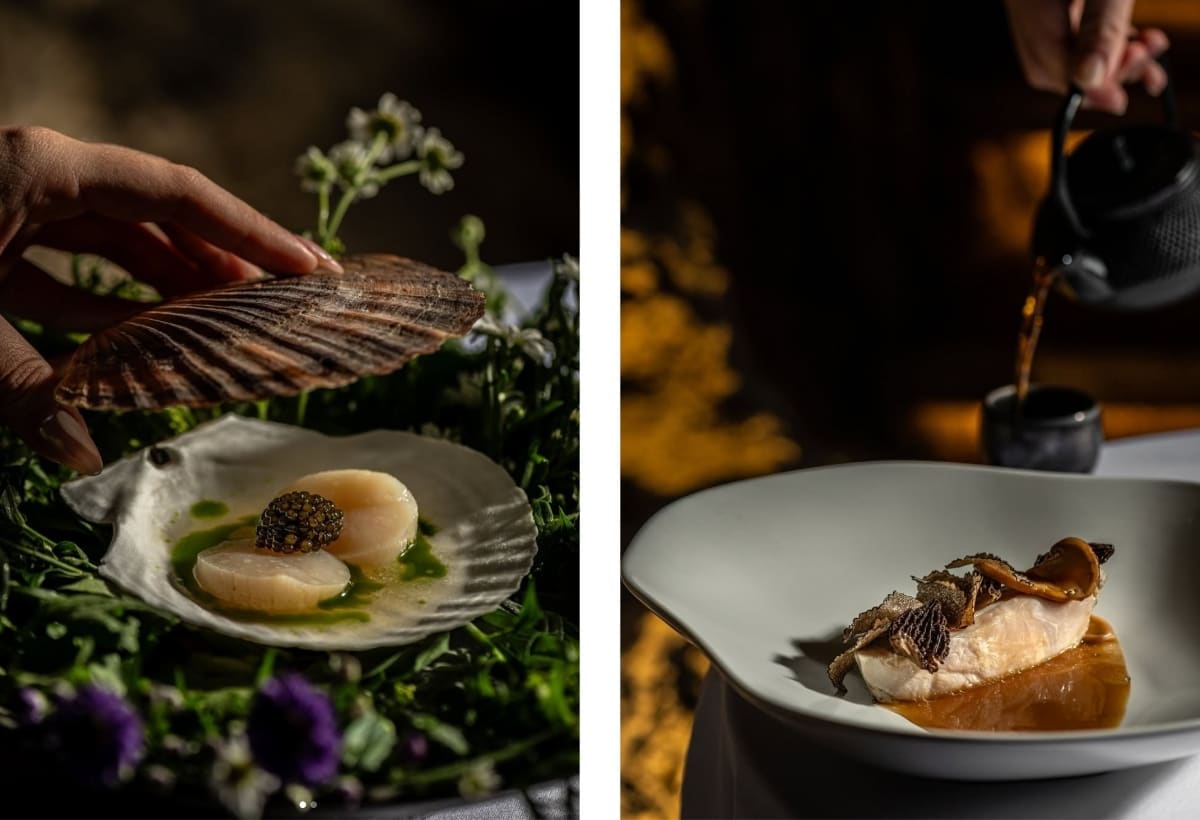
Leading the kitchen is Ipoh-born Chef Lee Choon Boon, who returned home after years in global fine dining. His degustation menu is thoughtful and precise. Dishes such as monkfish with caviar and beurre blanc, or cured tenggiri bunga with fermented tomatoes and marigold vinaigrette, celebrate local ingredients while telling stories of transformation, place, and memory.
Takeaways From Ipoh
It is easy to reduce destinations to postcards and clichés. Had I not visited Gaharu Tea Valley, Ipoh might have remained, in my mind, a city defined by its tin-mining legacy.
Instead, I discovered a place where conservation, sustainability, and heritage quietly shape the future. HOGA is more than a tea plantation. It is a reminder that the land is not merely something to be used, but something to be nurtured. And perhaps that is the story of Ipoh that deserves to be told more often.