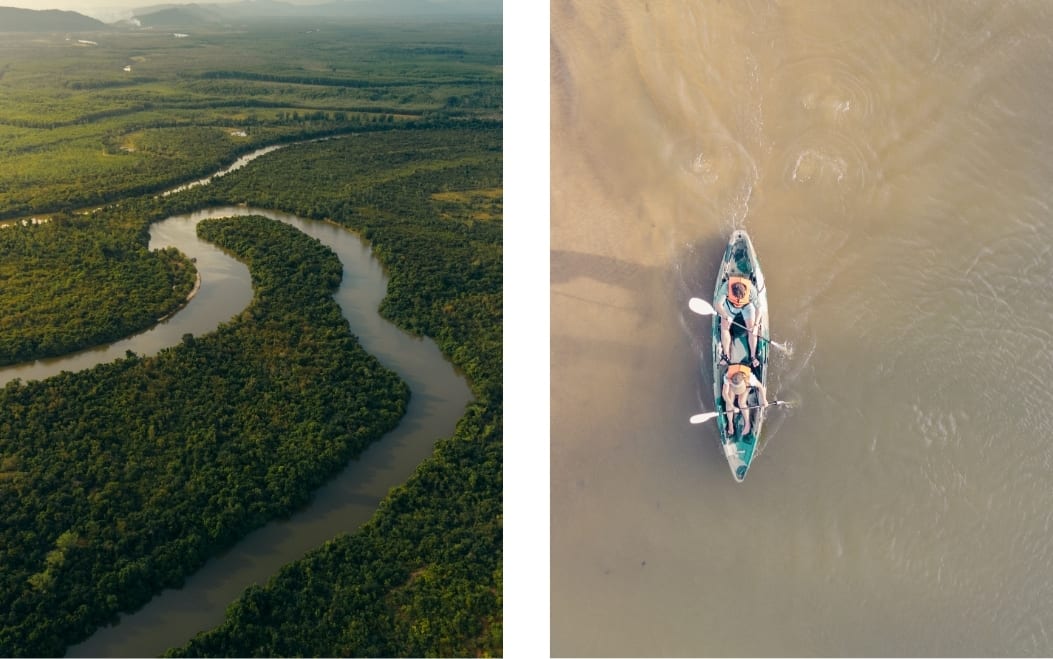
The journey begins on the emerald-green waters of the Preak Tachan River, where a kayak slices gently upstream toward Botum Sakor National Park, deep within Cambodia's Cardamom Rainforest. As you paddle farther into the wilderness, the riverbanks slowly disappear behind a veil of mist-draped forest. The silence is broken only by birdsong and the rhythmic dip of your paddle, in a landscape so pristine it feels like one of the planet's last remaining green lungs.
The Cardamom Mountains are among Southeast Asia's last great wildernesses, home to a remarkable mosaic of 16 distinct ecosystems. More than 70 species listed on the IUCN Red List find refuge here, including Malayan sun bears, clouded leopards, Sunda pangolins, fishing cats, Siamese crocodiles, smooth-coated otters and the pileated gibbons whose haunting calls echo through the canopy. For centuries, the prei—the Khmer word for forest—has sustained local communities. Yet its riches were often exploited through illegal hunting, logging and poaching rather than protected. During the brutal Khmer Rouge regime, which seized power in 1975, vast stretches of these forests became hideouts and battlegrounds, leaving deep scars on both the land and its people. Even today, illegal logging and poaching continue to threaten this ancient landscape.
Hidden deep within this rainforest is Shinta Mani Wild, an ultra-low-impact tented camp envisioned by architect, interior designer and conservationist Bill Bensley. More than just a luxury retreat, it is an ambitious conservation project that invites guests to experience the wilderness while helping protect it.
Shinta Mani Wild was built to protect the forest as much as it was designed to immerse guests in it. The 350-hectare corridor links three national parks in Cambodia's Cardamom Mountains, creating a vital sanctuary for wildlife in one of the most biodiverse regions on Earth.
Bensley says, "This 350-hectare corridor sits between three national parks in Cambodia's Cardamom Mountains, one of the most biodiverse regions on Earth. The challenge was simple: how do you protect the forest and make conservation economically viable? My answer was to create a high-yield, ultra-low-impact luxury camp that would pay for its own protection".
That philosophy is reflected in every aspect of the camp and redefines what luxury means. Every stay contributes directly to safeguarding one of Cambodia's most important rainforest ecosystems, proving that exceptional hospitality and meaningful conservation can coexist and support one another. Here, indulgence comes with purpose, and every adventure leaves a lighter footprint than the one before.
Also Read: Beyond Angkor, Why Phnom Penh In Cambodia Deserves A Place On Your Itinerary
Getting Into The Wild Side
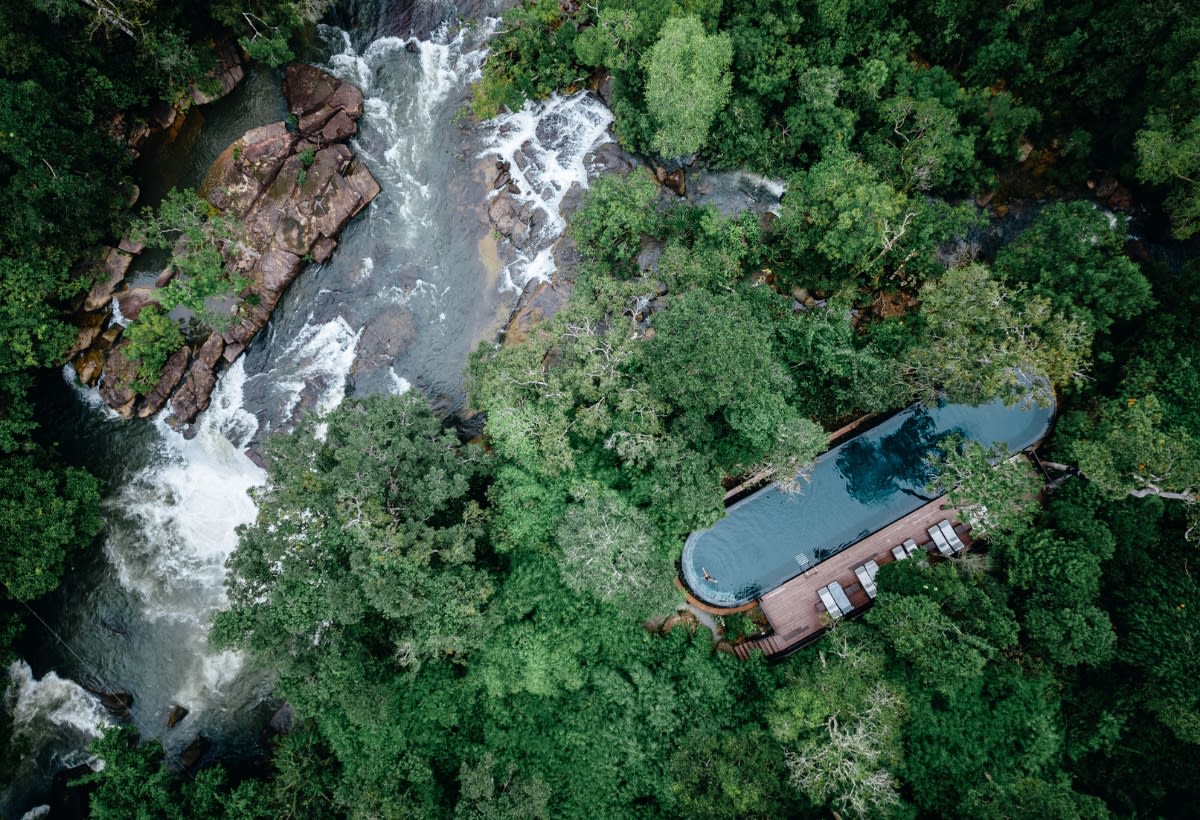
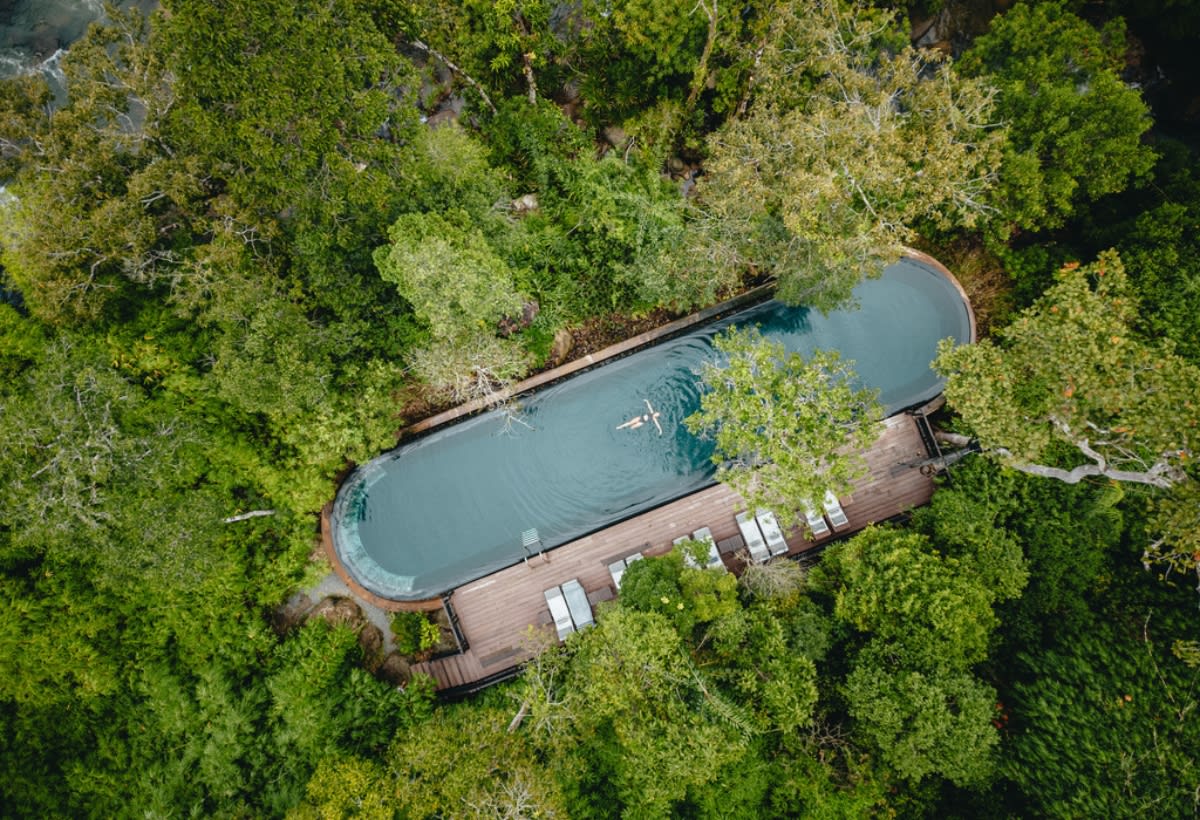
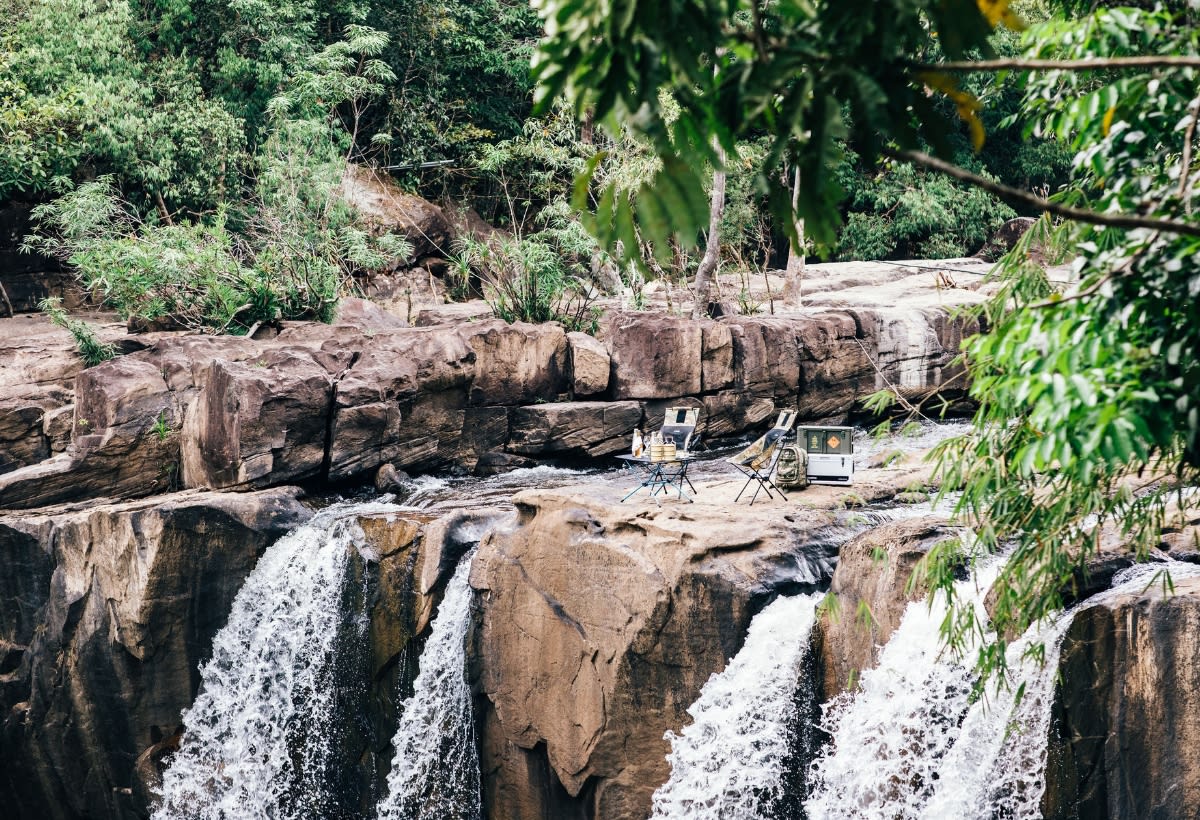
One can soar above the rainforest on a zipline skimming the treetops before making a dramatic landing beside a roaring waterfall with a cocktail in hand, or opt for a vintage military jeep ride that winds through the forest. Either way, they can rest assured that their luggage will arrive at the camp. Perched above the river and cocooned by dense foliage, the camp's 15 canvas-roofed tents embody Bill Bensley's doctrine of "escapism". Here, walls give way to the forest canopy, the soundtrack is the gentle rush of the river, and guests can rub shoulders with towering trees right outside their doorstep.
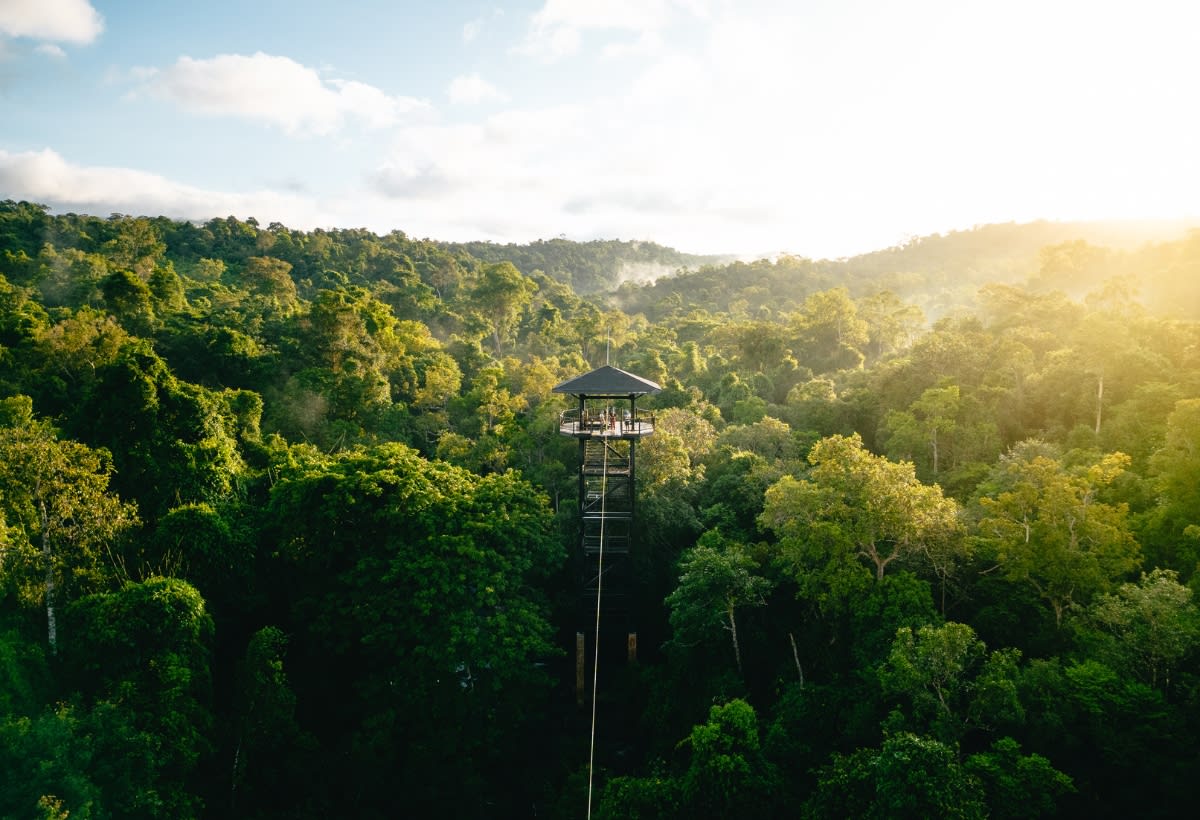
"Shinta Mani Wild is not a hotel in the jungle. It is a jungle that happens to have a hotel in it. I didn't buy this land to build something. I bought it to stop something, the destruction of one of Southeast Asia's last great rainforests. The hotel came afterwards," says Bensley.
This philosophy is reflected in every aspect of the guest experience.
The Stay Gives a Glimpse Of Bill Bensley’s Imaginative World
No two tents at Shinta Mani Wild are alike. More often than not, Bill Bensley, the founder of Shinta Mani and a designer par excellence, first creates spaces in his imagination before bringing them to life. “I've spent my whole career trying to design hotels that fit into the landscape. At Shinta Mani Wild, I wanted to go one step further and make the architecture disappear altogether,” he shared with me.
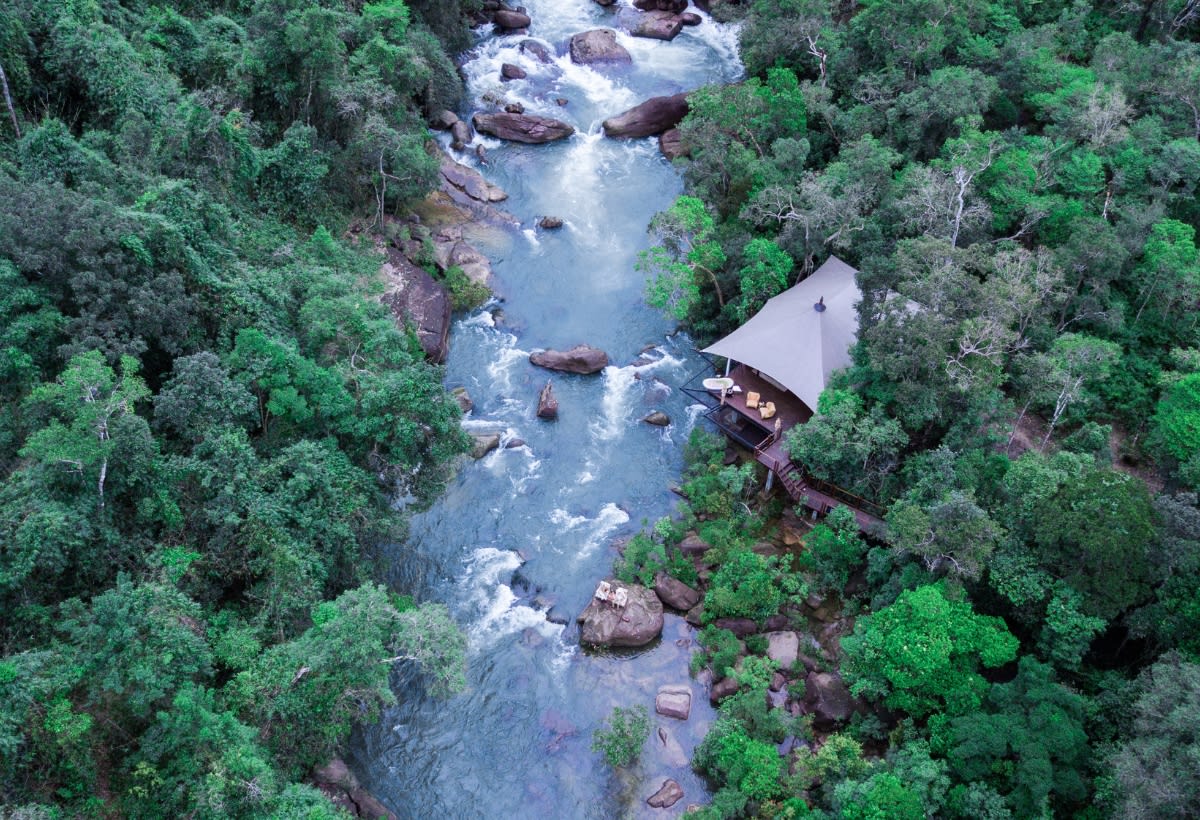
The tents appear almost pinned to the rocky riverbank, suspended between the rainforest and the rushing water below. Inside, air-conditioned bedrooms are layered with cloud-soft mattresses, handpicked antiques and curated objets d'art, while expansive decks open onto riverside soaking tubs with uninterrupted views of the jungle.
Tent No. 1, the Cambodian Royal Tent, occupies the wildest stretch of the river and encapsulates the design DNA of Shinta Mani Wild. It challenges the conventional notion of a tent as merely a utilitarian shelter. In Bill Bensley's hands, a tent becomes a meticulously crafted sanctuary, where every antique, artwork and collected artefact belongs to the era its story unfolds. Each tent tells a different story.
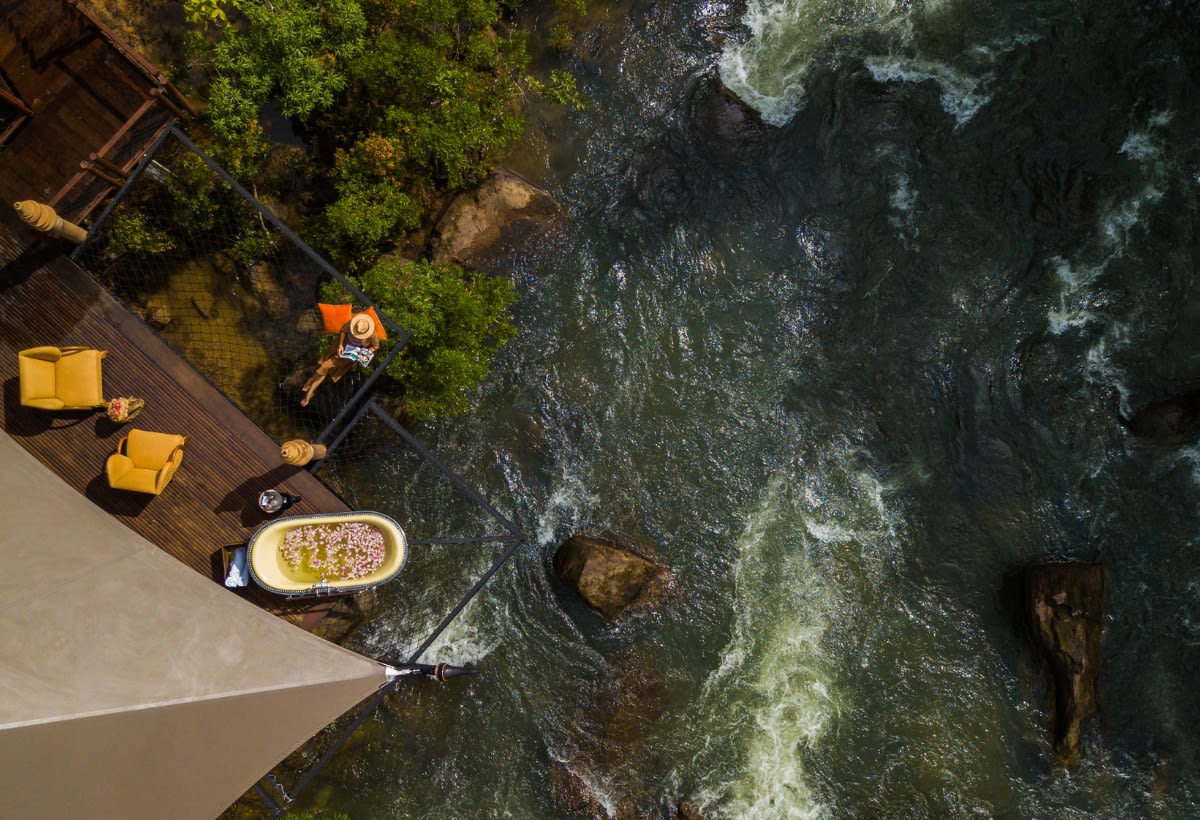
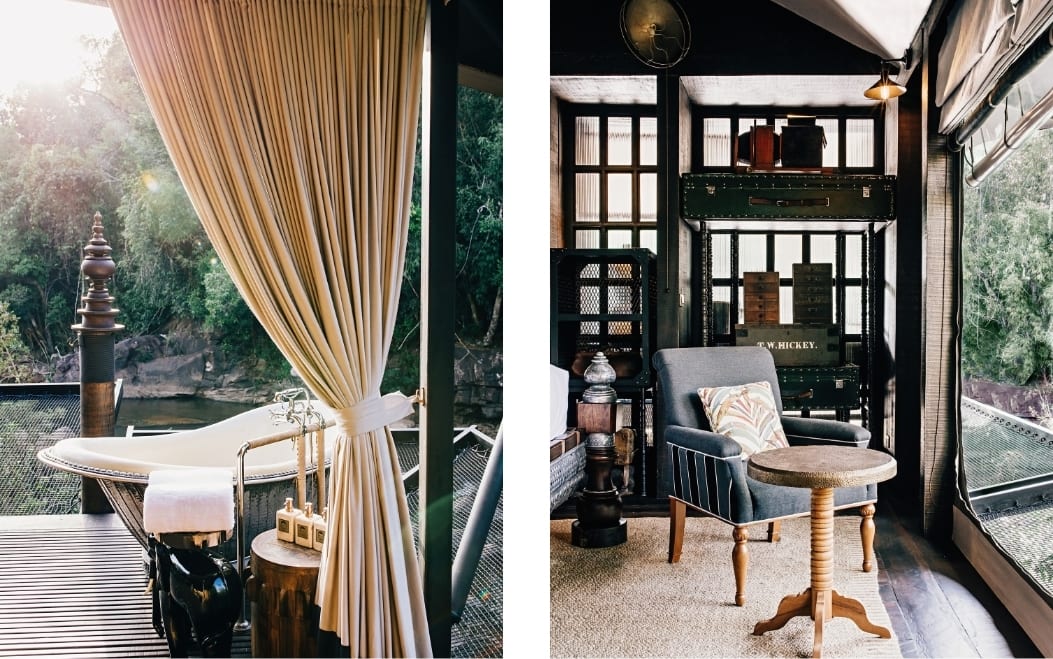
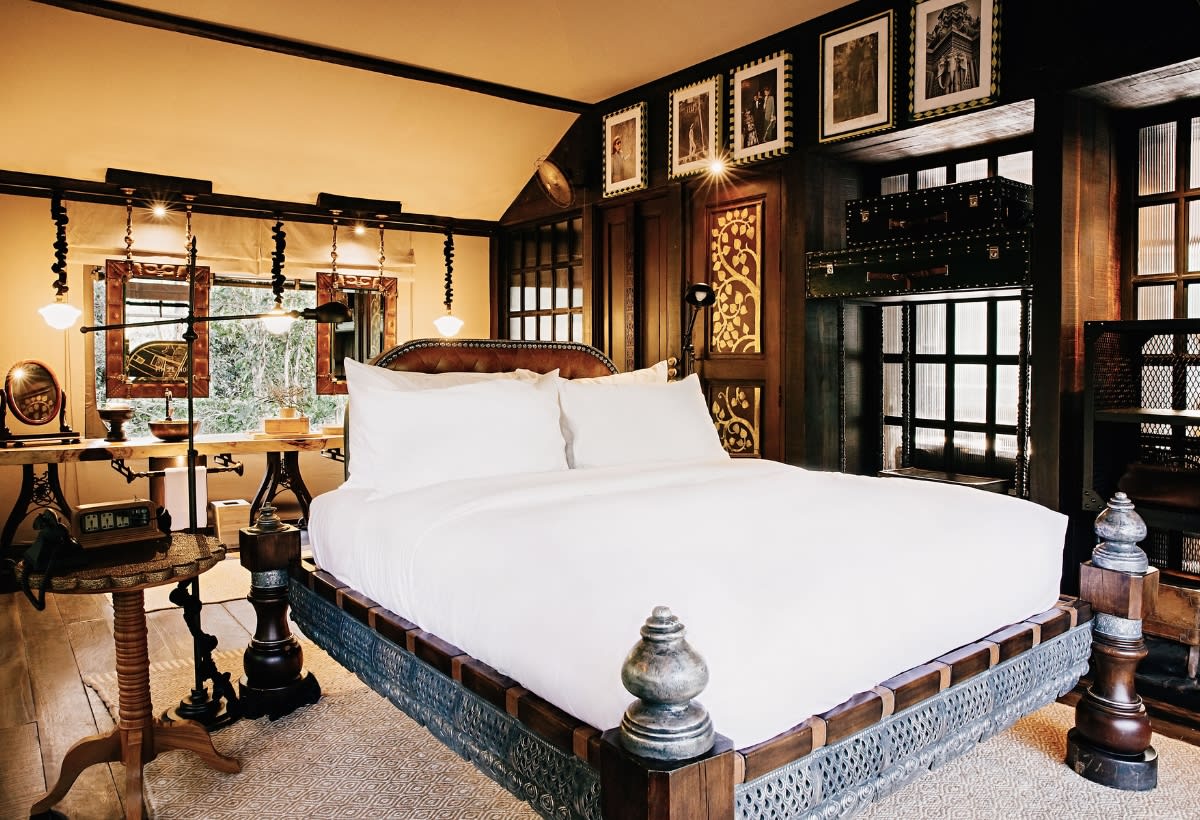
The Jackie Kennedy Tent pays tribute to the former First Lady, with curated memorabilia and vintage-inspired details celebrating her 1967 visit to Cambodia. Wildlife enthusiasts, meanwhile, will gravitate towards the Terrapin Tent, where vibrant textiles and playful motifs honour the critically endangered Royal Cambodian terrapin, a species once believed to be extinct before being rediscovered in the Ambel Estuary.
For a devoted National Geographic enthusiast like me, the aptly named National Geographic Tent is an irresistible hideaway. Perched on a rocky gorge overlooking the base of the waterfalls, its interiors are filled with vintage editions of National Geographic magazines, expedition-inspired curios and even a National Geographic-themed Monopoly board, making it feel like the private retreat of an old-world explorer.
Strap On Your Boots For Forest Patrolling
Shinta Mani Wild was conceived with a singular purpose: to protect one of Southeast Asia's last great rainforests and the wildlife that calls it home. A portion of every stay directly supports 14 ranger stations operated by Wildlife Alliance, a Cambodian conservation organisation whose armed ranger teams patrol the rainforest, remove snares, dismantle poaching camps and combat illegal logging.
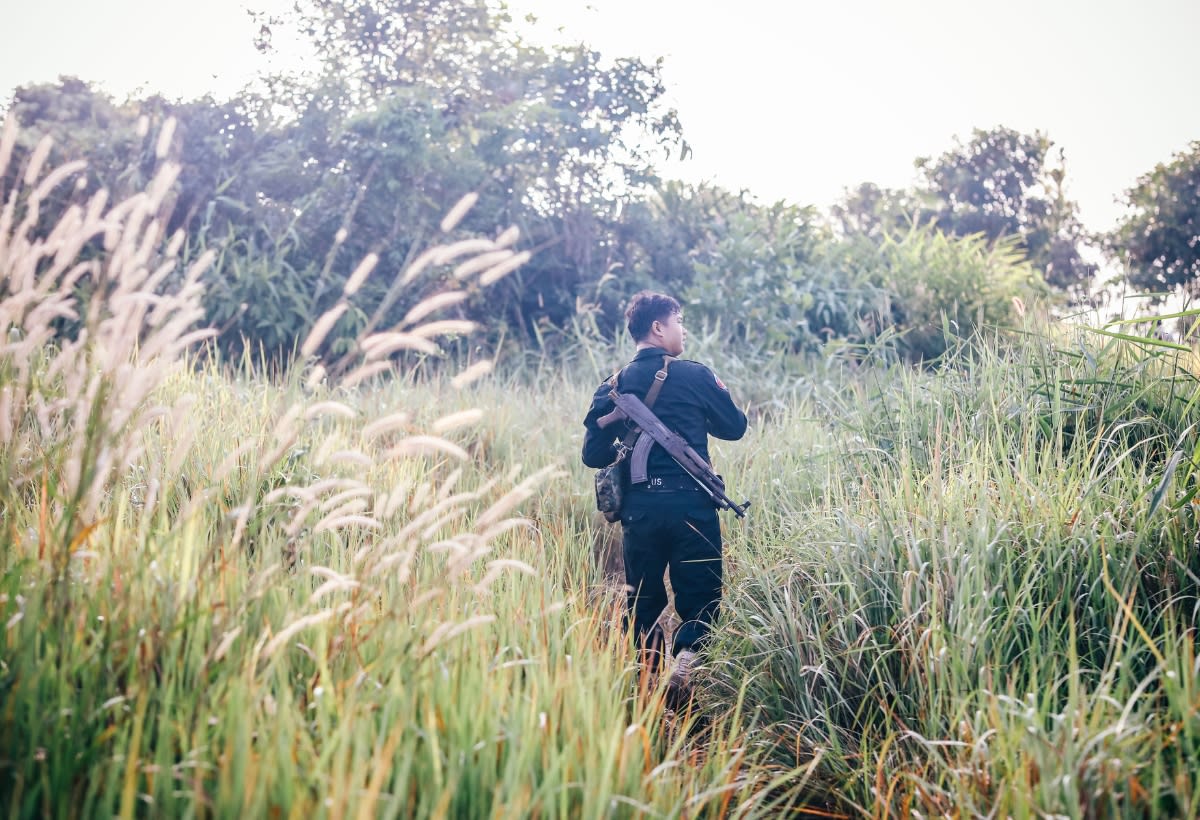
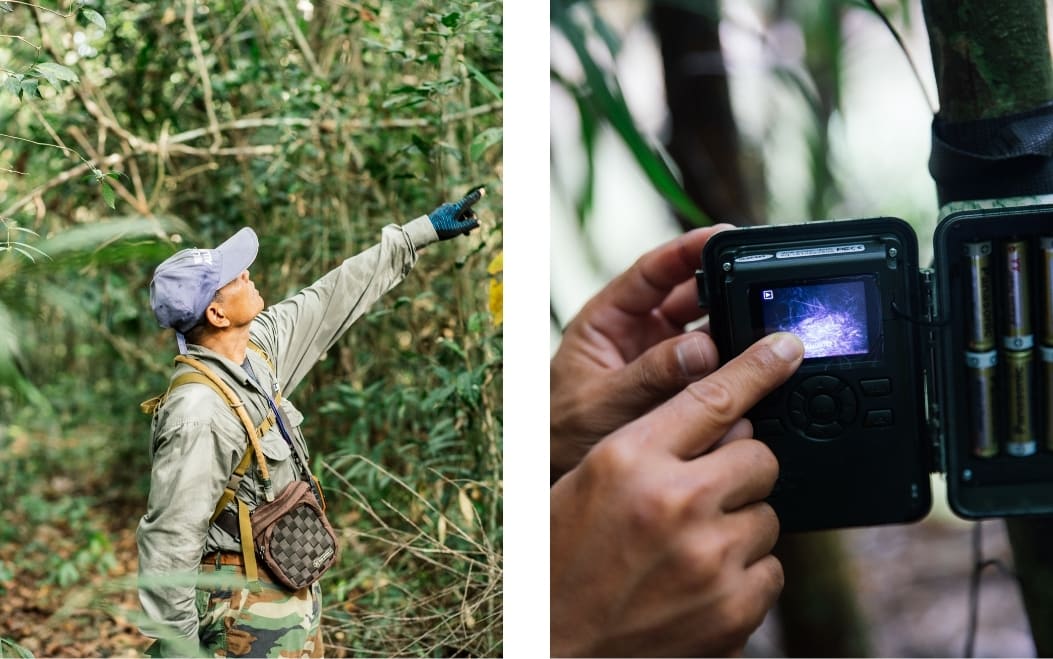
The camp even houses its own dedicated ranger station, giving guests a rare opportunity to witness conservation in action. Those seeking a deeper connection with the landscape can join an anti-poaching patrol alongside the rangers. The experience is as authentic as it gets—you may help dismantle handmade traps, remove wire snares from the forest floor or, if fortune allows, assist in rescuing and releasing an animal caught in one. It is an encounter that transforms luxury travel into meaningful participation, leaving guests with a profound appreciation for the fragile ecosystem they have come to experience, protect and ultimately help preserve.
Cruise The River Like a Jurassic Park Explorer
Don your best khakis and step aboard a custom-designed expedition pontoon to navigate the secret waterways of the upper Srey Ambel Estuary, drifting through emerald mangrove forests, sleepy rice paddies and sun-drenched golden sandbanks in one of Cambodia's most untouched landscapes.
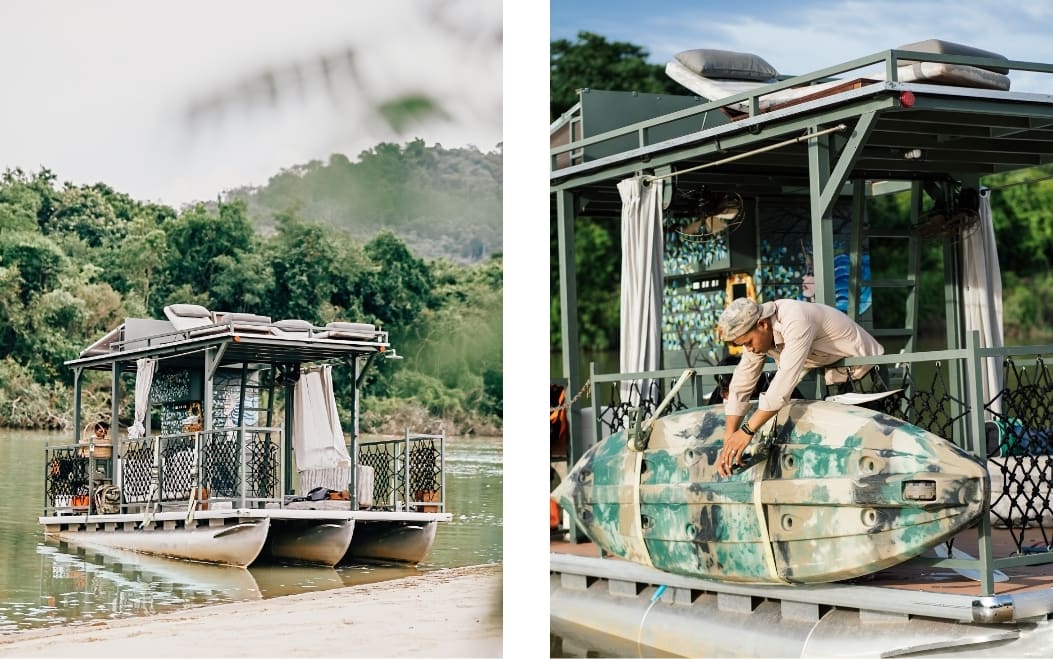
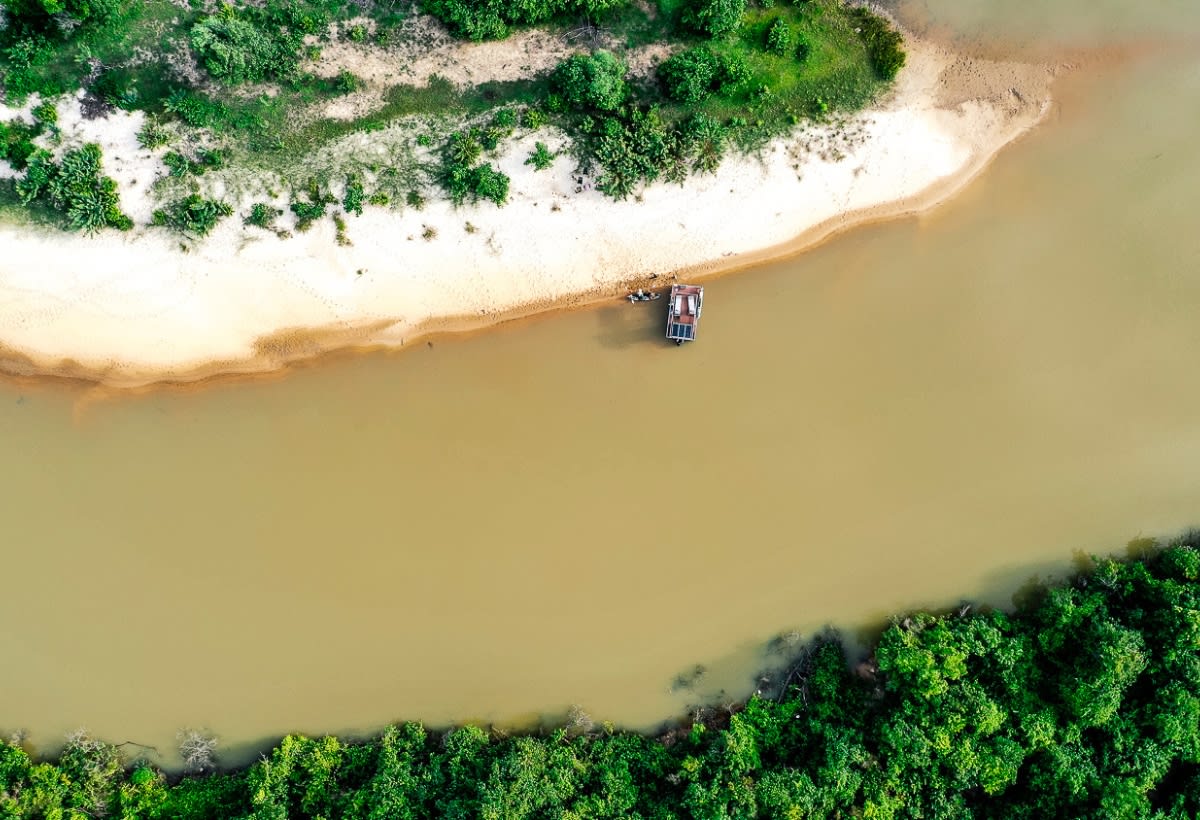
The vessel is far from an ordinary boat. Thoughtfully outfitted with a full bar, daybeds, a washroom and a sun deck with loungers, it is designed for leisurely exploration. Along the way, your ‘Adventure Butler’ doubles as an expert naturalist, pointing out native birdlife, navigating hidden mangrove channels best explored by kayak and revealing secluded spots for a picnic in the heart of this pristine wilderness.
“The whole camp is an adventure. You might kayak down the river, join anti-poaching patrols, forage for ingredients with our chefs or simply sit in your tent listening to the rain hammer on canvas. The animals belong here. We don't. Our job is to tread lightly, marvel constantly and protect this place for generations to come.", Bensley added.
Indulge In a Foraging Safari for The Plate
The Cardamom Rainforest is nature's larder, and each day begins with the resort's wild foragers venturing deep into the forest. Many are reformed poachers and loggers whose intimate knowledge of the rainforest has found a new purpose in conservation. They return with whatever the jungle offers that day—forest ferns, mangosteens, wild potatoes, freshwater crabs, and the freshest catch. In the kitchen, chefs transform this ever-changing harvest into thoughtful dishes, ensuring no two meals are ever quite the same.
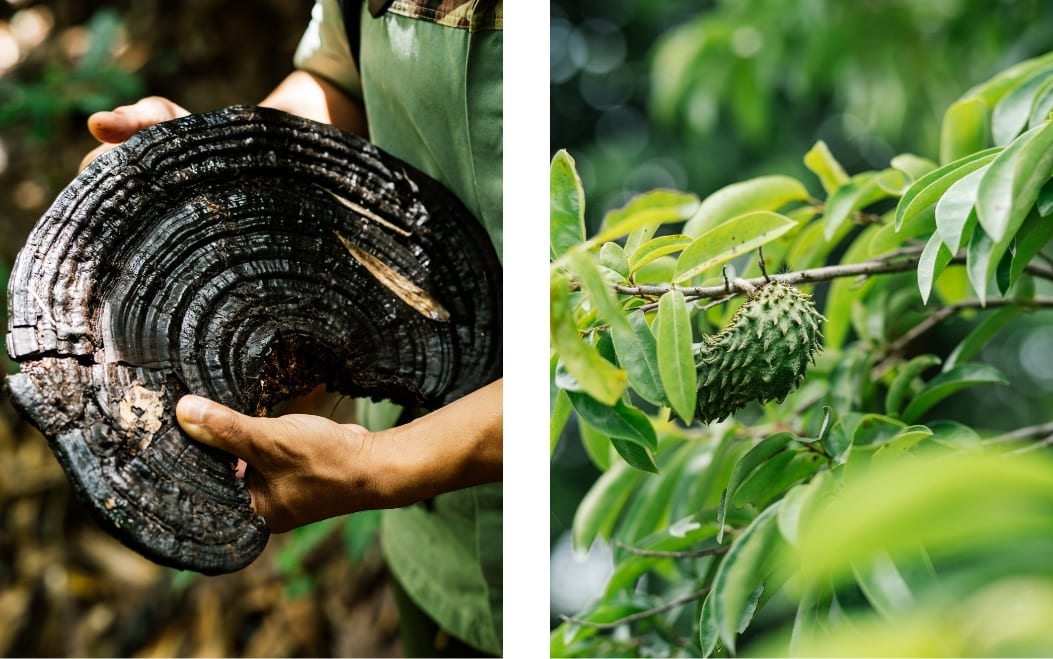

Rise early and join the resort's foraging team to discover edible mushrooms hidden beneath the forest canopy, and, if you're feeling adventurous, sample unexpected flavours—including live red ants, a prized ingredient in Cambodian cuisine. This too is a part of the three-day itinerary.
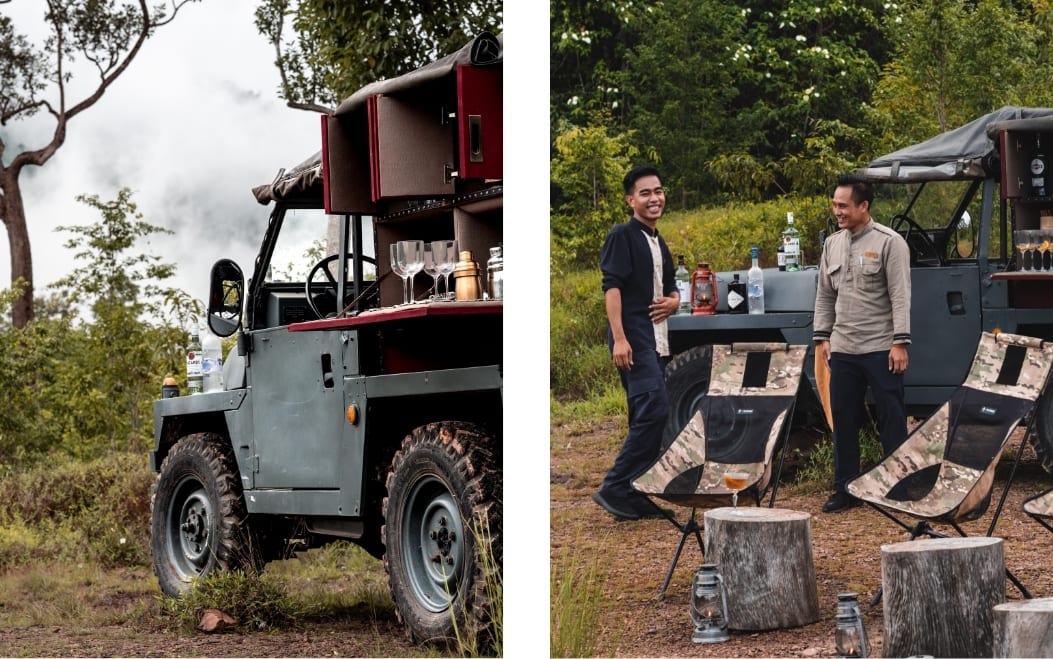
Each luxury tent is Bill Bensley's love letter to Cambodia, for its untamed wilderness, royal heritage, and enduring spirit. Filled with treasured souvenirs collected over decades of travel, every tent feels deeply personal, as though you're stepping into the home of a well-travelled explorer.
"Of all the projects I've designed, Shinta Mani Wild was the most difficult and is the one closest to my heart. If guests leave with muddy boots, a full heart and a newfound love and respect for this extraordinary corner of Cambodia, then I've done my job." Bensley concludes.
And what happens when you leave this ultra-remote retreat is a quiet shift in perspective. Time spent alongside conservationists, trackers and foragers leaves you with a deeper understanding of what it takes to protect a landscape as fragile as this one. Shinta Mani Wild proves that luxury and conservation need not exist in opposition; they can strengthen one another. You leave not only heeled, but with a renewed reverence for the natural world and a reminder that every journey is also a choice. Travel well, and it can become an act of conservation in itself.
Getting There
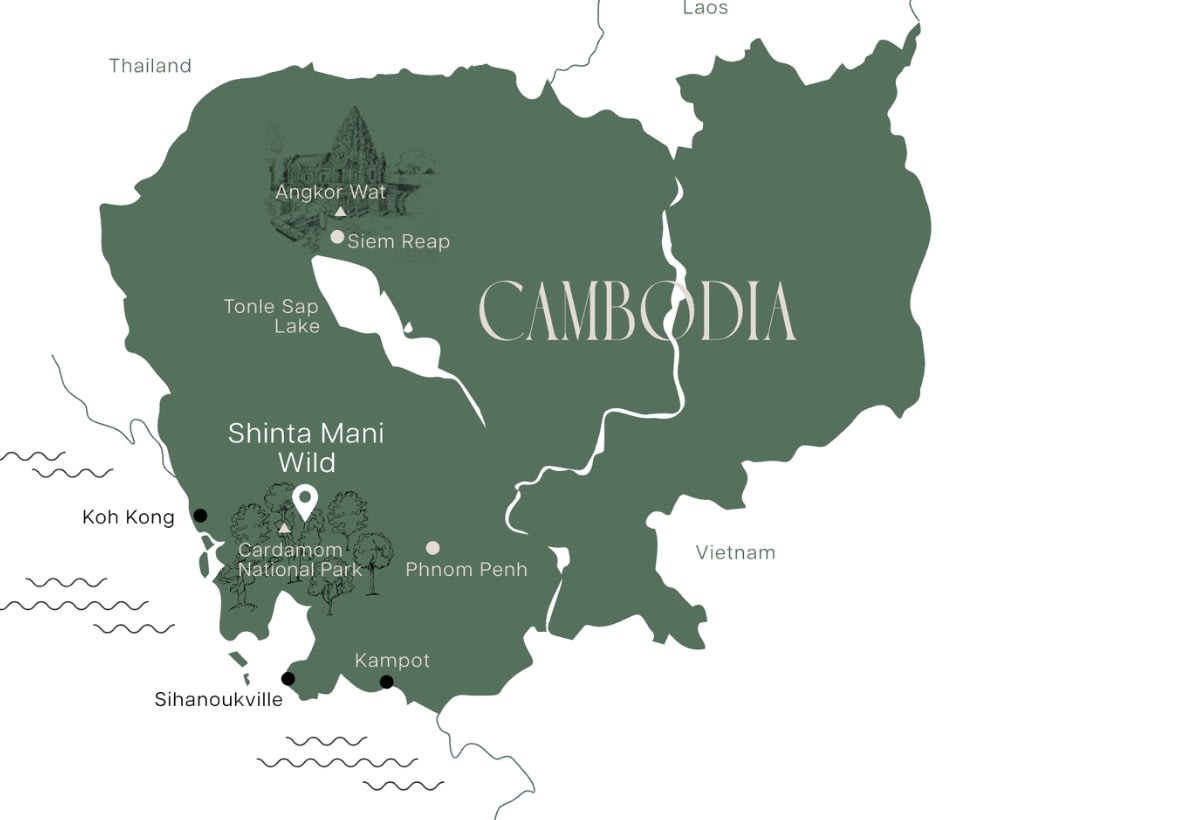
This is a remote wilderness. Shinta Mani is located in Southern Cambodian National Park. Your journey begins with a flight into Phnom Penh (PNH) or Sihanoukville (KOS). From there, a private, Wi-Fi-equipped vehicle and chauffeur will be waiting to escort you to the camp.